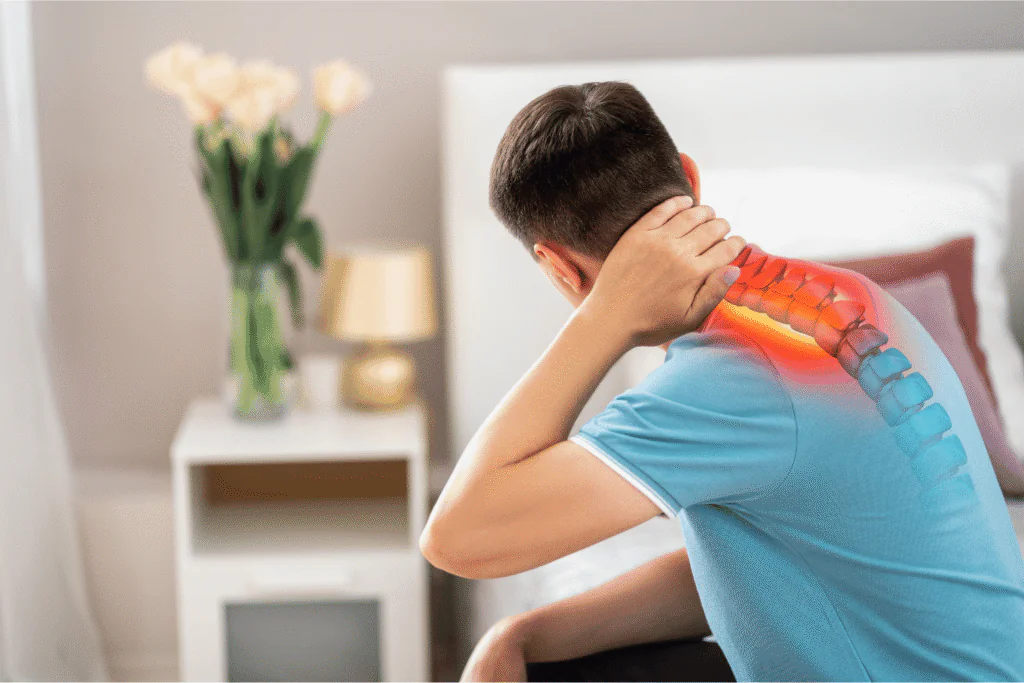
You're likely wondering if there's a way to actually find relief for that nagging lower back pain. Many people experience this discomfort, and while some solutions seem promising, others might leave you questioning their effectiveness. From over-the-counter medications to alternative therapies, options abound, but how do you know which ones truly work? As you explore the various treatments and lifestyle changes available, consider the factors that could be influencing your pain, and what might finally lead you to the relief you seek.
Understanding Lower Back Pain
Lower back pain is a common issue that many people experience at some point in their lives. It can stem from various causes, and understanding these can help you identify what might be affecting you. Whether it's due to poor posture, muscle strain, or an underlying condition, recognizing the signs and symptoms is vital for addressing the pain effectively.
You might feel a dull ache, sharp pain, or even a sense of stiffness in your lower back. This discomfort can range from mild to severe and may radiate to other areas, like your legs or hips. Activities you once enjoyed, like lifting heavy objects or participating in sports, might become challenging as the pain interferes with your daily life.
Several factors can contribute to lower back pain. Sedentary lifestyles, obesity, and aging can all play a role. Stress and emotional well-being can also impact how you perceive and cope with pain. If you spend long hours sitting at a desk, your back may suffer from inadequate support, leading to tension and discomfort.
It's essential to listen to your body. If you notice persistent pain, it might signal a more serious issue. You should consider seeking professional advice to better understand your condition and what might be causing it.
Common Treatment Options
When it comes to managing lower back pain, you have several treatment options to contemplate.
First and foremost, over-the-counter (OTC) pain relievers like ibuprofen or acetaminophen can provide immediate relief for mild pain. These medications target inflammation and pain directly, making them a go-to for many.
If your pain is more severe, you might consider prescription medications. Your doctor may prescribe muscle relaxants or more potent pain medications to help alleviate discomfort. It's vital to follow your doctor's guidance to avoid dependency.
Physical therapy is another effective option. A trained therapist can design a personalized exercise program aimed at strengthening your core, improving flexibility, and promoting better posture. These exercises can help alleviate pain and prevent future episodes.
You could also explore the benefits of chiropractic care. Chiropractors use spinal manipulation to relieve pain and restore mobility. Many patients find significant relief through regular adjustments.
Heat and cold therapy are simple yet effective treatments. Applying a heat pack can relax tense muscles, while cold packs can reduce inflammation and numb sharp pain.
Lastly, maintaining an active lifestyle is important. Regular low-impact activities, such as walking or swimming, can keep your back strong and flexible, reducing the risk of further pain.
Alternative Therapies to Explore
Exploring alternative therapies can offer new avenues for managing lower back pain effectively. Many people find relief through methods that go beyond traditional medical treatments.
One option you might consider is acupuncture. This ancient practice involves inserting thin needles at specific points on your body to help alleviate pain and improve energy flow. Numerous studies suggest that acupuncture can greatly reduce lower back pain.
Chiropractic care is another alternative worth considering. Chiropractors use spinal manipulation techniques to realign the spine and alleviate discomfort. Regular visits can help maintain mobility and prevent future pain episodes.
You may also want to try massage therapy. Different techniques, like deep tissue or trigger point massage, can help release muscle tension and improve circulation in your lower back. This can lead to increased flexibility and reduced pain levels.
Yoga is another effective option. Practicing specific poses can strengthen your core, improve flexibility, and promote relaxation. Over time, this can help you manage pain and enhance overall well-being.
Lastly, herbal remedies and supplements can provide additional support. Turmeric, for example, contains curcumin, known for its anti-inflammatory properties.
Always consult with your healthcare provider before starting any new supplement.
Lifestyle Changes for Relief
Making simple lifestyle changes can greatly impact your journey toward relieving lower back pain. One of the most effective adjustments you can make is to incorporate regular physical activity into your routine. Engaging in low-impact exercises, like walking, swimming, or yoga, can strengthen your core muscles and improve flexibility, both of which support your spine.
Additionally, pay attention to your posture throughout the day. Whether you're sitting at a desk or standing in line, maintaining proper alignment can prevent unnecessary strain on your back. Consider investing in ergonomic furniture or tools that promote good posture.
Moreover, don't underestimate the power of a healthy diet. Eating a balanced diet rich in anti-inflammatory foods can help reduce pain. Incorporate fruits, vegetables, whole grains, and lean proteins into your meals while limiting processed foods and sugars. Staying hydrated is also vital, as dehydration can contribute to muscle cramps and discomfort.
Managing stress effectively is another important aspect. High stress levels can lead to muscle tension, exacerbating your pain. Explore relaxation techniques such as deep breathing, meditation, or gentle stretches to manage stress better.
Lastly, make sure you're getting enough sleep. Poor sleep can worsen pain sensitivity. Aim for a supportive mattress and pillows that align your spine.
When to Seek Professional Help
If your lower back pain persists despite lifestyle changes and home remedies, it's essential to seek professional help. Ignoring ongoing pain can lead to more serious issues, so don't hesitate to consult a healthcare provider.
Look for a doctor if your pain lasts more than a few weeks, especially if it interferes with daily activities or sleep.
You should also seek help if you experience additional symptoms like numbness, tingling, or weakness in your legs. These could indicate nerve compression or other serious conditions that require immediate attention.
If your pain follows an injury or accident, it's wise to get evaluated, as this could signify a more severe underlying problem.
Don't forget to pay attention to any accompanying symptoms, such as fever, unexplained weight loss, or bowel and bladder issues. These can be red flags that signal a need for urgent medical care.
When you meet with a professional, be prepared to discuss your symptoms in detail, including when they started and how they affect your life. This information will help them assess your condition and recommend appropriate treatment options.
Finally, remember that early intervention often leads to better outcomes. So, if your lower back pain doesn't improve or worsens over time, trust your instincts and seek the help you need.
Taking action sooner rather than later can help you get back to living your life without pain.
Conclusion
Finding relief for lower back pain is definitely achievable with the right approach. By exploring common treatments, alternative therapies, and making lifestyle changes, you can greatly reduce your discomfort. Remember, it's important to listen to your body and seek professional help if your pain persists or worsens. Don't hesitate to take the first step towards feeling better—your back will thank you for it! Start prioritizing your health today and reclaim your comfort.