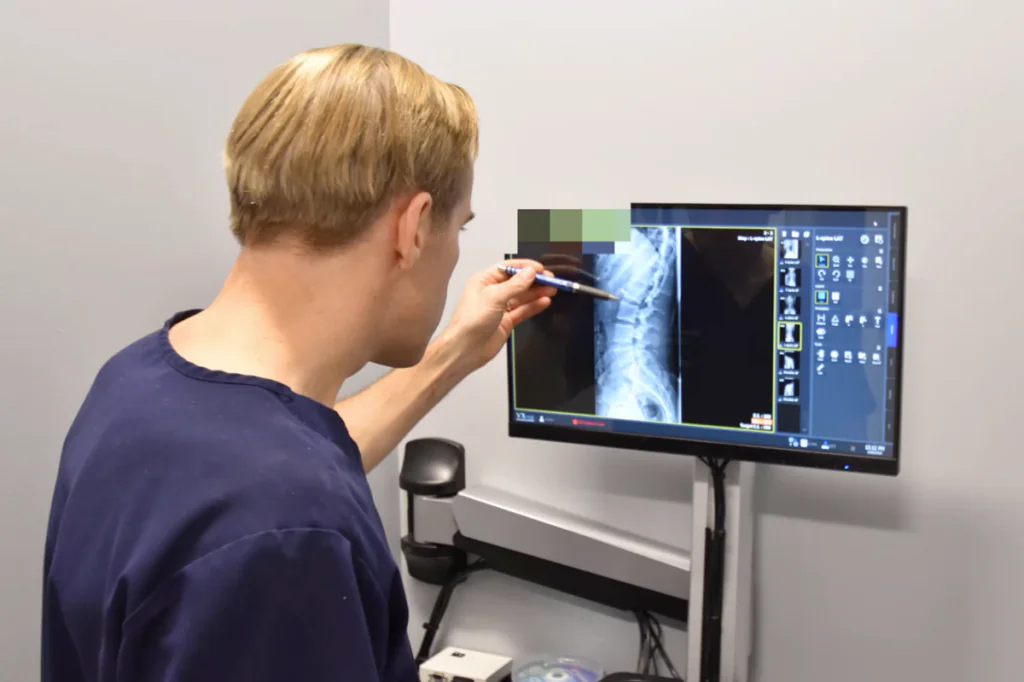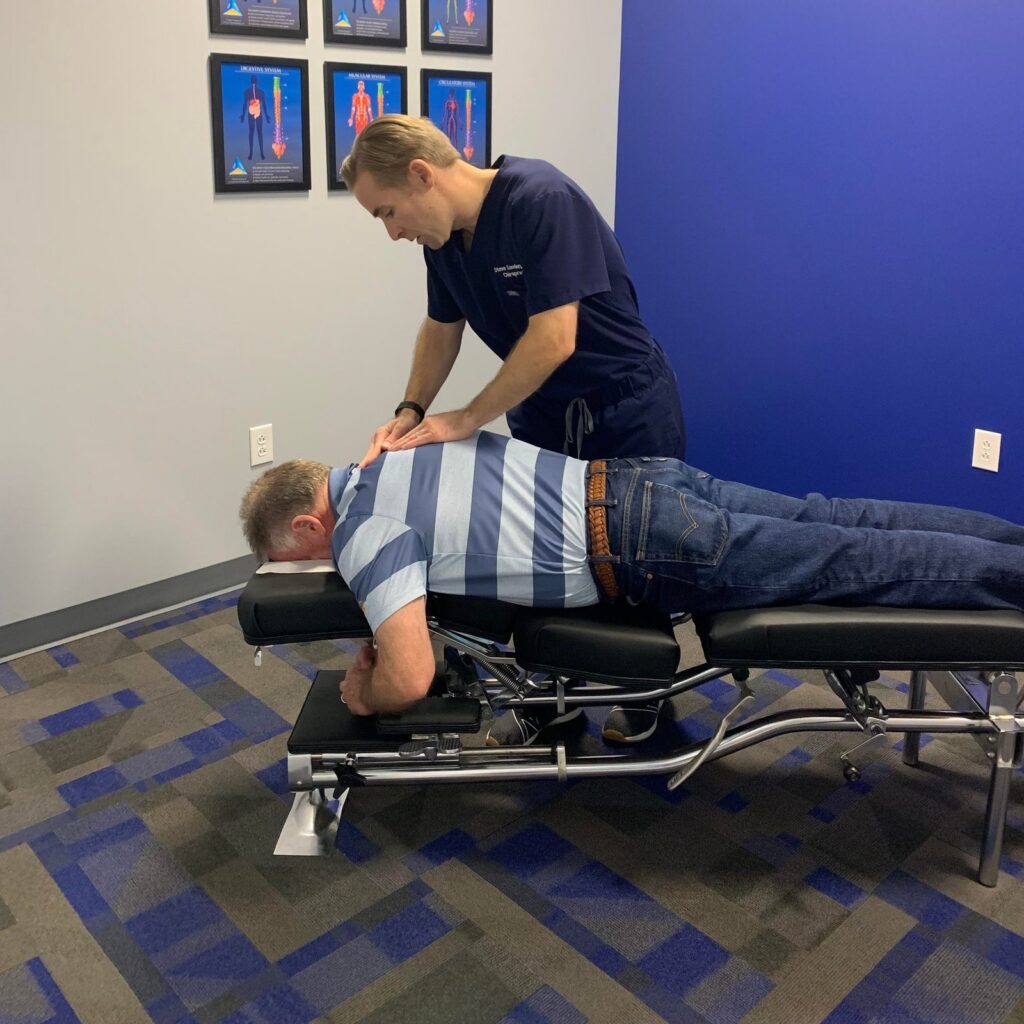
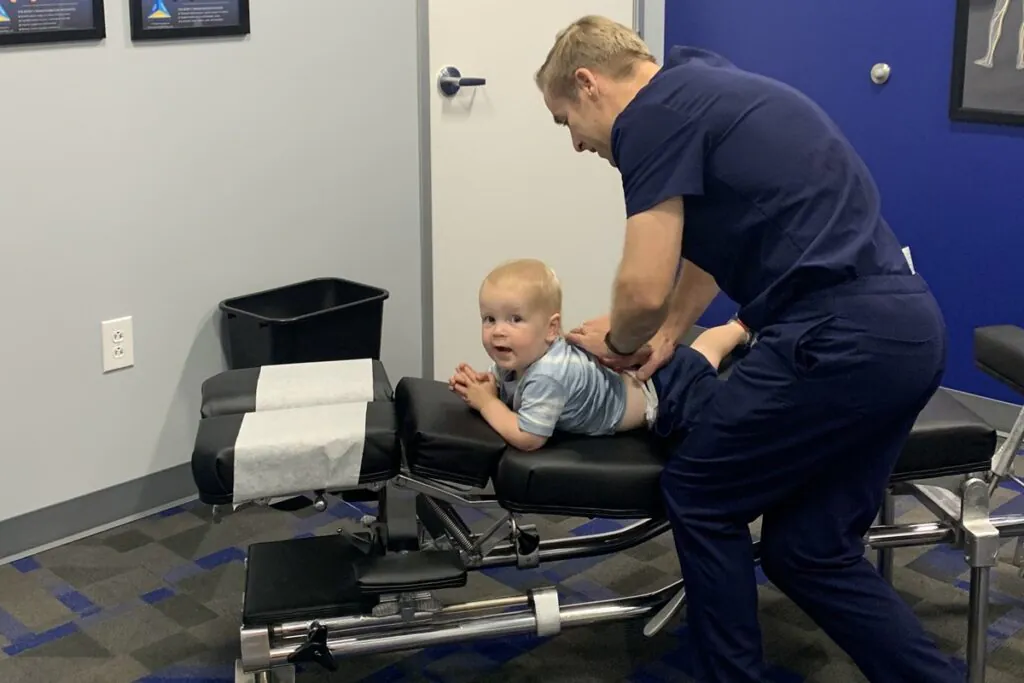
When most people think about chiropractic care, they picture adults dealing with back pain, neck stiffness, or a sports injury. But here in Fort Worth, TX, more and more parents are asking a question that might surprise you: “Can chiropractic care help my child?” The answer, backed by a growing body of evidence and decades of clinical experience, is that children can benefit significantly from gentle, age-appropriate chiropractic care. Whether your child is a newborn, a growing elementary schooler, or a teenager who plays competitive sports, their spine and nervous system are working hard every single day — and sometimes, they need a little support.
At Cityview Chiropractic, Dr. Steve Sanders works with families throughout the Fort Worth community, helping parents understand how chiropractic care fits into a healthy, proactive lifestyle for children of all ages. This article is designed to give you an honest, clear picture of what pediatric chiropractic care is, how it works, and why so many families are making it a regular part of their child’s wellness routine.
What Is Pediatric Chiropractic Care?
Pediatric chiropractic care refers to gentle, age-specific spinal assessments and adjustments designed for infants, children, and adolescents. Unlike adult care, the techniques used for children are much lighter in force — often no more pressure than you’d use to test a ripe tomato — and are adapted to suit the child’s developing skeletal system. The goal is to support healthy nervous system function, spinal alignment, and overall physical development.
Why Children Benefit from Chiropractic Care
A child’s body is in a constant state of growth and change. From the moment of birth — which itself can place significant physical stress on an infant’s neck and spine — to the tumbles of toddlerhood, the heavy backpacks of the school years, and the athletic demands of teenage sports, a child’s musculoskeletal system takes on a lot. Many parents don’t realize that small misalignments, often called vertebral subluxations, can develop early in life and, if left unaddressed, may affect posture, movement, and even nervous system communication as a child grows.
The spine houses and protects the spinal cord, which is the main communication highway between the brain and the rest of the body. When vertebrae are misaligned, it can create subtle interference in that communication. Chiropractic adjustments aim to restore proper alignment, reduce nerve irritation, and help the body function the way it was designed to. For children, whose nervous systems are still developing, maintaining good spinal health may have far-reaching effects on their overall wellbeing.
Dr. Steve Sanders often explains to parents that chiropractic care for children isn’t about treating illness — it’s about optimizing the body’s natural ability to grow, heal, and thrive. Think of it like routine dental checkups: you don’t wait for a toothache to take your child to the dentist. The same proactive mindset applies to spinal health.
Common Childhood Conditions Chiropractic May Help
Parents bring their children to Cityview Chiropractic in Fort Worth for a wide variety of reasons. Some come in after a fall or sports injury. Others come because their child has been dealing with recurring headaches, difficulty sleeping, or postural concerns. While chiropractic care is not a cure for any condition, and results vary from child to child, research suggests it may be a helpful part of a conservative care approach for several common childhood complaints.
Ear infections, or otitis media, are one of the most common reasons parents of young children seek chiropractic care. Some evidence suggests that gentle adjustments to the upper cervical spine may support better drainage of the Eustachian tubes, which could reduce the frequency of ear infections. It’s important to note that chiropractic is used as a complementary approach here, not a replacement for medical care when infection is present.
Colic in infants is another area where parents often report improvement after chiropractic care. Colic — persistent, inconsolable crying in otherwise healthy babies — is not fully understood by science, but some research indicates that gentle spinal manipulation may help reduce symptoms. A Cochrane-reviewed area of interest, this is still a topic of ongoing study, and the evidence, while promising, is still developing.
Beyond these, parents also seek care for children experiencing growing pains, sports injuries, scoliosis monitoring, tension headaches, and poor posture from excessive screen time and heavy backpack use. At Cityview Chiropractic, each child is assessed individually so that care is always appropriate, safe, and goal-oriented.
What to Expect During a Pediatric Chiropractic Visit
If you’ve never brought a child to a chiropractor before, it’s completely natural to feel a little unsure about what the visit will involve. The good news is that pediatric chiropractic visits are typically gentle, brief, and — for many kids — surprisingly enjoyable. Children tend to respond very quickly to care because their bodies are adaptable and resilient.
At Cityview Chiropractic in Fort Worth, a first visit always begins with a thorough health history review. Dr. Steve Sanders will ask about your child’s birth history, developmental milestones, physical activity, any recent injuries, and your specific concerns. A gentle postural and spinal assessment follows, which is completely non-invasive and pain-free. For infants and very young children, most of the assessment takes place while the child is held or lying comfortably.
The adjustments themselves are tailored entirely to the child’s age and size. For infants, the technique involves extremely light fingertip pressure — nothing like what you might imagine from an adult chiropractic adjustment. For older children and teenagers, techniques may be slightly more similar to adult care but are still modified appropriately. Most children find adjustments comfortable and are quite relaxed throughout the process.
How Chiropractic Care Fits Into Your Child’s Wellness Plan
Chiropractic care works best when it’s viewed as one piece of a larger wellness picture. Dr. Steve Sanders encourages parents to think of it as complementary to pediatric medical care, not competing with it. If your child has an active medical condition, chiropractic care can often work alongside their existing treatment plan. Communication between your child’s medical team and their chiropractor is always a good idea.
For generally healthy children, regular chiropractic checkups can serve as a form of preventive wellness care. Just as you schedule annual well-child visits with a pediatrician, periodic spinal checkups may help catch postural imbalances or developing alignment issues before they become larger problems. This is especially relevant during growth spurts, when the spine is under increased mechanical demand.
Children who participate in sports can also benefit greatly. Athletes place repetitive stress on their bodies, and even minor spinal misalignments can affect performance, coordination, and injury recovery. Many youth and adolescent athletes here in the Fort Worth area have made chiropractic care a regular part of their training and recovery routine.
Age Group |
Common Concerns |
Chiropractic Approach |
|---|---|---|
|
Infants (0–12 months) |
Colic, feeding difficulties, torticollis, birth-related tension |
Extremely gentle fingertip adjustments; craniosacral-style techniques |
|
Toddlers (1–3 years) |
Falls and tumbles, developmental posture concerns |
Light manual techniques; playful, child-friendly approach |
|
School-Age (4–12 years) |
Heavy backpacks, poor posture, growing pains, headaches |
Postural correction, gentle spinal adjustments, ergonomic guidance |
|
Teenagers (13–18 years) |
Sports injuries, scoliosis monitoring, tech neck, stress tension |
More traditional adjustments adapted for adolescent physiology |
Practical Tips for Supporting Your Child’s Spinal Health
Chiropractic visits are just one part of the equation. There are meaningful steps parents can take at home to support their child’s spinal and postural health every day. Dr. Steve Sanders regularly coaches Fort Worth families on these habits because prevention truly is the best medicine.
Backpack weight is a surprisingly significant issue. Research suggests that children should carry no more than 10–15% of their body weight in a backpack. Encourage your child to wear both straps, keep the heaviest items closest to their back, and use a locker or classroom storage whenever possible. A backpack that’s too heavy, worn on one shoulder, or carried incorrectly can contribute to postural imbalances over time.
Screen time and “tech neck” are growing concerns among pediatric chiropractors nationwide. When children spend extended time looking down at phones, tablets, or laptops, it places enormous stress on the cervical spine. Encourage regular breaks, proper device positioning at eye level when possible, and physical activity that counteracts the forward-flexed posture of screen use.
Active play and movement are genuinely protective for spinal health. Children who move regularly — running, climbing, stretching, swimming — tend to have better core strength and postural awareness than those who are sedentary for long periods. Limiting sedentary time and encouraging varied physical activity is one of the best things you can do for your child’s musculoskeletal development.
When to Bring Your Child to a Chiropractor
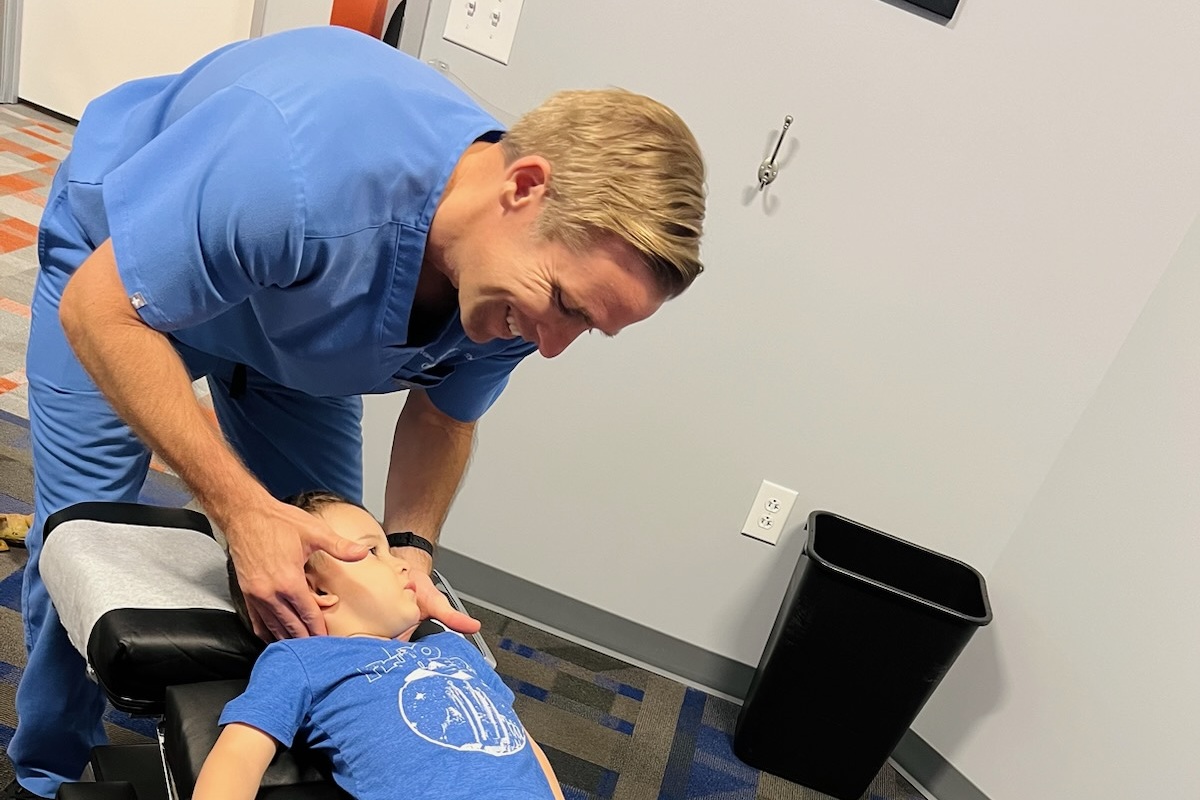
You don’t have to wait until your child is in pain to schedule a chiropractic evaluation. Many of the families who visit Cityview Chiropractic in Fort Worth come in for wellness checkups — not crisis care. That said, there are specific signs that may indicate your child would benefit from an evaluation sooner rather than later.
Consider scheduling an appointment if your child complains of recurring headaches that aren’t explained by illness or dehydration, experiences persistent neck or back pain after physical activity, has noticeably uneven shoulders or hips, frequently trips or seems uncoordinated for their age, or has recently been in a fall, sports collision, or car accident. Infants who consistently favor turning their head to one side, have difficulty latching during breastfeeding, or seem unusually uncomfortable may also benefit from a gentle evaluation.
It’s equally important to know when to refer to or coordinate with a medical provider. If your child has neurological symptoms such as numbness, weakness, or significant changes in bladder or bowel function, these require immediate medical evaluation. Chiropractic care is not appropriate as a first or sole response to those types of symptoms. At Cityview Chiropractic, your child’s safety always comes first, and Dr. Steve Sanders will always refer out when that is the right course of action.
Myths vs. Facts About Chiropractic Care for Kids
Myth: Chiropractic adjustments are too rough for children.
Fact: Pediatric chiropractic adjustments are specifically adapted for a child’s smaller, more flexible body. The amount of force used for an infant is extraordinarily light — often described as the gentle pressure of a fingertip. The techniques used for children are fundamentally different from those used for adults and are designed with their developing physiology in mind.
Myth: Children don’t need chiropractic care because they’re young and healthy.
Fact: Youth doesn’t protect a spine from misalignment. The birth process itself, everyday falls, poor posture, heavy backpacks, and sports impacts can all affect a child’s spine. Addressing these things early — before patterns become ingrained — is far easier than correcting them in adulthood.
Myth: Chiropractic care is only for back and neck pain.
Fact: While musculoskeletal pain is a common reason people seek chiropractic care, the benefits extend beyond pain relief. Because the spine and nervous system are closely connected, spinal health can influence many areas of function including sleep quality, immune system resilience, and overall physical performance. That said, chiropractic is not a cure for any specific disease or condition.
Myth: Once you start chiropractic care, you have to keep going forever.
Fact: Care plans at Cityview Chiropractic are always individualized and goal-based. Some children benefit from a short series of visits to address a specific concern. Others and their families choose ongoing wellness care. The decision is always made collaboratively with parents, based on the child’s needs and goals — never pressure-based.
Myth: Chiropractic care is not safe for infants.
Fact: When performed by a trained chiropractor experienced in pediatric care, chiropractic adjustments for infants are considered safe. Professional organizations including the International Chiropractic Pediatric Association provide training and guidelines specifically for infant and child care. As with any healthcare decision, it’s important to choose a qualified practitioner and to have an open conversation about your child’s health history before beginning care.
Final Thoughts from Cityview Chiropractic
Here in Fort Worth, TX, we are fortunate to have a community of parents who are engaged, thoughtful, and genuinely invested in their children’s health and wellbeing. At Cityview Chiropractic, Dr. Steve Sanders is proud to serve those families with honest, evidence-informed care that puts your child’s safety and health first — always.
Pediatric chiropractic care is not about quick fixes or miracle cures. It’s about supporting your child’s body as it grows, helping it function the way it was designed to, and giving your family the knowledge and tools to build lifelong wellness habits. Whether your child is days old or heading into high school, a spinal checkup can be a meaningful gift you give to their health today and in the years ahead.
If you have questions about whether chiropractic care is right for your child, we warmly invite you to reach out to our team at Cityview Chiropractic in Fort Worth. There’s no obligation — just an open, friendly conversation about your child’s health. We’d love to be a trusted part of your family’s wellness journey.
Frequently Asked Questions
Is chiropractic care safe for newborns and infants?
Yes, when performed by a chiropractor trained in pediatric techniques, chiropractic care for newborns and infants is generally considered safe. The adjustments used for infants involve very gentle, light fingertip pressure that is carefully adapted to their fragile, developing bodies. Always make sure your chiropractor has specific experience and training in infant care.
How do I know if my child needs to see a chiropractor?
Signs that may warrant a chiropractic evaluation include recurring headaches, uneven posture, frequent falls, complaints of neck or back discomfort, difficulty sleeping, or recovery from a sports injury or accident. Many parents also bring healthy children in for routine wellness checkups, similar to preventive dental visits.
How many chiropractic visits will my child need?
The number of visits depends entirely on your child’s individual needs and goals. Some children only need a few visits to address a specific concern, while others benefit from regular wellness care over time. Dr. Steve Sanders creates individualized care plans and discusses them fully with parents before beginning any care.
Will chiropractic adjustments hurt my child?
Pediatric chiropractic adjustments are designed to be comfortable and gentle. Most children do not experience pain during adjustments and many actually enjoy their visits. If a child ever shows signs of discomfort, the technique is immediately adapted or stopped.
Can chiropractic care help with my child’s recurring ear infections?
Some parents and practitioners report improvements in ear infection frequency with chiropractic care, and some research suggests a possible connection between upper cervical alignment and Eustachian tube drainage. However, chiropractic is not a treatment for active infection and should always be used alongside appropriate medical care when infection is present.
At what age can children start receiving chiropractic care?
Children can receive chiropractic care from birth onward, provided the techniques used are appropriate for their age and developmental stage. Many chiropractors experienced in pediatric care, including those at Cityview Chiropractic in Fort Worth, are comfortable evaluating and treating children across all age groups from infancy through adolescence.
TL;DR
-
Children of all ages — from newborns to teenagers — can benefit from gentle, age-appropriate chiropractic care that supports spinal alignment and nervous system health.
-
Pediatric chiropractic adjustments are much lighter and gentler than adult adjustments and are adapted specifically for a child’s developing body.
-
Common reasons parents seek chiropractic care for their children include colic, ear infections, postural issues, growing pains, sports injuries, and headaches.
-
Chiropractic care works best as part of a comprehensive wellness approach and should complement, not replace, your child’s pediatric medical care.
-
At Cityview Chiropractic in Fort Worth, TX, Dr. Steve Sanders offers individualized, family-centered care designed to help children grow, move, and thrive.