If you've ever felt restricted by tight muscles or joint discomfort, you might be surprised to learn how chiropractic care can enhance your flexibility and mobility. By focusing on spinal adjustments and targeted therapies, chiropractors can help alleviate stiffness and improve your overall movement. This isn't just about relief; it's about empowering you to engage more fully in daily activities and sports. Curious about the specific techniques and personalized approaches that make these benefits possible? Let's explore how this holistic method can transform your physical experience.
Understanding Chiropractic Care
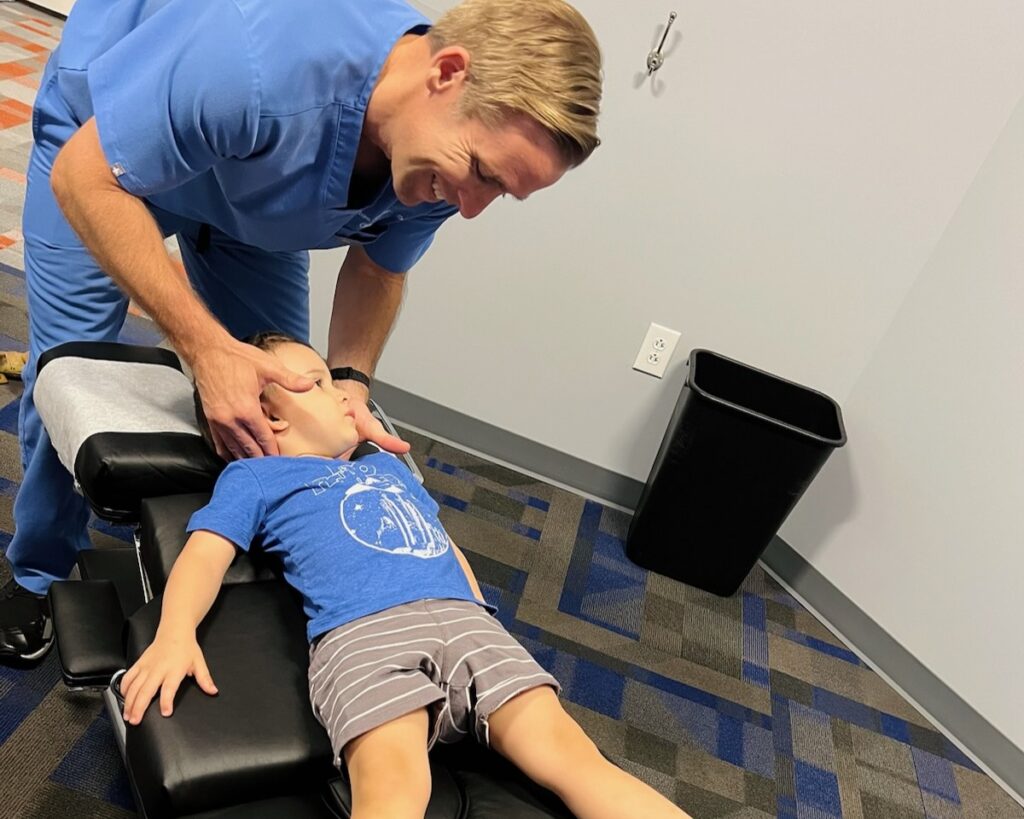
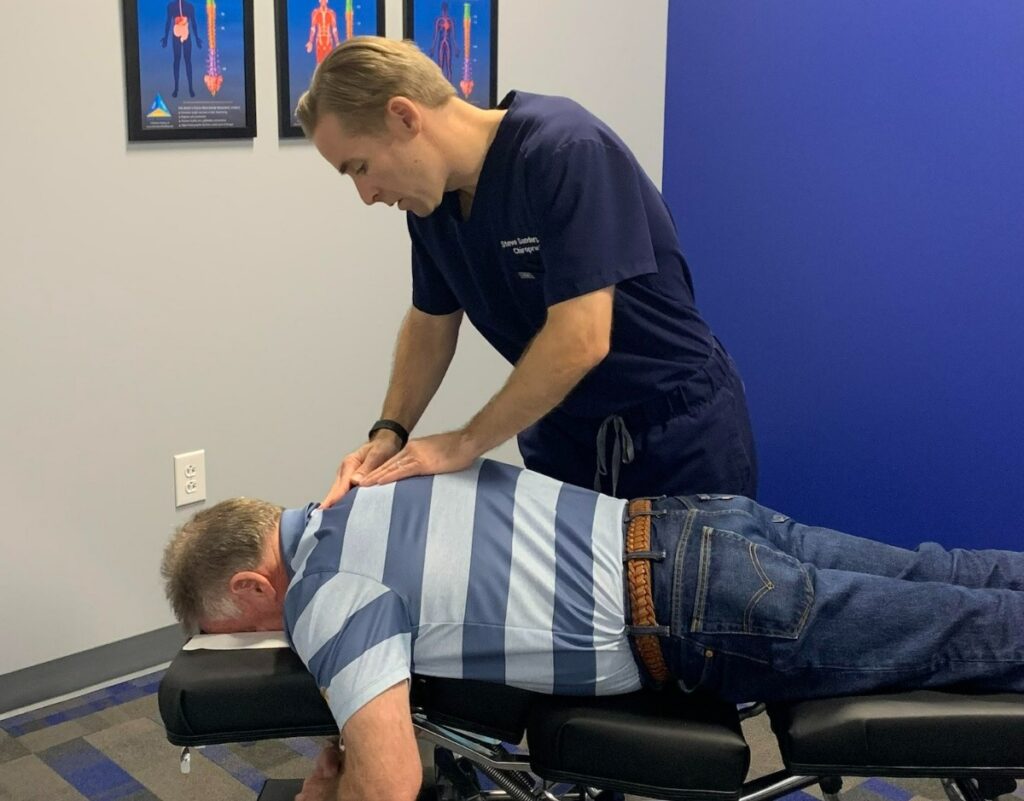
Chiropractic care is a holistic approach to health that focuses on diagnosing and treating musculoskeletal disorders, particularly those affecting the spine. When you seek chiropractic treatment, you're not just addressing pain; you're working to enhance your overall well-being. Chiropractors utilize hands-on techniques to manipulate the spine and other joints, promoting proper alignment and function.
During your first visit, your chiropractor will conduct a thorough evaluation, which may include a physical examination, medical history review, and possibly imaging tests. This detailed assessment helps them understand your specific issues and tailor a treatment plan that suits your needs.
You'll find that communication is key; your chiropractor will discuss their findings and explain how adjustments can improve your range of motion and alleviate discomfort.
Chiropractic adjustments target misalignments, known as subluxations, which can hinder your nervous system's function. By correcting these misalignments, you enhance your body's natural ability to heal. You might notice improvements not only in pain relief but also in flexibility and mobility as your body regains its proper alignment.
In addition to manual adjustments, chiropractors often recommend lifestyle changes, exercises, and stretches to support your recovery. They may also provide nutritional advice to further assist in your healing process.
Common Causes of Stiffness
Over time, various factors can contribute to stiffness in your muscles and joints, affecting your overall mobility. Recognizing these causes can help you address the problem effectively. Here are some common culprits:
- Sedentary Lifestyle: Sitting for long periods can lead to tightness in your muscles and joints.
- Aging: As you age, your body naturally loses flexibility and mobility, causing stiffness.
- Overuse or Injury: Repetitive activities or injuries can cause inflammation and stiffness in affected areas.
- Poor Posture: Slouching or maintaining awkward positions can create tension in your muscles, leading to stiffness.
- Dehydration: Not drinking enough water can affect muscle function and contribute to stiffness.
When you experience stiffness, it can limit your range of motion and hinder daily activities. It's important to pay attention to your body and identify the factors that may be contributing to your discomfort.
Simple changes, like incorporating regular movement into your routine, improving your posture, and staying hydrated, can make a significant difference. If stiffness persists, consider consulting with a healthcare professional, such as a chiropractor, who can assess your condition and recommend appropriate treatments.
Benefits of Improved Flexibility
Improved flexibility can greatly enhance your overall well-being and quality of life. When your muscles and joints move freely, you'll experience less discomfort and tension throughout your day. Increased flexibility allows you to perform daily activities with ease, whether it's bending to tie your shoes or reaching for something on a high shelf.
You'll notice how simple tasks become more manageable, reducing the risk of injury due to awkward movements. With better flexibility, you can also enjoy a more active lifestyle. Engaging in sports or recreational activities becomes more enjoyable as your body adapts to various movements.
You'll find that you can run, jump, and stretch without the limitations that tight muscles impose. This can lead to improved performance, whether you're playing basketball, practicing yoga, or simply enjoying a brisk walk.
Moreover, improved flexibility can enhance your posture. When your muscles are flexible, they support your spine and overall alignment better. This can help prevent the discomfort associated with poor posture, which often leads to chronic pain or tension headaches.
You'll likely notice that you feel more balanced and stable in your movements. Finally, flexibility contributes to better circulation and reduced muscle soreness after physical activity. As your blood flow improves, your body recovers more quickly, allowing you to stay active longer.
Embracing flexibility through chiropractic care can lead to a healthier, more vibrant lifestyle overall. So, investing in your flexibility isn't just about stretching; it's about enriching your life.
Techniques Used in Chiropractic
In chiropractic care, you'll encounter a variety of techniques aimed at improving your overall well-being.
Spinal adjustments are a key focus, helping to realign your spine and relieve discomfort.
Additionally, soft tissue therapies can target muscle tension and enhance your recovery process.
Spinal Adjustments Techniques
Chiropractors employ various spinal adjustment techniques to restore proper alignment and function to the spine. These techniques aim to alleviate pain, enhance mobility, and improve overall health.
By utilizing specific adjustments, you can experience relief from discomfort and a greater range of motion.
Here are some common spinal adjustment techniques you might encounter:
- Diversified Technique: This hands-on method focuses on specific joint manipulation, using precise thrusts to align the spine.
- Activator Method: Using a small handheld device, this technique applies gentle pressure to specific points, making adjustments less forceful.
- Gonstead Technique: This method involves a detailed analysis of your spine and uses precise adjustments to correct misalignments.
- Thompson Technique: In this approach, a specially designed table helps facilitate adjustments through dropping sections, reducing the force needed.
- Flexion-Distraction: This technique involves a gentle stretching of the spine, effectively relieving pressure on spinal discs and nerves.
Each of these techniques can be tailored to your individual needs, ensuring a personalized approach to your chiropractic care.
Soft Tissue Therapies
While spinal adjustments play a vital role in chiropractic care, soft tissue therapies are equally important for achieving peak health. These techniques focus on the muscles, ligaments, and fascia surrounding your spine and joints, helping to relieve tension and improve overall function.
One common approach is myofascial release, which targets tight muscle areas and promotes relaxation. This technique can help you regain flexibility and decrease pain.
Another effective method is deep tissue massage, which works deeper layers of muscle to alleviate chronic tension and improve circulation.
You might also benefit from Active Release Technique (ART), a specialized method that addresses soft tissue injuries by breaking down scar tissue and restoring mobility. If you've experienced repetitive strain or sports injuries, ART can be particularly helpful.
Additionally, stretching exercises and trigger point therapy can enhance your recovery. These therapies not only alleviate discomfort but also support your body's natural healing processes.
The Role of Spinal Adjustments
Spinal adjustments play an essential role in enhancing joint functionality and alleviating muscle tension.
By targeting misalignments, these adjustments can greatly improve your range of motion.
Understanding how these techniques work can help you appreciate their impact on your overall well-being.
Enhancing Joint Functionality
Enhancing joint functionality is a key benefit of spinal adjustments, as they help restore proper movement and alignment within the body. When your spine is in alignment, it allows your joints to function more effectively. This is essential for maintaining overall mobility and flexibility.
Here's how spinal adjustments can enhance your joint functionality:
- Improved Range of Motion: Adjustments can increase the flexibility of your joints, allowing for smoother movements.
- Reduced Joint Pain: Proper alignment can alleviate stress on your joints, reducing discomfort.
- Enhanced Stability: With better alignment, your joints become more stable, preventing injuries during physical activities.
- Increased Strength: Adjustments can help you engage muscles effectively, improving overall strength around your joints.
- Optimized Coordination: Enhanced joint functionality fosters better coordination, making daily tasks easier and improving athletic performance.
Alleviating Muscle Tension
Many people experience muscle tension due to stress, poor posture, or repetitive movements. This tension can lead to discomfort and limit your daily activities. Chiropractic care plays a significant role in alleviating muscle tension through spinal adjustments. When your spine is misaligned, it can cause muscles to overwork and tighten, leading to pain and stiffness.
During a chiropractic session, your chiropractor will assess your spinal alignment and identify areas of tension. By performing specific adjustments, they can restore proper alignment and relieve pressure on surrounding muscles. This not only helps reduce muscle tension but also promotes better blood flow and nerve function, further enhancing your body's ability to heal.
You might find that after a few adjustments, your muscles feel looser, and your overall tension decreases. Additionally, regular chiropractic care can help prevent muscle tension from returning by maintaining proper spinal alignment and encouraging healthy posture.
Improving Range of Motion
Muscle tension can markedly limit your range of motion, making everyday tasks feel more challenging. When your spine is misaligned, it can lead to stiffness and discomfort, restricting your ability to move freely. Chiropractic adjustments play an essential role in restoring proper alignment and enhancing your overall mobility.
By targeting specific areas of tension and misalignment, chiropractors help to:
- Release tight muscles that contribute to stiffness
- Improve joint function, allowing for smoother movements
- Enhance circulation, promoting better overall health
- Reduce inflammation, which can hinder mobility
- Support overall spinal health, preventing future issues
When you undergo spinal adjustments, you're not just alleviating pain; you're actively working to improve your range of motion.
These adjustments can help restore balance within your body, allowing you to enjoy activities without the burden of discomfort. You'll find that everyday movements, like reaching for something or bending down, become much easier.
By prioritizing your spinal health through chiropractic care, you pave the way for a more flexible, mobile lifestyle.
Soft Tissue Therapy Explained
Soft tissue therapy is an important component of chiropractic care that targets the body's muscles, ligaments, and tendons to alleviate pain and improve function. This hands-on approach focuses on manipulating soft tissues to release tension, reduce inflammation, and enhance blood circulation. By addressing these areas, you can experience a significant reduction in discomfort and an increase in mobility.
During a soft tissue therapy session, your chiropractor will assess your specific needs and tailor the treatment accordingly. Techniques may include massage, stretching, and myofascial release, all designed to break down adhesions and promote healing.
You'll likely find that these methods not only relieve pain but also help restore your range of motion, making daily activities more manageable.
One of the key benefits of soft tissue therapy is its ability to address underlying issues rather than just masking symptoms. By focusing on the root cause of your discomfort, you can achieve long-term improvements in your overall well-being.
Whether you're recovering from an injury, dealing with chronic pain, or looking to enhance your athletic performance, soft tissue therapy can play a crucial role in your recovery journey.
Incorporating this therapy into your chiropractic care can lead to better outcomes and a more active lifestyle.
Personalized Exercise Regimens
When it comes to chiropractic care, personalized exercise regimens play an essential role in your recovery and overall health.
You'll benefit from tailored stretching techniques that target your specific needs and help improve flexibility.
Additionally, strengthening your core muscles will enhance stability and support your spine, making everyday activities easier.
Tailored Stretching Techniques
Tailored stretching techniques are essential for optimizing your chiropractic care experience. By focusing on personalized stretching regimens, you can enhance your flexibility, reduce discomfort, and improve overall mobility. Your chiropractor will evaluate your specific needs and develop a customized plan that targets areas requiring attention.
Here's what you can expect from your tailored stretching routine:
- Dynamic stretches to warm up your muscles before activities
- Static stretches to improve flexibility and lengthen tight muscles
- Proprioceptive neuromuscular facilitation (PNF) techniques to maximize muscle elasticity
- Targeted stretches for specific muscle groups based on your lifestyle and activities
- Breathing techniques incorporated to promote relaxation and enhance stretch effectiveness
Incorporating these tailored stretching techniques into your routine can greatly boost your chiropractic care outcomes. You'll not only feel the immediate benefits but also experience long-term improvements in your mobility and flexibility.
Strengthening Core Muscles
Strengthening your core muscles is vital for overall stability and support, especially when undergoing chiropractic care. A strong core helps maintain proper posture, reduces back pain, and enhances your movement efficiency. To achieve this, personalized exercise regimens tailored to your specific needs are essential.
Begin with basic exercises like planks, bridges, and bird-dogs. These movements target various core muscles, improving strength and endurance. As you progress, consider incorporating more dynamic exercises, such as Russian twists or stability ball workouts, to further engage your core.
It's important to listen to your body and adjust your routine based on feedback from your chiropractor. They can guide you on the best exercises to complement your treatment plan and confirm you're not overexerting yourself.
Aim for consistency; practicing your core exercises at least three times a week can greatly enhance your stability and mobility.
Enhancing Mobility Through Stretching
Enhancing mobility through stretching is a crucial aspect of maintaining overall physical health and well-being. Regular stretching can greatly improve your flexibility, allowing you to move more freely and reducing the risk of injury.
Whether you're an athlete or someone who enjoys everyday activities, incorporating stretching into your routine can be transformative.
Here are some key benefits of stretching for mobility:
- Improved Flexibility: Stretching lengthens muscles and increases the range of motion in your joints, enabling you to perform daily tasks with ease.
- Enhanced Circulation: Stretching promotes blood flow, which helps deliver oxygen and nutrients to your muscles, speeding up recovery and reducing soreness.
- Decreased Muscle Tension: Regular stretching can alleviate tightness, making your muscles feel more relaxed and less prone to strain.
- Better Posture: Stretching strengthens your muscles and improves alignment, leading to a more upright posture and reducing the risk of back pain.
- Increased Athletic Performance: For those who engage in sports, stretching enhances agility and overall performance, allowing for better movement efficiency.
Incorporating a variety of stretches targeting different muscle groups into your daily routine can lead to lasting improvements in your mobility.
Start with dynamic stretches as part of your warm-up and consider static stretches during your cool-down.
Remember, consistency is key; the more you stretch, the more mobility you'll gain.
Success Stories and Testimonials
Many individuals experience remarkable improvements in their overall health and mobility through chiropractic care. You might find inspiration in the stories of those who've walked the same path.
Take Sarah, for example. After years of struggling with chronic back pain, she finally decided to seek chiropractic treatment. Within weeks, she noticed a significant reduction in her discomfort and regained her ability to play with her kids without fear of pain.
Sarah's story isn't unique; countless others have experienced similar transformations.
Then there's Mark, an avid runner who faced persistent knee issues. Frustrated with his limited mobility, he turned to a chiropractor who tailored a treatment plan to his specific needs. After a series of adjustments and targeted exercises, Mark was able to return to his favorite pastime, feeling stronger and more agile than ever.
His success story showcases how chiropractic care can help individuals reclaim their passions.
Testimonials like these highlight the profound impact chiropractic care can have on your life. Many people report not just physical improvements but also enhanced mental clarity and mood. They express gratitude for the holistic approach that chiropractic care offers, addressing both symptoms and root causes of their issues.
When you consider the journeys of others, it may inspire you to take that first step toward better health and mobility. You could be the next success story, enjoying a more active, pain-free life thanks to chiropractic care.
Tips for Maintaining Flexibility
While it's easy to overlook flexibility in your fitness routine, maintaining it is essential for overall health and mobility. Flexibility helps prevent injuries, improves posture, and enhances athletic performance.
Here are some practical tips to help you keep your flexibility in check:
- Incorporate Stretching: Dedicate time to stretch before and after workouts. Focus on major muscle groups, holding each stretch for at least 15-30 seconds.
- Practice Dynamic Movements: Engage in dynamic stretches, like leg swings and arm circles, as part of your warm-up. This prepares your muscles for action and promotes flexibility.
- Stay Consistent: Consistency is key. Aim to stretch at least three times a week, if not daily. Making it a regular part of your routine will yield the best results.
- Try Yoga or Pilates: Both practices emphasize flexibility and strength. Consider joining a class or following online sessions to improve your range of motion.
- Listen to Your Body: Pay attention to how your body feels. If you experience tightness or discomfort, adjust your routine accordingly to avoid overexertion.
Conclusion
Incorporating chiropractic care into your routine can greatly boost your flexibility and mobility. By addressing musculoskeletal issues with targeted spinal adjustments and personalized exercise regimens, you'll not only reduce stiffness but also enhance your overall well-being. Embrace tailored stretching techniques to keep your body limber and agile. Remember, maintaining flexibility is key to enjoying an active lifestyle and minimizing injury risk. Take charge of your health and experience the benefits of chiropractic care today!