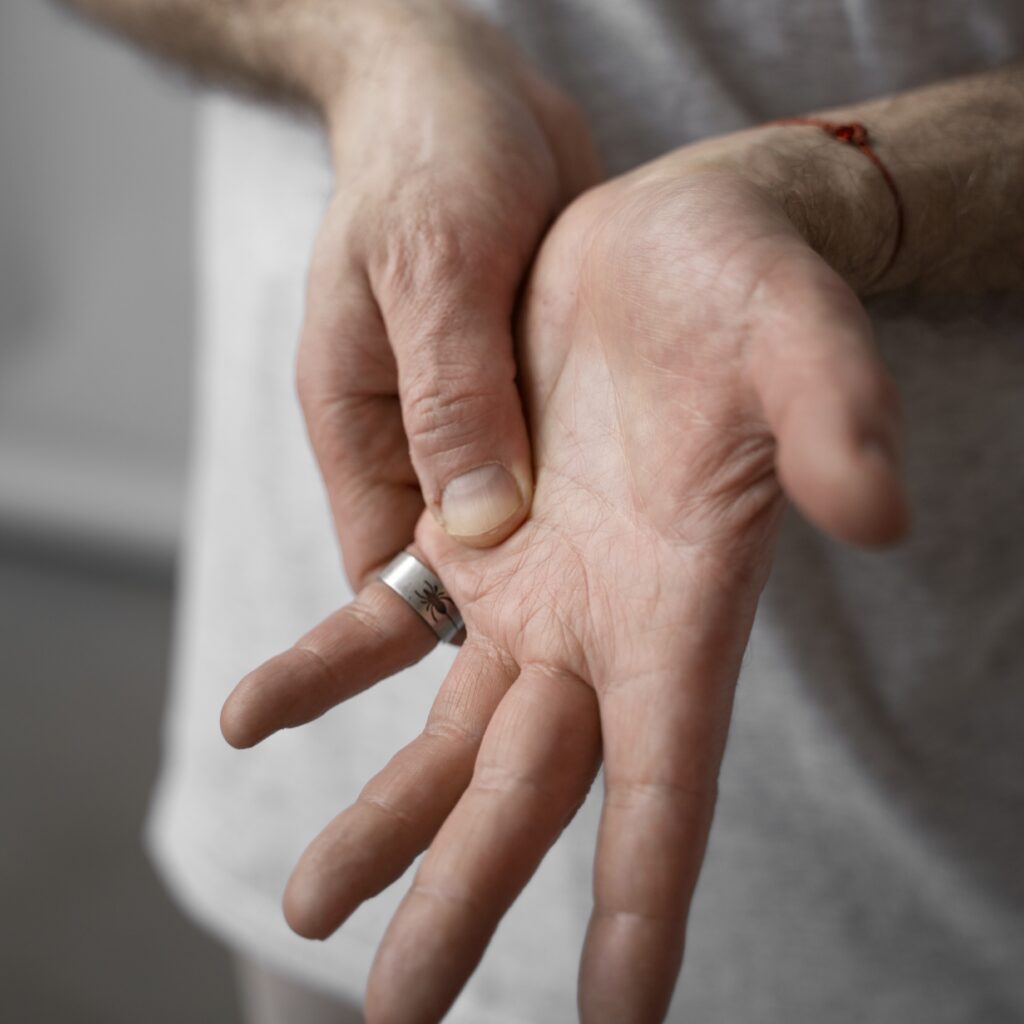
Navigating the road to recovery from an injury can be daunting, but incorporating trusted strategies can significantly aid your healing process. As a local chiropractor, I want to emphasize that recovery is not solely about physical healing; your mental strength is equally important. By embracing chiropractic care, which focuses on tailored rehabilitation techniques, proper nutrition, and a gradual return to physical activities, you can enhance your recovery journey.
So, what specific strategies can you adopt to ensure you're progressing effectively? Understanding how chiropractic adjustments can alleviate pain and promote healing is crucial. We also emphasize the importance of nutrition in supporting your body's recovery, providing the necessary fuel for healing. Moreover, we can develop a structured plan that guides you back to your favorite activities safely and effectively. By understanding and integrating these elements into your recovery, you can make a significant impact on your journey back to peak performance.
Understanding Your Injury
When you encounter an injury, understanding its nature is crucial for effective recovery, and as your local chiropractor, I'm here to guide you through this process. Every type of injury—whether it's a sprain, strain, fracture, or tendonitis—has its unique symptoms and healing timelines. By recognizing what you're dealing with, you can set realistic expectations for your recovery journey.
Take a moment to assess your injury; listen to your body. Are you experiencing pain, swelling, or limited mobility? Identifying these symptoms is the first step in determining the appropriate care.
It's important to seek a professional diagnosis, and that's where I come in. As a chiropractor, I can assess the severity of your injury and recommend a personalized recovery plan tailored to your needs. In some cases, I may suggest imaging tests to gain a clearer understanding of your condition, which can greatly inform our approach to your healing.
Once we've established the specifics of your injury, I encourage you to educate yourself about the recovery process. Research typical timelines and rehabilitation techniques, as this knowledge allows you to actively engage in your healing.
It's vital to avoid rushing back into activities too soon, as this can lead to re-injury or chronic issues.
Lastly, I recommend keeping track of your recovery progress. Documenting your journey can help you recognize patterns and understand when it's time to push yourself harder or ease off.
Importance of Physical Therapy
As a local chiropractor, I want to emphasize the crucial role physical therapy plays in your recovery journey.
After an injury, it's vital to enhance your mobility and flexibility—not just to regain strength but also to prevent future injuries. Engaging in a structured rehabilitation program can set the foundation for a stronger comeback.
Through chiropractic care and natural healing techniques, we can work together to restore your body's function and promote overall wellness.
Enhances Mobility and Flexibility
Enhancing mobility and flexibility is essential for anyone recovering from injuries, and as a local chiropractor, I want to share how chiropractic care can play a vital role in this process. Many of you may not be familiar with how chiropractic techniques can help improve your range of motion and promote healing.
When you come to see me, I'll conduct a thorough assessment of your condition to understand your specific needs. This allows me to create a personalized treatment plan that may include gentle adjustments, stretching, and strengthening exercises tailored to your injury.
During our sessions, you'll experience hands-on techniques aimed at restoring the flexibility of your muscles and joints. This not only aids in recovery but also helps alleviate stiffness, making it easier for you to engage in your daily activities.
With consistent practice of these movements, many patients report feeling more comfortable and agile in their everyday lives.
Incorporating mobility exercises into your routine can also significantly enhance your overall performance when you return to your favorite activities. You'll find that you can execute movements with greater efficiency, which is crucial for anyone looking to compete or stay active.
It's important to remember that having proper guidance during this rehabilitation process is key. With my expertise in chiropractic care, I'll ensure you're using the right techniques to help prevent re-injury and support your recovery journey.
Prevents Future Injuries
Injury prevention is crucial for anyone looking to maintain their physical health and avoid setbacks, especially for those who lead active lifestyles. As a local chiropractor, I want to emphasize how incorporating chiropractic care into your routine can significantly reduce the risk of future injuries.
A skilled chiropractor evaluates your spinal alignment and overall body mechanics, identifying any misalignments or imbalances that could predispose you to injury. By addressing these issues, we can help you build strength in vulnerable areas and enhance your overall stability.
Through specialized adjustments and tailored exercises, chiropractic care promotes proper movement patterns that ensure your body is functioning efficiently during daily activities or athletic endeavors. This proactive approach not only minimizes the chance of injuries but also contributes to improved physical performance.
Regular visits to a chiropractor keep you in tune with your body's needs and provide valuable insights on injury prevention strategies. You'll learn effective techniques for stretching, strengthening, and recovery that are specifically designed to support your unique lifestyle and activities.
Embracing chiropractic care is a natural and holistic way to safeguard your health and enhance your performance, helping you stay active and injury-free.
Nutritional Support for Recovery
As a local chiropractor, I want to emphasize the importance of proper nutritional support for those of you facing recovery challenges. Nutrition plays a vital role in healing and regaining strength, especially after physical activity or injury. Your body requires the right nutrients to repair tissues, reduce inflammation, and restore energy levels. Adopting a balanced diet that includes proteins, carbohydrates, healthy fats, vitamins, and minerals is essential for optimal recovery.
Let's start with protein. It's fundamental for muscle repair and growth. Incorporate lean meats, fish, dairy, legumes, and nuts into your meals. I recommend having protein-rich snacks throughout the day to support and maximize your recovery process.
Carbohydrates are just as crucial as they help replenish glycogen stores that get depleted during physical activity. Make sure to include whole grains, fruits, and vegetables in your diet. These foods not only provide energy but also supply the essential vitamins and minerals that bolster your immune system and overall health.
Healthy fats shouldn't be overlooked either. Incorporating sources like avocados, olive oil, and fatty fish can offer anti-inflammatory benefits that greatly aid in recovery. Omega-3 fatty acids, in particular, have been shown to reduce inflammation and promote healing, which is beneficial for your recovery journey.
Hydration is another key aspect to consider. Water is essential for all bodily functions, including the transport of nutrients and muscle recovery. I recommend aiming for at least 8-10 cups of water daily, but be sure to adjust this based on your activity level and the climate you're in.
Lastly, the timing of your meals can significantly impact your recovery. Consuming a blend of protein and carbohydrates within 30 minutes after a workout can enhance your recovery process.
Mental Resilience Training
Recovery isn't solely about physical rehabilitation; it also involves a significant mental component. As a chiropractor, I see firsthand how injuries can impact not just the body, but the mind as well. Developing mental resilience is crucial for navigating the challenges of recovery, helping you stay focused and motivated on your healing journey.
One of the first steps is to set realistic goals. I encourage my patients to break their recovery into smaller, manageable milestones. Celebrating each achievement, no matter how small, can reinforce your sense of progress and motivate you further.
Visualization techniques can also be incredibly effective. Imagine yourself returning to your daily activities or sports, feeling strong and capable. This mental imagery can enhance your confidence and keep you inspired during tougher times.
Another valuable strategy is to cultivate a habit of positive self-talk. It's important to replace any negative thoughts with affirmations that highlight your strengths and past accomplishments. Surrounding yourself with supportive friends, family, and healthcare providers is also beneficial. Their encouragement can significantly influence your mental state and bolster your recovery.
Incorporating mindfulness and relaxation techniques, such as meditation or deep breathing exercises, can further enhance your mental resilience. These practices are known to reduce anxiety and improve focus, allowing you to remain present and engaged rather than worrying about possible setbacks.
Lastly, it's essential to recognize that setbacks are a normal part of the recovery process. Embrace these moments as learning opportunities rather than failures.
Rest and Recovery Techniques
As a local chiropractor, I want to emphasize how effective rest and recovery techniques are essential for healing and preventing further injury. It's important for you to understand that your body needs time to repair and rejuvenate, especially if you've been physically active. Prioritizing rest allows your muscles, ligaments, and joints to recover from the stress of daily activities.
First, I recommend incorporating active rest days into your routine. Instead of remaining completely inactive, consider engaging in low-impact activities like walking or swimming. These activities promote blood circulation to any injured areas without placing too much strain on them. Remember to listen to your body; if you experience pain, it's important not to push through it.
Next, let's talk about the significance of sleep. Quality sleep plays a crucial role in recovery, as this is when your body works to repair tissues and release growth hormones. Aim for 7-9 hours of restful sleep each night, and try to maintain a consistent sleep schedule. Limiting screen time before bed and establishing a calming bedtime routine can greatly enhance your sleep quality.
Nutrition is another key factor you shouldn't overlook. Fueling your body with a balanced diet that includes plenty of proteins, vitamins, and minerals can speed up the healing process. Staying hydrated is equally important, as proper hydration supports overall recovery.
Lastly, I encourage you to explore relaxation techniques such as yoga or meditation. These practices can significantly reduce stress and improve your mental well-being, which in turn allows your body to focus more on healing.
Gradual Return to Activity
After focusing on rest and recovery, it's crucial to consider how to ease back into your regular activities safely. Jumping back in too quickly can lead to reinjury or setbacks, which is why a thoughtful approach is essential.
First, assess your current physical condition. I recommend consulting with a healthcare provider or a chiropractor to determine when it's safe for you to start resuming activities.
Start with low-impact exercises that won't strain your injury. For example, if you're recovering from a lower body injury, swimming or cycling can be great alternatives to running. These activities help maintain your fitness level while minimizing stress on your healing tissues. Pay close attention to your body; if you experience pain, it's a sign to slow down.
As you begin to feel more comfortable, gradually increase the intensity and duration of your workouts. This can include adding short intervals of higher-impact exercises while ensuring you maintain proper form.
Incorporating strength training is also important to rebuild any muscles that may have weakened during your recovery. Focus on exercises that target the injured area as well as the supporting muscle groups.
Don't overlook the importance of flexibility and mobility work in your routine. Stretching your muscles can help restore your range of motion and reduce the risk of future injuries.
Additionally, always allow for rest days to give your body time to adapt to the increased demands you're placing on it. Remember, a gradual return not only helps you regain your strength but also boosts your confidence as you move back into your sport.
As a chiropractor, I'm here to support you every step of the way on your journey to recovery and optimal health.
Monitoring Progress and Adjustments
As you begin to reintroduce physical activities into your routine, it's crucial to keep an eye on your progress to ensure you're moving in the right direction. Monitoring how your body responds to each session is key. Be aware of any pain, discomfort, or fatigue that might signal that you're overdoing it.
Balancing the urge to push your limits with the need to allow for proper recovery is essential for your overall well-being.
I recommend using a journal or a mobile app to log your workouts. Record details such as the duration of your activities, the intensity level, and how you feel afterward. This information can help you spot trends and make necessary adjustments.
For example, if you find that certain exercises lead to increased discomfort, it might be time to modify your technique or reduce the weight you're lifting.
Regular communication with your healthcare team, including your chiropractor, is vital as you navigate this journey. We can offer insights and suggestions tailored to your individual needs, helping you make any necessary modifications to your training plan.
Don't hesitate to ask questions or voice any concerns; working together will enhance your recovery process.
Setting short-term goals that align with your long-term objectives can also be beneficial. Achieving these smaller milestones can provide motivation and help you assess your recovery rate.
If you find yourself struggling to meet these targets, take the opportunity to reevaluate your approach.
Lastly, remember to stay flexible. If something isn't yielding the results you expected, don't hesitate to adjust your plan.
Recovery isn't always a straightforward path, and it's important to adapt your strategy based on how you're feeling. By closely monitoring your progress, you empower yourself to make informed decisions that support a safe and effective return to your full athletic capabilities.
Conclusion
Injury recovery can be challenging, but as a local chiropractor, I want to share some effective strategies to help you bounce back stronger. First, it's essential to gain a clear understanding of your injury. This knowledge is key to your healing process. Commitment to regular chiropractic adjustments can play a significant role in your recovery by promoting proper alignment and reducing pain.
Don't forget the importance of nutrition; fueling your body with the right foods can enhance your healing process. Additionally, mental resilience is crucial—set realistic goals for your recovery and view setbacks as opportunities to learn and grow.
Prioritizing rest is vital, but so is gradually reintroducing physical activity. Keeping track of your progress can help you stay motivated and see how far you've come. By staying proactive and maintaining open communication with your healthcare team, including your chiropractor, you can ensure a safe and effective recovery journey. Remember, natural healing methods can be a powerful ally in your path to recovery.