When it comes to spinal alignment, you might underestimate the impact of simple daily habits. By focusing on your posture, adjusting your workspace ergonomics, and incorporating core-strengthening exercises, you can greatly improve your spinal health. Regularly evaluating your alignment is just as essential, as it helps you catch potential issues before they escalate. You may be surprised by how small shifts in your routine can lead to profound changes. Curious about the specific techniques that can enhance your alignment and overall well-being? Let's explore some trusted methods together.
Understanding Spinal Alignment
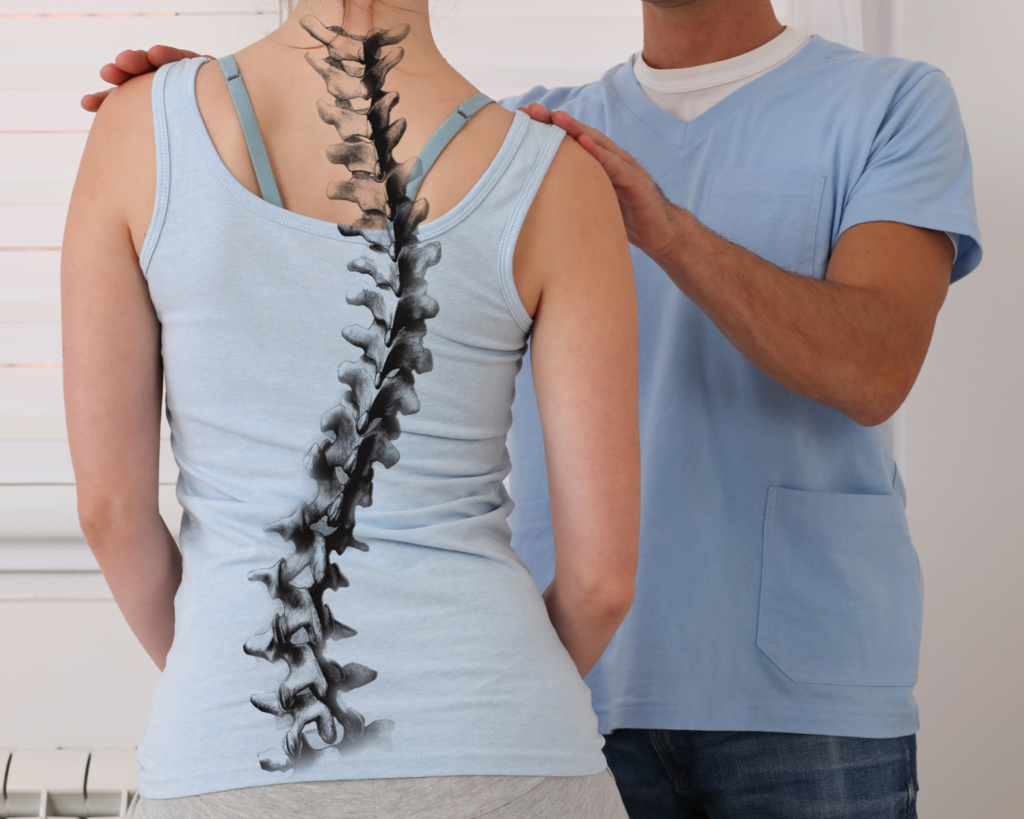
Spinal alignment is fundamental for overall health and well-being. When your spine is properly aligned, it supports your body's weight, allows for ideal movement, and protects your nervous system. You mightn't realize how important this alignment is until you experience discomfort or restricted mobility. Understanding spinal alignment helps you maintain a healthy spine and prevent future issues.
Your spine consists of three natural curves: cervical, thoracic, and lumbar. Each curve plays a critical role in distributing weight evenly and absorbing shock. If any of these curves are exaggerated or flattened, it can lead to pain, tension, and even long-term damage. You can assess your alignment by standing in front of a mirror, checking if your head, shoulders, and hips are aligned vertically.
Moreover, daily habits greatly influence your spinal alignment. Activities like sitting for long periods, improper lifting techniques, or sleeping in awkward positions can create misalignments. Be mindful of how you sit, stand, and sleep. For instance, using ergonomic furniture and maintaining a neutral spine while sitting can reduce strain.
Additionally, practicing core-strengthening exercises can provide stability to your spine. If you're experiencing discomfort, consider consulting a healthcare professional who specializes in spinal health. They can help you identify misalignments and suggest tailored exercises to improve your posture.
The Importance of Posture
Good posture isn't just about looking confident; it plays an important role in your overall health and well-being. When you maintain proper posture, you help align your spine, which reduces strain on your muscles and ligaments. This alignment allows your body to function effectively, making daily activities feel easier and more comfortable.
You mightn't realize it, but poor posture can lead to a variety of health issues, including back pain, neck pain, and even headaches. When you slouch or hunch over, you're placing undue stress on your spine, which can create tension that builds up over time. By focusing on your posture, you can alleviate these discomforts and enhance your quality of life.
Moreover, good posture improves your breathing and digestion. When you're sitting or standing up straight, your lungs have more room to expand, allowing you to take deeper breaths. Better oxygen flow benefits your brain function and energy levels, helping you stay alert throughout the day.
Additionally, proper alignment supports your digestive organs, aiding in better digestion and reducing the risk of gastrointestinal issues.
It's crucial to be mindful of your posture, whether you're sitting, standing, or walking. Regularly checking in with yourself can help you develop habits that support spinal health.
Ergonomic Workspace Setup
To maintain good spinal alignment, your workspace needs to be set up ergonomically.
Start by adjusting your chair height so your feet rest flat on the ground and your knees are at hip level.
Next, position your monitor at eye level to reduce neck strain and keep your posture in check.
Chair Height Adjustment
How can you assure your chair height promotes better posture and comfort during long hours of work?
Start by adjusting your chair so that your feet rest flat on the floor. This alignment helps maintain a neutral spine position, reducing strain on your lower back. If your feet don't reach the ground, consider using a footrest to support them.
Next, assure your knees are at a 90-degree angle or slightly lower than your hips. This setup encourages proper blood circulation and minimizes discomfort. When your knees are too high, it can lead to hip strain and overall fatigue.
Your chair should also allow you to sit back fully, with your back supported by the chair's lumbar support. Make sure the height of your chair allows your elbows to rest comfortably at your sides, forming another 90-degree angle when typing or using your mouse.
Lastly, don't forget to take breaks and stand up periodically. Even with the perfect chair height, prolonged sitting can lead to stiffness.
Monitor Positioning Techniques
Your monitor's positioning plays an essential role in maintaining spinal alignment and reducing eye strain during long hours of work. Start by placing your monitor at eye level. This means the top of the screen should be at or just below your eye line, so you don't have to tilt your head up or down.
Keeping the monitor about an arm's length away helps reduce strain on your eyes and neck. Next, angle the monitor slightly back, about 10 to 20 degrees. This helps you maintain a neutral head position while you work. Verify the screen's brightness matches your environment to avoid glare, which can lead to discomfort.
Adjust your seating position to align with your monitor. Your feet should rest flat on the ground, and your elbows should be at a 90-degree angle while typing. If you find yourself leaning forward, consider using a monitor stand to elevate your screen.
Finally, remember to take regular breaks. Every 20 minutes, look away from your screen for at least 20 seconds to reduce eye strain.
Daily Stretching Routines
Incorporating daily stretching routines into your regimen can greatly enhance spinal alignment and overall flexibility. Regular stretching not only helps relieve tension in your back but also promotes better posture. By dedicating just a few minutes each day to stretch, you can improve your spinal health and prevent discomfort.
Consider these key benefits of daily stretching:
- Increased flexibility: Regularly stretching muscles and ligaments improves your range of motion, making daily activities easier.
- Reduced muscle tension: Stretching alleviates tightness in the muscles surrounding your spine, promoting relaxation and comfort.
- Improved posture: Targeted stretches can help counteract the effects of prolonged sitting or poor posture, leading to better alignment.
- Enhanced blood circulation: Stretching increases blood flow to your muscles, helping with recovery and reducing stiffness.
To get started, try incorporating a few simple stretches into your daily routine. Focus on areas that directly affect your spine, such as your hamstrings, hip flexors, and back muscles. A gentle cat-cow stretch, seated forward bend, or child's pose can work wonders.
Remember to hold each stretch for at least 15-30 seconds, breathing deeply to maximize the benefits.
Make stretching a non-negotiable part of your day, whether you do it in the morning, during breaks, or before bed. By committing to these routines, you'll not only feel more flexible but also support your spinal alignment, paving the way for a healthier back.
Strengthening Core Muscles
Strengthening your core muscles is essential for maintaining proper spinal alignment and overall stability.
By incorporating effective core exercises into your routine, you can enhance your posture and reduce the risk of injury.
Let's explore daily core routines that can fit seamlessly into your lifestyle and boost your strength.
Importance of Core Strength
While many people focus on flexibility and cardio in their fitness routines, core strength plays an essential role in maintaining proper spinal alignment. A strong core supports your spine and helps prevent injuries.
When your core muscles are weak, your body compensates, leading to poor posture and misalignment. Strengthening these muscles can enhance your overall stability and improve your physical performance.
Consider these core benefits:
- Injury Prevention: A strong core reduces the risk of back injuries.
- Improved Posture: Core strength supports proper alignment, resulting in better posture.
- Enhanced Balance: A stable core contributes to your balance, making everyday activities easier.
- Greater Athletic Performance: Core strength is critical for executing movements effectively in sports and fitness.
Effective Core Exercises
How can you effectively strengthen your core muscles to enhance spinal alignment?
Start by incorporating exercises that target your abdominal, back, and pelvic muscles. Planks are a fantastic choice; they engage multiple muscle groups. Begin in a push-up position, resting on your forearms, and hold your body in a straight line for 20 to 30 seconds. Gradually increase the duration as your strength improves.
Another effective exercise is the dead bug. Lie on your back with your arms extended toward the ceiling and knees bent at 90 degrees. Lower one arm and the opposite leg toward the floor while keeping your back flat. Return to the starting position and switch sides. This movement helps improve coordination and strengthens your core.
Don't forget about bridges. Lie on your back with your knees bent and feet flat on the ground. Lift your hips toward the ceiling, squeezing your glutes at the top. Hold for a few seconds before lowering back down.
Incorporate these exercises into your routine, and you'll notice enhanced core strength, leading to better spinal alignment.
Daily Core Routines
Many people overlook the importance of daily core routines in maintaining a strong and stable midsection. By incorporating these routines into your daily life, you can enhance your spinal alignment and overall posture. A strong core supports your back, improves balance, and boosts athletic performance.
Here are some essential benefits of daily core routines:
- Increased Stability: A strong core helps stabilize your entire body, reducing the risk of injury.
- Better Posture: Strengthening your core muscles can lead to improved posture, alleviating strain on your spine.
- Enhanced Athletic Performance: Whether you're running, lifting, or playing sports, a strong core can enhance your performance.
- Reduced Back Pain: A balanced and strong core can help minimize discomfort and pain in the lower back.
To establish a daily routine, consider incorporating exercises like planks, bridges, and bicycle crunches. Aim for at least 10-15 minutes each day to reap the benefits.
Tips for Proper Lifting
Your back's health hinges on the way you lift objects, so mastering proper lifting techniques is crucial. When you need to pick something up, start by positioning yourself close to the item. This minimizes strain on your back and guarantees better control. Bend your knees, not your waist, and keep your feet shoulder-width apart for stability.
As you lower yourself, engage your core muscles. This helps protect your spine and provides extra support. When you're ready to lift, grasp the object firmly and keep it as close to your body as possible. The closer the load is to your center of gravity, the less strain you'll put on your back.
Lift with your legs, pushing through your heels rather than using your back. As you rise, keep your back straight and avoid twisting your torso. If you need to turn, pivot with your feet instead of twisting your upper body.
If the object is heavy or awkward, don't hesitate to ask for help. Teamwork can prevent injuries. Also, consider using tools like dollies or lifting straps for larger items.
Finally, when setting the object down, follow the same principles in reverse. Bend your knees, keep your back straight, and lower the item slowly.
Benefits of Regular Exercise
Engaging in regular exercise offers numerous benefits that extend far beyond just physical fitness. When you prioritize movement in your daily routine, you're not only enhancing your body's strength and endurance but also supporting your overall well-being.
Here are some key advantages you can enjoy by staying active:
- Improved Posture: Regular exercise strengthens your core muscles, which play an essential role in maintaining proper spinal alignment.
- Enhanced Flexibility: Engaging in activities like stretching or yoga increases your flexibility, reducing the risk of injuries and improving your range of motion.
- Stress Relief: Physical activity releases endorphins, helping to alleviate stress and anxiety while boosting your mood.
- Better Sleep Quality: Consistent exercise can enhance your sleep patterns, allowing you to feel more rested and rejuvenated.
You might notice that as you incorporate more movement into your life, your energy levels increase, making it easier to tackle daily tasks.
Exercise also promotes better circulation, which is critical for nourishing your spinal discs and keeping them healthy.
While working out, you're also actively engaging your mind, fostering a sense of connection between your body and your thoughts. This heightened awareness can lead to conscious adjustments in your posture throughout the day.
Ultimately, the benefits of regular exercise are profound, empowering you to live a healthier, more balanced life. So, lace up those shoes and get moving—your spine will thank you!
Mindfulness and Body Awareness
While practicing mindfulness may seem like a simple concept, it plays an indispensable role in enhancing body awareness and fostering better spinal alignment. By being present in the moment, you can develop a deeper understanding of your body's posture, movements, and any discomfort you might be experiencing. This awareness allows you to make adjustments in real-time, promoting a healthier spine.
Start by incorporating mindfulness into your daily routine. Whether you're sitting at your desk, walking, or even exercising, take a moment to focus on how your body feels. Pay attention to the alignment of your spine, the position of your shoulders, and the tension in your neck. Notice if you're slouching or if your hips are misaligned. By tuning into these sensations, you can identify habits that may contribute to poor spinal health.
Breathing exercises can also enhance your mindfulness practice. Deep, intentional breaths help you connect with your body, allowing you to release any tension that may be affecting your spine. As you breathe in, visualize lengthening your spine; as you breathe out, imagine releasing any tightness.
Finally, consider integrating mindful movement practices, such as yoga or tai chi, into your routine. These activities encourage body awareness while promoting flexibility and strength, both vital for maintaining spinal alignment.
When to Seek Professional Help
Recognizing when to seek professional help for spinal issues is an important part of maintaining overall health. You might think you can manage discomfort on your own, but some signs indicate it's time to consult a professional. Ignoring these signals could lead to more severe problems down the line.
Consider reaching out for help if you experience:
- Chronic Pain: If your pain lasts longer than a few weeks or interferes with daily activities.
- Numbness or Tingling: Any persistent sensations in your arms or legs can signal nerve issues that need attention.
- Loss of Mobility: If you find it difficult to move or bend without pain, don't hesitate to seek guidance.
- Posture Changes: Noticeable shifts in your posture, like a hunch or misalignment, should prompt a professional assessment.
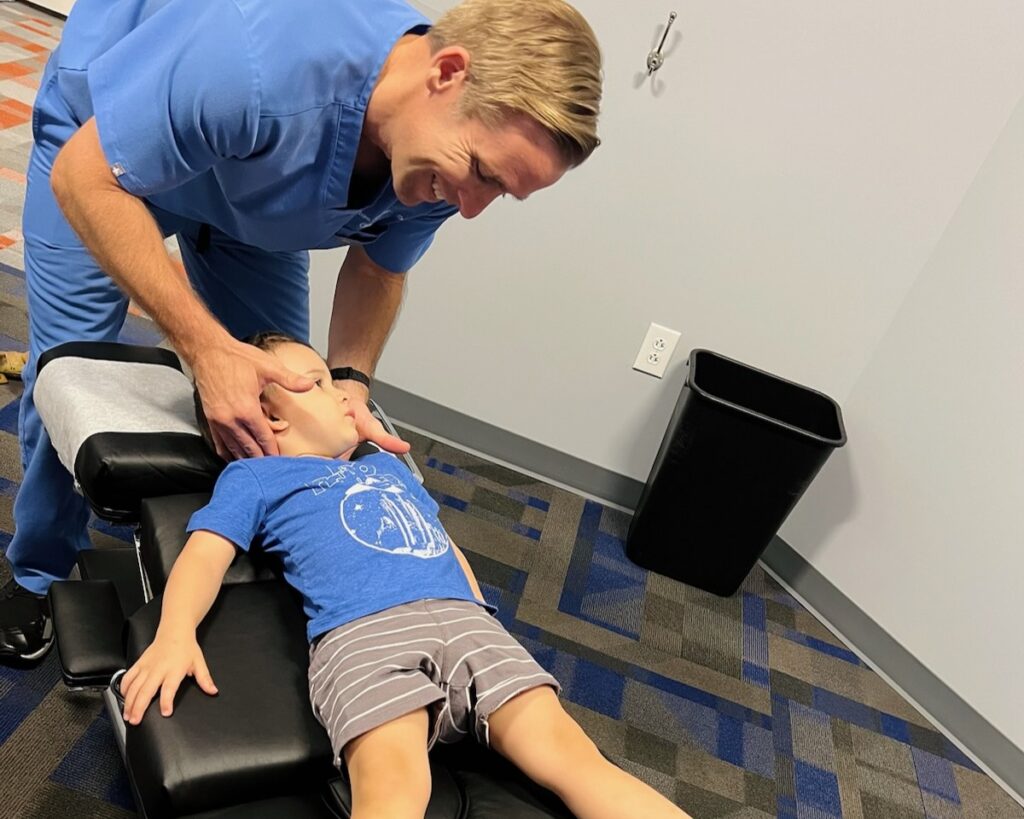
A healthcare provider can help identify the root cause of your discomfort and recommend appropriate treatments, which might include physical therapy, chiropractic care, or medical intervention.
Early intervention can prevent chronic issues and improve your quality of life.
Conclusion
Incorporating these trusted techniques into your daily routine can greatly improve your spinal alignment and overall well-being. By focusing on proper posture, creating an ergonomic workspace, and engaging in core-strengthening exercises, you'll set yourself up for success. Don't forget the importance of daily stretching and mindful awareness of your body. If you notice persistent discomfort or misalignment, don't hesitate to seek professional help. Your spine deserves the best care, so take action today for a healthier tomorrow!