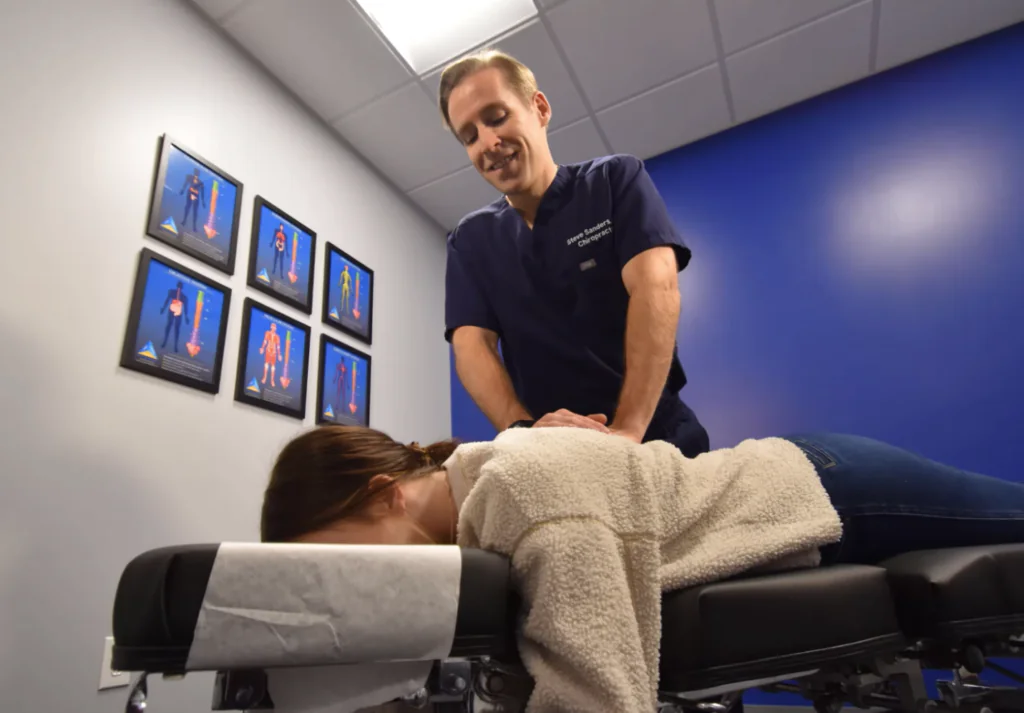
As a local chiropractor, I understand that neck injuries can be incredibly challenging to navigate. It's crucial to find effective methods to manage pain and facilitate healing, and you may be surprised at how simple techniques can significantly aid in your recovery. By incorporating gentle stretching, heat therapy, and mindfulness practices into your daily routine, you can greatly enhance your overall well-being.
It's important to recognize that these techniques are not just quick fixes; they require an understanding of how to apply them properly for optimal results. That's why I want to share with you five soft techniques that can transform your approach to neck recovery. By embracing these methods, you can take an active role in your healing process and improve your quality of life. Remember, chiropractic care focuses on natural healing, and together, we can work towards alleviating your discomfort and promoting a healthier neck.
Gentle Stretching Exercises
As a local chiropractor, I want to emphasize the importance of gentle stretching exercises in your recovery from neck injuries. These stretches aren't just beneficial; they're essential for maintaining flexibility and reducing stiffness, both of which play a crucial role in the healing process.
It's important to start with simple movements to avoid further strain on your neck.
Begin by finding a comfortable seated or standing position. Slowly tilt your head to the right, bringing your ear toward your shoulder. Hold this position for about 15-30 seconds, and focus on feeling a gentle stretch on the left side of your neck. After that, return to the center and repeat the stretch on the left side. This side-to-side motion is particularly effective in relieving tension and enhancing mobility in your neck.
Next, let's incorporate a forward and backward tilt. Gently lower your chin toward your chest, holding for 15-30 seconds. This particular stretch targets the muscles in the back of your neck, which can often be tight after an injury.
After you've completed this stretch, lift your head back to a neutral position and then slowly tilt it backward, looking up at the ceiling. Hold this position for another 15-30 seconds while ensuring you stay within your comfort zone.
Finally, let's add some shoulder rolls into your routine. Sit up straight and roll your shoulders forward in a circular motion for 10 repetitions, then reverse the direction. This exercise is excellent for alleviating tension not just in your neck but also in your shoulders.
Incorporating these gentle stretches into your daily routine can greatly contribute to your recovery and overall well-being. Always listen to your body and consult with me if you have any concerns about your movements or recovery process.
Heat Therapy
As a local chiropractor dedicated to helping you achieve optimal health and wellness, I want to share the benefits of heat therapy, especially for those dealing with neck injuries.
Heat therapy is a powerful tool for alleviating pain and promoting healing by increasing blood flow to the affected area, relaxing tense muscles, and reducing stiffness.
Here are some tips on how to effectively incorporate heat therapy into your healing journey:
- Select Your Heat Source Wisely: You can choose between dry heat—like a heating pad—or moist heat, such as a warm towel. Moist heat can provide deeper penetration and often feels more soothing, while dry heat is convenient and easy to manage. Experiment with both to find what works best for you.
- Apply Heat for the Right Amount of Time: For optimal results, aim to use heat for 15 to 20 minutes. This duration allows the warmth to penetrate the muscle tissue adequately without the risk of burns or irritation. Always listen to your body; if you experience any discomfort, remove the heat source right away.
- Timing is Crucial: It's best to use heat therapy when you're feeling muscle tightness or stiffness. However, please avoid applying heat immediately after an injury or during periods of inflammation. In these situations, cold therapy is more effective for reducing swelling.
Incorporating heat therapy into your recovery plan can significantly enhance your comfort and promote healing.
Massage Techniques
As a local chiropractor, I want to share how massage techniques can significantly support your recovery from neck injuries. While heat therapy is beneficial, incorporating massage can further enhance healing by relieving pain, promoting relaxation, and improving blood circulation in the affected areas.
To begin, I recommend starting with gentle strokes using your fingertips to apply light pressure to your neck muscles. This approach helps to ease tension and increases blood flow, which is crucial for recovery. You can also use your palms to create circular motions around any sore spots; this technique is effective in breaking up muscle knots and alleviating discomfort.
As you become more comfortable with the process, you can gradually increase the pressure, but always pay attention to your body's signals. If you experience any pain, it's essential to ease off a bit.
Kneading motions can be another effective technique. By using your thumbs to press into the muscle tissue, alternating between squeezing and releasing, you can help release built-up tension and promote healing. It's also vital to include the shoulders in your massage routine since they often hold stress that can negatively impact the neck.
To enhance your massage experience, consider using a massage oil or lotion. This will reduce friction on your skin and make the process more enjoyable. Additionally, incorporating essential oils like lavender or peppermint can provide extra relaxation benefits.
Lastly, I highly encourage you to schedule a session with a professional massage therapist who specializes in neck injuries. Their expertise allows them to provide targeted techniques and tailor their approach to meet your specific needs.
Posture Awareness
As a local chiropractor, I want to emphasize the importance of maintaining good posture for both preventing and recovering from neck injuries. Improper alignment can significantly worsen pain and tension in the neck area. By fostering an awareness of your posture, you can alleviate strain on your neck and support the healing process.
Here are three essential aspects to concentrate on for improved posture:
- Head Alignment: It's crucial to ensure that your head is positioned directly over your shoulders. Avoid pushing your chin forward, as this can place undue stress on your neck. Visualize a straight line extending from your ears to your shoulders to help maintain this alignment.
- Shoulder Position: Relax your shoulders and keep them back, steering clear of a hunched posture. Whether you're sitting or standing, imagine a gentle string pulling your shoulders down and back. This will help create a natural curve in your upper back, promoting better posture.
- Spinal Support: Regardless of whether you're sitting or standing, it's vital to maintain the natural curves of your spine. If you're working at a desk, choose a chair that offers adequate support for your lower back and allows your feet to rest flat on the ground. Proper alignment aids in evenly distributing your weight and diminishes stress on your neck.
By incorporating these posture tips into your daily routine, you can take proactive steps toward better neck health and overall well-being.
Mindfulness and Relaxation
As your local chiropractor, I want to emphasize the importance of incorporating mindfulness and relaxation techniques into your daily routine, especially if you're recovering from neck injuries. These practices can significantly enhance your healing process by helping you manage stress, reduce muscle tension, and promote your overall well-being—all of which are crucial for recovery.
I recommend starting with just a few minutes of mindfulness meditation each day. Find a quiet spot where you can sit comfortably and focus on your breath. As you breathe in and out, pay special attention to the sensations in your neck. Acknowledge any tightness or discomfort without judgment. This awareness allows you to recognize pain and release tension, fostering a deeper sense of calm.
Another effective technique is progressive muscle relaxation. You can do this by lying down in a comfortable position and systematically tensing and then relaxing each muscle group, beginning with your toes and working your way up to your neck and shoulders. This method not only alleviates physical tension but also encourages mental relaxation, making you feel more at ease.
In addition, I encourage you to include gentle yoga or stretching in your routine. These activities are excellent for promoting flexibility and improving circulation, both of which can aid in your recovery. Focus on poses that gently stretch your neck and shoulders while maintaining a mindful approach. Pay attention to how your body feels during each movement; this connection is vital for healing.
Lastly, never underestimate the power of deep breathing. Whenever you notice tension building in your neck, take a moment to breathe deeply—inhale through your nose and exhale through your mouth. This simple practice can help you stay grounded and centered throughout your recovery journey.
Conclusion
As a local chiropractor, I want to share with you five soft techniques that can significantly aid in your recovery from neck injuries. By integrating these methods into your routine, you can actively support your healing journey.
First, consider gentle stretching. This can help alleviate tension in the neck muscles, promoting better flexibility. Next, heat therapy can be a soothing way to relax tight areas, improving blood flow and reducing discomfort. Additionally, massage is an excellent technique for relieving muscle tension and enhancing relaxation.
Maintaining proper posture is crucial as it minimizes strain on your neck throughout your daily activities. I encourage you to be mindful of your posture, especially if you spend long hours at a desk or using electronic devices.
Don't overlook the power of mindfulness and relaxation techniques. These practices not only help reduce stress but also contribute to your overall well-being, which is essential for recovery.
I encourage you to embrace these practices consistently. Take your time, listen to your body, and remember that recovery is a journey. With dedication to these soft techniques, you can work towards a healthier, more flexible neck.