If you’ve ever stood up from your desk or gotten out of the car after a long drive only to feel a sharp, stabbing pain in your lower back, you’re not alone. Sitting is one of the most common triggers for back pain — and for many people in Fort Worth, it’s getting worse. Whether you work from home, commute daily, or spend hours at a computer, that persistent ache after sitting can interfere with your day, your mood, and your quality of life. The good news? Understanding why sitting aggravates your back pain is the first step toward finding real, lasting relief.
In this article, we’ll break down the biomechanics of sitting, explain what’s really happening to your spine when you’re parked in a chair for hours, and share practical, effective strategies that can help. As a chiropractor here in Fort Worth, I see patients every week who are frustrated by back pain that seems to come out of nowhere — or gets noticeably worse after sitting. Let’s explore why that happens and what you can do about it.
Why does sitting make back pain worse? Sitting increases pressure on the lumbar spine by up to 40% compared to standing, compresses spinal discs, weakens core muscles, and encourages poor posture — all of which contribute to pain, stiffness, and discomfort in the lower back.
Table of Contents
- What Happens to Your Spine When You Sit
- Common Reasons Sitting Worsens Back Pain
- The Role of Posture and Muscle Imbalance
- How Chiropractic Care Helps Address Sitting-Related Back Pain
- Practical Tips to Reduce Pain While Sitting
- When to See a Chiropractor
- Sitting vs. Standing: A Comparison
- Myths vs. Facts About Sitting and Back Pain
- Final Thoughts
What Happens to Your Spine When You Sit
Your spine is designed to move. It’s a complex structure made up of vertebrae, discs, ligaments, muscles, and nerves — all working together to support your body weight, absorb shock, and allow for a wide range of motion. When you’re standing or walking, your spine maintains its natural curves: a slight inward curve in the lower back (lumbar lordosis), an outward curve in the mid-back (thoracic kyphosis), and another inward curve in the neck (cervical lordosis). These curves distribute weight evenly and help your spine function efficiently.
But when you sit, especially for extended periods, those natural curves flatten or reverse. The pelvis tilts backward, the lumbar curve decreases, and the discs in your lower back are compressed unevenly. Research suggests that sitting increases pressure on the lumbar discs by approximately 40% compared to standing. That’s a significant load on structures that are already vulnerable to wear and tear.
Over time, this sustained pressure can lead to disc degeneration, irritation of surrounding nerves, and chronic inflammation in the muscles and ligaments that support the spine. Add poor posture, slouching, or leaning forward into the mix, and the strain intensifies. Your body tries to compensate by tightening muscles in the hips, glutes, and lower back — which only makes the pain worse.
Common Reasons Sitting Worsens Back Pain
There are several interconnected factors that explain why sitting triggers or worsens back pain. Understanding these reasons can help you identify what’s happening in your own body.
Increased Disc Pressure
As mentioned, sitting compresses the intervertebral discs more than standing or lying down. The discs act as cushions between your vertebrae, absorbing shock and allowing movement. When you sit, especially in a slouched position, the pressure on the front of the disc increases while the back side is stretched. Over time, this can contribute to disc bulging, herniation, or degenerative changes.
Loss of the Lumbar Curve
Sitting flattens the natural inward curve of your lower back. This loss of lordosis shifts weight distribution and places uneven stress on the vertebrae and discs. Without that curve, the spine loses some of its shock-absorbing ability, making it more susceptible to pain and injury.
Muscle Weakness and Imbalance
When you sit for long periods, certain muscles become inactive while others are forced to overwork. The hip flexors shorten and tighten, the glutes weaken, and the core muscles lose their ability to stabilize the spine. This imbalance creates a vicious cycle: weak muscles can’t support the spine properly, which leads to more strain, more pain, and more compensatory patterns.
Reduced Blood Flow and Oxygen
Sitting restricts circulation to the muscles and soft tissues around the spine. With less blood flow, muscles receive less oxygen and nutrients, which can lead to stiffness, fatigue, and delayed healing. This is one reason why you might feel stiff or achy after sitting for just an hour or two.
Poor Ergonomics
Many people sit in chairs that don’t support the spine’s natural alignment. Whether it’s a kitchen chair, a car seat, or an office chair without lumbar support, poor ergonomics force the body into awkward positions that strain the back. Feet that don’t touch the floor, monitors that are too low, and keyboards that are too far away all contribute to postural stress.
The Role of Posture and Muscle Imbalance
Posture plays a central role in how sitting affects your back. When you sit upright with your shoulders back, chest open, and lower back supported, your spine maintains its natural curves and distributes weight evenly. But most of us don’t sit like that for very long. We slouch, lean forward, cross our legs, or twist to one side — often without realizing it.
Forward head posture is one of the most common postural problems I see at Cityview Chiropractic. For every inch your head moves forward, it adds about 10 pounds of extra weight to the muscles and structures in your neck and upper back. Over time, this forward lean creates tension that radiates down into the mid and lower back.
Muscle imbalance is closely tied to posture. When certain muscles are constantly shortened (like the hip flexors and chest muscles), and others are constantly lengthened (like the glutes and upper back muscles), the body loses its ability to maintain proper alignment. This imbalance not only contributes to pain but also makes you more vulnerable to injury during everyday activities.
Here in Fort Worth, many of my patients work desk jobs, drive long distances, or spend hours on their laptops. They often develop a pattern called “lower cross syndrome,” where tight hip flexors and lower back muscles pair with weak abdominals and glutes. This pattern is a major contributor to chronic lower back pain that gets worse with sitting.
How Chiropractic Care Helps Address Sitting-Related Back Pain
Chiropractic care offers a non-invasive, drug-free approach to addressing the root causes of sitting-related back pain. At Cityview Chiropractic, we focus on restoring proper spinal alignment, improving joint mobility, and supporting the muscles and soft tissues that stabilize the spine.
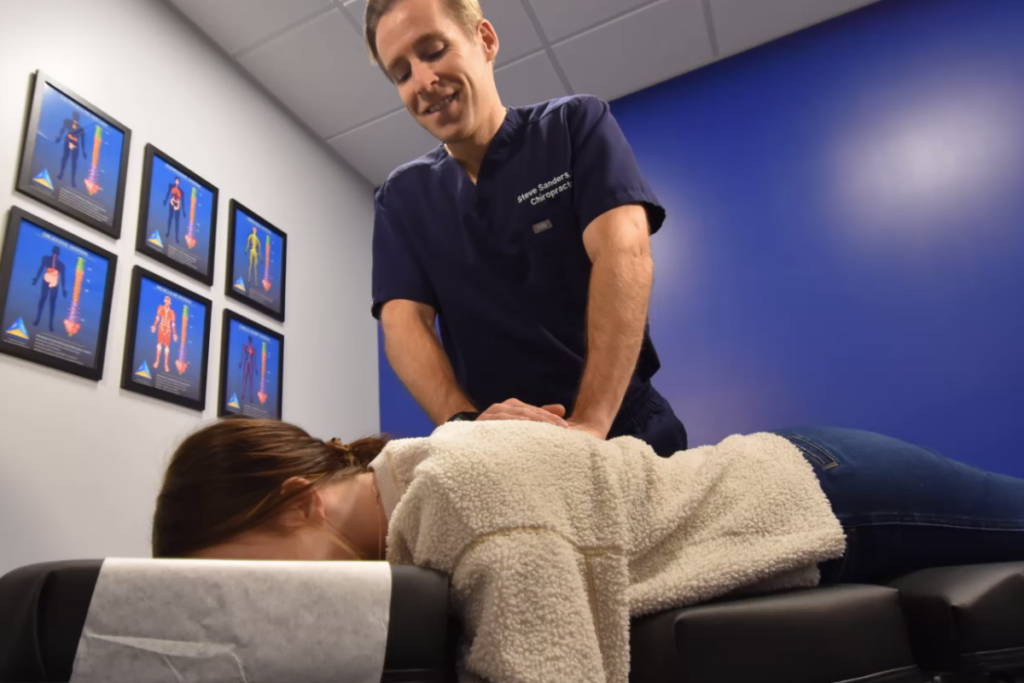
Chiropractic adjustments help reduce joint restrictions and misalignments in the spine and pelvis. When vertebrae aren’t moving properly, it can create pain, inflammation, and nerve irritation. Adjustments restore normal motion, reduce pressure on the discs, and help the nervous system function more efficiently. Many patients report feeling immediate relief after an adjustment, along with improved range of motion and reduced stiffness.
But adjustments are just one part of the picture. We also use soft tissue techniques, therapeutic exercises, and ergonomic coaching to address muscle imbalances and postural issues. Strengthening the core, stretching tight hip flexors, and activating weak glutes all play a role in long-term relief and prevention.
Chiropractic care is individualized. What works for one person may not work for another, which is why we take time to assess your specific movement patterns, lifestyle habits, and pain triggers. The goal isn’t just to get you out of pain — it’s to help you stay out of pain and move through your day with confidence.
Practical Tips to Reduce Pain While Sitting
While chiropractic care can address the underlying issues, there are also practical steps you can take right now to reduce the strain that sitting places on your back. These tips are based on sound biomechanics and have helped countless patients here in Fort Worth find relief.
Set Up Your Workspace Properly
Your chair should support the natural curve of your lower back. If your office chair doesn’t have built-in lumbar support, use a small rolled towel or cushion. Your feet should rest flat on the floor, and your knees should be at or slightly below hip level. Your monitor should be at eye level so you’re not constantly looking down or craning your neck forward.
Take Frequent Movement Breaks
Aim to stand up and move every 30 to 45 minutes. Even a short walk around the office, a few stretches, or simply standing for a minute or two can reduce disc pressure and improve circulation. Set a timer on your phone if you need a reminder.
Practice Microbreaks for Posture
Throughout the day, check in with your posture. Roll your shoulders back, lift your chest, and gently engage your core. These microbreaks take just a few seconds but can make a big difference in reducing cumulative strain.
Stretch Your Hip Flexors
Tight hip flexors are a common culprit in sitting-related back pain. A simple standing lunge stretch or kneeling hip flexor stretch can help. Hold each stretch for 20 to 30 seconds and repeat a few times throughout the day.
Strengthen Your Core and Glutes
Weak core and glute muscles can’t support your spine effectively. Simple exercises like bridges, planks, and bird dogs can help build strength and stability. You don’t need a gym membership — just a few minutes a day can make a noticeable difference.
Use a Sit-Stand Desk
If possible, alternate between sitting and standing throughout the day. A sit-stand desk allows you to change positions without losing productivity. Start with short standing intervals and gradually increase the time as your body adapts.
Adjust Your Car Seat
If you commute or drive frequently, make sure your car seat supports your lower back. Move the seat close enough to the pedals so your knees are slightly bent, and adjust the backrest to maintain your lumbar curve. A lumbar roll or cushion can help here, too.
When to See a Chiropractor
Not all back pain requires professional care, but certain signs indicate it’s time to seek help. If your back pain is persistent — lasting more than a few days despite rest and self-care — it’s worth getting evaluated. Pain that’s getting progressively worse, spreading into the legs, or accompanied by numbness, tingling, or weakness should never be ignored.
You should also see a chiropractor if your pain is interfering with daily activities like working, sleeping, or exercising. Back pain that flares up every time you sit, even after making ergonomic changes, suggests an underlying issue that needs attention.
At Cityview Chiropractic, we encourage patients in Fort Worth to come in sooner rather than later. Early intervention often leads to faster recovery and helps prevent chronic issues from developing. A thorough evaluation can identify joint restrictions, muscle imbalances, and movement dysfunctions that are contributing to your pain.
Red flags that warrant immediate medical evaluation include loss of bowel or bladder control, sudden severe back pain after trauma, unexplained weight loss, fever, or pain that doesn’t improve with rest. These symptoms may indicate a more serious condition that requires urgent care.
Sitting vs. Standing: A Comparison
| Factor | Sitting | Standing |
|---|---|---|
| Disc Pressure | Up to 40% higher than standing | Lower pressure, more evenly distributed |
| Lumbar Curve | Flattened or reversed | Maintains natural lordosis |
| Muscle Activation | Core and glutes largely inactive | Core, glutes, and legs engaged |
| Blood Flow | Reduced circulation to muscles | Improved circulation and oxygen delivery |
| Risk of Stiffness | High, especially after prolonged sitting | Lower risk, but can cause fatigue |
| Best Use | Short intervals with good posture | Alternating with sitting throughout the day |
Myths vs. Facts About Sitting and Back Pain
Myth: Sitting is fine as long as you have good posture
Fact: Even with perfect posture, prolonged sitting increases disc pressure and reduces muscle activity. The human body is designed to move, not stay static for hours. Good posture helps, but movement breaks are essential.
Myth: You just need a better chair to fix back pain
Fact: While ergonomic chairs can help, they’re not a cure-all. Muscle imbalances, joint restrictions, and movement patterns also play a major role. A supportive chair should be part of a broader strategy that includes exercise, stretching, and professional care when needed.
Myth: Back pain from sitting will go away on its own
Fact: Some mild discomfort may resolve with rest and movement, but chronic or worsening pain often indicates an underlying issue that requires attention. Ignoring the problem can lead to long-term dysfunction and more serious complications.
Myth: Chiropractic care is only for acute injuries
Fact: Chiropractic care is highly effective for managing chronic conditions like sitting-related back pain. It addresses the root causes — joint dysfunction, muscle imbalance, and postural stress — rather than just masking symptoms.
Myth: You should avoid all sitting if you have back pain
Fact: Complete avoidance isn’t realistic or necessary. The key is to sit with proper support, take frequent breaks, and balance sitting with movement and strengthening exercises. Quality of sitting matters more than eliminating it entirely.
Final Thoughts
Back pain that gets worse after sitting is more than just a minor annoyance — it’s a signal that something in your body needs attention. Whether it’s increased disc pressure, muscle imbalance, poor posture, or a combination of factors, understanding the root cause is the first step toward lasting relief.
Here at Cityview Chiropractic in Fort Worth, we’re committed to helping you move better, feel better, and live without the constant burden of back pain. Chiropractic care, combined with smart ergonomic choices and a proactive approach to movement and strength, can make a real difference in your quality of life.
If you’re tired of dealing with back pain every time you sit down — or if you’ve tried everything and nothing seems to help — we’re here for you. You don’t have to live with the pain. Let’s work together to get you back to doing the things you love, pain-free.
Frequently Asked Questions
Why does my lower back hurt more when I sit than when I stand?
Sitting increases pressure on the lumbar discs by up to 40% compared to standing, flattens the natural curve of the lower back, and reduces muscle activation. This combination creates more strain on the spine and surrounding structures, leading to pain and stiffness.
Can chiropractic adjustments help with pain caused by sitting?
Yes. Chiropractic adjustments restore proper joint movement, reduce nerve irritation, and help relieve pressure on the discs. Combined with exercises and ergonomic guidance, adjustments can address both the symptoms and underlying causes of sitting-related back pain.
How often should I take breaks from sitting to prevent back pain?
Aim to stand up and move every 30 to 45 minutes. Even short movement breaks — a quick walk, stretching, or simply standing for a minute — can reduce disc pressure, improve circulation, and prevent stiffness from building up.
Is a standing desk better than sitting all day?
Alternating between sitting and standing is ideal. Prolonged standing can also cause fatigue and discomfort. A sit-stand desk allows you to change positions throughout the day, which supports better spinal health and reduces the risk of pain.
What kind of chair is best for back pain?
Look for a chair with adjustable lumbar support, a seat height that allows your feet to rest flat on the floor, and a backrest that supports your natural spinal curves. A chair alone won’t solve the problem, but proper support can reduce strain significantly.
When should I see a chiropractor for back pain from sitting?
If your pain persists for more than a few days, worsens over time, or interferes with daily activities like work or sleep, it’s time to get evaluated. Early intervention can prevent chronic issues and help you recover faster.
TL;DR: Key Takeaways
- Sitting increases disc pressure by up to 40%, flattens the lumbar curve, and weakens core and glute muscles, all of which contribute to back pain.
- Poor posture, muscle imbalances, and prolonged sitting create a cycle of pain and stiffness that can become chronic if left unaddressed.
- Chiropractic care at Cityview Chiropractic in Fort Worth helps restore spinal alignment, improve joint mobility, and address the root causes of sitting-related pain.
- Practical steps like taking movement breaks, improving ergonomics, stretching hip flexors, and strengthening the core can significantly reduce pain.
- If pain persists, worsens, or affects your daily life, seeking professional chiropractic evaluation can help you find lasting relief and prevent future problems.