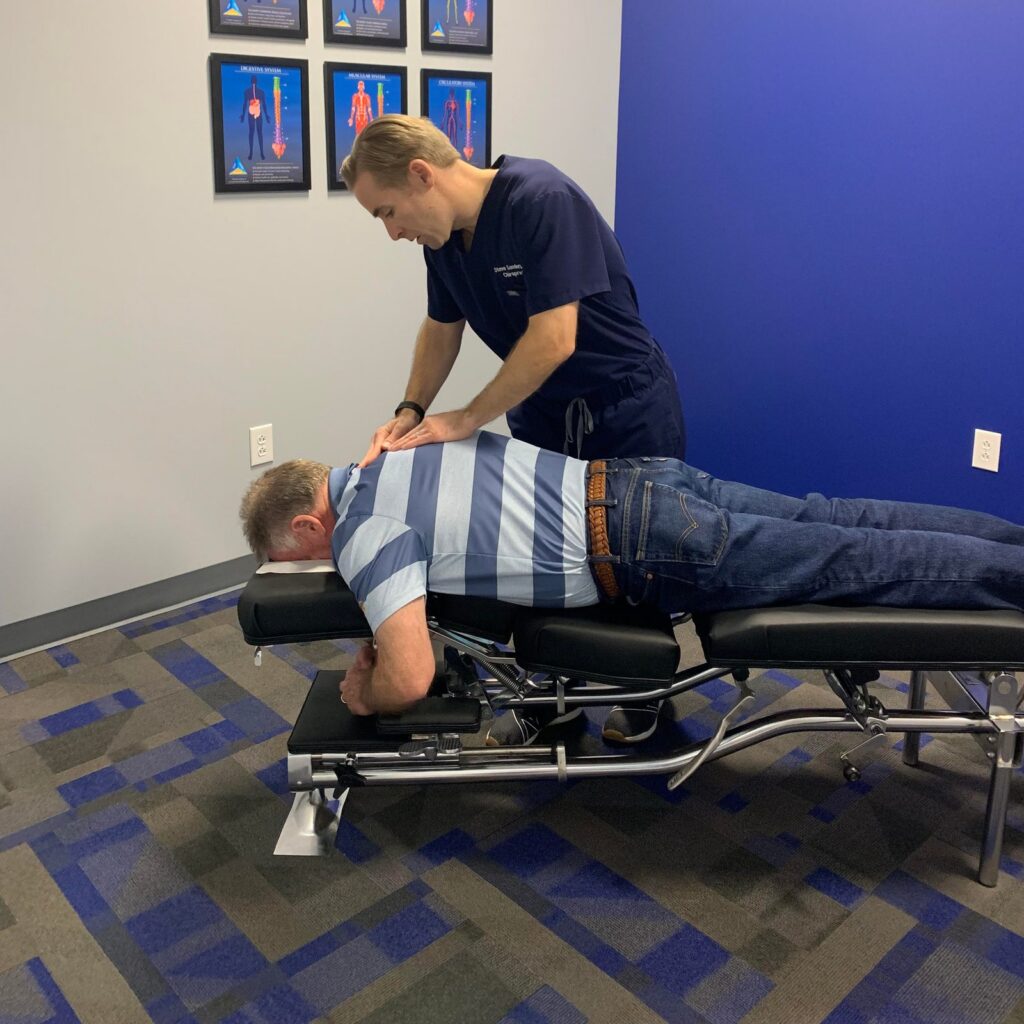
As a local chiropractor dedicated to the well-being of your little ones, I want to emphasize the importance of adopting effective safety techniques for infants and toddlers. While we often focus on physical health, ensuring a safe environment is equally crucial for their overall development. From fostering a safe sleep space to being aware of potential choking hazards, understanding these practices is essential for every caregiver.
You may already be familiar with the basics, but there are subtle nuances that can significantly enhance your child's safety and health. For example, have you thought about how your home environment can impact your child's physical well-being? By creating a safe space, we can support their natural growth and development.
Let's delve into these seven essential techniques that not only promote physical safety but also encourage a holistic approach to pediatric care. By integrating chiropractic principles with these safety practices, you can ensure your child thrives in a nurturing and healthy environment, giving you peace of mind as a caregiver.
Baby-Proofing Your Home
When it comes to creating a safe environment for your little one, as a chiropractor, I want to emphasize the importance of being proactive—not just in safety, but also in maintaining a healthy environment that supports your child's development.
Just as we assess the spine for alignment and potential issues, you should evaluate your home for hazards that could lead to accidents. Start by getting down on your hands and knees to view your space from your baby's perspective. This approach not only helps you identify sharp edges and choking hazards, but it also allows you to consider how your child's movements might affect their developing spine.
Look for anything that could cause a fall or injury, as these can lead to misalignments that may require chiropractic care. Secure heavy furniture to the walls to prevent tipping, similar to how we stabilize the body to prevent injury. Use corner guards on tables and other sharp furniture edges, just as we recommend protective gear for active lifestyles.
Ensure that all heavy items, like televisions, are stable and out of reach—this applies to both physical objects and the way we support our children's posture as they grow. Safety gates are essential at the top and bottom of stairs to prevent falls, which can exacerbate spinal issues.
Likewise, keeping doors closed or using doorknob covers can help maintain a safe environment, much like how we encourage maintaining good posture and body mechanics to prevent injury. In the kitchen, store cleaning supplies and sharp utensils in locked cabinets. This is akin to removing physical stressors that can lead to discomfort in the body.
Don't underestimate the importance of outlet covers; protecting those curious little fingers is similar to protecting the spine from undue stress. As you navigate through your home, consider potential dangers in every room.
In the living room, remove small items from coffee tables and secure cords to avoid tripping hazards. In the bathroom, keep medicines and toiletries in high cabinets to prevent access. Remember, always supervise your child, even in a seemingly safe environment.
Just as we recommend regular check-ups to maintain health, being vigilant in your home will promote a safer, healthier space for your growing child to explore.
Safe Sleep Practices
As a local Chiropractor, I want to emphasize the importance of creating a safe and supportive sleep environment for your infant or toddler, as it plays a crucial role in their overall health and well-being.
Proper sleep positions and safe swaddling techniques can't only help your child feel comfortable but also promote healthy spinal alignment, which is vital for their development.
Let's delve into how you can set up a peaceful sleep space that supports your little one's natural healing and growth.
By following these guidelines, you can contribute to their physical wellness and ensure they get the restorative rest they need.
Safe Sleep Environment
As a chiropractor, I understand the importance of creating a safe and supportive sleep environment for your little ones. A well-designed sleep space can't only promote restful sleep but also contribute to your child's overall health and well-being.
Here are some essential practices to consider for ensuring safety and comfort in your child's sleeping area:
- Opt for a firm mattress: A firm sleeping surface is crucial as it helps reduce the risk of suffocation and supports proper spinal alignment during sleep. This is vital for your baby's developing body.
- Keep the crib clutter-free: To enhance safety, it's best to keep the crib empty of toys, blankets, or pillows. These items can pose suffocation hazards and interfere with your child's ability to move freely.
- Regulate room temperature: Maintaining a comfortable room temperature is important. An overly warm environment can increase the risk of overheating, which has been associated with sudden infant death syndrome (SIDS). A cool, well-ventilated room is ideal for promoting quality sleep.
- Follow safe sleep positions: Always lay your baby on their back to sleep, adhering to established safe sleep guidelines. This position isn't only safer but also supports healthy spinal development.
- Select a safety-approved crib: Ensure that the crib meets current safety standards. A crib designed with safety in mind minimizes risks related to design flaws or poor construction, providing peace of mind for parents.
By following these practices, you can create a nurturing sleep environment that supports your child's health and development, while also allowing them to rest comfortably.
Sleep Position Guidelines
As a local chiropractor dedicated to promoting the overall well-being of families, I want to share some important insights about sleep position and its significant impact on your child's safety and health during rest.
The best position for your infant is on their back. This recommendation is backed by extensive research that highlights how placing babies on their backs greatly reduces the risk of Sudden Infant Death Syndrome (SIDS). When settling your baby down for sleep, always ensure they're on a flat, firm surface, such as a crib or bassinet.
It's essential to avoid placing your child on their stomach or side, as these positions can increase the risk of SIDS. Once your baby develops the ability to roll over on their own, you can allow them to choose their sleep position. However, it's still crucial to start them off on their back.
Additionally, creating a safe sleep environment is vital. Keep the sleeping area free from soft bedding, pillows, and toys, as these can pose suffocation hazards. Dress your baby in light sleep clothing to keep them warm without the need for blankets, which can also be a safety risk.
Maintaining a comfortable room temperature and ensuring proper ventilation in the sleeping area are important steps in fostering a safe sleep environment.
By following these guidelines, you aren't only protecting your child but also promoting healthier sleep practices that can contribute to their overall well-being.
As a chiropractor, I encourage you to prioritize these sleep strategies for your little ones, as they play a critical role in their development and health.
Swaddling Best Practices
As a local chiropractor, I want to share how swaddling can significantly enhance your baby's comfort and security during sleep, while also supporting their overall well-being. Swaddling mimics the warm, snug environment of the womb, which can help soothe your infant and encourage better sleep patterns.
However, it's essential to adhere to best practices to ensure that swaddling remains a safe and beneficial practice for your little one.
Here are some important tips for effective swaddling:
- Opt for breathable fabrics: Select lightweight, breathable materials to help regulate your baby's body temperature and prevent overheating, which can impact their comfort and health.
- Ensure snugness around the arms: Keep your baby's arms secure within the swaddle, but allow enough space for their hips to move freely. This is important for preventing conditions like hip dysplasia, which can affect their spinal alignment and overall development.
- Avoid excessive tightness: The swaddle should be snug enough to provide comfort, but not so tight that it restricts natural movement. This balance is crucial for your baby's physical health and comfort.
- Monitor your baby's temperature: Pay attention to signs of overheating, such as sweating or flushed cheeks, and adjust their layers accordingly. Maintaining a comfortable temperature is vital for promoting restful sleep and reducing stress on their developing body.
- Transition when necessary: As your baby grows and begins to roll over, it's important to transition away from swaddling for their safety. This change not only supports their physical development but also encourages healthy movement patterns.
By following these best practices for swaddling, you can help create a safe and nurturing sleep environment for your baby, which supports their overall health and well-being.
If you have any questions about your child's development or how chiropractic care can play a role in their growth, feel free to reach out!
Proper Car Seat Usage
As a local chiropractor, it's important to emphasize the significance of proper car seat usage for the safety and well-being of your infant or toddler during every trip. Choosing the right car seat is crucial, and it should be tailored to your child's age, weight, and height. For infants, a rear-facing car seat is the safest option as it provides essential support for their delicate head, neck, and spine, especially in the event of a collision.
Transitioning to a forward-facing car seat should only happen once your child surpasses the manufacturer's specified rear-facing limits.
It's also vital to ensure that the car seat is installed correctly. Whether you use the seat belt or the LATCH system, make sure to follow the installation instructions provided in both the car seat manual and your vehicle's manual. A properly installed car seat should be securely anchored, with minimal movement when you tug at the base.
When it comes to securing your child, always buckle them in correctly. The harness should fit snugly, allowing no more than one finger's width of slack between the harness strap and your child's shoulder. Additionally, ensure that the chest clip is positioned at armpit level to maintain the correct position of the straps.
Keeping your child in the car seat for as long as possible is also essential for their safety. The American Academy of Pediatrics recommends that children remain in a rear-facing car seat until they reach the maximum weight or height limit. After that, they can transition to a forward-facing seat, followed by a booster seat.
Lastly, never leave your child unattended in a vehicle, and always double-check that they're secured before you drive. By adhering to these guidelines, you can help protect your little one during every journey, promoting their overall health and safety, which aligns with our philosophy of natural healing and preventative care.
Nutrition and Feeding Safety
As a local chiropractor, I want to emphasize that ensuring your child's well-being goes beyond just spinal health; it extends to their nutrition and feeding practices too. Proper nutrition and feeding safety are crucial for your infant or toddler's overall health and development, much like how regular chiropractic adjustments support their physical growth.
Creating a safe feeding environment is essential—not only to prevent choking but also to ensure they receive the necessary nutrients for optimal growth. Just as we prioritize the alignment of the spine, we should also pay attention to the foods we offer our children.
Start by selecting age-appropriate foods. It's important to assess the texture and size to reduce the risk of choking hazards. For younger children, soft, bite-sized pieces are ideal. Additionally, be vigilant about potential allergens. Introduce new foods one at a time, allowing a few days in between to observe for any adverse reactions, much like how we introduce new chiropractic techniques gradually.
Here are some key practices to consider:
- Supervise Meal Times: Just as we recommend supervision during physical activities, always keep an eye on your child while they eat to ensure their safety.
- Limit Distractions: Create a calm mealtime environment free from distractions, allowing your child to focus on nourishing their body.
- Use the Right Equipment: Invest in safe and supportive utensils and high chairs, as proper positioning is vital for both eating and spinal health.
- Stay Calm During Messes: Remember, just like in chiropractic care, patience is essential as your child learns to navigate mealtime messes.
- Teach Good Habits: Encourage your child to chew their food thoroughly and avoid talking with their mouths full, mirroring the importance of mindful practices in chiropractic care.
Supervised Playtime
As a local chiropractor, I want to emphasize the importance of supervised playtime in supporting your child's overall development and well-being. Just as we focus on maintaining a healthy spine and nervous system, engaging in play within a safe environment allows your child to explore, learn, and thrive while you maintain a watchful eye on their physical and emotional needs.
Play isn't just fun; it plays a crucial role in enhancing their motor skills, social interactions, and cognitive abilities.
During supervised playtime, it's vital to choose age-appropriate toys that stimulate your child's imagination and promote healthy movement. Soft blocks, colorful stacking rings, and interactive books are excellent options. These choices not only engage your child but also encourage problem-solving skills and improve hand-eye coordination, which are essential for their physical development.
Creating a safe play area is equally important, akin to how we ensure a safe environment in our chiropractic practice. Soft rugs or mats can help cushion falls, while keeping sharp objects and small items out of reach is crucial for their safety.
As you engage with your child during play, guide them gently without overshadowing their independence. Allow them to take the lead and observe how they interact with their surroundings, much like how we promote self-awareness in our chiropractic patients.
Remember that variety is key in playtime activities. Rotate toys regularly to keep things fresh and exciting for your child. Introducing new activities, like finger painting or building forts, can broaden their experiences and stimulate their creativity.
Just as we focus on holistic approaches to health, supervised playtime is a vital aspect of your child's growth and development. By being actively involved and supporting their natural curiosity, you're laying a strong foundation for their future learning and well-being.
Recognizing Choking Hazards
As a local chiropractor dedicated to the well-being of your family, it's important to highlight the significance of being aware of potential choking hazards, especially for your little ones.
Just as we focus on maintaining spinal health and overall wellness through natural healing, recognizing common choking risks is crucial in creating a safe environment.
When it comes to food preparation, consider cutting food into smaller, manageable pieces to prevent choking incidents.
Additionally, maintaining constant supervision while your child eats is vital.
By staying vigilant and informed, you can help ensure their safety, much like how we prioritize comprehensive care for your body and mind through chiropractic practices.
Together, we can foster a safer and healthier environment for your family.
Common Choking Hazards
As a local chiropractor dedicated to promoting health and safety, it's important to recognize that choking hazards are a significant concern, especially for families with infants and toddlers.
Understanding these risks is essential not only for physical safety but also for creating a nurturing environment that supports overall well-being.
Here are some common choking hazards that caregivers should be aware of:
- Small toys: Any toy that can fit through a standard toilet paper roll poses a choking risk to young children. It's crucial to choose age-appropriate toys that are designed with safety in mind.
- Food items: Certain foods can be particularly dangerous. Hard items like nuts, popcorn, and whole grapes can easily obstruct a child's airway, so it's vital to prepare food in a way that minimizes these risks, such as cutting grapes in half or avoiding hard snacks.
- Coins and batteries: These small household items can often be found lying around and can be particularly hazardous. Regularly check your home for these items and ensure they're stored safely out of reach.
- Choking-related items: Objects such as balloons and small toy parts can break off and lead to choking incidents. Be vigilant about keeping these items away from young children.
- Household items: Small buttons, beads, and safety pins are common items that children may find and put in their mouths. Regularly inspect your living spaces to keep them clear of such hazards.
By staying informed about these choking hazards, you can help ensure the safety of the children in your care while fostering an environment that supports their growth and health.
Safe Food Preparation
As a local chiropractor, I want to emphasize the importance of safe food preparation for infants and toddlers, especially as it relates to their overall health and wellness.
Just as we focus on gentle adjustments and natural healing for our patients, we can apply similar principles when it comes to feeding our little ones.
When preparing food for infants and toddlers, it's crucial to minimize choking risks. Start by selecting age-appropriate foods that are soft and easy to chew. Think of soft fruits like bananas or well-cooked vegetables—they're not only nutritious but also safe for young children.
Always ensure that food is cut into small, manageable pieces—approximately the size of a pea—to help prevent choking incidents.
Steer clear of hard, round, or sticky foods such as whole grapes, nuts, popcorn, or peanut butter. These items can easily become lodged in a child's throat and pose significant risks. Instead, consider mashing or thinning out foods to make them safer for your little ones.
When introducing new foods, it's best to do so one at a time. This method allows you to monitor for any potential allergic reactions while ensuring your child can handle the texture and size of the food.
Remember to cook foods thoroughly to soften them up, making them easier to digest.
Finally, staying informed about safe food preparation practices is essential for promoting your child's health. Regularly check for recalls on baby food or ingredients that could potentially pose risks.
Supervision and Awareness
As a chiropractor, I want to emphasize the importance of supervision and awareness, not just during mealtime for infants and toddlers, but in all aspects of nurturing healthy habits for your children.
Just as we monitor little ones for potential choking hazards, we should also be vigilant about their overall well-being and safety during everyday activities.
Here are some key considerations to help keep your children safe and healthy:
- Nutrition: Just like small, hard foods can pose choking risks, it's essential to ensure that your child's diet is balanced and suitable for their age. Providing soft, nutritious foods can promote healthy development.
- Physical Activity: Encourage safe play and movement. Just as we watch for small objects that could cause choking, we should also be aware of the environment to prevent falls or injuries during play.
- Posture Awareness: Children are naturally curious and may not yet be aware of proper posture. Encourage them to sit correctly during meals and activities to support their spine and overall health.
- Safe Surroundings: Just as you'd check for choking hazards, it's crucial to create a safe environment free of toys or objects that might pose risks during movement or play.
- Regular Check-Ups: Much like monitoring for choking risks, regular chiropractic check-ups can help ensure that your child's spine and nervous system are developing properly. This proactive approach can prevent potential issues down the line.
By staying aware and engaged, we can foster a safe environment that supports your child's health and well-being.
First Aid Essentials for Caregivers
As a chiropractor, I understand the importance of being prepared for emergencies, especially when it involves infants and toddlers. Having a well-stocked first aid kit is essential, not just for immediate care, but also for promoting natural healing.
It's crucial to regularly check and update your kit to ensure it contains the necessary supplies for addressing common injuries. Start with adhesive bandages in various sizes to cover minor cuts and scrapes, which are often part of active play.
Sterile gauze pads and adhesive tape are important for larger wounds, helping protect them while the body naturally heals. Antiseptic wipes or solutions are useful for cleaning injuries to minimize the risk of infection, allowing the body's innate healing processes to work effectively.
A digital thermometer is an important tool for quick temperature checks, and if fever reducers like acetaminophen or ibuprofen are needed, always consult with a pediatrician before administering any medication.
Tweezers can be helpful for removing splinters, while scissors can assist in cutting tape or clothing away from an injury, ensuring a clear view of the affected area.
In the case of allergic reactions, it's wise to have antihistamines and any prescribed epinephrine auto-injectors for children with known allergies. Cold packs are invaluable for reducing swelling and pain from minor injuries, while instant heat packs can ease muscle strains, encouraging relaxation and recovery.
Additionally, having a CPR face shield and a first aid manual can be critical in guiding you during emergencies.
I encourage you to familiarize yourself with basic first aid procedures, including how to perform CPR and the Heimlich maneuver on infants and toddlers. Understanding these techniques not only helps in emergencies but also complements the natural healing philosophy that we embrace in chiropractic care.
Being prepared can make a significant difference in ensuring the well-being of our little ones.
Conclusion
As a local chiropractor, I want to emphasize the importance of creating a nurturing and safe environment for your little ones, especially when it comes to their overall health and wellness. By implementing these seven safe pediatric techniques, you can support your infants and toddlers in thriving both physically and emotionally.
First and foremost, prioritize safe sleep practices to ensure your child's spine develops properly. When it comes to mealtime, maintaining a watchful eye can prevent choking and promote healthy eating habits. During playtime, it's crucial to monitor activities to avoid injuries that could impact their growing bodies.
Additionally, regularly checking your home for potential hazards can help create a safe space for exploration and growth. Don't forget the importance of ensuring that car seats are installed correctly, as this can significantly impact your child's safety during travel.
Your vigilance and care play a vital role in keeping your infants and toddlers safe from harm. By understanding the principles of chiropractic care and natural healing, you can make informed decisions that enhance your child's well-being. Your commitment to their safety and health truly makes all the difference!