If you or someone you love has recently been told they have scoliosis — or you’ve noticed uneven shoulders, a tilted posture, or an unexplained curve in the spine — it’s completely natural to have questions. One of the first things most people want to know is what causes scoliosis in the first place. Understanding the root cause of a spinal curve can feel overwhelming, but it doesn’t have to be. Here at Cityview Chiropractic in Fort Worth, TX, Dr. Steve Sanders works with patients of all ages who are navigating this exact concern, and education is always the first step toward feeling more confident about your health.
What is scoliosis? Scoliosis is an abnormal lateral (side-to-side) curvature of the spine. Instead of running in a straight vertical line, the spine curves to the left or right — sometimes resembling a “C” or “S” shape. It can range from mild to severe and may affect people at any stage of life, though it most commonly develops during childhood and adolescence.
Understanding Scoliosis: More Than Just a Curved Spine
Scoliosis is more than a postural quirk. It’s a structural condition that affects the spine’s alignment, and in many cases, it also involves rotation of the vertebrae — meaning the spine doesn’t just bend sideways, it also twists. That combination can affect everything from shoulder and hip symmetry to how comfortably a person moves, sleeps, or sits through a long workday.
Here in Fort Worth, Dr. Steve Sanders sees scoliosis across a wide range of patients — from adolescents going through growth spurts to adults dealing with age-related spinal changes. Each case is unique. A mild curve might cause little to no discomfort, while a more pronounced curve can contribute to chronic back pain, muscle tension, and reduced flexibility over time.
It’s important to understand that scoliosis is not caused by carrying heavy backpacks, poor posture, or sleeping in the wrong position. These are common myths — and we’ll address several of them later in this article. What actually causes scoliosis is more nuanced, and the answer depends largely on the type of scoliosis involved.
For a deeper look at the different categories of spinal curves, this overview of the different types of scoliosis and their common causes is a helpful starting point for understanding how varied this condition can be.
What Causes Scoliosis? The Main Categories Explained
When patients ask what causes scoliosis, the honest answer is that it depends heavily on the type. Scoliosis is not a single disease with one cause — it’s a spinal finding that can arise from several very different origins. Here are the most common categories that chiropractors and healthcare providers recognize.
Idiopathic Scoliosis: The Most Common Type
Idiopathic simply means “of unknown origin.” The vast majority of scoliosis cases — estimated at around 80% or more — fall into this category. Adolescent idiopathic scoliosis (AIS) is the most prevalent form, typically appearing between the ages of 10 and 18 during periods of rapid growth. Research suggests there may be a genetic component, since scoliosis does seem to run in some families, but no single gene has been identified as the definitive cause.
Idiopathic scoliosis is not caused by anything a child did or didn’t do. It’s not the result of sports participation, diet, or lifestyle. It simply develops — which is why routine screenings during childhood are so valuable for catching it early.
Congenital Scoliosis: Present at Birth
Congenital scoliosis develops before birth, when the vertebrae fail to form properly during fetal development. Some vertebrae may be partially formed, fused together, or missing segments entirely. This type of structural abnormality causes the spine to curve as the child grows. Congenital scoliosis is typically identified early in life, often during infancy or early childhood.
Neuromuscular Scoliosis: A Secondary Condition
Neuromuscular scoliosis develops as a secondary result of an underlying neurological or muscular condition. Conditions such as cerebral palsy, muscular dystrophy, and spinal cord abnormalities can affect the muscles that support the spine, making it difficult to maintain normal spinal alignment. Over time, the imbalance in muscle control can lead to a progressive lateral curve.
Degenerative Scoliosis: An Adult-Onset Form
Degenerative scoliosis — sometimes called adult or de novo scoliosis — develops later in life as the spine’s discs and joints wear down with age. As the intervertebral discs lose height and the facet joints deteriorate unevenly, the spine can begin to shift and curve. This type is more commonly seen in adults over 50 and is often accompanied by symptoms like stiffness, lower back pain, and sometimes radiating leg discomfort similar to sciatica.
Functional Scoliosis: When the Curve Is Not Structural
Functional scoliosis is a temporary or positional spinal curve that occurs in response to something outside the spine itself — such as a leg length discrepancy, muscle spasm, or pain-avoidance posturing. Unlike structural scoliosis, the vertebrae themselves are normal. Once the underlying trigger is addressed, the curve may resolve or improve significantly.
Signs and Symptoms to Watch For
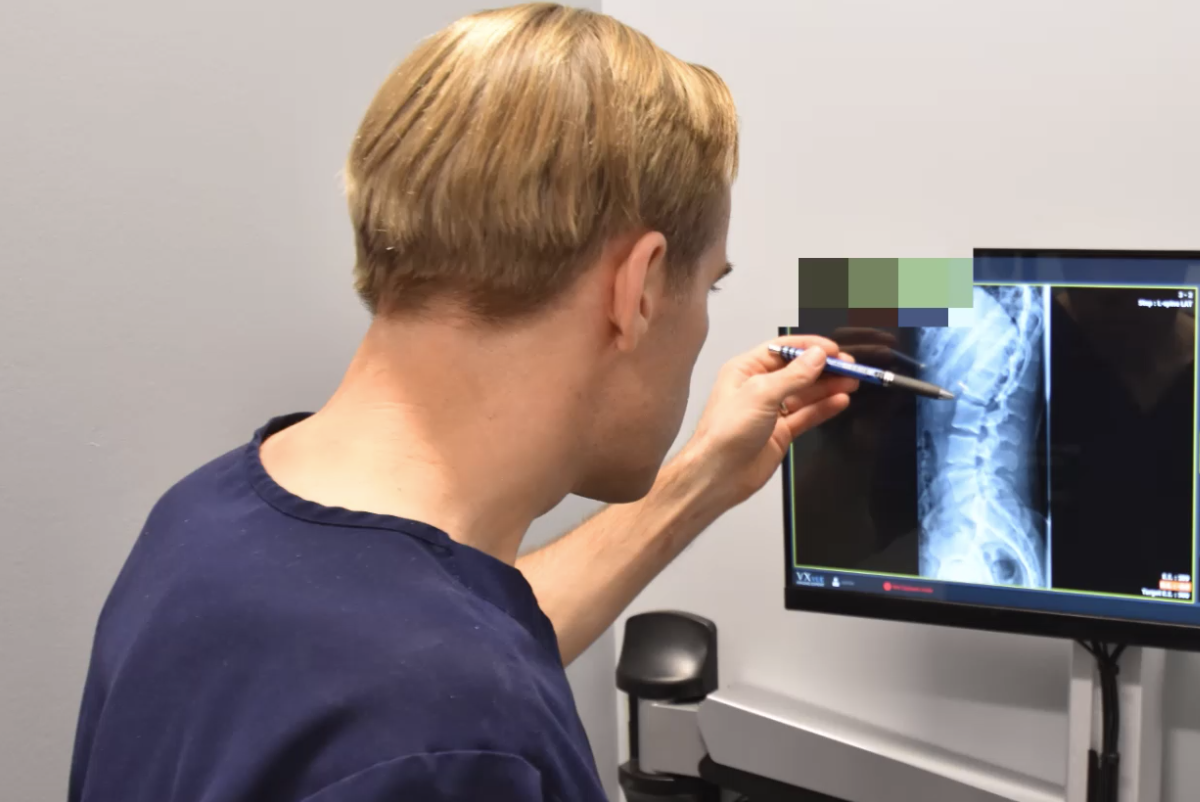
Because scoliosis can develop gradually — and because mild cases may not cause pain — many people don’t notice it until a routine physical exam or school screening reveals it. Knowing what to look for can make a real difference, especially in children and teenagers.
Common signs include uneven shoulders, where one shoulder blade appears more prominent than the other. A tilted waist or uneven hips is another frequent indicator. When a person bends forward, a visible rib hump or raised area on one side of the back can be observed. Clothes may seem to hang unevenly, or one leg may appear slightly shorter than the other.
In adults, scoliosis may present more through symptoms than visual signs. Persistent back pain, muscle fatigue, stiffness, and in some cases, pinched nerve symptoms can all be associated with spinal curvature. Some adults with undiagnosed scoliosis also experience hip pain or altered gait patterns as the spine compensates for the imbalance.
If you’re seeing any of these signs in your child or yourself, the right move is to get a proper evaluation — not to wait and hope it resolves on its own.
How Chiropractic Care Fits Into Scoliosis Management
Chiropractic care is a non-invasive, drug-free approach that can play a meaningful role in the conservative management of scoliosis. It’s important to be clear that chiropractic care does not straighten a structurally curved spine, and it is not a cure for scoliosis. What it can do is help manage symptoms, support spinal mobility, reduce muscle tension, and improve overall function and quality of life.
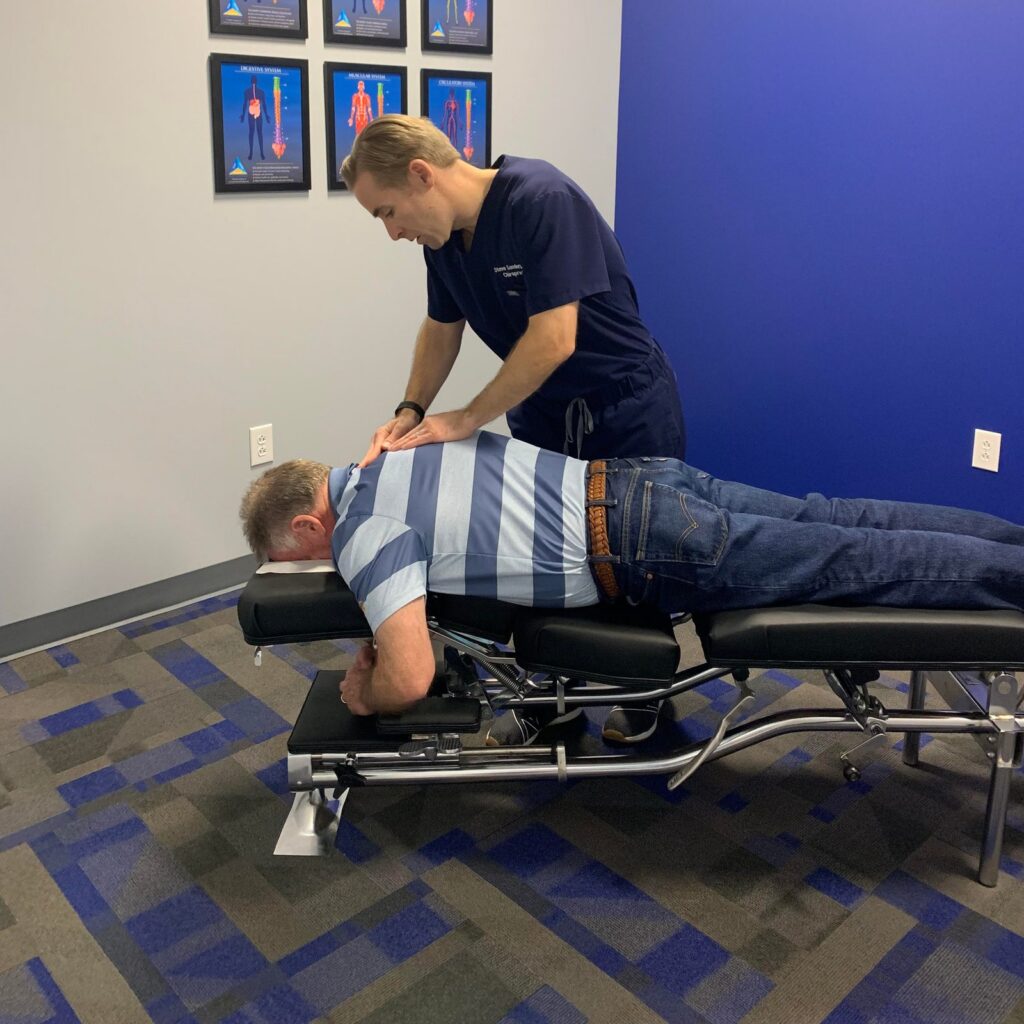
At Cityview Chiropractic in Fort Worth, Dr. Steve Sanders takes a thorough, individualized approach to scoliosis care. Before any recommendations are made, a comprehensive evaluation is completed — including postural assessment, range of motion testing, and a review of any imaging already performed. This allows for a care plan tailored to that specific patient’s curve pattern, severity, and goals.
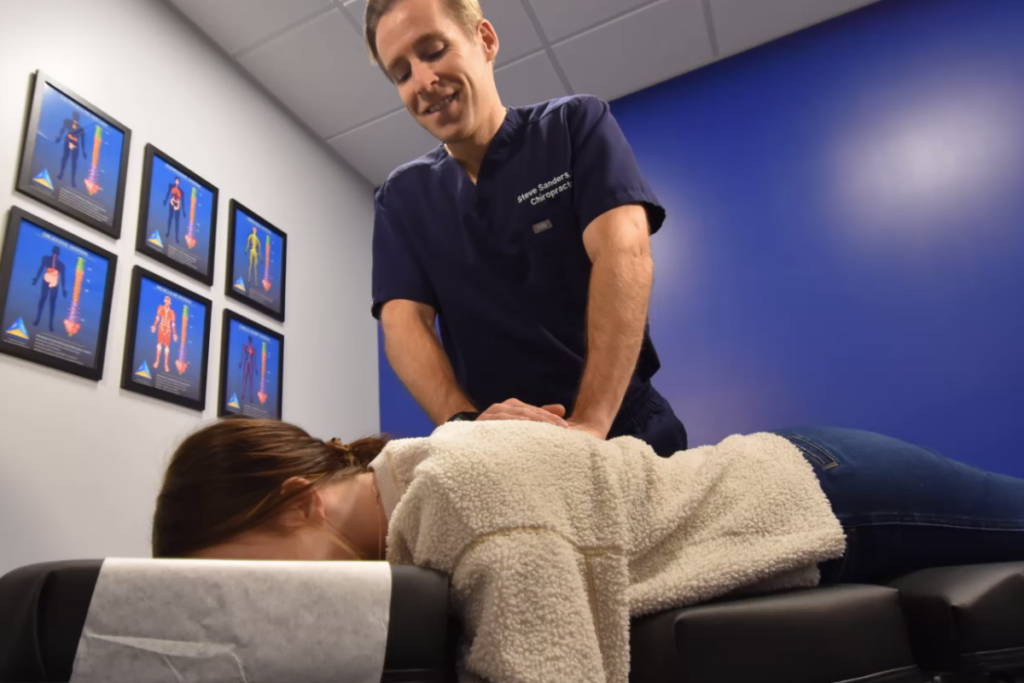
For patients with scoliosis, chiropractic adjustments may focus on improving spinal mobility and reducing areas of restriction or irritation. Targeted soft tissue work can help address the muscle imbalances that often accompany a lateral curve. In some cases, physical therapy exercises are integrated to strengthen the postural muscles that support the spine, helping patients maintain better alignment throughout daily activities.
For younger patients, pediatric chiropractic care at Cityview Chiropractic is adapted to be gentle and age-appropriate. Early intervention in adolescent scoliosis — when curves are smaller and the spine is still developing — is generally associated with better long-term outcomes. Dr. Steve Sanders is experienced in working with young patients and their families to create realistic, supportive care plans.
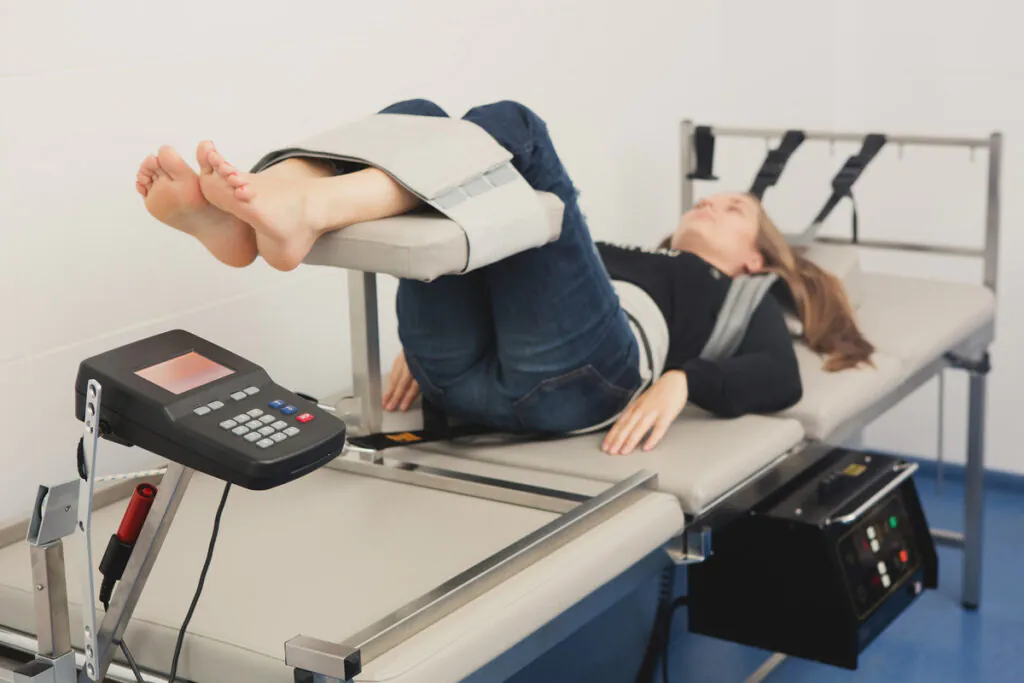
For those dealing with the discomfort that can come alongside spinal curvature, spinal decompression therapy may also be an option worth discussing. This gentle, traction-based approach can help reduce pressure on spinal discs and nerves, which is particularly relevant for adults whose scoliosis is accompanied by degenerative disc changes or radiating symptoms.
To learn more about what an individualized scoliosis care plan might look like, visit the scoliosis treatment page at Cityview Chiropractic.
Practical Tips for Living Well With Scoliosis
Whether your curve is mild or more significant, there are everyday habits that can support spinal health and help you feel more comfortable. These aren’t replacements for professional care, but they’re meaningful complements to it.
Staying active is one of the most important things a person with scoliosis can do. Low-impact movement like walking, swimming, and yoga helps maintain flexibility and strengthen the core muscles that support the spine. Avoiding long periods of inactivity is key — sitting for extended stretches can worsen muscle imbalances and increase discomfort. If you want to understand more about why prolonged sitting contributes to back problems, this article on back pain worsening after sitting explains the mechanics clearly.
Ergonomics matter too. At work or school, make sure your chair supports your lower back, your screen is at eye level, and your feet are flat on the floor. Uneven seating or slumped posture over a desk won’t cause scoliosis — but it can aggravate existing spinal tension and muscle fatigue.
Sleep position can also impact comfort. Many people with scoliosis find that sleeping on their side with a supportive pillow between the knees helps reduce pressure on the spine. A medium-firm mattress that doesn’t allow the hips to sink excessively tends to work well for spinal support.
Finally, stay consistent with your care. Whether that means attending scheduled chiropractic visits, completing at-home exercises recommended by your provider, or following up with your medical team, consistency makes a genuine difference in long-term outcomes.
When to See a Chiropractor for Scoliosis
If you’ve recently been diagnosed with scoliosis — or if you suspect you or your child may have it — a chiropractic evaluation is a reasonable and low-risk starting point. Chiropractic care is well-suited for mild to moderate cases where the primary goals are improving comfort, maintaining mobility, and supporting overall spinal health.
You should consider scheduling an evaluation at Cityview Chiropractic in Fort Worth if you’re experiencing persistent back or neck discomfort that hasn’t resolved, if you’ve noticed visual signs of spinal asymmetry, or if a school screening flagged a possible curve that hasn’t yet been evaluated by a specialist.
There are also red flags that warrant prompt medical attention rather than — or in addition to — chiropractic care. These include rapidly progressing curves, significant breathing difficulties, bladder or bowel dysfunction, or signs of spinal cord involvement. In these situations, Dr. Steve Sanders will always refer appropriately and coordinate care with other providers to make sure you get the full support you need.
|
Scoliosis Type |
Primary Cause |
Typical Onset |
Common Management Approach |
|---|---|---|---|
|
Idiopathic |
Unknown; possible genetic factors |
Adolescence (ages 10–18) |
Monitoring, bracing (in some cases), chiropractic care, exercise |
|
Congenital |
Vertebral malformation before birth |
Infancy or early childhood |
Medical monitoring, possible surgical intervention |
|
Neuromuscular |
Underlying neurological or muscular condition |
Childhood or adolescence |
Multidisciplinary care, bracing, chiropractic support |
|
Degenerative |
Disc and joint wear over time |
Adults 50+ |
Conservative care, spinal decompression, physical therapy |
|
Functional |
External trigger (e.g., leg length discrepancy) |
Any age |
Address the root cause; curve may improve or resolve |
Myths vs. Facts About What Causes Scoliosis
Myth: Poor posture causes scoliosis.
Fact: Poor posture does not cause structural scoliosis. While slouching and uneven sitting habits can lead to back tension and discomfort, they do not produce the lateral spinal curves associated with scoliosis. The causes are much deeper — involving genetics, vertebral development, or neuromuscular factors.
Myth: Carrying a heavy backpack leads to scoliosis.
Fact: Heavy backpacks can cause back strain and muscle fatigue, but research does not support the idea that they cause scoliosis. This is a widely held belief — especially among parents — but it has not been borne out in the scientific evidence. Scoliosis is not caused by external load on the spine from bags or similar sources.
Myth: Scoliosis only affects teenagers.
Fact: While adolescent idiopathic scoliosis is the most commonly discussed type, scoliosis can develop at any age. Degenerative scoliosis is increasingly common in adults over 50. Congenital and neuromuscular forms can be present from birth or early childhood. It truly affects people across the entire lifespan.
Myth: If it doesn’t hurt, scoliosis isn’t serious.
Fact: Mild scoliosis may not cause pain, but that doesn’t mean it should be ignored. Curves that aren’t monitored can progress, especially during periods of growth. Early evaluation allows for appropriate monitoring and intervention if needed — which can make a significant difference in long-term outcomes.
Myth: Chiropractic care can straighten a scoliotic spine.
Fact: Chiropractic care is not a cure for structural scoliosis, and it will not permanently straighten a curved spine. What it can do is help manage discomfort, improve mobility, reduce muscle tension, and support overall spinal function. It’s a valuable part of a conservative, non-invasive care plan — but expectations should be realistic and honest.
Final Thoughts From Cityview Chiropractic in Fort Worth
Understanding what causes scoliosis is an empowering first step. Whether you’re a parent whose child just received a diagnosis, an adult dealing with back pain that’s been linked to a spinal curve, or someone who simply wants to understand their spine better, knowledge is on your side.
At Cityview Chiropractic, Dr. Steve Sanders and the care team are here to help Fort Worth residents navigate spinal health with honesty, compassion, and individualized attention. We believe every patient deserves a thorough evaluation and a clear explanation of what’s going on in their body — not a one-size-fits-all approach.
If you have questions about scoliosis, or if you’d like to explore what ongoing wellness care might look like for you or your family, we welcome you to reach out to our Fort Worth practice. You don’t have to figure this out alone, and the team at Cityview Chiropractic is always glad to help point you in the right direction.
Frequently Asked Questions About Scoliosis
What is the most common cause of scoliosis?
The most common form is adolescent idiopathic scoliosis, which has no known single cause. Research suggests genetics may play a role, but no definitive cause has been identified. It accounts for the majority of all scoliosis cases diagnosed.
Can scoliosis be prevented?
Because most scoliosis is idiopathic — meaning the cause is unknown — there is currently no proven way to prevent it. However, early detection through routine screenings allows for timely monitoring and conservative intervention, which can help prevent mild curves from progressing.
Is scoliosis hereditary?
There does appear to be a familial pattern with idiopathic scoliosis, suggesting a genetic component. If a close family member has scoliosis, it’s worth having children screened during adolescence. However, having a family history does not guarantee a child will develop it.
Can adults develop scoliosis even if they didn’t have it as a child?
Yes. Degenerative scoliosis develops in adulthood, typically after age 50, as the spinal discs and joints deteriorate unevenly over time. This is a distinct condition from adolescent scoliosis and is increasingly common as the population ages.
What can a chiropractor do for scoliosis?
A chiropractor can assess spinal alignment, provide adjustments to improve mobility and reduce joint restriction, address muscle imbalances, and coordinate with other providers as needed. At Cityview Chiropractic in Fort Worth, Dr. Steve Sanders develops individualized plans focused on comfort, function, and quality of life.
At what age should scoliosis be checked?
Routine scoliosis screenings are typically recommended between ages 10 and 14, when adolescent curves are most likely to develop. However, any age is appropriate for evaluation if signs or symptoms are present. Adults experiencing new or worsening back pain should also consider having their spine evaluated.
TL;DR — Key Takeaways
-
What causes scoliosis depends on the type: most cases are idiopathic (unknown cause), while others stem from congenital vertebral abnormalities, neuromuscular conditions, or age-related degeneration.
-
Poor posture and heavy backpacks do not cause scoliosis — this is a common myth that has been consistently unsupported by evidence.
-
Scoliosis can affect people at any age, from infancy through adulthood, and symptoms vary widely from no discomfort to chronic back pain and muscle tension.
-
Chiropractic care can support comfort, mobility, and quality of life for scoliosis patients — but it does not cure or structurally correct the curve.
-
Early detection and consistent monitoring are the most effective tools available, especially for adolescents whose spines are still developing.