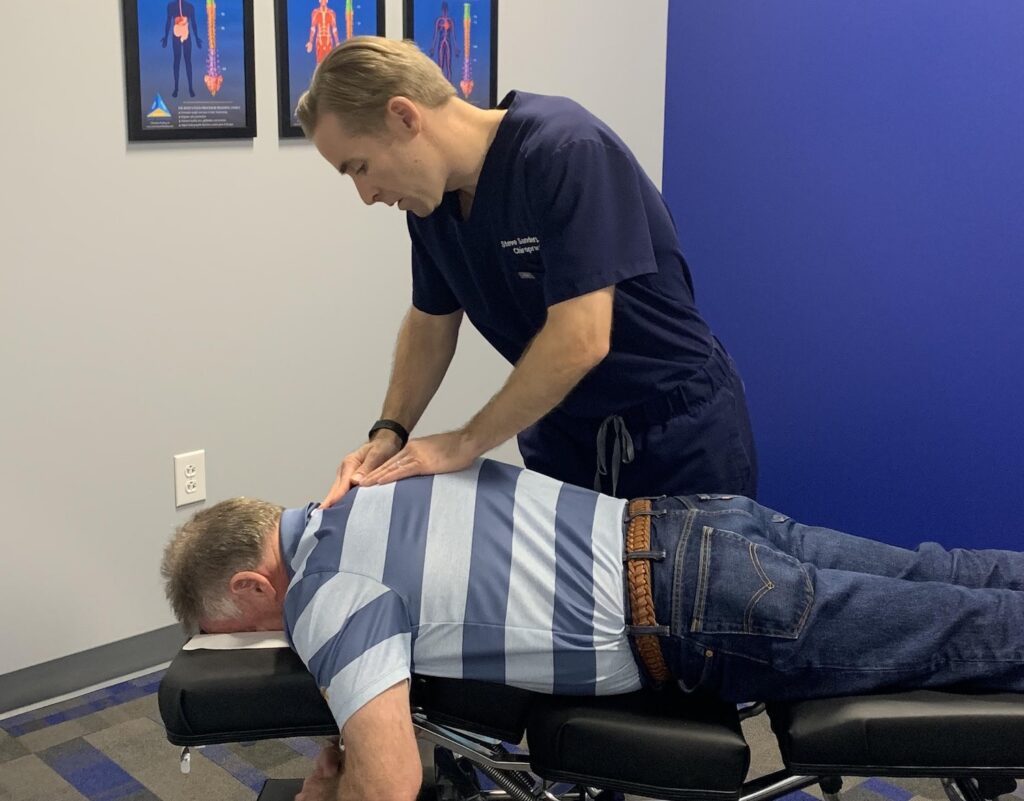
As a local chiropractor, I want to assure you that if you're dealing with chronic back pain, you're not alone, and there are natural methods to find relief. One of the key approaches we recommend is incorporating regular low-impact exercise into your routine. This can help strengthen your back and improve your overall stability.
Another important factor is maintaining proper posture, which can significantly impact your pain levels. Many people don't realize how much their daily habits affect their spine health.
In addition, heat and cold therapy can provide immediate relief by reducing inflammation and relaxing tense muscles. Stretching is also essential; it increases flexibility and can alleviate tightness in your back.
Don't underestimate the benefits of professional massage therapy, which can help release tension and improve circulation.
Lastly, incorporating mindfulness practices and a balanced diet can play a crucial role in your overall well-being and pain management.
If you're curious about how each of these strategies can specifically aid in managing your pain, let's explore them together. Your journey to relief can start with understanding the natural healing methods available to you.
Regular Exercise
As a chiropractor, I want to emphasize the importance of regular exercise in managing chronic back pain. Incorporating movement into your daily routine can significantly strengthen the muscles that support your spine, leading to improved stability and reduced discomfort.
I recommend starting with low-impact activities such as walking, swimming, or cycling. These exercises are gentle on your joints yet provide substantial benefits for your back health.
In addition to building strength, regular exercise enhances flexibility, which is crucial for addressing tight muscles that often contribute to back pain. I encourage you to dedicate time each day to stretch your hamstrings, hip flexors, and lower back. This practice not only promotes a better range of motion but can also help prevent future injuries.
Consistency is essential in any exercise regimen. Aim for at least 150 minutes of moderate aerobic activity each week, and include strength training at least twice a week.
Focus on core exercises, as a strong core is vital for supporting your spine and maintaining good posture. Planks, bridges, and abdominal workouts are particularly effective in this regard.
It's important to listen to your body. If you experience pain during any activity, stop and reassess. I recommend starting slowly and gradually increasing the intensity and duration of your workouts.
It may also be beneficial to consult with a fitness professional or physical therapist who can create a tailored program that meets your individual needs.
By committing to regular exercise, you're taking a proactive step toward managing your chronic back pain and enhancing your overall well-being.
Proper Posture
As a local chiropractor, I want to share with you the importance of proper posture in managing chronic back pain. Many people believe that exercise is the sole solution, but how you position your body while sitting, standing, or moving can significantly influence your discomfort.
By practicing good posture, you can help align your spine, reduce strain on your muscles, and prevent further injury. Here are some essential tips to keep in mind:
- Sit Smart: Choose a chair that provides support for your lower back. Your feet should rest flat on the floor, and your knees should be at or just below hip level. This positioning helps maintain a healthy spinal curve.
- Stand Tall: Ensure your shoulders are back and relaxed, distributing your weight evenly between both feet. Be mindful not to lock your knees, as this can lead to imbalance and discomfort.
- Lift Correctly: When lifting objects, bend at your hips and knees instead of your back. Keep the object close to your body while lifting to minimize strain on your spine.
- Screen Height: If you spend time at a computer, adjust your monitor to eye level. This reduces the tendency to hunch forward, which can strain your neck and upper back.
- Take Breaks: It's crucial to change positions regularly and take short breaks to stretch and move around. This practice not only alleviates tension but also promotes flexibility and overall well-being.
Heat and Cold Therapy
As a local chiropractor, I often see patients struggling with chronic back pain, and I want to share some valuable insights about heat and cold therapy that can significantly improve your comfort.
Heat therapy is a wonderful tool that helps to increase blood flow and relax your muscles, which can alleviate tension and stiffness. On the other hand, cold therapy is equally important; it helps to reduce inflammation and numbs sharp pain, providing immediate relief.
It's essential to understand how to use these methods effectively. For instance, applying heat before activities can prepare your muscles, while using cold therapy afterward can help manage inflammation.
Benefits of Heat Therapy
As a local chiropractor, I want to share with you the remarkable benefits of heat therapy, especially for those who struggle with chronic back pain. This simple yet effective method can play a significant role in alleviating discomfort and improving your overall well-being.
Let me outline some of the key advantages of incorporating heat therapy into your pain management routine:
- Enhanced Blood Circulation: When heat is applied to your back, it helps to dilate blood vessels, which in turn improves circulation to the affected area. This increased blood flow promotes healing and can significantly reduce pain.
- Muscle Relaxation: The warmth from heat therapy works wonders on tight muscles. It helps to soothe and relax them, relieving tension and allowing for greater flexibility, which is essential for maintaining a healthy back.
- Effective Pain Relief: Heat therapy can dull the pain signals that your body sends to the brain. This comforting sensation not only eases discomfort but can also provide a mental break from persistent pain.
- Improved Mobility: By regularly using heat therapy, many of my patients find that they experience an improved range of motion in their backs. This enhancement makes daily activities easier and can lead to a more enjoyable quality of life.
- Stress Relief: The soothing effects of heat can also help reduce stress levels, which is important because stress can often contribute to exacerbating pain. By incorporating heat therapy, you may find not only physical relief but also a calmer state of mind.
Incorporating heat therapy into your routine can be a valuable addition to your overall chiropractic care.
If you're curious about how this can fit into your personalized treatment plan, feel free to reach out during your next visit!
Advantages of Cold Therapy
As a local chiropractor, I want to help you understand the benefits of cold therapy in managing chronic back pain. This natural approach can be a valuable addition to your pain relief strategy, working hand-in-hand with heat therapy.
When you apply cold packs or ice to your back, you can significantly reduce inflammation and numb painful areas. This numbing effect not only alleviates discomfort but also allows you to move more freely and participate in your daily activities without as much pain.
One of the key advantages of cold therapy is its ability to constrict blood vessels, which helps minimize swelling and limits the buildup of inflammatory substances. This is particularly beneficial after engaging in physical activities that may worsen your back pain.
By incorporating cold therapy into your routine, you can also support a quicker recovery from strains or injuries.
I often recommend alternating between heat and cold therapy for optimal results. While heat can help relax your muscles and increase blood flow, cold therapy offers immediate pain relief and reduces inflammation.
When using cold therapy, remember to apply the cold source for 15-20 minutes at a time, and always use a barrier, such as a cloth, to protect your skin.
Integrating cold therapy into your pain management plan can greatly enhance your overall comfort and well-being, empowering you to take control of your daily life.
If you have any questions about how to effectively use cold therapy or any other natural healing methods, feel free to reach out!
Stretching Techniques
As a local chiropractor, I want to emphasize the importance of incorporating effective stretching techniques into your daily routine to help alleviate chronic back pain. Stretching not only increases flexibility but also reduces muscle tension and enhances blood circulation to your back muscles. By dedicating just a few minutes each day to these practices, you can experience significant relief.
Here are some key stretching techniques that I highly recommend you integrate into your routine:
- Cat-Cow Stretch: This gentle yoga-inspired movement flexes and extends your spine, promoting mobility and easing tension throughout your back.
- Child's Pose: This restorative position stretches your lower back and hips, effectively releasing tightness and discomfort.
- Hamstring Stretch: Tight hamstrings can contribute to back pain, so gently stretching them can help alleviate strain on your lower back.
- Knee-to-Chest Stretch: Bringing your knees to your chest can help elongate your spine and relieve pressure in your lower back.
- Seated Forward Bend: This stretch targets your entire back, providing an effective release of tension and promoting relaxation.
As you perform these stretches, it's essential to listen to your body. Avoid pushing yourself too hard; instead, aim for a gentle stretch and hold each position for 15 to 30 seconds.
Consistency is key, so I encourage you to incorporate these stretches into either your morning or bedtime routine. Not only will this help alleviate your back pain, but it will also enhance your overall flexibility and well-being.
Remember, the goal of these stretches isn't to force your body into uncomfortable positions but to promote relaxation and relief. Making stretching a regular part of your routine can serve as a valuable tool in your journey towards natural healing and pain management.
If you have any questions or would like personalized guidance, please feel free to reach out to me during your next visit.
Mindfulness and Relaxation
As a local chiropractor, I want to share how practicing mindfulness and relaxation techniques can significantly support your journey toward relief from chronic back pain. By integrating these practices into your daily routine, you can develop a heightened sense of awareness and control over your body and mind, which is essential for healing.
Mindfulness is about being present in the moment. It encourages you to pay attention to your physical sensations, thoughts, and emotions without judgment. This practice can help you gain a deeper understanding of your pain and identify its triggers, which is crucial for effective chiropractic care.
To begin, I recommend setting aside a few minutes each day for mindfulness meditation. Find a quiet spot where you can sit comfortably, close your eyes, and focus on your breath. Inhale deeply and exhale slowly. If your thoughts drift, gently bring your focus back to your breathing. With regular practice, you'll strengthen your connection to your body, which can enhance your ability to manage pain.
Additionally, relaxation techniques such as progressive muscle relaxation and guided imagery can be incredibly beneficial for your overall well-being. In progressive muscle relaxation, you systematically tense and then relax different muscle groups, releasing built-up tension.
Guided imagery, on the other hand, involves visualizing a calming scene, which can help distract your mind from pain and foster a sense of relaxation.
Professional Massage
If you're dealing with persistent back pain, I want to share how professional massage therapy can be a transformative part of your healing journey.
As a chiropractor, I often see the remarkable effects of massage in conjunction with chiropractic care. It employs various techniques that not only help alleviate pain but also encourage relaxation and enhance blood circulation.
Understanding these benefits can significantly improve your overall health and well-being.
Let's delve into how integrating massage therapy with chiropractic adjustments can support your body's natural healing process.
Benefits of Professional Massage
As a local chiropractor, I want to share the incredible benefits of professional massage therapy, especially for those dealing with chronic back pain. Many of my patients find that combining chiropractic care with massage can lead to a more comprehensive approach to healing.
Here's how massage can significantly enhance your comfort and well-being:
- Reduced Muscle Tension: Professional massage is effective at targeting and releasing tight muscles, which can alleviate discomfort and enhance your mobility. This is particularly important for those of you who may be experiencing restrictions in movement due to chronic pain.
- Improved Blood Circulation: One of the key advantages of massage therapy is its ability to boost blood circulation. This is crucial for healing as it helps deliver vital nutrients to injured tissues, allowing for quicker recovery.
- Stress Relief: Chronic pain often comes hand-in-hand with stress and anxiety. The calming effects of massage can help reduce these factors, promoting a sense of relaxation that can further alleviate pain.
- Increased Flexibility: Regular massage sessions can enhance your range of motion, making daily activities more manageable and less painful. This can be especially beneficial for those of you who are struggling with stiffness.
- Pain Management: Massage therapy can serve as a natural pain reliever by calming your nervous system and stimulating the release of endorphins. This can help you manage pain without relying solely on medication.
Incorporating professional massage into your wellness routine can be a transformative step in managing chronic back pain.
Whether you choose deep tissue, Swedish, or other therapeutic techniques, working with a qualified massage therapist can complement your chiropractic care and enhance your overall health.
Remember, consistency is essential—consider scheduling regular massage sessions alongside your chiropractic adjustments to maximize your benefits and keep your back pain under control.
Together, we can create a holistic approach to your healing journey.
Techniques for Pain Relief
As a local chiropractor, I want to share with you how combining massage therapy with chiropractic care can significantly enhance your approach to pain relief.
If you're struggling with chronic back pain, professional massage is a powerful tool that can help alleviate your discomfort. Skilled massage therapists are adept at locating tight muscles, trigger points, and areas of tension, providing targeted relief that can truly make a difference in your overall well-being.
One effective technique is deep tissue massage, which focuses on the deeper layers of muscle. This method breaks down adhesions and improves blood flow, often relieving muscle stiffness and enhancing your flexibility.
Alternatively, Swedish massage employs lighter pressure to promote relaxation and reduce stress, both of which are crucial in managing pain.
I also encourage you to consider trigger point therapy. This technique involves applying pressure to specific points in your muscles to release knots that may be contributing to your pain.
Additionally, incorporating myofascial release techniques can help loosen tight fascia, further alleviating tension in your back.
Nutritional Support
As a local chiropractor, I often emphasize the importance of nutritional support in managing chronic back pain. Many patients may not realize how interconnected their diet is with their pain levels, but the right foods can significantly reduce inflammation and promote healing.
By incorporating anti-inflammatory foods into your meals, you can help alleviate discomfort and support your overall well-being.
Here are some key nutritional components to consider:
- Omega-3 Fatty Acids: These beneficial fats, found in fatty fish like salmon, as well as walnuts and flaxseeds, are known for their ability to reduce inflammation. Including them in your diet can be a powerful step toward pain relief.
- Antioxidant-Rich Fruits and Vegetables: Foods such as berries, leafy greens, and peppers are packed with antioxidants that help combat oxidative stress and inflammation. Making these a regular part of your meals can support your body's healing processes.
- Whole Grains: Incorporating whole grains like brown rice, quinoa, and oats into your diet can provide essential fiber that helps regulate inflammation and supports gut health, which is crucial for overall wellness.
- Lean Proteins: Foods like chicken, turkey, and legumes are excellent sources of lean protein that support muscle health. Strong muscles are vital for maintaining a healthy back and reducing the risk of pain.
- Spices: Don't overlook the power of natural spices! Turmeric and ginger are renowned for their anti-inflammatory properties and can easily be added to a variety of dishes for both flavor and health benefits.
By understanding the role nutrition plays in your recovery, you can take proactive steps toward managing your back pain naturally and effectively.
I encourage you to consider these nutritional components as part of your holistic approach to healing.
Conclusion
As a local chiropractor, I want to share with you seven effective strategies to help manage and alleviate chronic back pain naturally. First and foremost, regular exercise is vital; it not only strengthens your muscles but also improves flexibility, which is crucial for a healthy spine. Additionally, maintaining proper posture throughout your daily activities can significantly reduce strain on your back.
Incorporating heat and cold therapy can provide immediate relief; heat helps to relax tight muscles, while cold therapy reduces inflammation. Stretching is equally important; it enhances mobility and can prevent stiffness. I also encourage you to practice mindfulness techniques, as stress can exacerbate pain. Professional massage therapy can offer additional relief and promote relaxation, so don't hesitate to seek out those services when needed.
Finally, consider nourishing your body with anti-inflammatory foods, as they can support your overall well-being and help manage pain. Remember, consistency is key—making these practices a regular part of your daily routine can lead to lasting relief and improved mobility. As your chiropractor, I'm here to guide you on this journey to better health through natural healing.