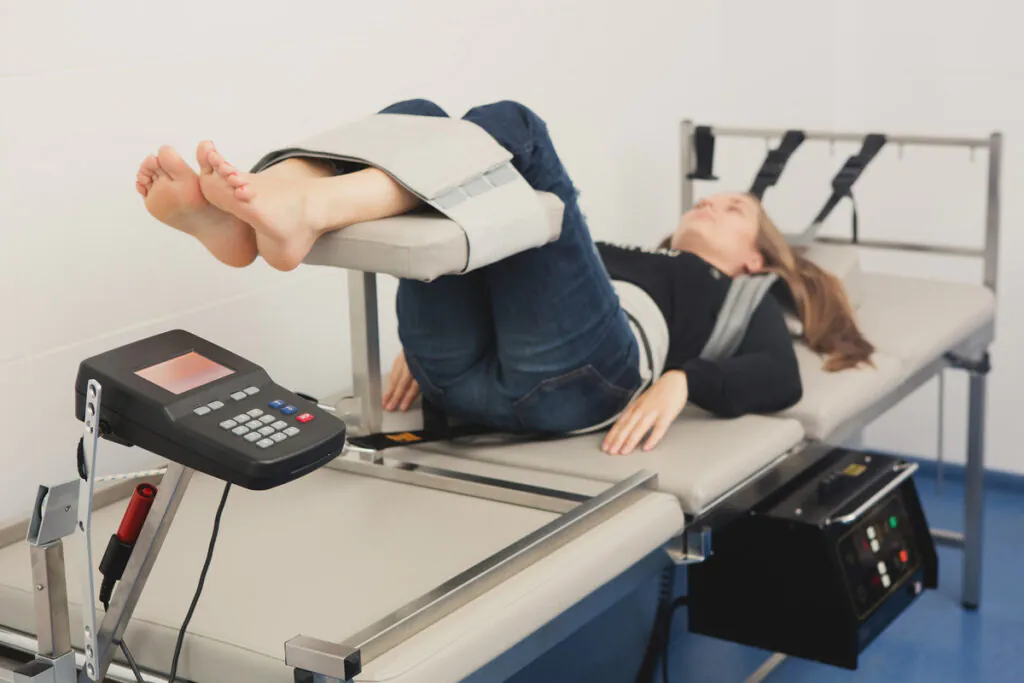
Chiropractic Care After an Auto Injury in Fort Worth
If you’ve been in a fender-bender or a more serious crash, you might feel “mostly fine” the same day. But in the hours or days after an auto injury, stiffness, headaches, or back pain can quietly set in. As a local Fort Worth chiropractor at Cityview Chiropractic, I see these patterns often. Early, thoughtful care can make a big difference in how well—and how comfortably—you recover.
In this article, I’ll explain what happens to your body in a car accident, why symptoms are sometimes delayed, and how chiropractic care fits into a safe, conservative recovery plan. You’ll also learn when to seek urgent medical help and practical steps you can take at home.
Should you see a chiropractor after an auto injury? Yes—an evaluation can help identify soft-tissue and joint issues early, guide safe movement, and support a smoother recovery. Chiropractic care focuses on improving mobility, reducing pain, and helping your body heal—without surgery or medication.
Table of Contents
What Happens to Your Body in a Car Accident
Even at low speeds, collisions can deliver quick, forceful movements to the spine. The neck and mid-back are especially vulnerable because they’re meant to be mobile. During a crash, the head can whip forward and back quickly, straining soft tissues. This is often called whiplash.
Muscles and ligaments may overstretch. Small joints in the spine can become irritated or restricted. Discs can also be stressed. These changes don’t always cause immediate pain because adrenaline and shock can mask symptoms early on.
After the rush wears off, inflammation builds. That’s when soreness, stiffness, or headaches often appear. Gentle, timely care helps your body settle and heal with fewer compensations.
Common Auto-Injury Symptoms We See in Fort Worth
Here in Fort Worth—especially with stop-and-go traffic on I-20 and I-35W—we see a wide range of post-crash complaints. Not everyone has the same symptoms, and severity can vary, even in minor collisions.
Common symptoms include neck pain or stiffness, headaches (often starting at the base of the skull), mid-back or rib soreness with breathing or twisting, low back pain after bracing, shoulder or collarbone area strain from the seat belt, jaw tightness, and reduced range of motion.
Nerve-related signs can include tingling into the arms or hands. Dizziness or ringing in the ears sometimes shows up with neck issues. These symptoms deserve a careful evaluation to rule out more serious problems.
Why Early Evaluation Matters
Early doesn’t have to mean “rushed.” It simply means getting a conservative musculoskeletal check when things still feel new and manageable. In the first few days, your body forms its healing blueprint. If joints stay stiff and muscles guard, movement patterns become protective and unbalanced.
Addressing mobility and muscle tone early can reduce unnecessary strain. It also helps you understand what’s safe to do—and what to avoid—while you recover. If we see red flags, we’ll refer you to the right medical provider promptly.
There’s also a practical benefit: an early assessment documents your presentation and functional limits. That can support communication with your primary care provider, physical therapist, or other specialists.
How Chiropractic Care Fits Into Recovery
Chiropractic care focuses on restoring healthy joint motion, calming irritated tissues, and guiding you back to comfortable movement. Research suggests that spinal manipulation and mobilization can be helpful for many people with neck and back pain, particularly as part of a broader, conservative care plan that includes exercise and education. For example, the American College of Physicians includes spinal manipulation among recommended nonpharmacologic options for acute and subacute low back pain. The National Center for Complementary and Integrative Health also notes evidence supporting spinal manipulation for certain types of back pain.
At Cityview Chiropractic in Fort Worth, we tailor care to your needs and comfort. Techniques are chosen based on your exam findings, your goals, and what feels right for your body.
| Common Post-Crash Issue | How Chiropractic Care May Help |
|---|---|
| Whiplash-related neck pain and stiffness | Gentle spinal manipulation or mobilization to improve neck motion; soft-tissue work to ease muscle guarding; guided range-of-motion exercises. |
| Mid-back and rib tightness from seat belt restraint | Thoracic mobilization, breathing mechanics coaching, and posture strategies to reduce strain during sitting and driving. |
| Low back strain from bracing or impact | Lumbar adjustments or mobilization, core activation drills, and movement cues for safe bending and lifting. |
| Headaches linked to neck tension | Cervical and upper-back mobility care, myofascial techniques, and home strategies like heat/ice and ergonomic adjustments. |
| Shoulder or collarbone area soreness from seat belt | Scapular mobility and stability work, soft-tissue care, and load management to support daily tasks without aggravation. |
Care is progressive and responsive. We start gently and adjust as your body calms. As you improve, we emphasize mobility, strength, and confidence in daily movement so you can get back to your normal routines.
References for further reading: American College of Physicians guideline on noninvasive treatments for low back pain; NCCIH overview of spinal manipulation.
What to Expect at Cityview Chiropractic
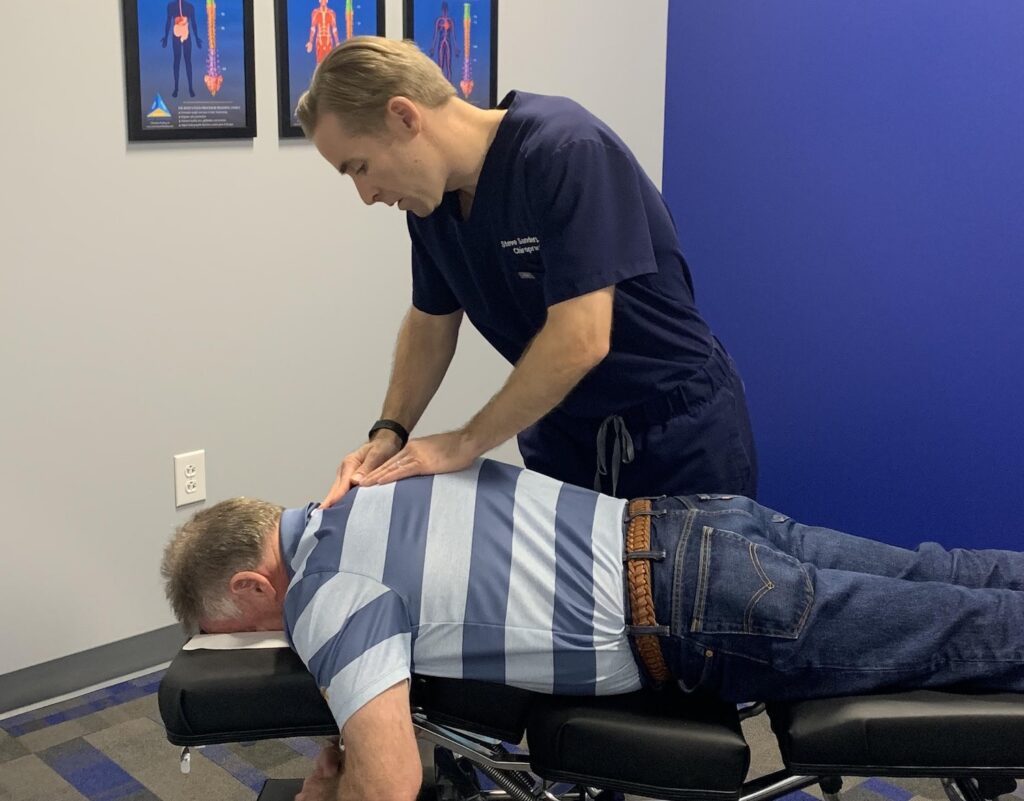
Your first visit is about listening and learning. We’ll review your crash details, symptom timeline, health history, and goals. Then we’ll perform a focused exam: posture and movement, joint motion testing, neurological screening if needed, and gentle palpation of muscles and joints.
If we suspect something that needs imaging or a medical specialist, we’ll coordinate that. Otherwise, we’ll discuss a plan that fits your life. Many patients start with gentle manual care, soft-tissue techniques, and simple home strategies on day one if appropriate.
We’ll also talk about driving ergonomics, work setup, and sleep positions to protect your recovery. Communication is clear and ongoing. You should always know what we’re doing and why.
Practical Tips After a Minor Auto Collision
These general tips can support comfort and healing following a minor crash. They don’t replace an evaluation, but they often help while you’re arranging care in Fort Worth.
- Keep gentle, pain-free motion going. Short, easy neck and back movements can reduce stiffness. Avoid forcing range or “pushing through.”
- Use heat or ice based on comfort. Ice may ease acute soreness in the first 24–48 hours; heat can relax guarded muscles later. Protect your skin and limit to 10–15 minutes.
- Prioritize good posture breaks. Alternate sitting and standing. When seated, hips and knees at about 90 degrees, feet supported, and shoulders relaxed.
- Sleep with support. A pillow that keeps your neck neutral and a small pillow between the knees (side sleeping) can reduce strain.
- Hydrate and fuel well. Muscles and discs appreciate fluids and balanced nutrition during healing.
- Adjust your car seat. Bring the seat closer so you’re not reaching. Keep the headrest level with the back of your head to support the neck.
- Track your symptoms. A simple journal helps you notice patterns and share accurate details during your visit.
When to See a Chiropractor
If you’ve had an auto injury, consider a chiropractic evaluation within the first few days to two weeks, even if symptoms feel mild. Early guidance can help you avoid overprotective patterns and get clear on safe activity.
It’s also a good idea to come in if neck or back pain lasts more than a few days, stiffness limits daily tasks like driving or turning your head, headaches start after the crash, or you notice tingling or achiness that wasn’t present before.
Chiropractic care is non-invasive. It can be part of a conservative plan alongside your primary care provider, physical therapy, massage therapy, or other approaches as needed.
When to Seek Urgent Medical Care
Chiropractic is not emergency care. Some signs require immediate medical attention. If you experience any of the following after a crash, seek urgent or emergency care first:
- Severe or worsening headache, confusion, or loss of consciousness
- Numbness, weakness, or trouble walking; loss of bowel or bladder control
- Severe chest pain, shortness of breath, or abdominal pain
- Suspected fracture, dislocation, or open wound
- Neck pain with midline tenderness after significant impact
Once cleared, we’re happy to coordinate follow-up musculoskeletal care as appropriate.
Myths and Facts About Auto Injuries and Chiropractic
Myth: If there’s no damage to the car, there’s no damage to you.
Fact: Vehicle damage doesn’t predict how your body feels. Low-speed crashes can still load the neck and back quickly. It’s common for symptoms to appear later as inflammation builds.
Myth: If pain shows up days later, it must be unrelated.
Fact: Delayed onset soreness is common after collisions. Adrenaline and muscle guarding can mask pain at first. A timely evaluation helps you understand what’s going on.
Myth: Rest until everything stops hurting.
Fact: Brief rest may help, but prolonged inactivity can increase stiffness. Gentle, guided movement usually supports better healing. We’ll show you how to move safely.
Myth: Chiropractic is only about “cracking” the spine.
Fact: Care is individualized and can include gentle mobilization, soft-tissue techniques, targeted exercises, and education. Techniques are chosen based on your comfort and goals.
A Neighborly Note from Cityview Chiropractic
Fort Worth is an active city, and auto accidents happen—even to careful drivers. If you’re dealing with neck or back pain after a crash, you don’t have to navigate recovery alone. Our team at Cityview Chiropractic offers thoughtful, evidence-informed care and clear guidance to help you move with confidence again.
If you have questions about posture, alignment, or when to get checked after a collision, we’re here to help. We’re proud to support our Fort Worth neighbors with practical, patient-centered care.
FAQs
How soon should I see a chiropractor after a car accident?
Within the first few days to two weeks is a good window. Early evaluation can calm irritation, guide safe movement, and catch issues before they become chronic.
Is chiropractic care safe after an auto injury?
For most people, yes. We screen carefully, start gently, and adjust care to your comfort. If we find red flags, we’ll refer you to the appropriate medical provider.
What if I don’t feel pain right away?
That’s common. Pain can appear hours or days later. A preventive check can still be helpful to assess mobility, soft-tissue strain, and ergonomics.
Do I need X-rays before I see a chiropractor?
Not always. We order imaging only when your history and exam suggest it’s necessary. Many soft-tissue and joint issues don’t require immediate imaging.
Can chiropractic help with whiplash symptoms?
Chiropractic care—including gentle spinal work, soft-tissue techniques, and guided exercises—may help reduce neck pain and improve motion for many people. Results vary by individual.
Will I need long-term care?
Not typically. Most post-crash plans are short-term and goal-focused. We reassess regularly and adjust frequency as you improve.
TL;DR
- After an auto injury, symptoms can be delayed; early conservative care supports smoother recovery.
- Chiropractic focuses on mobility, soft-tissue healing, and safe return to activity without drugs or surgery.
- See a chiropractor within days to two weeks, or sooner if stiffness and pain limit daily life.
- Seek urgent care for red flags like severe headache, weakness, chest pain, or suspected fracture.
- Here in Fort Worth, Cityview Chiropractic provides individualized, evidence-informed care to help you move comfortably again.