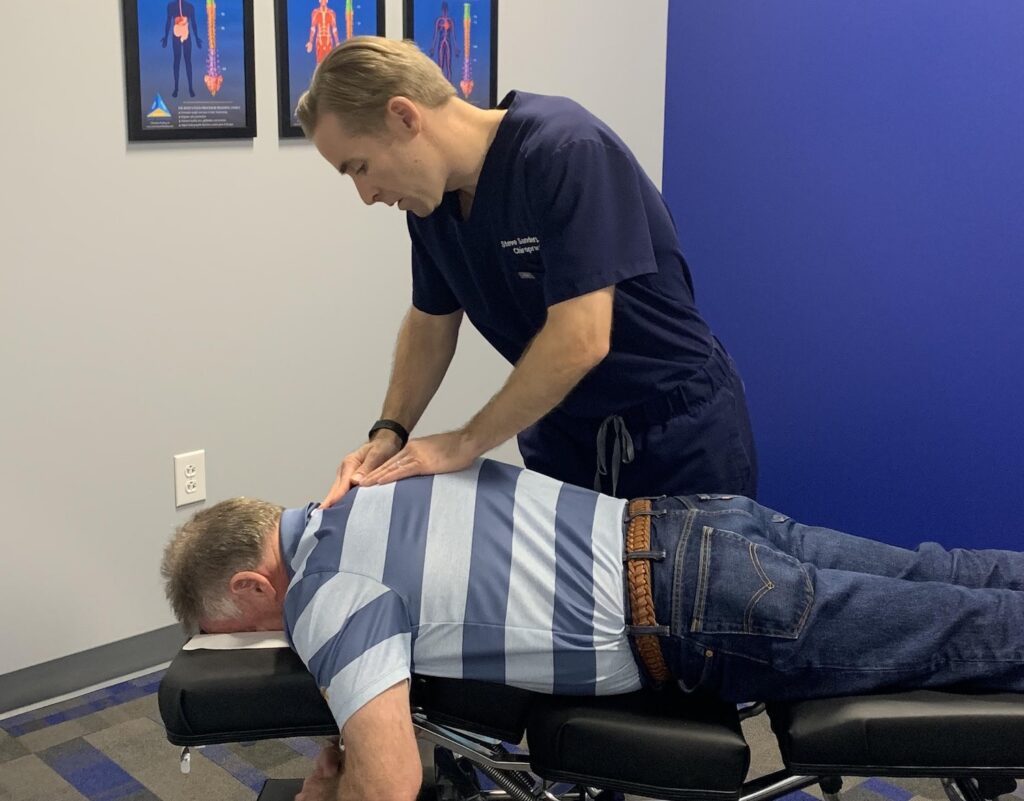
You know that recovery is just as essential as training, but are you truly maximizing your efforts? By focusing on nutrition, effective techniques, and even mental strategies, you can greatly enhance your recovery process. It's not just about resting; it's about adopting a holistic approach that addresses every aspect of your well-being. What if a few simple tweaks could make all the difference in your performance and injury prevention? Understanding these elements might just be the key to releasing your full athletic potential.
Importance of Athletic Recovery
When it comes to athletic performance, recovery isn't just an afterthought—it's an integral part of your training regimen. You push your body to its limits during workouts, and without proper recovery, you risk injury, burnout, and diminished performance. Recovery allows your muscles to heal, rebuild, and strengthen, ensuring you can consistently perform at your best.
Think about your training schedule. If you're not giving yourself enough time to recover, you're setting yourself up for failure. Muscles need time to repair after intense sessions, and neglecting this can lead to overtraining syndrome. This condition can result in fatigue, decreased motivation, and even illness, which can sideline you for weeks or months.
Incorporating recovery into your routine helps you maintain peak performance over time. It optimizes your training adaptations, meaning you'll see better results from your efforts. Active recovery techniques, such as gentle yoga or light stretching, increase blood flow to your muscles and promote healing.
Additionally, mental recovery is just as important. It helps you stay focused and motivated, preventing the mental fatigue that can come from pushing too hard. Engaging in activities you enjoy, spending time with friends, or simply relaxing can rejuvenate your mind and keep your passion for your sport alive.
In short, prioritizing recovery is essential for long-term success in athletics. Embrace it as a key component of your training, and you'll find yourself stronger, healthier, and more capable of achieving your goals.
Nutrition for Optimal Recovery
Nutrition plays an essential role in your recovery process, fueling your body with the necessary nutrients it needs to heal and rebuild. After intense workouts or competitions, your muscles require specific nutrients to recover effectively. Prioritizing a balanced diet can greatly enhance your recovery time and overall performance.
First, focus on protein. Consuming high-quality protein sources like lean meats, fish, eggs, and plant-based options helps repair muscle tissues and promotes growth. Aim for around 20-30 grams of protein within 30 minutes post-exercise to kickstart the recovery process.
Next, don't overlook carbohydrates. They replenish glycogen stores, which get depleted during workouts. Complex carbohydrates, such as whole grains, fruits, and vegetables, provide lasting energy and essential vitamins. Pairing protein with carbs in your post-workout meal can maximize recovery benefits.
Hydration is another vital aspect. Dehydration can hinder your recovery, so drink plenty of water throughout the day. Electrolytes, found in sports drinks or natural sources like coconut water, can help restore balance after heavy sweating.
Lastly, consider incorporating anti-inflammatory foods, such as berries, fatty fish, and leafy greens, into your diet. These can help reduce soreness and inflammation, allowing you to bounce back faster.
Effective Recovery Techniques
Releasing your body's potential for recovery involves employing effective techniques that enhance healing and performance. One of the most beneficial methods is active recovery, which includes low-intensity exercises like walking, cycling, or swimming. These activities promote blood flow, helping to flush out lactic acid and reduce muscle soreness. Aim for 20 to 30 minutes of active recovery a few times a week, especially after intense workouts.
Another technique is the use of foam rollers or massage tools. Self-myofascial release helps alleviate muscle tightness and improve flexibility. Spend a few minutes rolling out tight areas post-workout, focusing on your calves, quads, and back. This practice increases circulation and speeds up the recovery process.
Incorporating stretching routines is also essential. Dynamic stretches before workouts and static stretches afterward can help maintain muscle elasticity and prevent injuries. Make it a habit to stretch major muscle groups, holding each stretch for 15 to 30 seconds.
Hydration can't be overlooked either. Drinking enough water aids in nutrient transport and helps reduce fatigue. Consider electrolyte drinks after intense sessions to replenish lost minerals.
Finally, ice baths or contrast baths can be effective for reducing inflammation and speeding up recovery. Alternate between hot and cold water for about 10 to 15 minutes to stimulate circulation and relieve soreness.
Role of Sleep in Recovery
Sleep serves as an important pillar in your recovery journey, greatly impacting your physical and mental performance. When you're asleep, your body enters a critical phase where it repairs tissues, builds muscle, and synthesizes proteins. This is especially significant after intense training or competition.
Without sufficient sleep, your body struggles to recover, which can lead to fatigue and decreased performance. During deep sleep, your body releases growth hormones that promote muscle recovery and repair. This process helps to reduce inflammation and soreness, enabling you to bounce back faster for your next workout.
If you're skimping on sleep, you may experience slower recovery times, increased risk of injury, and diminished strength and endurance. Furthermore, quality sleep enhances your cognitive functions, like decision-making and reaction times, which are crucial for athletic performance.
When you're well-rested, you're more focused and alert, allowing you to train more effectively and make better tactical decisions during competitions. To optimize your recovery, aim for 7 to 9 hours of quality sleep each night.
Create a relaxing bedtime routine, limit screen time, and make sure your sleeping environment is cool and dark. Listen to your body; if you feel fatigued, prioritize rest. Remember, proper sleep isn't just a luxury; it's a necessity for achieving your athletic goals.
Make sleep an integral part of your recovery strategy, and you'll notice significant improvements in your performance and overall well-being.
Mental Strategies for Recovery
While physical recovery through sleep is essential, mental strategies also play a significant role in your overall recovery process. Your mindset can greatly influence how your body heals and how quickly you bounce back from intense workouts or injuries. One powerful technique is visualization. Picture yourself performing at your best, fully recovered and strong. This mental imagery can boost your confidence and help reinforce positive outcomes.
Another effective strategy is mindfulness meditation. Taking even a few minutes each day to focus on your breath can help reduce stress and anxiety, making it easier for your body to recover. By calming your mind, you allow your body to prioritize healing processes instead of fighting against tension and worry.
Setting realistic goals also aids in recovery. Break down your recovery journey into manageable milestones, and celebrate each achievement. This approach keeps you motivated and prevents you from feeling overwhelmed during your healing process.
Additionally, stay connected with supportive people. Sharing your experiences and feelings with friends, family, or fellow athletes can provide emotional relief and encouragement. Remember, recovery isn't just physical; emotional support is vital for mental resilience.
Finally, be kind to yourself. Acknowledge the hard work you've put in and the challenges you face. Embracing self-compassion can foster a positive mindset, allowing you to recover more effectively.
Conclusion
Incorporating these strategies into your routine can greatly enhance your athletic recovery. Prioritize proper nutrition, hydration, and active recovery techniques to aid muscle repair. Don't underestimate the power of quality sleep and mental mindfulness; they're essential for rejuvenating both your body and mind. By embracing this holistic approach, you'll not only improve your performance but also reduce your risk of injury. So, commit to these practices and watch your recovery transform!