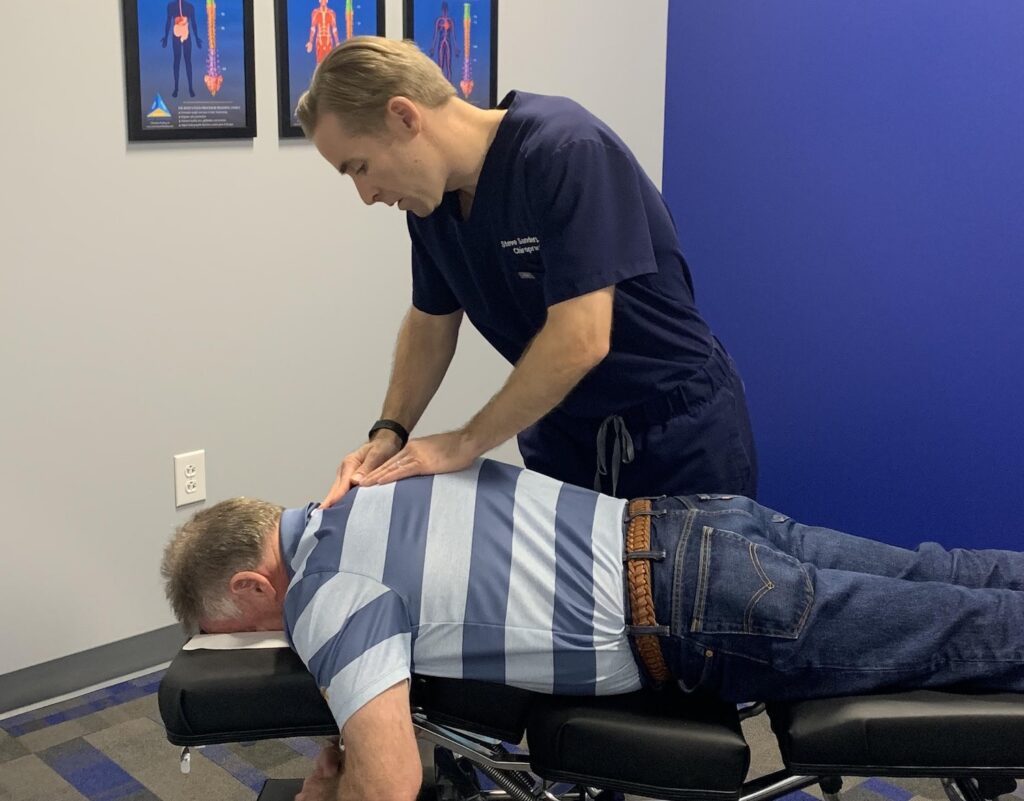
You might not realize how much chiropractors contribute to chronic disease prevention beyond just spinal adjustments. They offer a holistic approach that includes nutritional counseling, lifestyle modifications, and stress management techniques. By addressing these areas, chiropractors help enhance your immune function and overall well-being. It's interesting to contemplate how these practices can empower you to take control of your health and reduce the risk of chronic conditions. What are the specific strategies that make such a difference?
Spinal Adjustments
When you think about chiropractic care, spinal adjustments often come to mind as a primary treatment method. These adjustments play an important role in maintaining your overall health and can greatly contribute to chronic disease prevention. By aligning your spine, chiropractors help restore proper function to your nervous system, which is essential for peak body performance.
Misalignments, known as subluxations, can interfere with nerve signals that regulate various bodily functions. When these signals are disrupted, it can lead to a host of health issues, including chronic pain, digestive problems, and reduced immune function. Regular spinal adjustments can correct these misalignments, ensuring that your nervous system operates smoothly and effectively.
You might wonder how spinal adjustments relate to chronic disease prevention. By promoting better spinal health, you enhance your body's ability to heal and function properly. This proactive approach helps lower the risk of developing conditions like hypertension, diabetes, and even certain autoimmune disorders.
Additionally, spinal adjustments can improve your posture and reduce stress, both of which are critical for long-term health.
Incorporating chiropractic care into your wellness routine can be a game-changer. By seeking regular adjustments, you're not just addressing existing issues but also taking preventive measures to enhance your overall well-being.
Nutritional Counseling
Nutritional counseling is essential for maintaining your overall health and preventing chronic diseases.
By focusing on balanced diet recommendations and being aware of nutrient deficiencies, you can make informed choices that support your well-being.
Additionally, incorporating lifestyle modification strategies can enhance your dietary habits and promote long-term health benefits.
Balanced Diet Recommendations
A balanced diet is essential for maintaining overall health and preventing chronic diseases. Chiropractors often emphasize the importance of nutritional counseling to guide you in making healthier food choices. This approach can greatly impact your well-being and longevity.
To achieve a balanced diet, focus on incorporating a variety of food groups. Aim for plenty of fruits and vegetables, whole grains, lean proteins, and healthy fats. When you fill your plate with colorful produce, you're not only boosting your nutrient intake but also supporting your immune system and reducing inflammation.
Don't forget to stay hydrated! Drinking plenty of water throughout the day is vital for optimal bodily functions. Limit processed foods high in sugar, salt, and unhealthy fats, as these can contribute to chronic diseases.
Chiropractors can help you set realistic dietary goals tailored to your lifestyle and preferences. They'll encourage you to be mindful of portion sizes and to recognize hunger cues.
Nutrient Deficiency Awareness
Recognizing nutrient deficiencies is crucial for maintaining your health and preventing chronic diseases. Chiropractors play a significant role in helping you identify these deficiencies through nutritional counseling. They understand that your body needs a balanced intake of vitamins, minerals, and other nutrients to function effectively.
During your visits, your chiropractor may assess your dietary habits and lifestyle to pinpoint potential gaps. They'll ask questions about your eating patterns, food preferences, and any symptoms you might be experiencing. By doing this, they can provide personalized recommendations aimed at filling those nutritional voids.
For example, if you're low on vitamin D, your chiropractor might suggest dietary sources, supplements, or safe sun exposure. They might also highlight the importance of omega-3 fatty acids or antioxidants in reducing inflammation and supporting your overall well-being.
Lifestyle Modification Strategies
Many people overlook the impact of lifestyle modifications on their health, but making small changes can lead to significant improvements. One key aspect is nutritional counseling, which chiropractors often provide to help you understand how your diet affects your overall well-being.
You mightn't realize how certain foods can contribute to chronic diseases or how others can help prevent them. By collaborating with your chiropractor, you can identify areas where your diet may need adjustments. For example, they can suggest incorporating more whole foods, like fruits and vegetables, while reducing processed foods high in sugar and unhealthy fats.
In addition to food choices, hydration is essential. Drinking enough water daily can enhance your body's functions and support overall health.
Your chiropractor may also recommend supplements tailored to your specific needs, helping to bridge any nutritional gaps.
Lifestyle Modifications
To effectively manage chronic diseases, incorporating lifestyle modifications is essential. You can greatly impact your overall health by making small yet meaningful changes to your daily routine.
Start by focusing on your diet. Opt for whole foods like fruits, vegetables, lean proteins, and whole grains. These choices provide essential nutrients and help maintain a healthy weight, which is crucial for chronic disease prevention.
Next, incorporate regular physical activity into your life. Aim for at least 150 minutes of moderate aerobic exercise each week. Whether it's brisk walking, swimming, or cycling, find activities you enjoy to make it easier to stick with them. Remember, consistency is key.
Sleep is another important factor in your lifestyle modifications. Prioritize getting 7-9 hours of quality sleep each night. Establish a relaxing bedtime routine and create a comfortable sleep environment to improve your sleep quality. Poor sleep can exacerbate chronic conditions, so don't overlook this aspect.
Additionally, consider staying hydrated by drinking plenty of water throughout the day. Proper hydration supports bodily functions and helps you maintain energy levels.
Lastly, limit alcohol consumption and avoid tobacco products. Both can greatly increase your risk of chronic diseases.
Stress Management Techniques
Stress management techniques are essential for maintaining overall health and preventing chronic diseases. When you effectively manage stress, you can reduce its negative impact on your body and mind, fostering a healthier lifestyle.
Chiropractors often incorporate stress management strategies into their care plans, helping you find balance and improve your well-being.
Here are some effective techniques you can practice:
- Mindfulness Meditation: Taking a few minutes each day to focus on your breath can ground you and reduce anxiety.
- Deep Breathing Exercises: Practicing deep breathing can lower heart rates and promote relaxation. Try inhaling for a count of four, holding for four, and exhaling for four.
- Progressive Muscle Relaxation: Tensing and then relaxing different muscle groups can help release built-up tension in your body.
- Visualization Techniques: Imagining a peaceful scene or a successful outcome can shift your mindset and reduce stress levels.
- Journaling: Writing down your thoughts and feelings can provide clarity and help you process emotions, leading to reduced stress.
Exercise Recommendations
When it comes to exercise, having a tailored plan can make all the difference in staying active.
You'll find that promoting consistency and motivation is key to achieving your health goals.
Let's explore how personalized exercise recommendations can help you prevent chronic diseases effectively.
Tailored Exercise Plans
Tailored exercise plans are essential for effectively managing chronic diseases and enhancing overall health. By working with your chiropractor, you can create a personalized exercise regimen that aligns with your unique needs and health goals. This customized approach not only addresses your specific condition but also takes into account your current fitness level and lifestyle.
Here are some key components to bear in mind when developing your tailored exercise plan:
- Individual Assessment: Your chiropractor evaluates your physical condition, identifying strengths and weaknesses.
- Specific Goals: Together, you set achievable, realistic goals that keep you motivated.
- Variety of Activities: Incorporating diverse exercises—strength training, flexibility, and aerobic activities—ensures a well-rounded approach.
- Progress Tracking: Regularly monitoring your progress helps you stay on track and make necessary adjustments.
- Injury Prevention: A tailored plan emphasizes proper techniques and safety measures to reduce the risk of injury.
Promoting Consistency and Motivation
Maintaining a consistent exercise routine can be challenging, but with the right strategies, you can stay motivated and committed to your goals. Start by setting realistic and achievable targets. Break your overall goal into smaller milestones, which can provide you with a sense of accomplishment as you progress.
Next, establish a schedule that fits your lifestyle. Blocking out specific times for exercise makes it easier to treat these sessions like important appointments.
Also, consider finding a workout buddy. Exercising with a friend can boost your motivation, making workouts more enjoyable and less of a chore.
Incorporate variety into your routine to keep things fresh. Mix different types of exercises, such as strength training, cardio, and flexibility work. This not only prevents boredom but also engages different muscle groups.
Don't forget to celebrate your achievements, no matter how small. Recognizing your progress can inspire you to keep going.
Finally, keep your chiropractor in the loop. They can provide guidance and adjust your exercise plan as needed, ensuring it aligns with your health goals.
With these strategies, you'll find it easier to stay consistent and motivated on your fitness journey.
Improved Sleep Quality
Getting a good night's sleep is essential for overall health, and chiropractic care can play a significant role in enhancing sleep quality. When you visit a chiropractor, they'll assess your spine and nervous system, addressing any misalignments that could be affecting your sleep. By improving your body's alignment, you're likely to experience less discomfort and stress, making it easier to fall and stay asleep.
Here are some ways chiropractic care can help improve your sleep quality:
- Reduced Pain: Alleviating back and neck pain can help you find a comfortable sleeping position.
- Decreased Stress: Chiropractic adjustments can lower cortisol levels, reducing stress and promoting relaxation.
- Improved Circulation: Enhanced blood flow can lead to better oxygen delivery, which is vital for restorative sleep.
- Balanced Nervous System: Adjustments can help regulate your autonomic nervous system, promoting a calmer state conducive to sleep.
- Better Sleep Patterns: Regular visits can lead to more consistent sleep cycles, helping you wake up feeling refreshed.
Enhanced Immune Function
Chiropractic care not only improves sleep quality but also plays a significant role in enhancing your immune function. When your spine is aligned properly, your nervous system can communicate more effectively with your immune system. This connection is essential, as a well-functioning nervous system can help your body respond more efficiently to pathogens and illnesses.
Regular chiropractic adjustments can reduce stress on your body, which is important for a robust immune response. High levels of stress can weaken your immune system, leaving you more susceptible to infections and chronic diseases. By alleviating tension and promoting relaxation, chiropractic care helps lower stress hormones, allowing your immune system to operate at its best.
Additionally, chiropractors often emphasize the importance of lifestyle choices that support immune health. They may guide you in nutrition, exercise, and proper hydration, all of which can contribute to a stronger immune system.
A balanced diet rich in vitamins and minerals, combined with regular physical activity, can optimize your overall health and immunity.
Pain Management Strategies
Many people experience chronic pain that can greatly affect their quality of life. If you're among them, you know how frustrating it can be to find effective relief. Chiropractors offer various pain management strategies to help alleviate your discomfort and enhance your overall well-being.
By focusing on spinal health and the musculoskeletal system, these professionals can address the root causes of pain instead of merely masking symptoms.
Here are some effective pain management strategies you might encounter in chiropractic care:
- Spinal Adjustments: These manual manipulations align your spine, promoting proper function and reducing pain.
- Soft Tissue Therapy: Techniques like massage and stretching can release tension in muscles, helping you feel more comfortable.
- Exercise Recommendations: Chiropractors often suggest specific exercises tailored to your condition, which can strengthen muscles and improve mobility.
- Posture Correction: By improving your posture, you can minimize strain on your body and prevent future pain episodes.
- Lifestyle Modifications: Your chiropractor may offer advice on nutrition, sleep, and stress management to support your healing process.
Incorporating these strategies into your routine can greatly improve how you manage chronic pain.
By working closely with your chiropractor, you can develop a thorough plan that addresses your unique needs, helping you reclaim a more active and fulfilling life.
Patient Education and Empowerment
Empowering patients is crucial for effective healthcare, especially in chiropractic practice. When you understand your body and the principles of chiropractic care, you're better equipped to make informed decisions about your health. Chiropractors prioritize patient education, helping you grasp the significance of spinal health, posture, and the role of the nervous system in overall wellness.
By actively engaging in your treatment plan, you can take charge of your health journey. Chiropractors often provide resources, such as brochures, workshops, and personalized advice, to enhance your understanding of your condition and the preventative measures you can take. When you know what to expect, you're more likely to adhere to treatment and lifestyle changes.
Additionally, open communication with your chiropractor fosters a collaborative relationship. Don't hesitate to ask questions or express concerns; your input is crucial. This dialogue allows you to voice your goals and preferences, making your care more tailored to your needs.
Moreover, chiropractors often teach self-care techniques, including exercises and stretches that you can incorporate into your daily routine. These practices empower you to manage your wellness actively, decreasing the risk of chronic diseases.
Ultimately, when you feel informed and in control, you're more likely to commit to a healthier lifestyle. Your chiropractor's role in patient education and empowerment is a cornerstone of effective chronic disease prevention, ensuring you're not just a passive recipient of care but an active participant in your health.
Conclusion
Incorporating chiropractic care into your wellness routine can greatly enhance your overall health and help prevent chronic diseases. By focusing on spinal adjustments, nutrition, and lifestyle modifications, you're not just managing symptoms but actively improving your well-being. Embracing stress management, exercise, and better sleep will empower you to take control of your health. Remember, it's about creating lasting habits that support a vibrant, disease-free life. So, take that step towards a healthier future today!