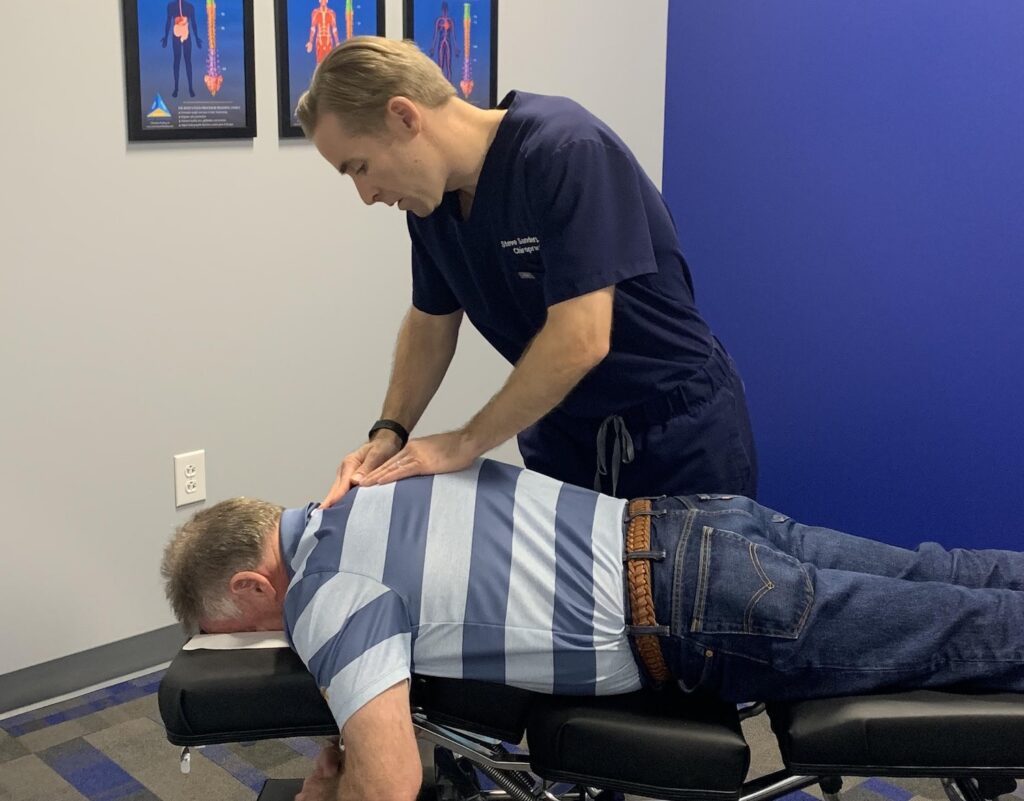
When you think about healthcare, it's clear that one size doesn't fit all. Personalized care takes this into account by tailoring treatment to your unique needs and circumstances, fostering a collaborative relationship with your provider. This approach not only enhances your engagement in managing health but also addresses the underlying factors that affect your well-being. As you consider these benefits, you might wonder how this model translates into real-life outcomes and what role technology plays in shaping your experience. Let's explore these aspects further.
Understanding Personalized Care
Understanding personalized care means recognizing that healthcare isn't one-size-fits-all; it's tailored to meet your unique needs. You deserve a healthcare experience that considers your specific circumstances, preferences, and values. This approach shifts the focus from generic treatments to individualized plans that prioritize your well-being.
In personalized care, the emphasis is on collaboration between you and your healthcare providers. It's about having open conversations where you share your health history, lifestyle choices, and any concerns you might have. This dialogue allows your providers to gain a deeper understanding of your situation, enabling them to craft a treatment plan that aligns with your goals.
You'll likely find that personalized care incorporates various aspects of your life, including your physical health, mental well-being, and social factors. For example, if you're managing a chronic condition, your care team won't just look at lab results; they'll consider how your daily habits, environment, and emotional state influence your health.
This holistic approach fosters a sense of ownership over your healthcare journey. You're not just a patient; you're an active participant. When you engage in your care, you're more likely to adhere to treatment plans, leading to better health outcomes.
Personalized care empowers you to make informed decisions, ensuring that the interventions you receive resonate with your lifestyle and preferences. Ultimately, understanding personalized care means embracing a more tailored, effective, and compassionate approach to your health.
Benefits of Tailored Approaches
When you adopt tailored approaches in healthcare, you can see significant improvements in your health outcomes.
Personalized strategies not only boost your engagement but also enhance your compliance with treatment plans.
This means you're more likely to achieve the results you want.
Enhanced Individual Health Outcomes
Tailored approaches in healthcare really boost individual health outcomes by addressing your unique needs and circumstances. When your care is customized, it considers factors like your medical history, lifestyle, and personal preferences. This means that treatments are more likely to work effectively for you because they fit your specific situation.
For instance, if you have a chronic condition, a personalized plan can focus on managing your symptoms while incorporating your daily routines. This leads to better control of your health and can greatly reduce complications.
Furthermore, when healthcare providers create a plan tailored to you, they're more likely to incorporate preventive measures that align with your risk factors.
Additionally, personalized care often includes regular assessments, allowing for real-time adjustments to your treatment. This flexibility can lead to quicker recovery times and improved overall health.
When you feel understood and valued in your healthcare journey, it can also enhance your motivation to take charge of your health.
Increased Engagement and Compliance
Personalized care not only enhances health outcomes but also greatly boosts your engagement and compliance with treatment plans. When your care is tailored to your specific needs, you're more likely to feel connected and committed to achieving your health goals.
Here's how personalized approaches make a difference:
- Understanding Your Preferences: By considering your lifestyle and preferences, personalized care helps you feel more in control of your treatment.
- Building Trust: When your healthcare provider takes the time to understand you, it fosters a strong relationship, making you more likely to follow recommendations.
- Motivating You: Customized plans often include elements that resonate with you, whether it's setting realistic goals or incorporating your interests, making adherence more enjoyable.
- Tracking Progress: Personalized care often involves regular check-ins, which keep you motivated and accountable, allowing you to see the tangible benefits of your efforts.
Incorporating these tailored elements into your care not only makes you more engaged but also increases your likelihood of sticking to treatment plans.
This results in better health outcomes and a more satisfying healthcare experience overall.
Enhanced Patient Engagement
Recognizing the critical role of patient involvement in healthcare, enhanced patient engagement strategies are transforming the way individuals interact with their medical providers. You're now encouraged to take an active role in your health journey, fostering a collaborative relationship with your healthcare team. This shift empowers you to be more informed and involved in your care decisions.
One effective strategy is the use of digital tools. Apps and online portals allow you to access your medical records, schedule appointments, and communicate directly with your providers. By having this information at your fingertips, you're better equipped to ask the right questions and voice any concerns during your visits.
Another essential aspect is personalized communication. When healthcare providers tailor their communication to fit your specific needs and preferences, you're more likely to feel understood and involved. This approach helps you grasp complex medical information, making it easier to follow treatment plans and adhere to recommendations.
Moreover, educational resources play a key role in patient engagement. By providing you with informative materials relevant to your condition, healthcare professionals help you understand your diagnosis and treatment options. This knowledge fosters a sense of ownership over your health, motivating you to participate actively in your care.
Improved Health Outcomes
When you receive a treatment plan tailored just for you, your chances of achieving better health outcomes increase considerably.
By staying engaged in your care and considering your overall well-being, you're not just treating symptoms—you're addressing the root causes of your health issues.
This holistic approach empowers you to take control of your health journey and see real improvements.
Tailored Treatment Plans
Tailored treatment plans are revolutionizing the way we approach healthcare, offering customized solutions that directly address individual needs. When you engage in personalized care, you're not just another patient; you're an individual with unique circumstances. This personalization leads to improved health outcomes that can greatly enhance your quality of life.
Here are four key benefits of tailored treatment plans:
- Targeted Interventions: You're receiving treatments that focus specifically on your condition, increasing the likelihood of success.
- Minimized Side Effects: By considering your medical history and genetics, providers can choose therapies that reduce adverse reactions.
- Enhanced Monitoring: Your progress is tracked closely, allowing adjustments in real-time to guarantee the best results.
- Greater Satisfaction: With a plan that resonates with your lifestyle and preferences, you're more likely to adhere to treatment and feel satisfied with your care.
Incorporating tailored treatment plans means you're not just a statistic; you're an active participant in your own health journey. This approach maximizes the benefits of healthcare, leading to outcomes that truly matter to you.
Enhanced Patient Engagement
Engaging patients actively in their own care can profoundly boost health outcomes. When you take an active role in your treatment, you're more likely to understand your health conditions and the steps needed to improve them.
Personalized care empowers you to ask questions, voice concerns, and collaborate with your healthcare team, fostering a sense of ownership over your health journey.
This engagement leads to better adherence to treatment plans. When you feel involved, you're more inclined to follow prescribed therapies, attend appointments, and make lifestyle changes.
You become an informed partner in your care, which can greatly enhance your motivation to achieve health goals.
Additionally, open communication with your providers allows for tailored adjustments to your treatment. If something isn't working, you can discuss alternatives, ensuring that your care remains effective and aligned with your needs.
Ultimately, when you're engaged, you're not just a passive recipient of care; you're an active participant.
This shift not only improves your health outcomes but also increases your satisfaction with the care you receive. Embracing this personalized approach can lead to a healthier, more fulfilling life.
Holistic Health Approach
Adopting a holistic health approach means considering the whole person—body, mind, and spirit—rather than just focusing on individual symptoms or conditions.
This all-encompassing view can lead to improved health outcomes that resonate throughout your life. When you embrace this method, you're not just treating illnesses; you're nurturing well-being.
Here are four key benefits of a holistic health approach:
- Enhanced Emotional Well-being: By addressing emotional health, you can alleviate stress and anxiety, which often exacerbate physical conditions.
- Better Physical Health: Integrating nutrition, exercise, and preventive care helps you maintain a strong and resilient body.
- Stronger Relationships: Fostering connections with healthcare providers and support systems enhances your overall healing journey.
- Increased Self-awareness: You'll develop a deeper understanding of your body and its needs, empowering you to make informed health decisions.
When you adopt a holistic approach, you're investing in a healthier future.
Building Trust With Providers
Building trust with healthcare providers is essential for effective personalized care. When you feel confident in your provider, you're more likely to engage openly about your health concerns and preferences. This trust creates a safe environment where you can share your experiences, making it easier for your provider to understand your unique needs.
To build this trust, start by being open and honest during your appointments. Share your medical history, lifestyle choices, and any concerns you may have. The more information you provide, the better your provider can tailor their approach to your specific situation.
Don't hesitate to ask questions; a good provider will welcome your inquiries and take the time to explain things clearly.
Another important aspect is consistency. If you see the same provider regularly, they'll become more familiar with your health journey, helping to strengthen the relationship. When a provider takes the time to get to know you as a person, it fosters a sense of trust that can greatly enhance your care experience.
You should also assess how your provider communicates. If they listen actively and respect your opinions, that's a good sign. Trust isn't built overnight, but with open communication, consistency, and mutual respect, you can lay the foundation for a strong, trusting relationship.
Ultimately, when you trust your healthcare provider, you're more likely to pursue the personalized care that leads to better health outcomes. So, invest in that trust; it's well worth it for your health journey.
Customizing Treatment Plans
Customizing treatment plans is key to achieving the best health outcomes for you. When your care is tailored to your specific needs, you're more likely to see positive results. Here's how customizing your treatment can make a real difference:
- Personalized Goals: Your treatment plan should reflect your health goals. Whether you want to manage a chronic condition or improve your overall wellness, aligning the plan with your objectives keeps you motivated.
- Individualized Interventions: Not every treatment works for everyone. By analyzing your unique medical history, lifestyle, and preferences, your healthcare team can choose interventions that are more likely to succeed for you.
- Ongoing Adjustments: Health isn't static, and neither should your treatment be. Regular evaluations allow your providers to adjust your plan based on how you're responding, ensuring it remains effective and relevant.
- Holistic Approach: A customized plan often considers not just your physical health but also mental and emotional well-being. This thorough view helps in addressing all aspects of your health, promoting overall better outcomes.
Addressing Individual Preferences
Understanding and addressing individual preferences is crucial in creating an effective treatment plan. When you engage in your care, it's imperative that your specific needs and desires are acknowledged. Everyone has different beliefs, values, and lifestyles that shape how they approach health and wellness. By taking the time to understand what matters most to you, healthcare providers can tailor their strategies accordingly.
Imagine you're dealing with a chronic condition. You might prefer a more holistic approach, incorporating lifestyle changes and natural remedies alongside traditional treatments. Or perhaps you value a more straightforward, medication-based strategy. Whatever your preference, communicating it guarantees that you're an active participant in your care, leading to better adherence and outcomes.
Your input also influences the emotional and psychological aspects of your treatment. When you feel heard and respected, it fosters a sense of trust and partnership with your healthcare team. This relationship can greatly impact your motivation and engagement in the treatment process.
Moreover, individual preferences extend beyond treatment choices. They can also include scheduling appointments, the environment where you receive care, and even the communication style of your providers. When these factors align with your preferences, you're more likely to feel comfortable and empowered throughout your healthcare journey.
The Role of Technology
Technology plays a crucial role in personalizing healthcare, making it easier for you to access tailored treatment options. With the rapid advancements in digital tools, your healthcare experience becomes more efficient and customized to your needs.
Here are four key ways technology enhances personalized care:
- Data Analytics: By utilizing big data, healthcare providers can analyze your medical history, lifestyle, and genetic information. This enables them to identify patterns and predict which treatments will work best for you.
- Telemedicine: Virtual consultations allow you to connect with healthcare professionals from the comfort of your home. This accessibility guarantees you receive timely advice and follow-ups, making it simpler to manage your health.
- Wearable Devices: Fitness trackers and smartwatches monitor your essential signs and activity levels in real-time. This data helps you understand your health better and empowers your healthcare team to make informed decisions tailored to your specific situation.
- Personalized Apps: Health apps can remind you of medication schedules, track symptoms, and provide educational resources. These tools help you stay engaged in your care plan and guarantee that your treatment aligns with your preferences and lifestyle.
With these technological advancements, you can take a more active role in your healthcare journey. Personalized care is no longer a distant concept; it's here, and technology is at the forefront, making it more accessible than ever.
Real-Life Success Stories
Many patients have experienced transformative results through personalized care, showcasing the power of tailored healthcare solutions.
Take Sarah, for instance. Struggling with chronic migraines, she felt hopeless after trying countless medications without relief. Once she switched to a personalized care approach, her healthcare team conducted detailed assessments and discovered specific triggers in her diet and lifestyle. By modifying her nutrition and stress management techniques, Sarah saw her migraines decrease dramatically, allowing her to reclaim her life.
Then there's David, who faced an intimidating diabetes diagnosis. Standard treatment plans left him frustrated and confused. When he opted for personalized care, he received an extensive management plan that factored in his unique lifestyle, preferences, and goals.
With the help of a dedicated team, he learned how to monitor his blood sugar effectively and make informed dietary choices. Over time, David not only stabilized his blood sugar levels but also lost weight and improved his overall health.
These stories highlight how personalized care goes beyond one-size-fits-all solutions. By focusing on individual needs, patients can achieve better health outcomes.
You'll find that the benefits of personalized care extend beyond physical health; many patients report improved emotional well-being and a stronger sense of empowerment in managing their health.
Whether it's overcoming chronic pain or managing a complex condition, real-life success stories like Sarah's and David's illustrate that personalized care can truly make a difference in your healthcare journey.
Conclusion
To sum up, personalized care truly stands out as the best choice for your health journey. By tailoring treatment to fit your unique needs and preferences, you're not only more engaged but also more likely to experience better health outcomes. With the support of your healthcare providers, you can build trust and collaborate effectively, making your health management a priority. Embracing this holistic approach empowers you to take ownership of your well-being, leading to a more satisfying healthcare experience.