If you're dealing with chronic back pain, you might be looking for effective, non-invasive solutions to improve your quality of life. Options like physical therapy, chiropractic care, and acupuncture can offer significant relief without the need for surgery or medication. Additionally, integrating mindfulness and lifestyle modifications can further support your journey to wellness. Curious about which specific techniques could work best for you? Let's explore the top solutions that could make a real difference.
Physical Therapy Techniques
When it comes to managing chronic back pain, physical therapy techniques can make a meaningful difference in your recovery. These techniques focus on strengthening your muscles, improving flexibility, and enhancing your overall function.
You'll work closely with a physical therapist who'll assess your specific condition and tailor a program just for you.
One effective approach is therapeutic exercise. These exercises help strengthen the core muscles that support your spine, reducing strain and improving stability.
You'll likely engage in a combination of stretching and strengthening exercises designed to alleviate pain and prevent future injuries.
Manual therapy is another technique your therapist might use. This hands-on approach involves manipulating soft tissues and joints to relieve pain and improve mobility.
It can provide immediate relief and enhance the effectiveness of your exercise program.
Additionally, education plays a vital role in physical therapy. Your therapist'll teach you proper body mechanics and posture, which are essential for preventing further back issues.
Learning how to lift correctly and maintain good posture during daily activities can meaningfully impact your pain levels.
Finally, modalities such as ultrasound or electrical stimulation may also be incorporated into your treatment plan.
These techniques aim to reduce inflammation and promote healing in the affected areas.
Chiropractic Care Benefits
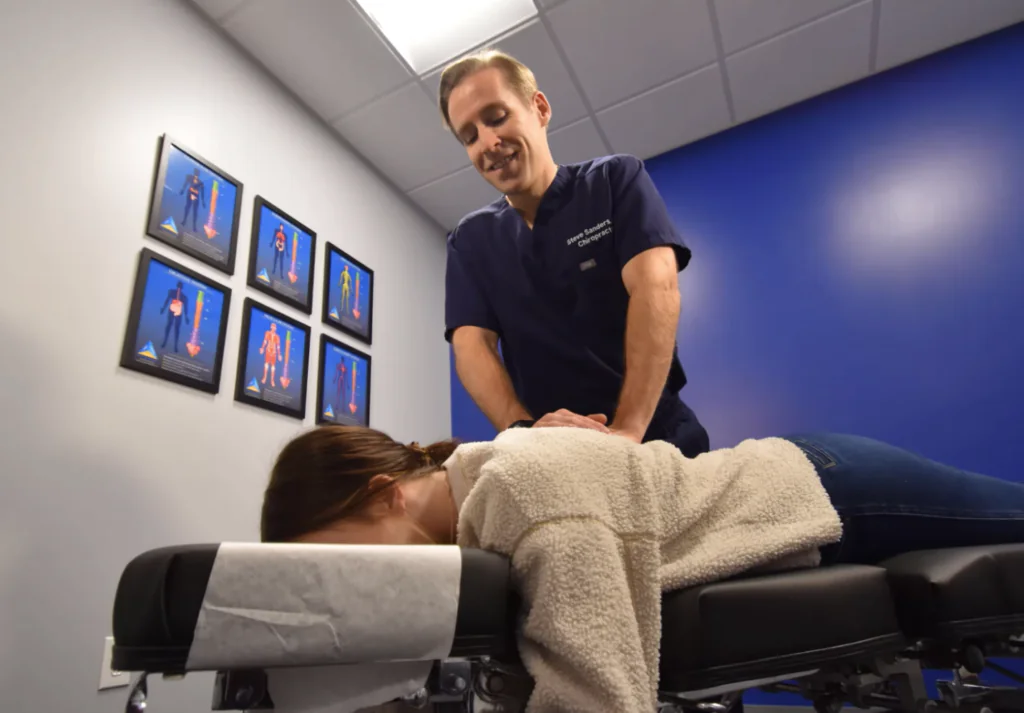
Chiropractic care offers a valuable complement to physical therapy in managing chronic back pain. By focusing on spinal alignment, chiropractors can help restore mobility and reduce discomfort. When you visit a chiropractor, they'll assess your spine and surrounding muscles, identifying misalignments or restrictions that might be contributing to your pain.
One of the main benefits of chiropractic care is its non-invasive nature. Unlike surgical options, chiropractic adjustments aim to correct issues without the need for medications or invasive procedures. You'll likely experience relief from pain and increased mobility after just a few sessions, which can encourage you to stay active and engaged in daily activities.
Additionally, chiropractic care focuses on personalized treatment plans. Your chiropractor will work with you to develop a strategy tailored to your specific needs, incorporating exercises, lifestyle changes, and nutritional advice that can support your recovery and overall well-being. This holistic approach not only addresses the symptoms of your back pain but also targets underlying causes.
Regular chiropractic adjustments can also lead to improved posture and spinal health, which are essential in preventing future episodes of pain. As you continue your treatment, you may find that you become more aware of your body mechanics, helping you avoid movements that could exacerbate your condition.
Acupuncture for Pain Relief
How can acupuncture help alleviate chronic back pain? Acupuncture is an ancient practice rooted in Traditional Chinese Medicine that involves inserting thin needles into specific points on your body. This technique stimulates the nervous system, promoting the release of endorphins, which are your body's natural painkillers. When you undergo acupuncture, you may notice a reduction in pain and an increase in overall well-being.
Many people experience chronic back pain due to muscle tension, injury, or underlying conditions. Acupuncture addresses these issues by improving blood circulation, reducing inflammation, and promoting relaxation.
During your sessions, a licensed acupuncturist will assess your specific needs and tailor the treatment accordingly, guaranteeing a personalized approach. You might find that acupuncture not only helps with pain relief but also enhances your range of motion.
As the needles target trigger points in your back, they can alleviate muscle tightness and improve flexibility. Plus, many patients report better sleep and reduced stress levels after their treatments, which can further contribute to pain management.
While individual responses to acupuncture may vary, numerous studies support its effectiveness for chronic back pain. It's worth considering as part of your holistic pain management strategy.
If you're looking for a non-invasive solution, scheduling an appointment with a qualified acupuncturist could be a step toward finding relief. Remember to consult with your healthcare provider before starting any new treatment to verify it's appropriate for your specific situation.
Mindfulness and Meditation
Mindfulness and meditation can be powerful tools for managing chronic back pain. These practices help you focus on the present moment, allowing you to break the cycle of stress and tension that often aggravates your pain. By cultivating awareness of your body and breath, you can create a sense of calm and relaxation, which may help alleviate discomfort.
To get started, find a quiet space where you won't be disturbed. Sit comfortably, closing your eyes and taking deep breaths. As you inhale and exhale, focus on the sensations in your body. Notice where you feel tension or pain, but try not to judge those feelings. Instead, acknowledge them and cultivate a sense of acceptance. This shift in perspective can transform your relationship with pain, reducing its impact on your daily life.
You can also incorporate mindfulness into your daily activities. Whether you're eating, walking, or even washing dishes, practice being fully present in the moment. This can help you develop a greater awareness of how your body feels, allowing you to identify triggers that may worsen your back pain.
As you build your mindfulness practice, consider setting aside a few minutes each day for meditation. Over time, you may find that these techniques not only help you manage your back pain but also improve your overall well-being.
Embracing mindfulness and meditation can empower you to take control of your pain, leading to a more balanced and relaxed life.
Yoga and Stretching Exercises
Yoga and stretching exercises can greatly improve your back pain by promoting flexibility and strength.
You'll discover key techniques that not only alleviate discomfort but also enhance your mind-body connection.
Engaging in these practices regularly can lead to lasting benefits for your overall well-being.
Benefits of Yoga
Finding relief from chronic back pain often requires a multifaceted approach, and incorporating yoga into your routine can be a game-changer. Yoga isn't just about flexibility; it's a holistic practice that strengthens your body and calms your mind. You'll find that yoga encourages proper posture and alignment, which can greatly reduce strain on your back.
As you engage in various poses, you promote blood flow to your spine, enhancing healing and reducing tension. The gentle stretching involved in yoga helps to release tight muscles and improve overall mobility, making daily activities easier and less painful.
You'll also benefit from the mindfulness aspect of yoga, which teaches you to focus on your breath and body, helping to manage stress that may exacerbate your pain. Moreover, practicing yoga regularly can build core strength, which is essential for supporting your back.
Key Stretching Techniques
When it comes to alleviating chronic back pain, incorporating key stretching techniques can make a significant difference. Regular stretching can improve flexibility, reduce tension, and promote overall spinal health.
Start with gentle stretches like the cat-cow pose, which warms up your spine and alleviates stiffness. This technique involves arching your back while inhaling and rounding it while exhaling, helping to mobilize your back muscles.
Another effective stretch is the child's pose. Kneel on the floor, sit back on your heels, and stretch your arms forward while resting your forehead on the ground. This position gently elongates your spine and releases tension in your lower back.
You might also want to try the seated forward bend. Sit with your legs extended, reach for your toes, and feel the stretch along your hamstrings and lower back.
Hold each stretch for 20-30 seconds and breathe deeply, allowing your body to relax into the movements. Incorporating these stretching techniques into your daily routine can help alleviate discomfort and enhance your overall quality of life.
Remember to listen to your body and avoid pushing yourself too far to prevent injury.
Mind-Body Connection
The mind-body connection plays an essential role in managing chronic back pain, and integrating yoga and stretching exercises into your routine can enhance this relationship. By focusing on your breath and movement, you can cultivate awareness of your body, which helps you identify tension areas that may contribute to pain.
Practicing yoga encourages you to connect with your body through various poses, promoting flexibility and strength. Poses like Child's Pose and Cat-Cow can help stretch and release tight muscles, alleviating discomfort. Incorporating deep breathing exercises during your sessions can further reduce stress and promote relaxation, which is crucial for pain management.
Stretching exercises complement your yoga practice by improving your range of motion and preventing stiffness. When you regularly stretch, you maintain better posture and alignment, reducing strain on your back.
To get started, set aside a few minutes each day for yoga or stretching. Listen to your body and adjust as needed; don't push yourself too hard.
Over time, you'll likely notice improvements in both your physical condition and overall well-being, reinforcing the powerful link between your mind and body in the journey to manage chronic back pain.
Massage Therapy Options
For those seeking relief from chronic back pain, massage therapy offers a variety of effective options tailored to individual needs. Different techniques can address specific issues, whether you're dealing with tension, muscle tightness, or stress-related discomfort.
One popular option is Swedish massage, known for its gentle strokes and focus on relaxation. This technique helps improve blood circulation, which can reduce muscle stiffness and enhance overall mobility.
If you prefer something more intense, deep tissue massage digs deeper into the muscle layers, targeting chronic pain and muscle knots. This option can be particularly beneficial if you've been dealing with persistent discomfort.
Another effective choice is trigger point therapy. This method focuses on specific points within tight muscles, helping release tension and alleviate pain.
If you're seeking a holistic approach, consider incorporating myofascial release, which targets the fascia—the connective tissue surrounding muscles. This technique can help restore movement and relieve pain by stretching and loosening this tissue.
Don't forget about sports massage, especially if you're active or participate in sports. This type of massage can help prevent injuries, reduce tension, and enhance recovery.
Additionally, prenatal massage can provide relief for expectant mothers, focusing on areas that often bear the brunt of added weight and stress.
Before committing to any therapy, consult with a qualified massage therapist to discuss your specific needs and goals. They can recommend the best approach to help you manage your chronic back pain effectively.
Innovative Pain Relief Gadgets
When dealing with chronic back pain, innovative gadgets like TENS units and infrared heating pads can offer significant relief.
These devices use advanced technology to target pain directly, making it easier for you to manage discomfort at home.
Let's explore how these tools can enhance your pain relief routine.
TENS Unit Technology
TENS unit technology has revolutionized the way people manage chronic back pain without invasive procedures.
These devices use low-voltage electrical currents to stimulate your nerves, providing relief by blocking pain signals sent to your brain. It's a simple, portable solution that can fit into your daily routine, whether you're at home or on the go.
Here are some key benefits of using a TENS unit:
- Non-invasive: No needles or surgeries involved, making it a safe alternative.
- Customizable settings: You can adjust intensity and frequency to suit your pain level.
- Portable: Lightweight and easy to carry, so you can use it anywhere.
- Drug-free relief: Reduces reliance on medications, minimizing side effects.
Infrared Heating Pads
In recent years, infrared heating pads have gained popularity as an innovative solution for chronic back pain relief. Unlike traditional heating pads, these devices use infrared technology to penetrate deeper into your muscles and tissues, promoting enhanced blood flow and easing tension.
When you use an infrared heating pad, you'll likely notice a soothing warmth that not only relaxes muscles but also helps reduce inflammation.
One of the key benefits of infrared heating pads is their ability to deliver targeted relief. You can easily place the pad on specific areas of discomfort, allowing for a personalized experience.
Many models are lightweight and portable, making it simple to use them at home, in the office, or while traveling.
Additionally, these pads often come with adjustable temperature settings, so you can customize the heat level to your comfort.
Regular use can lead to long-lasting benefits, helping you manage your chronic back pain more effectively.
If you haven't tried infrared heating pads yet, they might just be the non-invasive solution you need to enhance your daily comfort and well-being.
Lifestyle Modifications for Wellness
Making small lifestyle modifications can considerably enhance your overall wellness and help manage chronic back pain. By making conscious choices in your daily routine, you can alleviate discomfort and improve your quality of life. Here are a few effective changes to contemplate:
- Stay Active: Incorporating regular physical activity into your routine strengthens your back and core muscles. Aim for low-impact exercises like walking, swimming, or yoga, which can improve flexibility and reduce pain.
- Maintain Good Posture: Whether you're sitting, standing, or lifting, practice good posture. Use ergonomic furniture, and be mindful of how you hold your body to minimize strain on your back.
- Mind Your Weight: Carrying excess weight puts additional stress on your back. Adopting a balanced diet and engaging in regular exercise can help you maintain a healthy weight, reducing pressure on your spine.
- Practice Stress Management: High stress levels can exacerbate back pain. Contemplate techniques like meditation, deep breathing exercises, or mindfulness to help alleviate stress and tension in your body.
Conclusion
Incorporating these non-invasive solutions into your routine can make a significant difference in managing chronic back pain. Whether you choose physical therapy, acupuncture, or innovative gadgets, each option offers unique benefits tailored to your needs. Don't forget the importance of lifestyle modifications, like mindfulness and regular exercise, to support your overall well-being. With dedication and the right strategies, you can take control of your pain and enhance your quality of life.