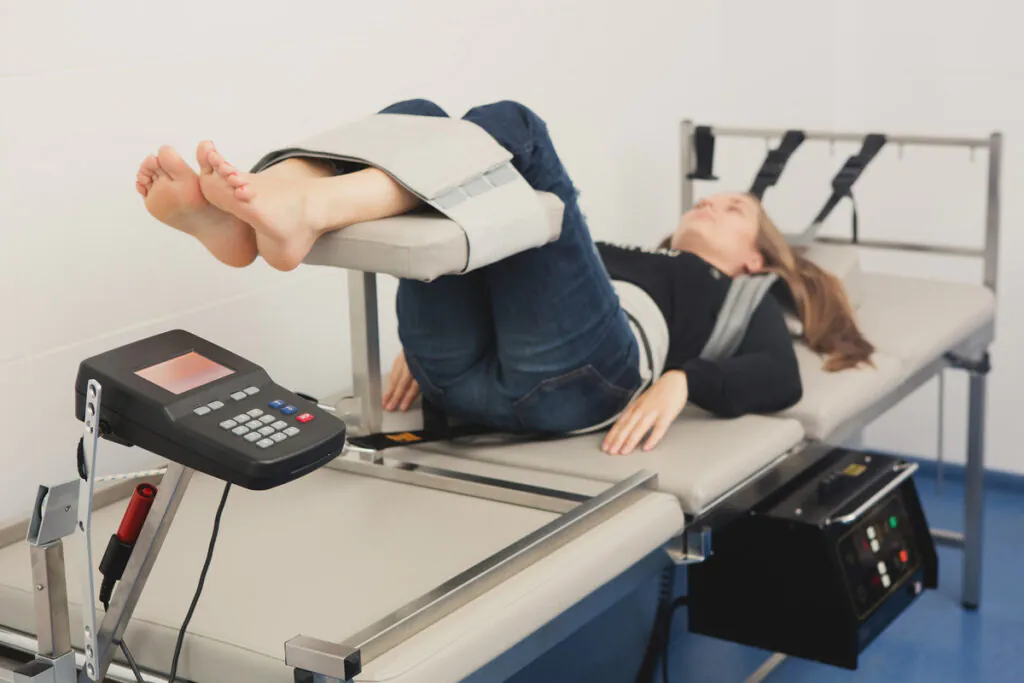
As a local chiropractor, I understand how debilitating lower back pain can be, and I'm here to guide you toward relief in just 30 days. Many people are unaware that a holistic approach, which includes targeted physical activity, maintaining good posture, and managing stress levels, can significantly alleviate pain. By integrating specific strategies into your daily life, you can enhance your mobility and overall comfort.
So, what techniques should you focus on to ensure you're taking the right steps toward healing? Our chiropractic care emphasizes the importance of spinal alignment and its impact on your nervous system, which can play a crucial role in pain management. I encourage you to explore exercises that strengthen your core, practice proper ergonomics while sitting or lifting, and incorporate stress-relief techniques like deep breathing or gentle yoga.
If you're ready to embark on this journey to pain relief, I invite you to schedule a consultation. Together, we can create a personalized plan to help you regain your quality of life and move toward a healthier, pain-free future.
Understanding Lower Back Pain
As a local chiropractor, I want to help you understand lower back pain and how it can significantly impact your daily life and overall well-being. Many of you may feel as though a heavy weight is pulling you down, making even simple tasks feel challenging. This discomfort can also affect your mood and overall quality of life. It's crucial to recognize the underlying causes of your pain in order to find effective, natural solutions.
Lower back pain can stem from a variety of factors, such as muscle strain, herniated discs, and poor posture. You might've lifted something heavy or spent long hours sitting without proper support. By identifying the specific trigger of your pain, we can't only address the discomfort but also tackle its root cause.
Take a moment to reflect on your lifestyle. A lack of physical activity can weaken your muscles, making your back more vulnerable to injury. Conversely, overexertion, particularly without proper technique, can lead to acute pain. Additionally, stress and anxiety can create tension in your back, exacerbating your discomfort.
It's important to listen to your body. If you're experiencing persistent pain, I encourage you to consult with a healthcare professional, like myself, who specializes in chiropractic care. We can work together to diagnose the issue and explore appropriate treatment options tailored to your needs.
Understanding your pain is the first step toward reclaiming your life and improving your well-being. I invite you to take the time to assess your habits and daily activities. With this awareness, you'll be better equipped to effectively manage and alleviate your lower back pain through natural healing methods.
Effective Stretching Techniques
As a local chiropractor, I want to share with you how effective stretching techniques can play a vital role in alleviating lower back pain and improving your overall flexibility. By incorporating these simple yet powerful stretches into your daily routine, you can relieve tension in your lower back, enhance your mobility, and help prevent future discomfort.
Here are some key stretches you might find beneficial.
Let's start with the child's pose. This is a gentle stretch that can really help with lower back tension. Kneel on the floor, sit back on your heels, and extend your arms forward while lowering your torso. Hold this position for about 20-30 seconds, taking deep breaths. This stretch helps elongate your spine and release built-up tension.
Next, consider the cat-cow stretch, which is fantastic for your back. Begin in a tabletop position on your hands and knees. As you inhale, arch your back (this is the cow pose), and then as you exhale, round your spine (this is the cat pose). Repeat this sequence 5-10 times, making sure to synchronize your breath with your movements. It's a great way to increase flexibility and mobility in your spine.
Another effective stretch that I often recommend is the piriformis stretch. For this stretch, lie on your back and cross your right ankle over your left knee. Gently pull your left thigh toward your chest and hold the position for 20-30 seconds before switching sides. This stretch targets the hip area and can help alleviate pressure on your lower back.
Lastly, don't overlook the knee-to-chest stretch. It's simple but very effective. Lie on your back and bring one knee toward your chest while keeping the other leg extended. Hold for 20-30 seconds, then switch legs. This stretch promotes spine flexibility and reduces stiffness, which can be particularly helpful if you experience discomfort.
I encourage you to incorporate these stretches regularly into your routine. Many of my patients have found significant relief from lower back pain and an improvement in overall flexibility through these natural methods.
Strengthening Core Muscles
As a local chiropractor, I want to emphasize the importance of building a strong core for your overall health, particularly when it comes to supporting your lower back and enhancing stability. A strong core serves as your body's powerhouse, helping to distribute strain during daily activities and significantly reducing the risk of pain and injury.
To strengthen your core, I recommend incorporating a range of exercises into your routine. One of the most effective exercises is the plank. This exercise engages multiple muscle groups at once, helping to fortify your core. Start by aiming to hold a plank for 20-30 seconds, and as your core gets stronger, gradually increase the duration.
Another beneficial exercise is the bridge, which targets not only your glutes but also your lower back. To perform this, lie on your back with your knees bent, lift your hips toward the ceiling, and hold for a few seconds before lowering back down. This simple yet effective movement can make a significant difference in your stability.
Don't overlook the value of rotational movements, such as Russian twists. These exercises focus on strengthening your oblique muscles. To do this, sit on the floor with your knees bent, lean back slightly, and twist your torso from side to side while holding a weight or medicine ball. This not only builds core strength but also enhances your functional movement, which is vital for everyday activities.
Additionally, I suggest incorporating exercises using a stability ball. The instability of the ball challenges your core muscles, making for an excellent workout. You can try ball squats or ball passes to effectively engage your core.
I recommend including core-strengthening exercises at least three times a week. As you build strength, you'll likely notice improvements in your posture and balance, along with a reduction in lower back pain.
Taking these proactive steps today can lead to lasting benefits for your back health, complementing the natural healing approach we advocate in chiropractic care. Remember, a strong core isn't just about aesthetics; it's about creating a solid foundation for your entire body.
Posture Improvement Strategies
As a chiropractor dedicated to your well-being, I want to emphasize the importance of a strong core as the foundation for good posture, which plays a critical role in preventing and alleviating lower back pain. Improving your posture is a key step toward a healthier spine and overall body alignment.
To get started, let's focus on your daily habits. Pay attention to how you sit, stand, and move throughout the day. When you're seated, ensure that your back is straight, shoulders are relaxed, and your feet are flat on the floor. I recommend using a chair that provides support for your lower back to help maintain proper spinal alignment.
When standing, it's important to distribute your weight evenly between both feet. Keep your shoulders back and align your head over your spine. A helpful exercise is to stand against a wall; ideally, your heels, buttocks, and head should all make contact with the wall when you're in correct posture. This can help you become more aware of what good posture feels like.
As you walk, remember to keep your head up and your gaze forward, avoiding the temptation to look down at the ground. Engage your core muscles while moving, as this will help stabilize your spine and provide support for your lower back.
Additionally, incorporating stretching and mobility exercises into your daily routine can enhance your flexibility, making it easier to maintain good posture.
Lastly, consider setting reminders on your phone or placing sticky notes around your workspace to prompt you to check your posture throughout the day. By consistently practicing these strategies, you can develop better habits that contribute to a healthier spine and reduce the risk of lower back pain.
Lifestyle Modifications
As a local chiropractor, I want to emphasize how simple lifestyle modifications can have a significant impact on your lower back health. Many of you may not realize how daily activities can affect your spine, so let's explore some practical changes you can make.
First, take a look at your sitting habits. If you find yourself sitting for long periods, it may be time to consider an ergonomic chair designed to support your spine's natural curve. Additionally, ensuring that your computer screen is at eye level can help reduce strain on your back and neck.
Staying active is crucial for maintaining a healthy back. Regular physical activity strengthens your core muscles, which are vital for supporting your lower back. Low-impact exercises, such as walking, swimming, or cycling, can be very beneficial. Even integrating short bursts of movement throughout your day can lead to noticeable improvements in your back health.
Your sleep environment is another important factor. A mattress and pillow that provide proper support can greatly enhance your comfort and spinal alignment. I recommend sleeping on your side with a pillow between your knees, as this position helps maintain a neutral spine.
Nutrition also plays a vital role in back health. A balanced diet can help you manage your weight and reduce stress on your lower back. Incorporating anti-inflammatory foods, like fruits, vegetables, and whole grains, can't only support overall health but may also contribute to pain relief.
Lastly, managing stress is essential. Chronic stress can lead to muscle tension, which can exacerbate back pain. Techniques such as mindfulness, yoga, or other relaxation practices can help keep stress levels in check.
Alternative Therapies
As a local chiropractor, I want to share some insights into how exploring alternative therapies can provide effective relief for lower back pain and enhance your overall well-being. These therapies often embrace a holistic approach and can work alongside traditional treatments to promote healing.
Here are a few alternative therapies you might find beneficial:
1. Acupuncture: This age-old Chinese practice involves the careful insertion of thin needles into specific points on your body. It's designed to reduce pain and foster healing by restoring balance to your body's energy flow.
2. Chiropractic Care: At our clinic, we focus on spinal manipulation to address misalignments in your spine. This technique can significantly improve your posture, relieve nerve pressure, and offer substantial relief from lower back pain.
3. Massage Therapy: Therapeutic massage is a wonderful complement to chiropractic care. It helps to relax tight muscles, enhance circulation, and reduce stress.
Whether you prefer deep tissue, Swedish, or trigger point massage, regular sessions can be incredibly effective in managing discomfort.
4. Yoga: Incorporating yoga into your daily routine can boost your flexibility, strengthen your core, and improve your posture. Certain poses are particularly effective for targeting the lower back, helping to alleviate pain and prevent future issues.
As you consider these therapies, it's essential to remember that everyone's body responds differently.
It's important to listen to your body and consult with us or other healthcare professionals before embarking on any new treatment plan.
By integrating alternative therapies into your pain management strategy, you may uncover a more comprehensive approach to healing.
Embrace this journey toward better health, and let's find the best solutions for you together!
Pain Management Techniques
As a local chiropractor, I want to share some effective strategies for managing lower back pain that can greatly enhance your comfort and well-being.
It's important to understand that you have various options when it comes to natural healing.
First, incorporating stretching and strengthening exercises into your routine can help alleviate pain and improve flexibility.
These exercises target the muscles that support your spine, helping to reduce strain and discomfort.
Additionally, utilizing heat and cold therapy can provide immediate relief.
Applying heat can relax tight muscles, while cold therapy can reduce inflammation and numb pain.
It's a simple yet effective way to manage your symptoms at home.
Finally, practicing mindfulness techniques, such as meditation or deep-breathing exercises, can play a crucial role in your pain management.
By focusing on your breath and being present in the moment, you can help reduce stress and tension in your body.
I encourage you to explore these strategies and consider how they can fit into your daily routine.
With the right approach, you can find relief from lower back pain and enhance your overall health.
Stretching and Strengthening Exercises
As a local chiropractor, I want to share with you the importance of stretching and strengthening exercises in managing lower back pain and promoting overall spinal health. Incorporating these exercises into your daily routine can significantly improve your flexibility, build core strength, and alleviate discomfort.
Here are four effective exercises that I often recommend to my patients:
- Cat-Cow Stretch: Begin on all fours, arching your back upward like a cat, and then gently dipping it down while lifting your head as if you were a cow. This dynamic movement helps increase the flexibility of your spine, which is crucial for maintaining a healthy back.
- Child's Pose: Kneel down and sit back on your heels while extending your arms forward on the ground. This position stretches and elongates your back, helping to relieve built-up tension that can contribute to pain.
- Plank: Lie face down and then lift your body off the ground using your forearms and toes, maintaining a straight line from your head to your heels. This exercise is excellent for strengthening your core muscles and stabilizing your lower back, which is essential for proper posture and spinal alignment.
- Bridges: Lie on your back with your knees bent. Gently lift your hips toward the ceiling while squeezing your glutes. This exercise not only strengthens your lower back and glutes but also supports proper spinal alignment.
By incorporating these exercises into your daily life, you can find relief from lower back pain while simultaneously building strength and stability.
Heat and Cold Therapy
As a local Chiropractor, I want to share with you how heat and cold therapy can be valuable tools in managing lower back pain. Many of my patients find that incorporating these simple therapies into their routine can significantly enhance their comfort and aid in their recovery.
When you apply heat—whether through a heating pad, warm towel, or even a warm bath—you're promoting increased blood flow to the affected area. This helps to relax tight muscles and alleviate discomfort. I recommend applying heat for about 15-20 minutes at a time, making sure it's warm, not hot, to avoid any burns.
On the flip side, cold therapy is excellent for reducing inflammation and numbing sharp pain. You can use ice packs or even a bag of frozen vegetables wrapped in a towel. Applying cold for 15-20 minutes can be very effective, but it's important to take breaks in between applications to protect your skin from damage.
Many patients find that alternating between heat and cold therapy works wonders for them, as each method addresses different aspects of pain relief. I encourage you to experiment with both therapies to discover which one provides you the most relief.
Incorporating these therapies into your daily routine can significantly contribute to your healing process and help you manage your lower back pain more effectively.
Always listen to your body, and don't hesitate to reach out if you have questions or need guidance on which method might be best for your individual situation.
Mindfulness and Relaxation Techniques
As a local chiropractor, I want to share with you some effective methods to alleviate lower back pain that you may not be familiar with. Mindfulness and relaxation techniques can be invaluable tools in your recovery process. These practices can help you manage stress, reduce muscle tension, and enhance your overall well-being, which is crucial in supporting your body's healing abilities.
By incorporating mindfulness and relaxation into your daily routine, you may find significant relief from discomfort.
Here are four techniques to get you started on your healing journey:
- Deep Breathing: Take a moment to focus on your breath. Inhale deeply through your nose for a count of four, hold it for four, and then exhale slowly through your mouth for another count of four. This simple exercise helps calm your nervous system and can reduce your perception of pain.
- Progressive Muscle Relaxation: This technique involves tensing and then relaxing each muscle group in your body, starting from your toes and working your way up to your head. This method can help release the built-up tension that often contributes to back pain.
- Guided Imagery: Allow your mind to wander to a peaceful place or scene that brings you comfort. By visualizing a calming environment, you can distract yourself from pain and promote a sense of relaxation.
- Mindful Meditation: Set aside a few minutes each day to sit quietly. Focus on your breath and observe your thoughts without judgment. This practice can increase your self-awareness and help you develop better coping mechanisms for managing pain.
By integrating these mindfulness and relaxation techniques into your daily life, you may experience not only relief from pain but also a greater sense of control over your body and well-being.
As your chiropractor, I encourage you to explore these natural healing methods alongside any chiropractic treatments we may provide to enhance your recovery journey.
Tracking Your Progress
Tracking your progress is essential for effectively managing lower back pain, especially when incorporating chiropractic care into your treatment plan. As your chiropractor, I encourage you to keep a detailed record of your pain levels, activities, and any treatments you undergo. This practice will help you identify patterns and understand what approaches are most beneficial for your recovery.
Begin by maintaining a daily journal or consider using a mobile app designed for tracking pain. Rate the intensity of your pain on a scale from 1 to 10, and document any activities that may have contributed to your discomfort. This information can be invaluable in understanding your condition.
Setting specific recovery goals is also crucial. Whether your aim is to improve mobility, increase strength, or reduce pain, having clear targets keeps you focused on your healing journey. I recommend conducting weekly reviews of your journal to identify trends over time. Are certain activities consistently triggering your pain? Are there particular days when you notice substantial improvement? This insight is key for adjusting your treatment plan effectively.
Additionally, make sure to document any exercises or treatments you're trying, whether it's chiropractic adjustments, physical therapy, yoga, or medication. Noting what you've used and its effectiveness helps in making informed decisions about your care.
Remember to celebrate small victories—every improvement, no matter how minor, is a step towards recovery!
Finally, sharing your progress with me during our appointments is highly beneficial. With the detailed insights you provide, I can better tailor your treatment to suit your needs. By taking charge of your progress, you empower yourself on your recovery journey, staying motivated and engaged.
The more informed you're about your body's responses, the more effectively you can manage your lower back pain with natural healing methods, including chiropractic care.
Conclusion
As a local chiropractor, I want to share with you some effective strategies to address lower back pain over the next 30 days. By incorporating stretching and core-strengthening exercises into your routine, you can significantly improve your back health. Additionally, paying attention to your posture is crucial; it can make a big difference in how your back feels throughout the day.
Lifestyle changes also play an important role. Consider small adjustments like staying active, maintaining a healthy weight, and ensuring your workspace is ergonomically friendly. I encourage you to explore alternative therapies, such as chiropractic adjustments, which can help realign your spine and alleviate pressure on nerves.
Don't underestimate the power of pain management techniques that resonate with you, whether it's heat therapy, massage, or mindfulness practices. As you track your progress, you'll learn what methods work best for your body, enhancing your mobility and relieving discomfort.
Take the first step towards reclaiming your health and let's work together on your journey to a pain-free back!