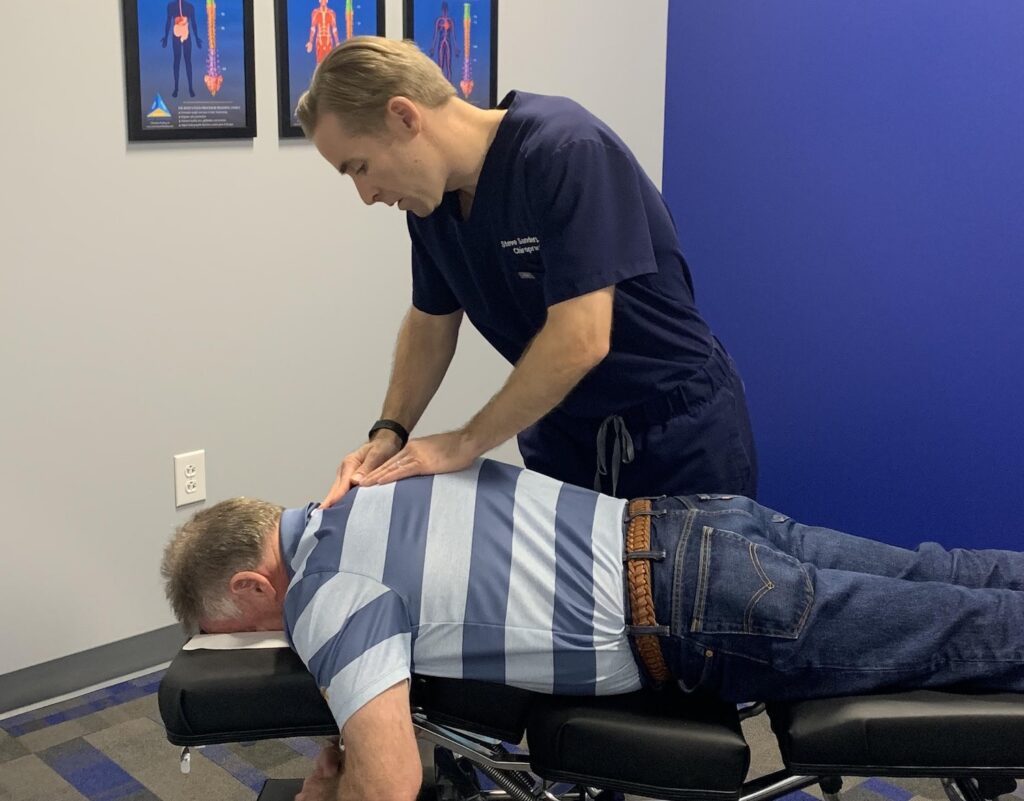
As a local chiropractor, I want to assure you that if you're experiencing lower back pain, you're not alone in this journey. It can often feel daunting to navigate the multitude of treatment options available. You may have heard about various methods, including heat and cold therapy or chiropractic care, but understanding how each can specifically benefit your situation is crucial.
Chiropractic care is a natural approach to healing that focuses on aligning the spine and improving overall body function. Many patients find relief from lower back pain through spinal adjustments, which can help alleviate pressure on nerves and improve mobility. This method, along with other treatments like massage therapy and exercise, can work synergistically to promote healing and pain relief.
Moreover, I encourage you to consider the surprising benefits of some lesser-known approaches like acupuncture or yoga, which can also play a significant role in managing pain and enhancing your overall well-being.
As you explore these treatment options, remember that each individual is unique, and what works for one person may not work for another. Let's work together to find the best fit for you so that you can enjoy a pain-free life again.
Heat Therapy
As a chiropractor, I often see patients who are unfamiliar with the benefits of heat therapy for managing lower back pain. It's a straightforward yet powerful approach to alleviating discomfort and promoting healing in your body. When you apply heat to your lower back, it increases blood circulation, delivering essential nutrients and oxygen to the affected area. This process helps to reduce muscle stiffness and relaxes tense muscles, allowing for greater mobility and less pain.
There are various methods to utilize heat therapy, including heating pads, hot water bottles, and warm towels. A warm bath can also be incredibly beneficial! Just be cautious to ensure the heat isn't too intense; it should feel warm and soothing rather than burning. I recommend applying heat for sessions of about 15 to 20 minutes, several times throughout the day. It's crucial to listen to your body—if the heat feels too hot, don't hesitate to lower the temperature.
Many of my patients find that using heat therapy before physical activity helps to loosen tight muscles, making it easier to exercise without exacerbating their pain. Additionally, incorporating heat therapy into your daily routine can enhance your overall mood and reduce stress, both of which can contribute to back pain.
As you explore natural healing methods, remember that heat therapy can be a valuable tool in your journey toward wellness. Don't hesitate to reach out if you have any questions or need guidance on how to effectively implement heat therapy into your routine.
Cold Therapy
As a local chiropractor, I want to share with you an effective method for managing lower back pain: cold therapy. Many of my patients find that applying cold packs can significantly reduce inflammation and numb discomfort, allowing for easier movement.
It's a natural and non-invasive way to relieve pain.
Let's discuss the best techniques for using cold therapy and the optimal times to apply it to achieve the best results. Understanding how to properly use cold therapy can enhance your healing process and support your overall well-being.
Benefits of Cold Therapy
As a local chiropractor, I want to share with you the benefits of cold therapy for managing lower back pain—a common issue many of my patients face. Cold therapy is a simple yet effective approach that numbs the affected area, helping to alleviate pain and discomfort.
When you apply cold to your lower back, it constricts blood vessels, which reduces inflammation and swelling—especially beneficial if you've suffered a recent injury or strain.
In addition to pain relief, cold therapy can slow down nerve activity in the area, providing immediate comfort. Many of my patients report that using cold packs allows them to engage in daily activities with greater ease, promoting a more active lifestyle.
One of the best aspects of cold therapy is that it's a non-invasive option, helping you avoid medications that can come with unwanted side effects.
Another advantage is how accessible cold therapy is. You can easily use ice packs, frozen vegetables, or homemade cold compresses—these options are often readily available in your home.
This convenience makes it an attractive choice for many individuals, allowing you to incorporate it seamlessly into your routine, whether you're at home or on the go.
With these benefits in mind, I encourage you to consider cold therapy as a valuable tool in your journey to manage lower back pain naturally. As your chiropractor, I'm here to support you in exploring various methods of healing that align with your health goals.
Application Techniques Explained
As a local chiropractor, I want to share with you the effective application of cold therapy to help manage and alleviate your lower back pain. Understanding how to use this technique properly can greatly enhance your recovery process.
First, gather your materials—ice packs, frozen vegetables, or even a damp cloth can serve as excellent options. If you choose to use ice, be sure to wrap it in a thin towel. This step is crucial because it protects your skin from direct contact, which can lead to frostbite.
Next, find a comfortable position where you can relax your lower back. Once settled, apply the cold pack to the affected area for about 15 to 20 minutes. It's essential to pay attention to how your body reacts during this time. If you start to feel excessive discomfort or if your skin becomes too cold, please remove the pack right away.
After each application, allow your skin to rest for at least 30 minutes before considering reapplication. You can repeat this cold therapy process several times throughout the day, especially after activities that may trigger your pain.
Consistency is key—incorporating this technique into your daily routine will yield the best results. By following these guidelines, you can maximize the benefits of cold therapy, helping to ease your lower back pain and support your journey towards recovery.
Ideal Timing for Use
As your local chiropractor, I want to emphasize the importance of timing when it comes to using cold therapy for lower back pain relief. If you're experiencing discomfort or have recently sustained an injury, applying cold therapy promptly is key to achieving the best results. It's most effective when used within the first 48 hours after the onset of pain or a flare-up, as this can significantly help reduce inflammation and numb the affected area, aiding in a quicker recovery.
When you start to feel discomfort, reach for an ice pack, a bag of frozen vegetables, or a cold compress. Apply it to the painful area for about 15 to 20 minutes. Just remember to take breaks in between applications to protect your skin from damage. You can repeat this process every couple of hours as needed.
If your pain continues beyond this initial period, don't worry—cold therapy can still be beneficial during flare-ups. However, for those dealing with chronic pain, I often recommend transitioning to heat therapy after the first 48 hours. Heat can be incredibly soothing for tight muscles and helps improve blood circulation, which is essential for long-term healing.
Understanding how to use these therapies effectively can make a significant difference in your recovery journey. If you have any questions about how to incorporate these techniques into your pain management plan, feel free to reach out during your next visit. Your health and comfort are our priority!
Physical Therapy
How can chiropractic care transform your experience with lower back pain? It provides a holistic approach to help you regain strength, flexibility, and mobility without relying solely on medication.
With a skilled chiropractor guiding you, you'll learn natural techniques tailored to your specific condition, empowering you to manage and alleviate pain effectively.
Here are some key benefits you can expect from chiropractic care:
- Comprehensive Evaluation: Your chiropractor will assess your condition, identifying the underlying causes of your pain through a thorough examination.
- Spinal Adjustments: You'll receive targeted adjustments designed to realign your spine and improve your overall posture, which can alleviate pressure on your nerves and reduce pain.
- Enhanced Flexibility: Specific stretching and mobilization techniques will help enhance your range of motion, making everyday activities easier and more comfortable.
- Natural Pain Relief Techniques: You'll learn effective strategies to manage pain naturally, including heat therapy, soft tissue work, and therapeutic exercises.
- Education and Prevention: Your chiropractor will educate you on maintaining proper body mechanics and posture, equipping you with the knowledge to prevent future injuries.
Engaging in chiropractic care is a proactive step towards taking control of your lower back pain.
By committing to a consistent treatment plan, you can experience substantial improvements in your overall quality of life.
You'll not only address your current discomfort but also develop the tools needed to prevent future flare-ups, keeping you active and engaged in your daily activities.
Don't let lower back pain hinder your life any longer; discover the healing benefits of chiropractic care today!
Chiropractic Care
As your local chiropractor, I'm here to introduce you to the powerful benefits of chiropractic care, especially for those of you dealing with lower back pain. My goal is to help you understand how we can address not just the symptoms you're experiencing but also the underlying causes of your discomfort.
When you come in for a visit, I'll conduct a thorough assessment of your spine and overall musculoskeletal health. This allows me to identify any misalignments in your body that may be contributing to your pain. By using spinal adjustments to correct these misalignments, you can experience significant relief and improve your overall function.
I utilize various techniques tailored specifically to your needs. These may include manual adjustments, where I apply controlled force to your joints to restore proper alignment, or gentler methods that focus on mobilizing your spine. Additionally, I may incorporate complementary therapies, such as ultrasound therapy or electrical stimulation, to enhance the effectiveness of your treatment.
One of the most rewarding aspects of chiropractic care is that it encourages your body to heal itself. By restoring proper alignment, we're addressing the root of the issue rather than simply masking the pain. Regular visits can lead to better posture, improved mobility, and a decreased chance of future injuries.
Beyond pain relief, many of my patients find that chiropractic care supports their overall wellness. You might notice improvements in your sleep, increased energy levels, and a newfound enjoyment of activities you previously avoided due to discomfort.
If you're looking for a holistic approach to managing your lower back pain, I invite you to consult with me. Together, we can create a personalized treatment plan designed to provide lasting relief and help restore your quality of life. Your journey to better health starts here!
Massage Therapy
If you're seeking a natural and effective way to alleviate lower back pain, chiropractic care could be the solution you're looking for. This holistic approach not only focuses on relieving tension in your spine and surrounding muscles but also promotes overall wellness and relaxation.
Whether you're experiencing chronic discomfort or occasional tightness, the benefits of chiropractic adjustments can be substantial.
Here's what you can expect during a chiropractic session:
- Relief from Spinal Misalignment: Chiropractors use precise techniques to realign the vertebrae in your spine, which can help alleviate pressure on nerves and reduce muscle tension in your lower back.
- Improved Blood Flow: Adjustments enhance circulation, allowing oxygen and nutrients to reach your muscles more effectively. This can speed up recovery and lessen pain.
- Increased Flexibility: Regular chiropractic care can help improve your range of motion, making daily activities more manageable and less painful.
- Stress Reduction: The overall calming effect of chiropractic adjustments can lower stress hormones, promoting relaxation and reducing anxiety.
- Customized Care Plans: Chiropractors often develop personalized treatment plans based on your specific needs, addressing your individual pain points and health goals.
Integrating chiropractic care into your wellness routine can be an invaluable asset in your journey toward lower back pain relief.
It's essential to communicate openly with your chiropractor about your pain levels and any areas of concern you may have. This dialogue ensures that each session is tailored to your needs, maximizing its effectiveness and supporting a healthier, more comfortable lifestyle.
Over-the-Counter Medications
As a local chiropractor, I want to share some insights about managing lower back pain, particularly through the use of over-the-counter medications. Many individuals seek quick relief from discomfort, and these medications can be an accessible option for you. They can be found easily at pharmacies and don't require a prescription, making them a popular choice.
The most common types of over-the-counter options include nonsteroidal anti-inflammatory drugs (NSAIDs) like ibuprofen and naproxen, as well as acetaminophen. NSAIDs can be particularly helpful if your back pain stems from inflammation, such as due to a muscle strain or overexertion. They work by reducing inflammation and alleviating pain, but it's crucial to adhere to the recommended dosage. Overuse can lead to side effects, including stomach irritation or an increased risk of bleeding.
On the other hand, acetaminophen is an effective pain reliever that might be suitable for those who are sensitive to NSAIDs. It blocks pain signals reaching the brain but doesn't tackle inflammation. If your lower back pain isn't associated with swelling, acetaminophen could be a better fit.
While over-the-counter medications can provide temporary relief, I encourage you to consider them as part of a broader approach to healing. Incorporating rest, ice, or heat therapy, along with chiropractic care, can significantly enhance your recovery process.
Remember, these medications aren't intended for long-term use without consulting a healthcare professional. If your pain persists beyond a few days or worsens, seeking further medical advice is vital.
Prescription Medications
As your local chiropractor, I want to help you explore all your options for managing lower back pain, especially when over-the-counter remedies aren't providing the relief you need.
While prescription medications like stronger pain relievers and muscle relaxants can be considered, it's essential to understand that these come with potential side effects.
Instead, I encourage you to think about natural healing methods, which focus on addressing the root causes of pain rather than just masking symptoms.
Chiropractic care can help improve your spinal alignment, reduce tension in your muscles, and enhance overall mobility.
By understanding the benefits of these natural approaches, you can make a more informed decision about your health and well-being.
Let's work together to find the best path to recovery!
Common Prescription Options
If you're dealing with ongoing lower back pain, it's important to know that there are various approaches to finding relief, including chiropractic care and natural healing methods.
While some may consider prescription medications, I want to share insights into how chiropractic treatment can provide a holistic alternative.
- Chiropractic Adjustments: Our primary focus is on spinal manipulation to restore proper alignment. This can alleviate pain and improve function without the need for medications.
- Soft Tissue Therapy: Techniques such as massage or myofascial release can help relieve muscle tension and spasms that often accompany back pain.
- Exercise and Rehabilitation: We emphasize the importance of tailored exercise programs to strengthen your core and support your spine, which can lead to long-term relief.
- Nutritional Guidance: Proper nutrition can play a significant role in managing inflammation. We can provide advice on dietary choices that may help reduce pain naturally.
- Lifestyle Modifications: Simple changes in your daily routine, such as ergonomic adjustments or stress management techniques, can significantly impact your overall well-being.
If you're interested in exploring a natural approach to managing your lower back pain, I encourage you to schedule a consultation.
Together, we can develop a personalized treatment plan that aligns with your health goals and promotes healing without reliance on medications.
Potential Side Effects
As a local chiropractor, I want to take a moment to educate you about the potential side effects of relying on prescription medications for lower back pain. While these medications can provide temporary relief, it's essential to be aware of the possible experiences that come with them.
Common side effects may include dizziness, drowsiness, and nausea, which can disrupt your daily life. If you're using opioids for pain management, you should also be aware of the risk of constipation—a condition that can be quite uncomfortable.
Some individuals may find that stronger medications can lead to confusion or mood changes. Additionally, long-term use can create issues such as dependency or tolerance, meaning you may find yourself needing higher doses to achieve the same level of relief.
You might even experience increased sensitivity to pain, known as hyperalgesia, which can make your discomfort feel more intense over time.
It's also crucial to consider how these medications interact with any other treatments you may be undergoing. For example, taking painkillers alongside antidepressants or anti-anxiety medications can increase the likelihood of side effects. Always be open with your healthcare provider about all the medications you're taking to help mitigate these risks.
As a chiropractor, I advocate for natural healing methods that can help alleviate pain without the unwanted side effects associated with prescriptions.
If you notice any unusual symptoms or if your pain continues, I encourage you to reach out to your healthcare provider. Taking a proactive approach to your health can empower you to manage your discomfort effectively while exploring natural treatment options for relief.
Exercise and Stretching
As a local chiropractor, I want to emphasize the importance of incorporating exercise and stretching into your daily routine to help alleviate lower back pain naturally. Regular physical activity not only strengthens your core muscles but also improves flexibility and enhances overall mobility.
These benefits can significantly improve how you feel daily and can even help prevent future discomfort.
Here are some effective exercises and stretches that I recommend for my patients:
- Cat-Cow Stretch: This gentle stretch is excellent for mobilizing your spine and relieving tension in your back.
- Child's Pose: A restorative position that effectively stretches the lower back while promoting relaxation.
- Pelvic Tilts: This exercise not only strengthens your abdominal muscles but also provides essential support to your lower back.
- Knee-to-Chest Stretch: This stretch helps to release tightness in the lower back and can enhance flexibility.
- Bridging: By strengthening your glutes and lower back, this exercise also helps stabilize your core.
I encourage you to incorporate these exercises into your routine at least three times a week. It's important to start slowly, listen to your body, and avoid any movements that cause discomfort.
I always recommend consulting with a healthcare professional or a physical therapist before beginning a new exercise regimen, especially if you have any existing conditions or concerns.
With consistent practice and proper technique, you may find that exercise and stretching not only relieve your lower back pain but also contribute positively to your overall well-being.
Acupuncture
As a local chiropractor, I want to share some insights about an ancient healing practice known as acupuncture, which is increasingly being recognized for its effectiveness in treating lower back pain.
This technique involves the insertion of thin needles into specific points on the body, stimulating various pain relief mechanisms. Many of my patients have found that acupuncture provides a distinct approach to alleviating discomfort, enhancing their overall sense of well-being.
It's an excellent complement to chiropractic care, as both aim to promote natural healing and restore balance within the body.
If you're curious about exploring alternative methods for pain relief, acupuncture could be a valuable option to consider alongside your chiropractic treatment.
Ancient Healing Practice
As a local chiropractor, I want to introduce you to an ancient healing practice that many may not be familiar with: acupuncture. This natural remedy has gained traction for its effectiveness in relieving lower back pain, and I believe it can be a valuable part of your recovery journey.
Here are some important aspects of acupuncture to consider:
- Holistic Approach: Acupuncture doesn't just target your pain; it looks at your entire well-being, promoting balance and overall health.
- Natural Method: This technique utilizes your body's innate healing abilities, meaning you won't rely on medications or invasive procedures.
- Minimal Discomfort: Many people are pleasantly surprised by how painless the needle insertion can be, often feeling a sense of relaxation during their sessions.
- Customizable Treatment: Each acupuncture session is tailored to your individual symptoms and health history, ensuring a personalized experience.
- Complementary Therapy: Acupuncture can enhance the effectiveness of other treatments, making it a great addition to your overall care plan.
Numerous patients have reported significant improvements in their pain levels and mobility after just a few sessions of acupuncture.
If you're seeking a non-pharmaceutical approach to manage your lower back pain, I encourage you to explore acupuncture as a viable option. Embrace this ancient practice and see how it can aid in your healing process.
Pain Relief Mechanisms
When considering options for relieving lower back pain, it's essential to explore the benefits of chiropractic care as a natural healing approach. Chiropractic treatment focuses on the musculoskeletal system, particularly the spine, to help alleviate discomfort and promote overall wellness.
During a chiropractic session, your chiropractor will assess your posture, alignment, and any areas of tension or pain. They utilize hands-on techniques to adjust the spine and other joints, which can help restore proper alignment. This realignment can enhance your body's natural ability to heal itself by improving nerve function and increasing blood flow to the affected areas.
Many patients experience immediate relief from pain and tension after chiropractic adjustments. Additionally, regular visits can help address underlying issues, such as muscle imbalances or postural problems, contributing to long-term pain relief. By restoring balance in your body, chiropractic care can make you less prone to future discomfort.
Incorporating chiropractic care into your pain management routine can lead to significant improvements in your overall well-being. It's a holistic approach that works well alongside other treatments, empowering you to take control of your back pain effectively.
If you're interested in learning more about how chiropractic care can benefit you, I encourage you to consult with a licensed chiropractor for personalized insights and treatment plans tailored to your specific needs.
Injections and Surgery
If you're dealing with persistent lower back pain and haven't found relief through natural methods like chiropractic care, it may be helpful to understand the options available, including injections and surgery.
While these approaches can be effective, they're often seen as a last resort after exploring more conservative treatments. Here's a breakdown to help you understand these options:
Injections:
- Corticosteroid Injections: These can help reduce inflammation and pain in your back, but it's essential to remember they provide only temporary relief and don't address the underlying issue.
- Epidural Steroid Injections: Specifically aimed at nerve roots in your spine, these can alleviate pain that radiates down your legs, but again, they don't fix the root cause of your discomfort.
- Facet Joint Injections: These injections can help you identify if your back pain is stemming from the small joints in your spine. While they may provide temporary relief, it's vital to consider long-term solutions.
- Nerve Block Injections: These can effectively block pain signals for certain nerve-related issues, but relying on them may not lead to a lasting solution.
- Platelet-Rich Plasma (PRP) Injections: Utilizing your own blood, PRP can encourage tissue healing, but exploring natural healing methods through chiropractic care may offer a more holistic approach.
Surgery:
When injections fail to provide lasting relief, surgical options may be considered. Common procedures include:
- Discectomy: This surgery involves removing a herniated disc to relieve nerve pressure, but it can come with risks and a long recovery time.
- Laminectomy: This procedure removes part of the vertebra to alleviate spinal stenosis, but it's crucial to weigh the benefits against potential complications.
- Spinal Fusion: This surgery stabilizes the spine by joining two or more vertebrae, yet it can limit mobility in the long run.
While injections may offer temporary relief and surgery aims for long-term results, I encourage you to consider chiropractic care and natural healing methods first.
Chiropractic adjustments can help realign your spine, improve mobility, and promote your body's natural healing processes.
Always consult with your healthcare provider to discuss the best options tailored to your unique condition, and consider incorporating a holistic approach to your back pain management.
Conclusion
As a local chiropractor, I want to emphasize how crucial it is to find the right treatment for your lower back pain. Many patients are unaware of the holistic benefits that chiropractic care can offer. Whether it's through gentle adjustments, heat therapy, or a personalized exercise regimen, it's essential to pay attention to what your body is telling you. I encourage you to consult with a healthcare professional who can guide you in exploring these natural healing methods. By incorporating a variety of approaches and making some lifestyle changes, you can effectively manage your pain and enhance your overall back health. Don't let lower back pain control your life—take the first step towards relief and well-being!