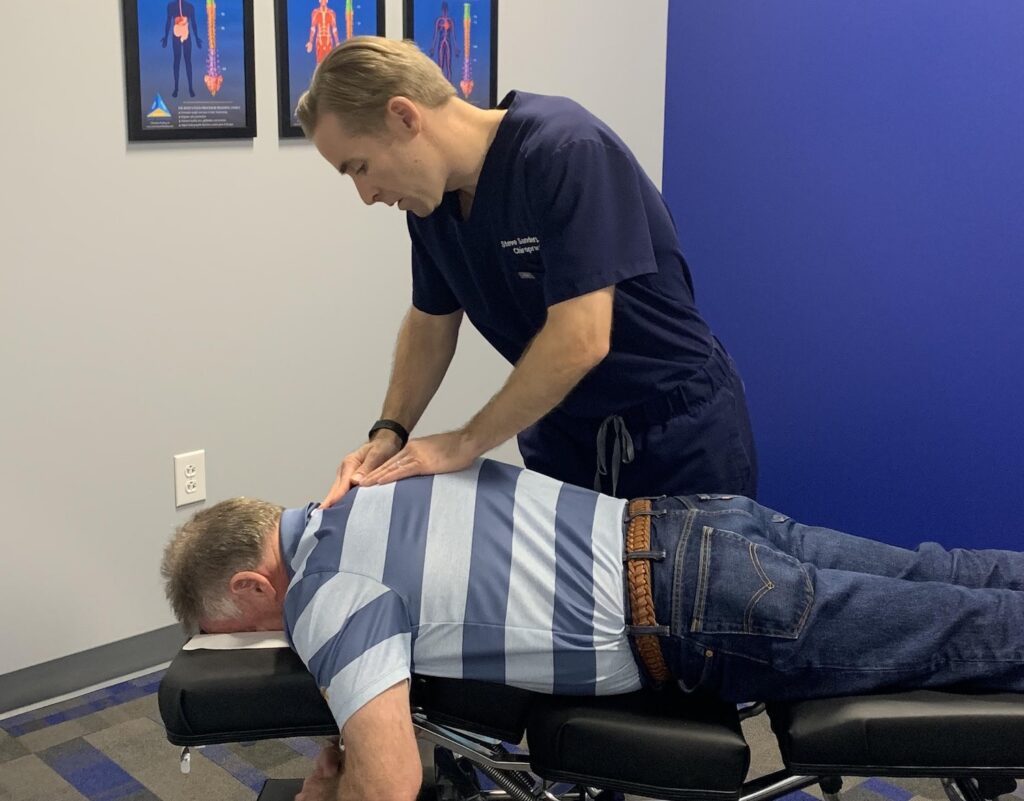
If you're experiencing upper back discomfort, it's important to know that you're not alone—this issue is quite common. As a chiropractor, I often see patients who are unaware of the underlying causes of their discomfort, and understanding these causes is the first step towards finding relief. Engaging in simple stretching and strengthening exercises can significantly alleviate your symptoms, but let's not overlook the importance of your posture and daily habits.
Many times, minor adjustments in how you sit, stand, and move throughout the day can lead to remarkable improvements. However, I also want to remind you to pay attention to your body's signals. If your discomfort persists or worsens, it may be time to seek professional help.
So, what specific strategies can you start implementing today to enhance your well-being? Consider incorporating gentle stretches into your routine, being mindful of your posture, and evaluating your daily activities. I'm here to guide you on this journey to better health and natural healing.
Common Causes of Upper Back Pain
As a local chiropractor, I'm here to help you understand the common causes of upper back pain and how we can work together towards relief and improved well-being. Upper back pain is often a result of several everyday factors that can significantly affect your quality of life.
One of the primary contributors to upper back discomfort is poor posture. Many of us spend long hours hunched over computers or lounging on couches, which strains the muscles in our upper back. This ongoing tension can lead to discomfort and pain over time.
It's essential to be mindful of your posture throughout the day, and I can provide guidance on proper alignment and ergonomic setups.
Muscle strain is another frequent cause of upper back pain. Lifting heavy objects incorrectly or engaging in vigorous activities without proper warm-up can lead to soreness and fatigue.
Even simple tasks, like reaching for items on high shelves, can lead to muscle strain. I can show you techniques and exercises that can strengthen your back muscles and prevent these strains.
Stress and tension in our daily lives significantly impact our physical health as well. When we're stressed, our bodies tend to tense up, especially in the neck and shoulders, leading to tightness and discomfort that can radiate to the upper back.
Chiropractic care can help alleviate this tension and promote relaxation through spinal adjustments and targeted therapies.
Additionally, underlying health conditions such as scoliosis or fibromyalgia may contribute to persistent upper back pain. Identifying the root cause of your discomfort is crucial, and I'm here to assist you in that process.
By examining your daily habits, physical activities, and stress levels, we can work together to pinpoint the issue.
If your pain continues, I encourage you to reach out for a proper diagnosis. Chiropractic care focuses on natural healing methods that can lead to significant relief.
Together, we can address these common causes of upper back pain and work towards enhancing your overall health and lifestyle. Your comfort and quality of life are our top priorities!
Effective Stretching Techniques
As a local chiropractor, I want to emphasize the importance of stretching in alleviating upper back discomfort and enhancing your overall mobility. Many of my patients have found that incorporating effective stretching techniques into their daily routines can significantly reduce tension and improve flexibility in the upper back, which is crucial for maintaining a healthy spine.
One of the first stretches I recommend is the Cat-Cow stretch. Begin on all fours, arching your back upwards while tucking your chin to your chest. Then, lower your belly towards the floor while lifting your head and tailbone. This gentle movement helps to mobilize your spine and release tightness. Aim for 10-15 repetitions to feel the benefits.
Another valuable stretch is the Child's Pose. Kneel on the floor, sit back on your heels, and extend your arms forward as you lower your chest toward the ground. Hold this position for 30 seconds to a minute, and focus on your breathing to help relax the muscles in your upper back.
You may also want to try the Thoracic Spine Rotation. Whether sitting or standing tall, place one hand behind your head and gently rotate your torso toward the opposite side. This movement provides a nice stretch through your back, and I suggest holding it for 15-30 seconds on each side.
Finally, consider incorporating the Wall Angels stretch into your routine. Stand with your back against a wall, arms raised to form a "W" shape. As you slide your arms up and down while maintaining contact with the wall, you'll be improving both your posture and flexibility. Aim for 10 repetitions to maximize the benefits of this stretch.
Strengthening Exercises for Relief
As a local chiropractor, I want to emphasize the importance of building strength in your upper back to relieve discomfort and prevent future issues. Strengthening exercises not only help build muscle support around your spine but also enhance stability and reduce strain on your back.
Allow me to share some effective exercises you can easily incorporate into your routine for better spinal health.
One excellent exercise to start with is the seated row. You can use a resistance band or a cable machine. Sit comfortably with your feet planted on the ground, then pull the band towards your chest, squeezing your shoulder blades together as you do so. Hold this position for a moment before returning to the starting point. Aim for three sets of 10-15 repetitions to really feel the benefits.
Another fantastic option is the bent-over dumbbell fly. Stand with your feet shoulder-width apart while holding a dumbbell in each hand. Bend at the hips while keeping your back straight. With a slight bend in your elbows, lift the weights out to the side until they reach shoulder level. Then, lower them back down slowly. Try to complete three sets of 10-12 repetitions to build strength effectively.
Don't overlook the face pull, which is a great exercise for targeting the rear deltoids and upper back muscles. For this, use a resistance band anchored at eye level. Pull the band towards your face, ensuring that your upper arms remain parallel to the ground. This will engage your upper back and improve posture. Aim for three sets of 12-15 reps.
Lastly, I encourage you to include the plank in your routine. This exercise strengthens both your core and back simultaneously. Hold a plank position for 30 seconds to a minute, making sure your body forms a straight line from head to heels.
Incorporating these exercises into your weekly regimen can significantly enhance your strength, alleviate discomfort, and promote long-term health.
Posture Improvement Strategies
As a local chiropractor, I want to share some essential strategies for improving your posture and reducing discomfort, particularly in your upper back. A strong upper back is crucial for maintaining good posture, and becoming aware of your body mechanics throughout the day can make a significant difference.
First, let's talk about your sitting habits. When you sit, remember to keep your back straight, shoulders relaxed, and feet flat on the floor. It's important to use a chair that provides adequate support for your lower back. If your chair isn't cutting it, consider adding a cushion to enhance comfort and support.
Next, focus on your standing posture. Ideally, your head should be level, with your shoulders pulled back—not slouched. Aim to align your ears with your shoulders to create a straight line from head to toe. If you often find yourself hunching over a phone or computer, I encourage you to take regular breaks. Stand up, stretch, and reset your posture to help combat any stiffness or discomfort.
Incorporating exercises into your routine can also be incredibly beneficial for posture improvement. Activities such as yoga or Pilates are excellent choices, as they promote flexibility and strength in the upper back. Additionally, simple stretches like shoulder rolls and chest openers can help relieve tension and enhance your alignment.
Lastly, let's consider your daily habits. When carrying bags or backpacks, try to distribute the weight evenly on both sides to avoid straining your back. If you're driving for long periods, make sure to adjust your seat properly. This way, you can maintain good posture while behind the wheel.
When to Seek Professional Help
As a local chiropractor, I want to emphasize the importance of recognizing when it's time to seek professional help for upper back discomfort.
While many cases can be managed at home through gentle stretching, rest, and proper posture, there are specific signs that indicate you should consult a healthcare professional, like a chiropractor. Ignoring these signs could lead to more significant issues in the future.
Here are four key indicators that suggest it's time to reach out for help:
- Persistent Pain: If your upper back discomfort has lingered for more than a few weeks without signs of improvement, it's crucial to get an evaluation. A chiropractor can assess your condition and develop a personalized treatment plan to alleviate your pain.
- Radiating Pain: If you feel discomfort that travels into your arms, legs, or any other areas, this could indicate nerve involvement or a more serious underlying issue. Chiropractic care can help identify the root cause and provide relief.
- Difficulty Breathing: Should you experience shortness of breath or chest pain alongside your upper back discomfort, it's essential to seek immediate medical attention. These symptoms may signal a more severe condition that requires urgent care.
- Numbness or Weakness: Feelings of numbness, tingling, or weakness in your arms or legs are significant warning signs. These could point to nerve damage or other serious health concerns. A chiropractor can help evaluate these symptoms and offer natural healing solutions.
If you find yourself experiencing any of these symptoms, don't hesitate to reach out to a chiropractor or healthcare professional.
Early intervention can help prevent further complications and set you on the path to recovery. Your health and well-being are our top priorities, and we're here to support you on your journey to feeling better!
Conclusion
As a local chiropractor, I want to share some insights on how to alleviate upper back discomfort. It's important to understand that addressing this issue involves a combination of stretching, strengthening exercises, and improving your posture. Incorporating specific exercises into your daily routine can significantly ease tension and reduce pain in your upper back.
I also encourage you to be mindful of your posture throughout the day. Simple adjustments can make a big difference. Remember to take regular breaks during activities that require prolonged sitting or standing to prevent stiffness from setting in.
If you find that your discomfort continues despite these efforts, it's essential to seek professional guidance. As a chiropractor, I can help assess your condition and provide tailored treatments that promote natural healing. By taking these steps, you can work towards achieving a healthier, pain-free back and enhancing your overall well-being.