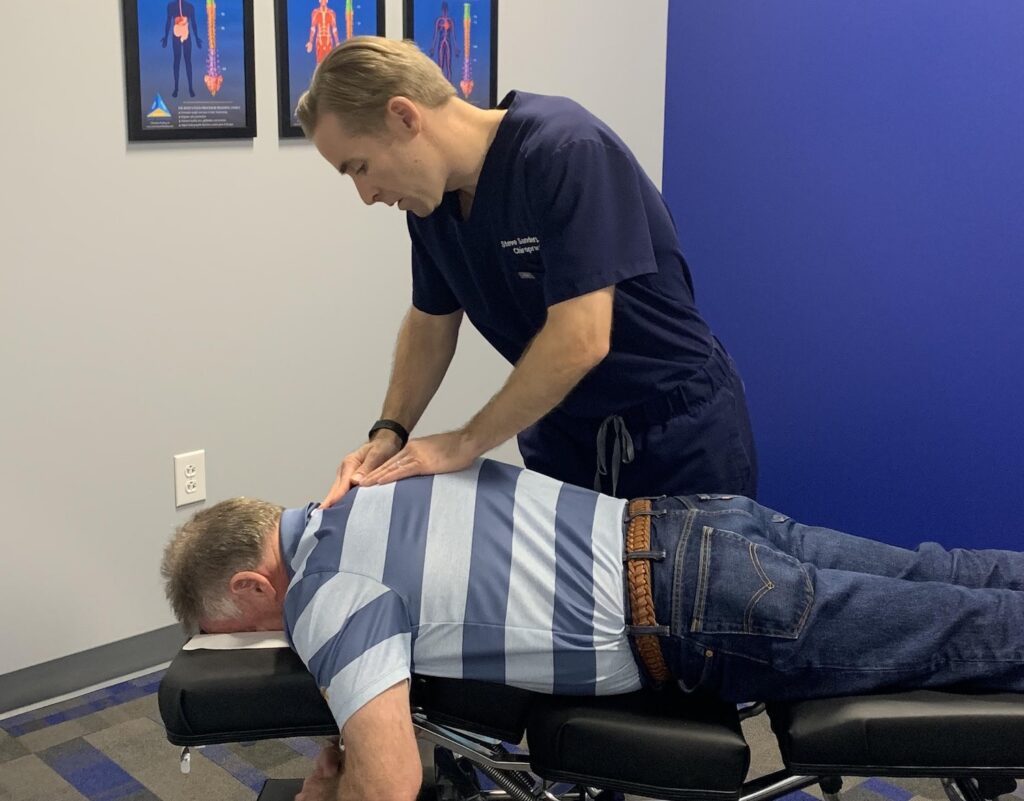
If you’re dealing with back pain, I want you to know that you’re not alone in this journey. Many individuals face discomfort that can significantly impact their daily activities. As a local chiropractor, I believe that understanding the underlying causes of your pain is the first step towards finding relief.
By making simple adjustments to your posture and incorporating specific exercises tailored to your needs, we can work together to improve your situation. So, what strategies can effectively address your back pain? Let’s delve into some trustworthy solutions that I often recommend to help you achieve a healthier spine. Through natural healing methods and chiropractic care, we can create a comprehensive plan that promotes your overall well-being.
Understanding the Causes of Back Pain
As a local chiropractor, I want to help you understand the various causes of back pain so you can find solutions that work for you. Back pain can stem from a variety of factors, and recognizing these causes is the first step toward relief and healing.
One common issue I see in my practice is muscular strain, which often happens when lifting heavy objects or making sudden, awkward movements. It’s important to be mindful of how you move and lift to avoid these strains.
Additionally, poor ergonomics in your workspace can contribute to discomfort, particularly if you spend long hours sitting without the right support.
Other significant contributors to back pain include herniated discs and degenerative conditions, which can lead to chronic discomfort.
It’s also essential to consider how stress and anxiety can impact your physical well-being. These emotional factors can create tension in your body, often manifesting as back pain.
Moreover, a sedentary lifestyle can weaken your core muscles, leading to instability and discomfort.
As your chiropractor, I encourage you to identify the specific causes of your pain so we can work together on preventive measures and lifestyle adjustments.
By making small changes, exploring natural treatment options, and understanding how your body functions, you can take control of your back health.
The Importance of Proper Posture
As a local chiropractor, I want to emphasize the crucial role that proper posture plays in maintaining a healthy spine and preventing back pain. When your body is aligned correctly while sitting or standing, it minimizes stress on your muscles and ligaments, which can help you avoid discomfort in the long run.
I encourage you to reflect on your daily habits—are you often slouching at your desk or leaning awkwardly while using your phone? These seemingly minor habits can lead to significant issues over time.
To enhance your posture, it’s important to engage your core muscles and keep your shoulders back. Make sure your workspace is set up so that your computer screen is at eye level, and invest in a chair that provides proper support.
When you walk, strive to keep your head held high and distribute your weight evenly on both feet.
Being mindful of your posture not only helps alleviate pain but also increases your energy levels and improves your overall mood. It’s important to remember that making these adjustments may take some practice, but the benefits for your spine and overall well-being are well worth the effort.
As you embark on this journey to better posture, know that I’m here to support you with guidance and care tailored to your unique needs.
Stretching Exercises to Relieve Tension
As a local chiropractor, I often see patients struggling with tension in their backs. One of the most effective ways to alleviate this discomfort is through stretching exercises that can easily be incorporated into your daily routine.
Let me guide you through a few simple stretches that can help relieve tightness and improve your overall spinal health.
First, consider the cat-cow stretch. This exercise is performed on all fours, where you alternate between arching your back towards the ceiling and dipping it towards the floor. This movement not only helps to alleviate tightness but also enhances flexibility in your spine, which is crucial for maintaining a healthy posture.
Another beneficial stretch is the standing forward bend. Stand with your feet hip-width apart, hinge at your hips, and allow your upper body to hang forward. You’ll likely feel a gentle stretch along your spine. This position can help to decompress the vertebrae and ease tension in your back.
Don’t overlook the seated spinal twist, either. While seated, extend your legs, bend one knee, and gently twist towards that knee. This stretch can help improve mobility in your spine and promote better alignment.
It’s important to hold each stretch for 15-30 seconds and focus on your breathing throughout. By regularly incorporating these stretches into your routine, you can significantly ease discomfort, enhance your mobility, and support a healthier spine.
Remember, consistency is essential for effective relief. Making these stretches a daily habit can greatly benefit your overall well-being and complement the chiropractic care you receive.
If you have any questions or need further guidance on these stretches, please don’t hesitate to reach out!
Strengthening Your Core for Better Support
As a chiropractor, I want to emphasize the importance of strengthening your core for better spinal support. A strong core is crucial for stabilizing your body, which in turn reduces strain on your back and improves your posture.
For those of you who may not be familiar with chiropractic care and natural healing, incorporating core-strengthening exercises into your routine can have a profound impact on your overall health. Here are some effective exercises that I recommend:
- Planks: By holding a plank position, you engage multiple core muscles, which helps to stabilize your spine.
- Bridges: Lying on your back and lifting your hips while squeezing your glutes can enhance stability and support for your lower back.
- Russian Twists: Sitting with your legs elevated and twisting your torso engages the obliques and promotes flexibility, which is beneficial for spinal health.
- Bird-Dogs: On all fours, extending opposite arm and leg helps improve balance and coordination, essential for maintaining a healthy spine.
- Dead Bugs: Lying on your back and alternating the extension of arms and legs while keeping your core engaged strengthens the core muscles effectively.
Incorporating these exercises not only builds your core strength but also provides essential support for your spine.
This can help alleviate discomfort, enhance your posture, and improve your overall well-being. Remember, a strong core is foundational for a healthy spine, and as you strengthen your core, you’re taking an important step towards better health and vitality.
Ergonomic Adjustments for Your Workspace
As your local chiropractor, I want to share some valuable insights on how simple ergonomic adjustments in your workspace can significantly alleviate back pain.
First, ensure that your chair is at the correct height so that your feet rest flat on the floor. This helps maintain proper posture and reduces strain on your spine.
Additionally, positioning your computer screen at eye level is crucial to prevent unnecessary neck strain.
By making these small yet impactful changes, you can enhance your comfort and support throughout the workday, promoting a healthier, pain-free lifestyle.
Chair Height Adjustment
As a chiropractor, I often emphasize the importance of proper ergonomics in your workspace, particularly when it comes to chair height adjustment. Making sure your chair is set up correctly can significantly improve your spinal health and overall comfort.
Here’s how to ensure your chair supports your body in a way that promotes natural alignment:
- Start by ensuring your feet are flat on the floor or resting comfortably on a footrest. This helps distribute your weight evenly and reduces stress on your lower back.
- Your knees should be positioned at about a 90-degree angle or slightly lower than your hips. This alignment is crucial for maintaining a healthy posture.
- Aim to keep your thighs parallel to the floor, which can enhance blood circulation and reduce fatigue during long periods of sitting.
- Make sure your back is securely against the chair, providing you with the support you need. Avoid any tendency to slouch, as this can lead to unnecessary strain on your spine.
- Check that your arms are at a comfortable angle, ideally with a 90-degree bend at the elbows. This position helps prevent tension in your shoulders and neck.
Taking a few moments to adjust your chair can make a world of difference in your comfort and productivity.
Screen Placement Tips
As a local chiropractor, I want to emphasize the importance of proper screen placement for your overall comfort and spinal health, especially during long hours of work.
It’s crucial to position your monitor at eye level, which helps prevent unnecessary strain on your neck and back. When you’re seated comfortably, the top of your screen should align with your eyes. This alignment allows you to maintain a neutral head position, reducing the risk of discomfort.
I recommend keeping your screen about an arm’s length away from you. This distance not only helps in reducing eye strain but also supports a better ergonomic setup for your back.
If you’re using multiple screens, consider angling them slightly towards you. This simple adjustment can minimize the twisting of your neck, which is vital for maintaining proper spinal alignment.
Furthermore, ensure that your screen’s brightness is adjusted to match the lighting in your workspace. This helps to avoid glare, which can lead to eye fatigue and contribute to poor posture as you lean forward to see better.
Lastly, it’s essential to take regular breaks. Stand up, stretch your back, and rest your eyes.
These small actions can make a significant difference in your comfort levels and overall health. By following these guidelines, you can foster a healthier work environment and reduce the discomfort that often leads to musculoskeletal issues.
The Role of Heat and Cold Therapy
As your local chiropractor, I want to share how heat and cold therapy can significantly improve your spinal health and comfort. Many people are unfamiliar with these natural healing methods, but they can be incredibly effective for alleviating pain and promoting recovery.
Heat therapy is fantastic for easing tight muscles around the spine. By applying heat, you can help increase blood flow to the affected areas, which aids in relaxation and healing. This is especially beneficial when you’re experiencing muscle stiffness or tension.
On the other hand, cold therapy plays a crucial role in managing inflammation and numbing pain. If you’re dealing with swelling or acute pain, applying cold can provide immediate relief and help reduce inflammation in the affected area.
Combining heat and cold therapy can be a game changer in your recovery process. Understanding how to use these methods effectively can enhance your overall comfort and support your journey towards better spinal health.
If you have any questions or need guidance on how to implement these therapies, feel free to reach out during your next visit!
Benefits of Heat Therapy
As a local chiropractor dedicated to helping you find relief from back pain, I’d like to share the benefits of heat therapy—a simple yet powerful tool in your recovery journey.
Many individuals may not be familiar with how effective heat can be, so let’s explore its advantages together:
- Increases blood flow: When heat is applied, it expands your blood vessels, which improves circulation to the affected area. This increased blood flow is essential for healing.
- Relaxes muscles: The warmth from heat therapy helps to loosen tight muscles, reducing stiffness and tension that often contribute to discomfort.
- Alleviates pain: Heat can effectively block pain signals traveling to your brain, offering you immediate relief from discomfort.
- Improves flexibility: With enhanced blood flow and muscle relaxation, you may notice an increase in your range of motion, allowing you to move more freely.
- Promotes relaxation: The soothing effects of heat therapy can help alleviate stress and tension, promoting an overall sense of well-being.
Incorporating heat therapy into your daily routine could be a transformative step in managing your back pain naturally.
As your chiropractor, I encourage you to consider this approach as part of a holistic strategy for your health and healing.
Benefits of Cold Therapy
As your local chiropractor, I want to take a moment to share with you the valuable role that cold therapy can play in managing back pain. While many of you may be familiar with heat therapy, it’s essential to highlight that cold therapy is equally important in your healing journey.
When you apply cold packs to an area of discomfort, you can significantly reduce inflammation and numb any sharp pain you might be experiencing. This makes cold therapy a reliable option during flare-ups of pain. The cold temperature works to constrict blood vessels, which in turn decreases swelling and helps prevent further tissue damage.
It’s particularly effective right after an injury or during episodes of acute pain. Additionally, using cold therapy can help you relax and alleviate muscle tension in the affected area, promoting a sense of comfort.
I recommend applying cold packs for 15-20 minutes at a time, ensuring you take care to avoid skin damage. By incorporating cold therapy into your pain management routine, you can enhance your overall comfort and well-being.
It’s just one of the many natural healing methods we can explore together to help you feel your best.
Combining Heat and Cold
As a local chiropractor, I often emphasize the importance of managing back pain through natural methods, and one effective approach is combining heat and cold therapy. Each method has its unique advantages, and together, they can significantly enhance your relief and support your healing process.
Let me guide you through how to effectively use these therapies:
- Begin with cold therapy: Start by applying an ice pack to the affected area for about 15-20 minutes. This helps to reduce swelling and numbs any sharp pain you may be experiencing.
- Transition to heat therapy: After the cold treatment, switch to a heating pad for another 15-20 minutes. The heat will work to relax tight muscles and improve blood circulation, promoting healing.
- Alternate as necessary: You can repeat this cycle of cold and heat several times throughout the day, depending on your comfort and pain levels.
- Be mindful of your body: It’s essential to listen to how your body responds to each therapy. Everyone’s experience with pain is different, so adjust the duration and frequency based on what feels best for you.
- Seek professional guidance: If you have any questions or concerns about your pain management, don’t hesitate to consult with me or another healthcare provider. We can offer personalized advice tailored to your specific needs.
Incorporating this combination of heat and cold therapy can greatly improve your comfort and mobility, aiding in your journey toward better health.
When to Seek Professional Help
As a local chiropractor, I want to help you understand when it’s time to seek professional help for your back pain. If you’ve been experiencing discomfort for more than a few weeks, it’s a good idea to consult with a healthcare professional who specializes in spinal health. Persistent pain that disrupts your daily activities or sleep isn’t something to ignore.
You should definitely reach out if you notice symptoms like numbness, tingling, or weakness in your legs, as these can be indicators of underlying issues that need attention.
If your pain is the result of an injury, or if you’re dealing with additional symptoms such as fever, unexplained weight loss, or problems with bowel and bladder control, it’s crucial to seek immediate medical care.
Early intervention is key in preventing further complications and can significantly speed up your recovery. Remember, your spine is vital to your overall well-being, and it deserves proper care.
If something feels off, don’t hesitate to get in touch with a chiropractor or another qualified health professional. We’re here to provide the guidance and natural treatments that can help you get back to living life to the fullest.
Your journey to relief and healing starts with listening to your body!
Conclusion
As a local chiropractor, I want to share some reliable strategies for managing your achy spine that can easily be integrated into your daily routine. Focusing on maintaining proper posture, incorporating regular stretching, and strengthening your core can significantly improve your spinal health.
It’s also important to create an ergonomic workspace that promotes comfort while you work or engage in daily tasks. Additionally, utilizing heat and cold therapy can provide immediate relief for discomfort.
If you find that your pain continues, I encourage you to reach out for professional help. Chiropractic care focuses on natural healing methods to address the root causes of your pain, and I’m here to support you on your journey to better spinal health. Remember, taking proactive steps to care for your back is crucial for your overall well-being!