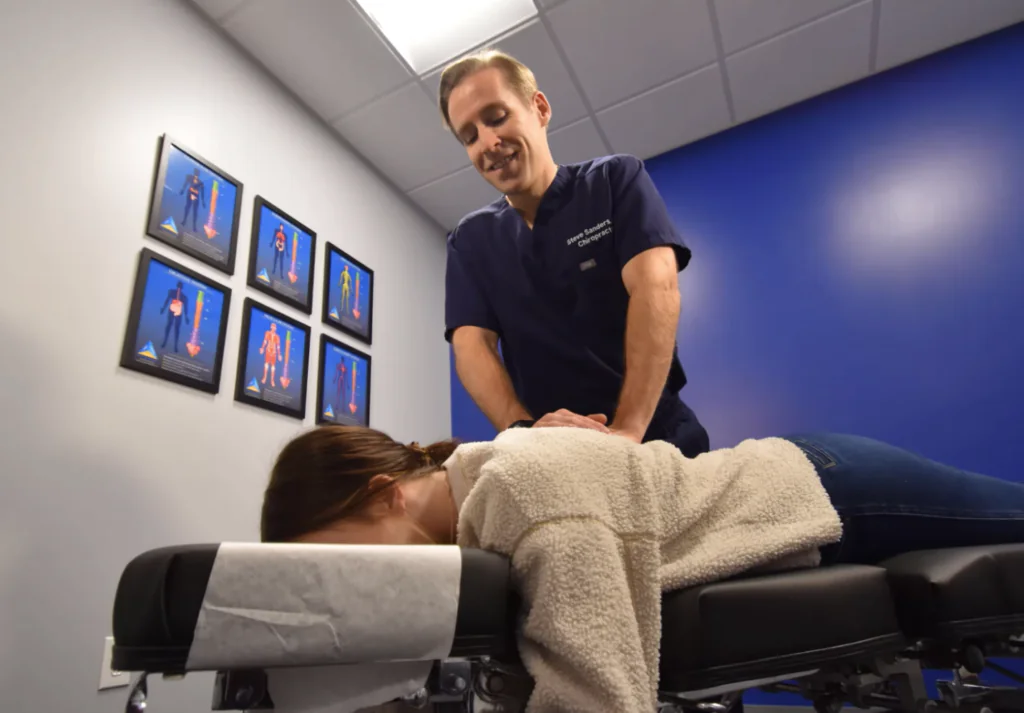
Back pain can be a challenging issue for many, but there are effective exercises that can greatly alleviate discomfort and promote a healthier spine. As a local chiropractor, I want to emphasize the importance of core strength, flexibility, and good posture in maintaining a well-functioning back. It’s not solely about lifting weights or performing stretches; it’s crucial to understand which movements genuinely support your spine’s health.
If you’re unfamiliar with chiropractic care, let me guide you through some specific exercises that can help you stay pain-free and enhance your overall well-being. By integrating these strategies into your routine, you can build a strong foundation for your back and prevent future issues. Let’s work together to keep your spine in optimal condition.
The Importance of Core Strength for Back Health
As a local chiropractor, I want to emphasize the crucial role that core strength plays in maintaining a healthy back. Your core muscles, which include the abdominals, obliques, and lower back, are vital in supporting your spine and helping you maintain proper posture. When these muscles are strong, they provide stability to your body during everyday activities, which can significantly reduce the risk of injuries.
Incorporating core-strengthening exercises—such as planks, bridges, and leg raises—into your routine can have a profound impact on your overall back health. It’s not just about looking good; a strong core enables you to perform daily tasks with better control, which minimizes unnecessary strain on your back.
Many of my patients have reported improvements in their balance and stability, leading to enhanced athletic performance and less discomfort.
I encourage you to make core workouts a regular part of your routine, aiming for a few sessions each week. By prioritizing core strength, you aren’t only investing in a pain-free back but also embracing a more active and healthier lifestyle.
Stretching for Flexibility and Pain Relief
As a local chiropractor, I want to emphasize the importance of maintaining a healthy back through flexibility.
Many of my patients are surprised to learn how effective stretching techniques can be in relieving pain and enhancing overall mobility.
By integrating a consistent daily stretching routine, you can experience remarkable improvements in both how you feel and how you move throughout your day.
Embracing these natural methods not only supports your chiropractic care but also empowers you to take control of your health.
Let’s work together to create a stretching plan that works for you!
Importance of Flexibility
As a local chiropractor, I want to emphasize the vital role that flexibility plays in maintaining a healthy back and overall well-being. Flexibility allows your muscles and joints to move freely and efficiently, which is crucial for preventing back pain. When your body is flexible, it can adapt more easily to the demands of daily activities, significantly reducing the chances of strain or injury.
Many people are unaware that tight muscles can lead to imbalances in the body, often resulting in discomfort and pain, particularly in the back. By prioritizing flexibility through regular stretching and movement, you can improve your posture and alignment. This is essential for allowing your spine to support your body properly.
Incorporating stretching into your routine not only helps to lengthen and relax your muscles but also enhances blood flow and nutrient delivery to your tissues. This increased circulation can facilitate recovery from any tension or soreness you may experience.
As a chiropractor, I encourage you to embrace flexibility as a key component of your health journey. By doing so, you can greatly enhance your back health and foster a greater sense of overall well-being.
Effective Stretching Techniques
As a local chiropractor, I want to share with you the importance of incorporating effective stretching techniques into your daily routine. These practices can significantly enhance your flexibility and alleviate back pain, which is crucial for maintaining a healthy spine.
Before engaging in physical activities, it’s vital to warm up your muscles with dynamic stretches. Simple movements like arm circles and leg swings can help prepare your body for more rigorous activity.
Once you’re warmed up, static stretches are essential for improving flexibility. I recommend stretches such as the cat-cow stretch and seated forward bend. When performing these stretches, aim to hold each position for at least 15-30 seconds while focusing on deep, calming breaths to promote muscle relaxation.
Additionally, incorporating poses like child’s pose and spinal twists can greatly enhance spinal mobility and relieve tension in your back. However, it’s important to always listen to your body. If you feel any pain during a stretch, please ease off to avoid injury.
By regularly practicing these stretching techniques, you can maintain a more flexible spine and help prevent discomfort. This proactive approach can lead to a healthier, more active lifestyle.
Daily Stretching Routine
As a local chiropractor, I want to emphasize the incredible benefits of incorporating a daily stretching routine into your life, especially if you’re not familiar with chiropractic care and natural healing.
While it may seem daunting at first, dedicating just a few minutes each day to stretching can significantly enhance your flexibility and alleviate back pain. This simple practice can lead to improved mobility and overall comfort.
Here are some effective stretches I recommend for your routine:
- Cat-Cow Stretch: This dynamic movement warms up your spine and promotes better flexibility, which is essential for overall spinal health.
- Child’s Pose: A gentle yet effective stretch that targets your lower back and hips, providing relief and promoting relaxation.
- Hamstring Stretch: Keeping your leg muscles flexible is crucial as tight hamstrings can contribute to back strain. This stretch helps maintain that flexibility.
- Seated Forward Bend: This stretch effectively relieves tension in your lower back and hamstrings, creating a sense of ease and comfort.
- Torso Twist: This movement enhances spinal flexibility and helps reduce stiffness, allowing for better range of motion.
By incorporating these stretches into your daily routine, you may notice a positive shift in your back health and overall well-being.
Strengthening Exercises for the Lower Back
As a local chiropractor, I want to emphasize the importance of strengthening exercises for maintaining a healthy lower back.
It’s essential to integrate core stability exercises, along with flexibility and mobility work, into your daily routine. These elements not only help build strength but also play a vital role in supporting your overall back health.
Additionally, incorporating resistance training techniques can further enhance your lower back stability and resilience.
Core Stability Exercises
As a local chiropractor, I want to emphasize the importance of core stability exercises for not only strengthening your lower back but also for preventing pain and injury.
Your core muscles play a crucial role in supporting your spine, and incorporating these exercises into your daily routine can significantly enhance your posture and overall well-being.
Let me share some effective core stability exercises that I often recommend to my patients:
- Planks: Holding a plank position helps engage your entire core, providing a solid foundation for your spine.
- Bridges: By lifting your hips while lying on your back, you activate your glutes and lower back, promoting stability and strength.
- Dead bugs: This exercise involves alternating the extension of your arms and legs while lying on your back, which challenges your stability and coordination.
- Bird dogs: While on all fours, extending opposite arm and leg improves coordination and engages your core effectively.
- Side planks: This variation strengthens your oblique muscles and enhances lateral stability, which is essential for overall core strength.
I encourage you to start practicing these exercises today.
They can play a significant role in supporting your spine and maintaining a healthy back, which is a key focus in chiropractic care.
Flexibility and Mobility Work
As a local chiropractor, I want to emphasize that strengthening your lower back is just as crucial as developing core stability. A key component of maintaining a healthy back is incorporating flexibility and mobility work into your daily routine. These practices not only help prevent back pain but also enhance your overall function and well-being.
I recommend focusing on gentle stretches such as the cat-cow pose, child’s pose, and seated forward bend. These stretches are excellent for improving flexibility, increasing your range of motion, and reducing stiffness in your back.
In addition to static stretches, it’s beneficial to include dynamic movements like hip circles and torso twists. These exercises promote mobility and help keep your body agile. Engaging in activities like yoga or Pilates can also be advantageous, as they emphasize fluid movement and core engagement, which are vital for spinal health.
Always remember to listen to your body; never push yourself into pain. By prioritizing flexibility and mobility, you’ll not only support your lower back but also make daily activities easier and minimize the risk of injury.
If you have any questions about how to integrate these practices into your routine, feel free to reach out—I’m here to help you on your journey to better health!
Resistance Training Techniques
As a local chiropractor, I want to emphasize the importance of not only flexibility and mobility for a healthy back, but also the critical role of resistance training in building strength in your lower back.
Strong muscles are vital as they support your spine, helping to reduce the risk of injury and alleviate pain. Here are some effective resistance training techniques that I encourage you to consider:
- Deadlifts: This exercise targets multiple muscle groups, particularly your lower back, making it a fantastic choice for overall strength.
- Back Extensions: This movement focuses on strengthening the erector spinae muscles, which play a key role in maintaining good posture.
- Planks: Not only do planks engage your core, but they also help stabilize your lower back, contributing to a stronger foundation for your spine.
- Weighted Rows: This exercise is great for improving strength in both the upper and lower back, promoting better balance and posture.
- Hip Bridges: By activating your glutes and lower back, hip bridges enhance overall stability, which is essential for daily activities and overall health.
Incorporating these resistance training techniques into your routine can lead to improved back health and support your journey toward natural healing.
The Role of Posture in Preventing Back Pain
As a local chiropractor, I want to emphasize the vital role that good posture plays in preventing back pain. Many people may not realize that maintaining proper alignment while sitting, standing, or moving can significantly reduce the strain on your spine and surrounding muscles. It’s not just about looking confident; it’s about taking care of your body.
When you’re sitting, make it a point to keep your shoulders relaxed, your back straight, and your feet flat on the ground. If you spend a lot of time at a desk, consider adjusting your chair and monitor height to promote better posture. This small change can make a big difference in your overall comfort and spinal health.
When standing, remember to distribute your weight evenly between both feet and avoid locking your knees. Engaging your core muscles can provide additional support to your spine and help maintain proper alignment.
I encourage you to regularly check in with your body throughout the day. If you feel any tension or discomfort, it’s a signal that you may need to adjust your position.
Low-Impact Activities to Incorporate Into Your Routine
As a local chiropractor dedicated to your well-being, I want to share how incorporating low-impact activities into your daily routine can significantly benefit your back health.
These gentle exercises are designed to strengthen your muscles while minimizing strain on your spine, making them ideal for anyone looking to enhance their overall wellness. By weaving these activities into your everyday life, you can improve your resilience and flexibility—two essential components in preventing back pain.
Here are some excellent low-impact activities I recommend for my patients:
- Walking: This is one of the easiest ways to stay active, boost your circulation, and promote spinal health.
- Swimming: A fantastic full-body workout, swimming helps strengthen muscles while providing buoyancy that protects your joints.
- Cycling: This activity builds strength and endurance with little to no impact on your back, making it a perfect choice for maintaining fitness.
- Yoga: Not only does yoga enhance flexibility, but it also strengthens your core, which is crucial for maintaining good posture and supporting your spine.
- Tai Chi: This gentle practice improves balance and helps alleviate tension, leading to a more relaxed back.
By integrating these low-impact activities into your routine, you can take proactive steps toward better spinal health and overall well-being.
Tips for Staying Consistent With Your Exercise Plan
As a local chiropractor, I understand that sticking to an exercise plan can be tough, particularly when life gets hectic or your motivation dips. However, maintaining a consistent exercise routine is crucial for your overall health and spinal wellness.
I encourage you to set realistic goals that align with your lifestyle and physical capabilities. Breaking your routine into smaller, manageable sessions can help prevent feelings of overwhelm, making it easier to integrate exercise into your daily life.
It’s important to choose activities that you genuinely enjoy—whether that’s swimming, yoga, or cycling—so that exercising becomes something you look forward to rather than a chore.
Additionally, consider the benefits of working out with a friend or joining a class. Having a workout buddy not only adds a social aspect but can also significantly enhance your motivation and accountability.
Tracking your progress is vital. Celebrate those small victories along the way to keep your spirits high and your commitment strong.
Remember, it’s essential to listen to your body; if you ever feel the need to take a break, don’t hesitate to do so. Staying flexible with your exercise plan will support your long-term adherence and help keep your spine healthy and strong.
If you have any questions about how exercise can complement chiropractic care, feel free to reach out!
Conclusion
As your local chiropractor, I want to emphasize the importance of incorporating specific exercises into your daily routine to help prevent back pain. It’s essential to focus on building your core strength, enhancing flexibility, and maintaining proper posture. Low-impact activities such as swimming or yoga are particularly beneficial for overall spinal health.
I encourage you to stay consistent with your exercise regimen and listen to your body to avoid any potential injuries. Prioritizing your back health is vital—it can lead to a more active and pain-free lifestyle. By taking these proactive steps, you are investing in your well-being. Let’s work together to ensure you have the tools and knowledge to take charge of your spinal health! Start your journey today and embrace a healthier future!