You might be wondering if spinal adjustments can genuinely help alleviate your stress. Many people report feeling more relaxed after a session, but what's really happening in your body? The connection between spine health and stress relief is more intricate than it seems, involving your nervous system and hormonal responses. As you consider whether this form of care could be beneficial for you, it's worth exploring the evidence and underlying mechanisms that might explain these effects. What you discover could change how you approach stress management altogether.
Understanding Stress and Its Effects
Stress is a common experience that can greatly impact your physical and mental well-being. You might feel it creeping in during busy workdays, family responsibilities, or personal challenges. When stress builds up, it can lead to a range of symptoms, including fatigue, irritability, and difficulty concentrating.
It's not just about feeling overwhelmed; stress can also manifest physically, contributing to headaches, muscle tension, and even digestive issues. You may notice that stress affects your sleep patterns, leaving you restless or unable to relax. This lack of quality sleep can create a vicious cycle, where you feel even more stressed the next day.
It's important to recognize how stress influences your daily life and overall health. Chronic stress can weaken your immune system, making you more susceptible to illnesses and slowing down your recovery processes.
Moreover, if you're not careful, the emotional toll can lead to anxiety or depression. You might find yourself withdrawing from social interactions or losing interest in activities you once enjoyed. Understanding the effects of stress on your body and mind is essential for managing it effectively.
The Role of Chiropractic Care
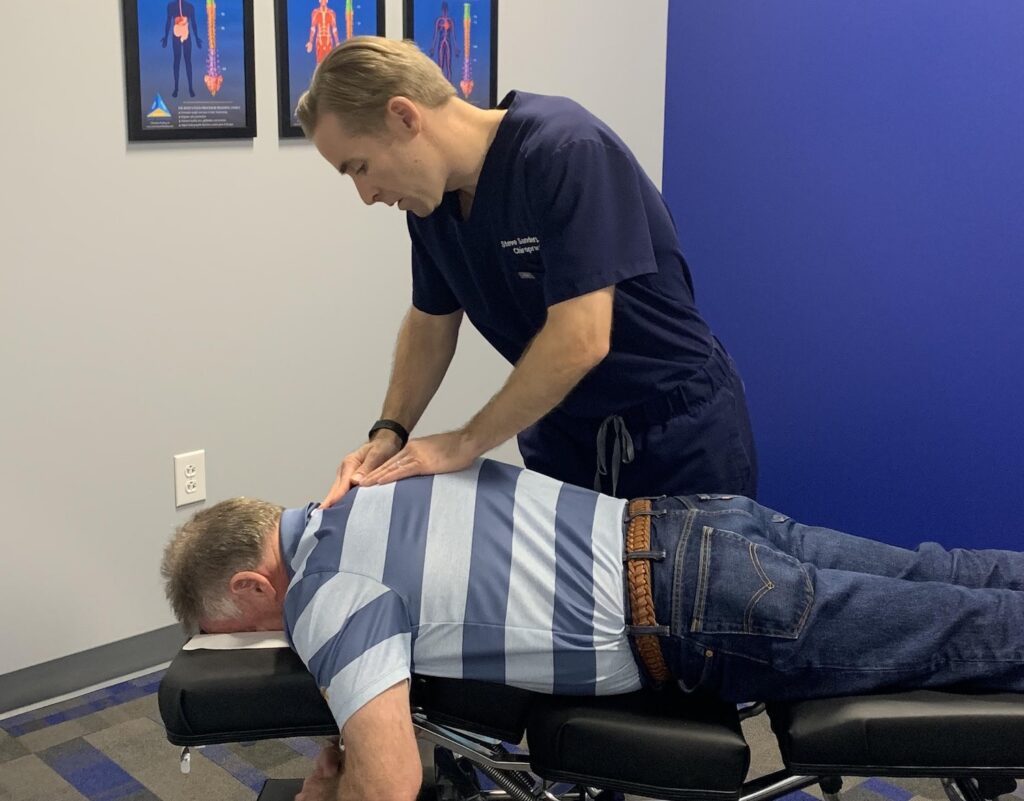
When it comes to managing stress, chiropractic care plays an essential role in promoting overall well-being. You mightn't realize it, but the alignment of your spine can notably impact your body's ability to cope with stress. Chiropractic adjustments help restore proper function to your nervous system, which is vital for managing stress levels effectively.
When your body is aligned, communication between your brain and body improves. This can lead to a reduction in physical tension, which often manifests as stress. You may find that after a chiropractic session, you're not just feeling physically better but mentally clearer, too.
Moreover, chiropractic care encourages relaxation. By relieving tension in your muscles and joints, it helps your body enter a calmer state. This can counteract the fight-or-flight response triggered by stress, allowing you to approach challenges with a more balanced mindset.
Chiropractors often incorporate holistic approaches, offering lifestyle advice that supports stress management. They may suggest exercises, nutritional guidance, or breathing techniques that complement spinal adjustments. This all-encompassing approach can help you develop healthier coping mechanisms over time.
Ultimately, regular chiropractic care can be a powerful tool in your stress management toolkit. By prioritizing your spinal health, you're investing in your overall well-being and equipping yourself with the resources needed to navigate life's challenges more effectively.
How Spinal Adjustments Work
Spinal adjustments work by realigning the vertebrae in your spine, which can greatly enhance your nervous system's function.
When your spine is properly aligned, it helps to alleviate pressure on nerves and promotes ideal communication between your brain and body. This connection is essential for managing stress and maintaining overall well-being.
Here's how spinal adjustments can be beneficial:
- Improved Nerve Function: By correcting misalignments, adjustments allow nerves to transmit signals without interference, reducing stress on your body.
- Reduced Muscle Tension: Adjustments can help relax tight muscles around the spine, leading to a more relaxed state and less physical tension.
- Enhanced Blood Flow: Realigning the spine can improve circulation, ensuring that oxygen and nutrients reach your brain and other essential organs, which is critical for stress management.
- Increased Range of Motion: Regular adjustments can restore mobility, making it easier for you to engage in physical activities that reduce stress, like exercise or yoga.
Evidence Supporting Stress Relief
Research supports the idea that spinal adjustments can greatly contribute to stress relief. Numerous studies indicate that chiropractic care helps reduce tension and anxiety by improving the alignment of your spine. When your spine is misaligned, it can create nerve interference, leading to increased stress levels. By correcting these misalignments, you may experience a reduction in physical and emotional stress.
One study published in the Journal of Manipulative and Physiological Therapeutics found that patients receiving spinal adjustments reported lower levels of perceived stress. Participants noted enhanced relaxation and improved sleep quality after treatment, highlighting the connection between spinal health and mental well-being.
Another research piece demonstrated that adjustments could lead to a decrease in cortisol levels, the hormone associated with stress. Lower cortisol levels can help you feel more balanced and less overwhelmed.
Additionally, many people report feeling more centered and clearer in their thoughts following a chiropractic session. This clarity can help you tackle daily challenges more efficiently, reducing your overall stress. The mind-body connection is powerful, and when your body feels better, your mental state often follows suit.
Incorporating regular spinal adjustments into your wellness routine can be a proactive approach to managing stress. By prioritizing your spinal health, you're not just addressing physical discomfort but also taking significant steps to improve your emotional resilience.
Alternative Stress Relief Methods
Exploring alternative stress relief methods can provide you with a variety of tools to manage daily pressures. While spinal adjustments might help, it's often beneficial to broaden your approach.
Here are four effective methods you can incorporate into your routine:
- Mindfulness Meditation: Taking just a few minutes each day to focus on your breath can greatly reduce stress levels. You'll find that being present in the moment helps quiet your racing thoughts.
- Regular Exercise: Physical activity releases endorphins, which are natural mood lifters. Whether it's a brisk walk or a dance class, moving your body can help alleviate stress and improve your overall well-being.
- Deep Breathing Techniques: Simple breathing exercises can quickly bring your stress levels down. Try inhaling for a count of four, holding for four, and exhaling for four. This can help calm your nervous system and bring clarity to your mind.
- Aromatherapy: Using essential oils, such as lavender or chamomile, can create a soothing environment. Whether you diffuse them or use them in a warm bath, these scents can enhance relaxation and reduce anxiety.
Conclusion
To sum up, spinal adjustments can be a powerful tool in managing stress. By enhancing nervous system function and reducing muscle tension, they help you feel more relaxed and balanced. When you experience this relief, it's easier to engage in activities that promote well-being. So, if you're looking to lower your stress levels, consider incorporating chiropractic care into your routine. Your body—and mind—might just thank you for it!