You might wonder if spinal alignment really has an impact on your headaches. Many people experience relief after chiropractic adjustments, which aim to correct misalignments and reduce muscle tension. But is there solid evidence backing this connection? As you explore the relationship between spinal health and headache frequency, you may find that the science behind it is more complex than it seems. What are the different types of headaches, and how does alignment play a role in each? There's more to uncover that could change your understanding of headache relief.
Understanding Headache Types
Headaches can be classified into several types, with the most common being tension, migraine, and cluster headaches. Understanding these types is essential if you want to manage your pain effectively.
Tension headaches are the most prevalent. You might experience a dull, aching sensation often described as a tight band around your head. These headaches can be triggered by stress, poor posture, or fatigue, and they usually don't come with other symptoms.
You may find relief by taking over-the-counter pain relievers or practicing relaxation techniques.
Migraines, on the other hand, are more intense and can be debilitating. You might experience throbbing pain on one side of your head, accompanied by nausea, vomiting, or sensitivity to light and sound.
Triggers can include hormonal changes, certain foods, or environmental factors. If you suffer from migraines, you may need specific medications or lifestyle changes to manage them effectively.
Cluster headaches are less common but extremely painful. They often occur in cycles or "clusters," with intense pain centered around one eye or one side of your head.
These headaches can last anywhere from 15 minutes to three hours and may include symptoms like redness in the eye or nasal congestion. Due to their severity, seeking medical advice for cluster headaches is vital.
The Role of Spinal Alignment
Proper spinal alignment plays a significant role in overall health and can influence the frequency and intensity of headaches. When your spine is aligned correctly, it helps maintain proper posture and reduces unnecessary strain on your muscles and ligaments. Misalignment can lead to tension and tightness in your neck and upper back, which often contribute to headache symptoms.
You mightn't realize it, but the nerves that run through your spine are vital for transmitting signals between your brain and the rest of your body. If your spine is out of alignment, it can create nerve irritations, which may trigger headaches. This is particularly true for tension-type headaches and migraines, where muscle tension and nerve compression can exacerbate your discomfort.
Moreover, when your spine is aligned, it promotes better blood flow and oxygen delivery to your brain. This can help alleviate headache symptoms and may even prevent them from occurring in the first place.
Maintaining good spinal alignment is essential for your overall well-being, as it not only helps with headaches but can also improve your energy levels, mood, and sleep quality.
Incorporating exercises that strengthen your core and back muscles, along with practicing good posture, can be beneficial for maintaining spinal alignment. By prioritizing your spinal health, you may find a significant reduction in headache frequency and intensity, allowing you to enjoy life more fully.
How Chiropractic Care Works
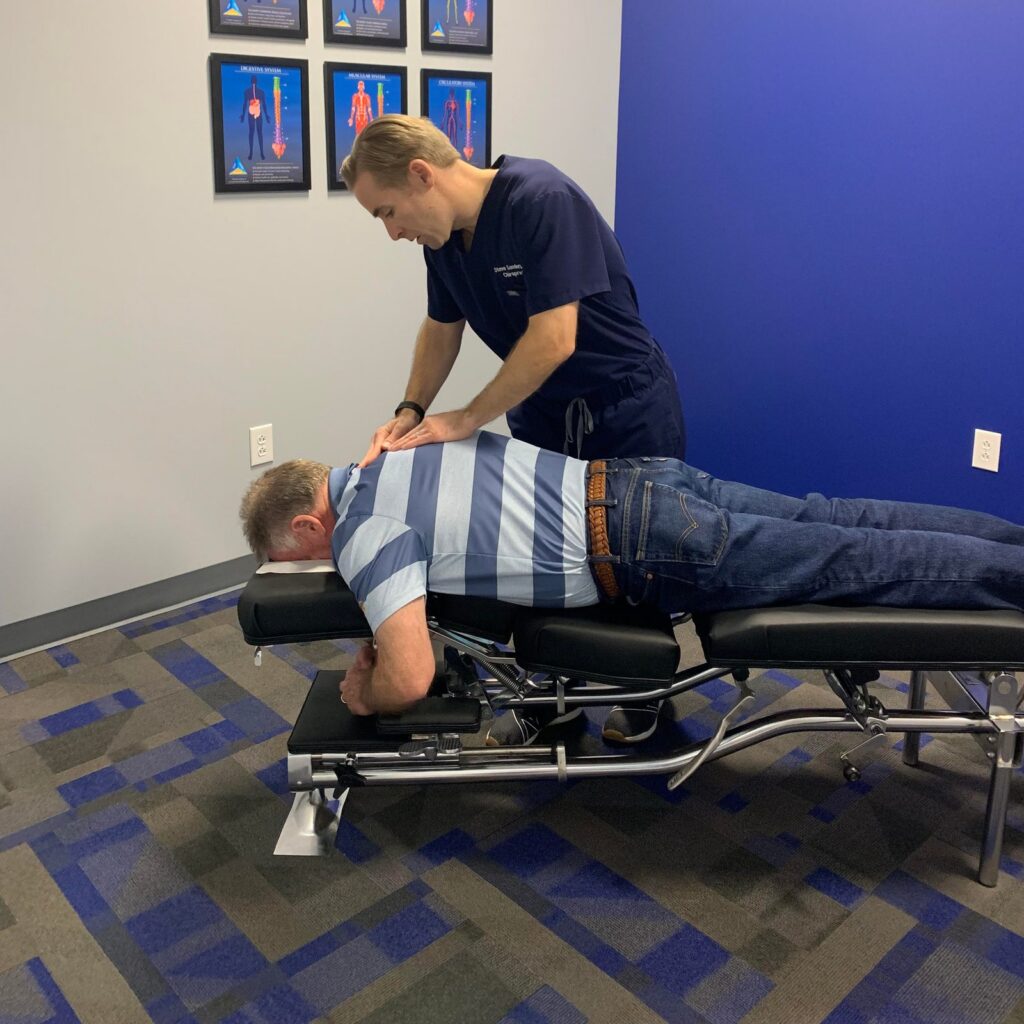
Chiropractic care focuses on restoring spinal alignment and improving overall health through hands-on adjustments. When you visit a chiropractor, they'll assess your spine, posture, and overall body mechanics to identify any misalignments or dysfunctions. By using specific techniques, they'll manipulate your spine to correct these issues, aiming to relieve tension and restore proper function.
The adjustments you receive work by targeting the joints in your spine and other areas of your body. These adjustments can improve blood flow and nerve function, which may help reduce pain and enhance mobility. You might feel immediate relief after an adjustment, but the full benefits often accumulate over several sessions. Regular visits can help maintain spinal alignment and prevent future problems.
In addition to spinal adjustments, chiropractors often provide you with lifestyle advice, exercises, and stretches to support your treatment. They'll educate you on proper posture, ergonomic practices, and how to strengthen your core and back muscles. This holistic approach encourages you to take an active role in your health and wellness.
Many people find that chiropractic care not only alleviates headaches but also improves their overall quality of life. By addressing the root causes of discomfort and promoting spinal health, you can experience enhanced physical function and a greater sense of well-being.
Scientific Studies and Evidence
Numerous scientific studies have explored the relationship between spinal alignment and headaches, providing valuable insights into how chiropractic care can be effective. Research has shown that misalignment in the spine can lead to tension and stress in the surrounding muscles and nerves, which may trigger headaches.
Here are some key findings:
- Reduction in Frequency: A study published in the *Journal of Manipulative and Physiological Therapeutics* found that patients receiving chiropractic adjustments experienced a significant decrease in the frequency of their headaches compared to those who didn't receive treatment.
- Pain Relief: Research from the *European Spine Journal* indicated that spinal manipulation could effectively reduce headache intensity, offering a non-pharmaceutical approach to pain relief.
- Improved Functionality: A study in *Headache: The Journal of Head and Face Pain* revealed that individuals with chronic headaches reported improved functionality and quality of life after undergoing chiropractic care focused on spinal alignment.
- Long-term Benefits: A longitudinal study highlighted in the *Journal of Chiropractic Medicine* illustrated that patients who maintained regular chiropractic visits experienced lasting reductions in headache frequency and severity over time.
These findings suggest that spinal alignment plays an essential role in alleviating headaches.
Personal Testimonials and Experiences
For many individuals, personal experiences with spinal alignment and headaches reveal a compelling connection that scientific studies support. You might find that after a session with a chiropractor, the tension in your neck eases, and your headaches diminish. Many people share stories of how adjustments in their spinal alignment led to significant reductions in headache frequency and intensity, leading them to believe in the power of chiropractic care.
Consider Sarah, who struggled with migraines for years. After several visits to a chiropractor, she noticed not only an improvement in her headaches but also enhanced overall well-being. She felt more energetic and less stressed, attributing these changes to better spinal alignment.
Similarly, John, who dealt with tension headaches caused by poor posture, found relief after addressing his spinal issues. He emphasizes how correcting his alignment helped him avoid unnecessary medication and regain control over his life.
These testimonials highlight a common thread: when your spine is aligned properly, it can lead to a reduction in headache symptoms. You may also find that lifestyle changes, like incorporating regular stretching or improving your workspace ergonomics, enhance the benefits of spinal adjustments.
The combination of personal stories and scientific backing creates a strong case for exploring spinal alignment as a potential solution for headaches. As you consider your own experiences or those of others, you may feel inspired to seek out professional help, leading to a path of relief and improved quality of life.
Alternative Therapies for Headaches
If you're struggling with headaches, alternative therapies like chiropractic adjustments and acupuncture might be worth considering.
Many people find that these treatments not only relieve pain but also improve overall well-being.
Let's explore how these options can help you manage your headaches effectively.
Chiropractic Adjustments Benefits
Chiropractic adjustments offer a promising alternative for those struggling with headaches, as they can help realign the spine and improve overall function.
Many people experience relief from tension and migraine headaches through these adjustments, which can lead to better quality of life.
Here are some key benefits you might enjoy:
- Pain Relief: Adjustments can greatly reduce headache frequency and intensity by relieving pressure on nerves.
- Improved Mobility: Regular chiropractic care can enhance your range of motion, making daily activities easier and less painful.
- Stress Reduction: Chiropractic adjustments promote relaxation, which can help manage stress levels often associated with headaches.
- Enhanced Posture: Better spinal alignment contributes to improved posture, reducing muscle tension that can trigger headaches.
Acupuncture for Pain Relief
Acupuncture has gained popularity as an effective alternative therapy for managing headaches, offering a holistic approach to pain relief. This ancient Chinese practice involves inserting thin needles into specific points on your body to stimulate energy flow and promote healing. Many people find that acupuncture relieves tension and reduces headache frequency and intensity.
When you visit an acupuncturist, they'll assess your unique symptoms and overall health. They'll tailor the treatment to target your specific headache triggers, whether they're tension, migraines, or sinus-related issues. You might feel a slight pinch when the needles go in, but most patients report a sense of relaxation and calm during the session.
Research shows that acupuncture can be particularly beneficial for those who haven't found relief through conventional treatments. It's believed to release endorphins and improve blood circulation, both of which contribute to pain reduction.
Plus, acupuncture can help address underlying issues like stress and anxiety, which often exacerbate headaches.
If you're looking for a natural, drug-free option, acupuncture might be worth considering. Just be sure to consult with a qualified practitioner to guarantee you receive safe and effective treatment tailored to your needs.
Conclusion
To summarize, maintaining proper spinal alignment can greatly alleviate headaches by reducing tension and improving blood flow. Chiropractic care offers effective adjustments that may help decrease the frequency and intensity of your headaches. If you're struggling with tension-type headaches or migraines, exploring spinal alignment and chiropractic options could be a worthwhile step. Don't hesitate to seek professional help; you might just find the relief you've been looking for and enhance your overall well-being.