

If you’ve recently been in a car accident — even a minor one — you may be dealing with more than just a shaken feeling and a dented bumper. One of the most common injuries that follows a collision is whiplash, and it’s the kind of injury that doesn’t always make itself known right away. Here in Fort Worth, TX, our team at Cityview Chiropractic sees patients regularly who waited days or even weeks before realizing the neck pain, stiffness, and headaches they were experiencing were directly tied to their accident. Understanding what whiplash is, how it affects your body, and what you can do about it is one of the most important things you can do for your long-term health after a crash.
What Is Whiplash?
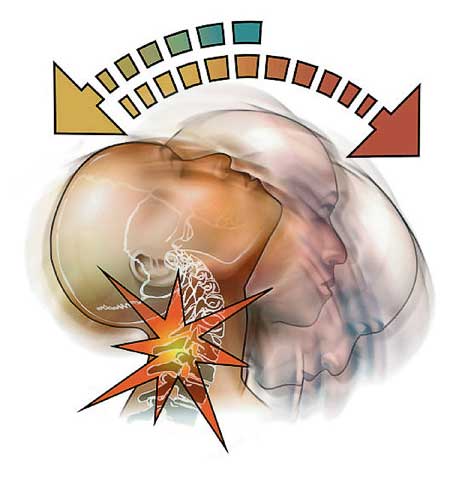
Whiplash is a soft tissue injury to the neck caused by a sudden, forceful back-and-forth movement of the head — much like the cracking of a whip. It most commonly results from rear-end car accidents but can occur in any collision. The rapid motion strains and sometimes tears the muscles, tendons, and ligaments of the cervical spine, leading to a wide range of symptoms that can affect your daily life.
What Happens to Your Body During a Car Accident
Even at relatively low speeds, a car accident puts enormous forces through your body in a fraction of a second. When your vehicle suddenly stops or is struck, your torso is held in place by your seatbelt — but your head and neck are free to move. This creates a violent whipping motion that pushes your cervical spine beyond its normal range of motion.
During that split-second event, the muscles, discs, ligaments, and joints of your neck can all be affected simultaneously. The cervical spine — the seven vertebrae that make up your neck — is designed to support the weight of your head and allow flexible movement. It is not designed to absorb the sudden jerking forces of a collision. The resulting micro-tears, joint irritation, and muscle strain are what we collectively refer to as whiplash.
What many people don’t realize is that the body’s natural stress response — the flood of adrenaline that happens during and immediately after a crash — can actually mask pain signals for hours or even days. This is one of the reasons so many people walk away from an accident feeling okay, only to wake up the next morning barely able to turn their head.
Common Signs and Symptoms of Whiplash
Whiplash is not a one-size-fits-all injury. The severity and range of symptoms can vary significantly from person to person, depending on factors like the speed of the collision, your position at the time of impact, and your overall spinal health before the accident. That said, there are some very consistent patterns that Dr. Steve Sanders and the team at Cityview Chiropractic look for when evaluating post-accident patients.
Neck pain and stiffness are by far the most common complaints. The muscles of the neck are often strained from the sudden overextension, making it painful to turn your head from side to side or look up and down. Many patients describe a dull ache that worsens with movement or at the end of the day.
Headaches are another extremely common symptom — often starting at the base of the skull and radiating forward toward the forehead and temples. These headaches, sometimes called cervicogenic headaches, originate from dysfunction in the cervical spine rather than from the brain itself. They can be persistent and debilitating if left untreated.
Other symptoms worth paying close attention to include shoulder pain, upper back tightness, jaw discomfort (sometimes related to the TMJ being jostled during impact), dizziness, difficulty concentrating, fatigue, and arm tingling or numbness. These less obvious symptoms are often overlooked, but they can be meaningful indicators of how the accident has affected your nervous system and soft tissues.

Why Whiplash Symptoms Are Often Delayed
One of the most misunderstood aspects of whiplash is the delayed onset of symptoms. It’s entirely normal — and very common — for someone to feel fine immediately after an accident and then develop significant pain and stiffness 24 to 72 hours later. This delay often leads people to assume the two events aren’t connected, or to downplay the seriousness of their injury.
The physiology behind this is well understood. During and after a traumatic event, your body releases a surge of adrenaline and other stress hormones. These hormones serve an important survival function — they help you stay alert and functional in the moment — but they also temporarily suppress pain signals. As those hormones wear off and inflammation begins to build in the injured tissues, the pain becomes much more noticeable.
Inflammation itself takes time to fully develop. Swelling in the soft tissues, joint capsules, and surrounding musculature may not reach its peak until 48 hours or more after the initial injury. This is why Dr. Steve Sanders at Cityview Chiropractic in Fort Worth always encourages people to come in for an evaluation as soon as possible after an accident — even if they feel “okay” right now. Early assessment allows us to document the injury, identify areas of concern, and begin care before the inflammation and compensatory muscle tension get worse.
Waiting too long to address whiplash can also increase the risk of developing chronic neck pain or long-term movement restrictions. Research published in peer-reviewed journals has consistently shown that early, conservative treatment tends to produce better outcomes than delayed intervention.
How Chiropractic Care Fits Into Your Recovery
Chiropractic care is widely recognized as one of the most effective conservative, non-invasive approaches for managing whiplash injuries. The American Chiropractic Association and guidelines from organizations like NICE (National Institute for Health and Care Excellence) support manual therapies and exercise-based rehabilitation as first-line options for neck pain related to trauma.
At Cityview Chiropractic in Fort Worth, Dr. Steve Sanders takes a thorough, individualized approach to evaluating and treating whiplash. Every patient is different, and no two car accidents are exactly alike. A comprehensive evaluation typically includes a detailed health history, a postural and spinal assessment, and an examination of your range of motion and neurological function. In some cases, imaging may be recommended to rule out fractures or disc injuries before beginning hands-on care.
Chiropractic adjustments help restore normal movement to the spinal joints that may have been jammed or restricted by the force of the collision. When joints aren’t moving properly, the surrounding muscles tend to tighten up further as a protective mechanism, which creates a cycle of tension and pain. Gentle, targeted spinal manipulation can interrupt that cycle and help the body begin to heal more efficiently.
Beyond adjustments, Dr. Steve Sanders may incorporate soft tissue therapies, therapeutic exercises, and postural correction work depending on what each patient needs. The goal is always to reduce pain, restore function, and prevent the kind of chronic problems that can develop when whiplash is left untreated or undertreated. Care is drug-free, non-surgical, and focused on supporting your body’s own natural healing process.
Practical Tips for Supporting Your Recovery at Home
Chiropractic care works best when paired with sensible self-care at home. There are several things you can do between visits to support your recovery and avoid making your symptoms worse.
In the first 24 to 72 hours after an accident, it’s generally helpful to apply ice to the neck for 15 to 20 minutes at a time to help manage inflammation. Avoid applying heat during this initial window, as heat can actually increase swelling in acutely injured tissues. After the first few days, your provider can guide you on whether switching to heat or alternating between the two makes sense for your specific situation.
Gentle movement is generally better than total rest for whiplash recovery. Staying completely immobile for extended periods can actually slow healing and allow muscles to tighten further. That said, avoid any activity that causes sharp or shooting pain, and let Dr. Steve Sanders guide you on what movements are appropriate at each stage of your recovery.
Pay close attention to your sleeping position and pillow support. Your pillow should keep your head in a neutral alignment — not propped up too high or dropping too low. Sleeping on your side or back is typically preferable to sleeping on your stomach, which places the cervical spine in rotation for extended periods. Ergonomics at your workstation also matters. Prolonged computer use with poor posture can significantly aggravate neck symptoms. Keep your screen at eye level and take regular breaks to move and stretch.
When to See a Chiropractor After a Car Accident
Ideally, you should be evaluated by a chiropractor as soon as possible after any car accident — even one that seems minor. Injuries that feel trivial in the moment can become significant problems weeks or months later if they go unaddressed. In Fort Worth, the team at Cityview Chiropractic makes it a priority to see post-accident patients promptly so that care can begin right away.
You should especially consider being seen if you notice any of the following: neck pain or stiffness that persists beyond 24 hours, headaches that started after the accident, shoulder or upper back pain, arm numbness or tingling, difficulty concentrating or feelings of brain fog, or jaw discomfort. These are all signs that the accident has affected your musculoskeletal system in ways that deserve professional attention.
There are also certain symptoms that should prompt you to seek emergency medical care before seeing a chiropractor. These include severe neck pain with any loss of consciousness, extreme weakness or paralysis in the arms or legs, difficulty swallowing or breathing, and any signs of spinal cord involvement. In these cases, please go to an emergency room or call 911 first. Chiropractic care is highly effective for soft tissue whiplash injuries, but it is always used within the appropriate scope of care.
Whiplash at a Glance: Symptoms vs. Common Triggers
|
Symptom |
Common Trigger or Cause |
|---|---|
|
Neck pain and stiffness |
Muscle strain and ligament injury from rapid cervical hyperextension/hyperflexion |
|
Cervicogenic headaches |
Joint dysfunction and muscle tension in the upper cervical spine |
|
Shoulder and upper back pain |
Compensatory muscle guarding and soft tissue involvement beyond the neck |
|
Arm tingling or numbness |
Nerve irritation from disc or joint compression in the cervical spine |
|
Dizziness or lightheadedness |
Disruption of proprioceptive signals from the cervical joints and muscles |
|
Difficulty concentrating (brain fog) |
Post-traumatic stress response, pain interference, and disrupted sleep |
|
Jaw pain or TMJ discomfort |
Force transmitted through the head and jaw during impact |
Myths vs. Facts About Whiplash
Myth: You can’t get whiplash in a low-speed accident.
Fact: Low-speed collisions — even those under 15 miles per hour — can generate enough force to cause significant soft tissue injury to the neck. The speed of the vehicle is not always a reliable indicator of the severity of injury to the occupants. Factors like the angle of impact, headrest position, and whether you were braced for impact all play a role.
Myth: If you feel fine right after the accident, you weren’t hurt.
Fact: As discussed earlier, the adrenaline response and delayed inflammation mean that symptoms often don’t peak until 24 to 72 hours after a crash. Feeling okay in the immediate aftermath is common and does not mean you escaped injury. A professional evaluation is always worthwhile, even when you feel fine.
Myth: Whiplash is not a “real” injury — it’s just people exaggerating pain.
Fact: Whiplash is a well-documented, biomechanically sound injury mechanism. The soft tissue damage it causes — including muscle tears, ligament sprains, and joint irritation — is real and measurable. Research in the fields of biomechanics, radiology, and clinical medicine has consistently validated whiplash as a genuine injury with meaningful long-term consequences when left untreated.
Myth: The only treatment for whiplash is rest and pain medication.
Fact: Evidence-based guidelines from organizations like NICE and the American College of Physicians actually caution against over-reliance on passive rest and medication for soft tissue neck injuries. Active care — including chiropractic adjustments, guided rehabilitation, and therapeutic movement — has been shown in research to produce better long-term outcomes.
Myth: Whiplash always resolves on its own within a few weeks.
Fact: While some mild cases do resolve naturally, a significant portion of whiplash injuries progress to chronic pain and dysfunction without appropriate care. Chronic whiplash-associated disorder (WAD) is a recognized condition that can cause persistent pain, reduced range of motion, and quality-of-life impacts for months or years. Early intervention greatly reduces this risk.
Final Thoughts from Cityview Chiropractic
A car accident — no matter how minor it seems — can have real, lasting effects on your musculoskeletal health. Whiplash is one of the most common and most underestimated injuries that comes with collision trauma, and it deserves to be taken seriously. The good news is that with the right care, most people recover well and go on to live active, pain-free lives.
Here at Cityview Chiropractic in Fort Worth, TX, Dr. Steve Sanders is committed to helping the members of our community understand their injuries, navigate their recovery with confidence, and avoid the long-term problems that can develop when whiplash is ignored. Our approach is compassionate, evidence-informed, and always centered on what’s best for each individual patient.
If you or someone you love has been in a car accident recently — or even months ago and is still dealing with unexplained neck pain, headaches, or stiffness — we encourage you to reach out and schedule an evaluation. You deserve to feel like yourself again, and we’re here to help every step of the way.
Frequently Asked Questions About Whiplash
How soon after a car accident should I see a chiropractor?
As soon as possible — ideally within the first 24 to 72 hours after the accident. Early evaluation allows for proper documentation of the injury and helps prevent symptoms from progressing. Even if you feel fine initially, it’s worth getting checked out by Dr. Steve Sanders at Cityview Chiropractic in Fort Worth.
How long does whiplash typically take to heal?
Recovery time varies widely depending on the severity of the injury, the individual’s overall health, and how quickly care is initiated. Mild whiplash may resolve within a few weeks, while more significant injuries can take several months of consistent care. Early treatment generally leads to better and faster outcomes.
Can chiropractic care make whiplash worse?
When performed by a licensed, trained chiropractor following a proper evaluation, chiropractic care is generally very safe for whiplash injuries. Dr. Steve Sanders carefully tailors every treatment plan to the patient’s specific condition and stage of healing. Adjustments used for whiplash are typically gentle and adapted to the acute state of the tissues.
Will my whiplash injury show up on an X-ray?
Standard X-rays do not show soft tissue injuries like muscle strains or ligament tears, but they are useful for ruling out fractures or structural instability. MRI is the preferred imaging method for visualizing soft tissue damage if it is clinically indicated. Your chiropractor can help determine whether imaging referral is appropriate for your situation.
Is whiplash only caused by car accidents?
Car accidents are the most common cause of whiplash, but the injury can also occur from sports collisions, falls, physical altercations, or any other event that causes a sudden forced movement of the head and neck. The mechanism of injury — rapid hyperextension and hyperflexion — is what defines it, not the specific event.
What if I don’t have neck pain but I have headaches after my accident?
Post-accident headaches are a very common whiplash symptom, even without prominent neck pain. Cervicogenic headaches — those that originate from cervical spine dysfunction — can occur on their own and are highly treatable with chiropractic care. If you’re experiencing new headaches after a collision, that’s a meaningful reason to get evaluated at Cityview Chiropractic.
TL;DR — Key Takeaways
-
Whiplash is a soft tissue neck injury caused by the sudden, forceful back-and-forth movement of the head during a collision — and it’s more serious than many people realize.
-
Symptoms like neck pain, headaches, stiffness, and arm tingling often don’t appear until 24 to 72 hours after the accident due to the body’s adrenaline response and the delayed development of inflammation.
-
Chiropractic care — including spinal adjustments, soft tissue therapy, and guided rehabilitation — is a well-supported, non-invasive treatment approach for whiplash recovery.
-
Seeing a chiropractor as soon as possible after an accident leads to better outcomes and reduces the risk of developing chronic pain or long-term dysfunction.
-
Dr. Steve Sanders at Cityview Chiropractic in Fort Worth, TX is here to evaluate, educate, and support you through every stage of your recovery after a car accident.