
What Do Chiropractors Do to Treat Whiplash? A Fort Worth Guide
If you’ve been in a fender-bender on I-20, took a hard hit in a weekend game, or simply woke up with a stiff neck after a sudden jolt, you might be wondering whether it’s whiplash—and what a chiropractor can actually do to help. At Cityview Chiropractic here in Fort Worth, we see these injuries often. With the right plan, most people can reduce pain, restore movement, and get back to normal activities safely. In this guide, I’ll explain what whiplash is, how we evaluate it, and the step-by-step treatments chiropractors commonly use.
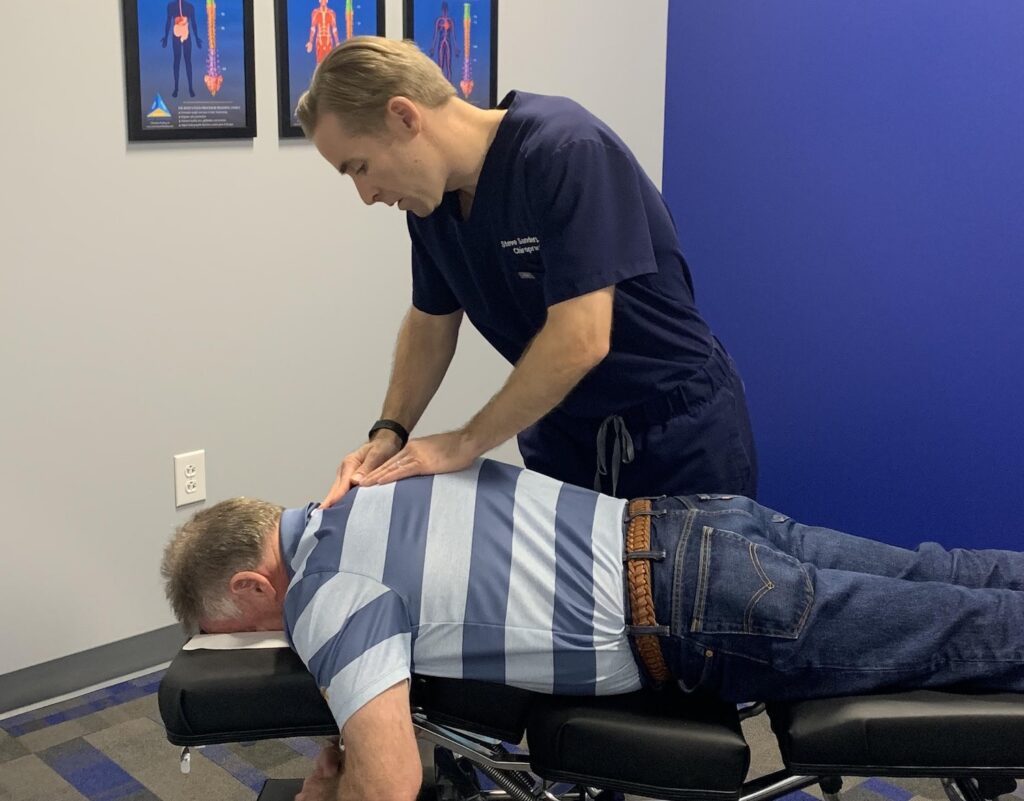
What do chiropractors do to treat whiplash? Chiropractors evaluate the neck and nearby joints, then use gentle hands-on care, targeted exercises, and education to reduce pain and improve motion. Treatment is individualized and may include spinal manipulation or mobilization, soft-tissue therapy, home care guidance, and coordination with other healthcare providers when needed.
Table of Contents
- Understanding Whiplash
- What Chiropractors Do to Treat Whiplash
- Our Step-by-Step Approach at Cityview Chiropractic
- What to Expect During Recovery
- Practical Tips for Home and Daily Life
- When to See a Chiropractor for Whiplash
- When to Seek Medical Care Immediately
- Myths and Facts About Whiplash and Chiropractic
- Final Thoughts from Your Fort Worth Chiropractor
Understanding Whiplash
Whiplash is a neck injury that happens when the head is suddenly forced backward and forward, or side to side. That quick motion can strain muscles, tendons, and ligaments, and irritate joints in the cervical spine. It’s common after car collisions, sports impacts, or any unexpected jolt.
Here in Fort Worth, we often see whiplash after low- to moderate-speed crashes at intersections or during stop-and-go traffic. Symptoms can show up right away or develop over the first 24–72 hours.
Common symptoms
Neck pain and stiffness are the most recognized signs. Some people also notice headaches (often at the base of the skull), shoulder or upper back soreness, decreased range of motion, jaw discomfort, or dizziness. Pain may feel worse with looking over your shoulder, checking blind spots, or sitting for long periods.
The biomechanics in simple terms
When the neck whips, tissues can be overstretched. Small joints in the spine can get irritated, and muscles may reflexively tighten to protect the area. This protective response is normal, but if it lingers, it can limit movement and feed more discomfort. Gentle, graded movement helps tissues calm down and heal in a healthier way.
What Chiropractors Do to Treat Whiplash
Chiropractors use a conservative, non-invasive approach focused on restoring normal joint motion, easing muscle tension, and guiding a safe return to activity. Treatment is tailored to your exam findings, comfort level, and stage of healing.
Assessment first
We start with a thorough history and exam. This includes checking range of motion, posture, joint mobility, neurologic function, and specific orthopedic tests. We also screen for red flags that may require medical referral or imaging.
Gentle manual therapies
Depending on what we find, we may use spinal manipulation (a quick, precise thrust) or spinal mobilization (slower, rhythmic movements) to improve neck and mid-back mobility. Mobilization is often used early on when the area is more sensitive. Soft-tissue techniques—like myofascial release, trigger point therapy, or instrument-assisted work—help reduce muscle guarding and improve circulation.
Therapeutic exercise
Movement is medicine for whiplash. We use progressive exercises to restore motion and support the neck: gentle range-of-motion drills, deep neck flexor activation, scapular stabilizing, and proprioceptive training to retrain balance and head/neck control. As pain eases, we add strengthening and endurance work.
Education and activity guidance
We’ll talk through posture, work and driving setups, sleep positions, and activity pacing. The goal is to calm irritated tissues while keeping you as active as possible without flaring symptoms. This is a key part of long-term improvement.
Coordinated care when needed
If your exam suggests a more serious injury—or if progress stalls—we coordinate with your primary care provider or specialists. Imaging may be recommended when there are signs of fracture, significant neurologic changes, or other concerns based on your history and exam.
Research suggests that combining manual therapy with exercise can help people with neck pain and whiplash-associated disorders recover function and reduce pain over time. For balanced overviews, see the National Center for Complementary and Integrative Health’s page on spinal manipulation and a Cochrane review on manipulation/mobilization for neck pain: NCCIH; Cochrane Review. Multimodal care that includes exercise is also supported by clinical practice recommendations for neck pain and whiplash: Chiropractic & Manual Therapies.
Our Step-by-Step Approach at Cityview Chiropractic
Every person and every collision is different. Here’s how we commonly structure care in our Fort Worth clinic.
1) Initial visit
We listen to your story, review how the injury happened, and examine the neck and surrounding areas. If we suspect a more serious problem, we’ll make the appropriate referral first.
2) Early care (acute phase)
We focus on calming pain and restoring gentle movement. This may include light mobilization, soft-tissue work, isometric or range-of-motion exercises, and home strategies like brief, intermittent cold or heat. We avoid aggressive treatments in highly irritable tissues.
3) Subacute phase
As pain eases, we progress to specific strengthening and posture work. We may introduce spinal manipulation when appropriate and well tolerated. The goal is to improve function for daily tasks—driving, desk work, lifting—without flare-ups.
4) Return to activity
We continue to build strength, coordination, and confidence. You’ll learn how to maintain good habits to reduce the chance of recurrent neck strains. If you play sports or have a physically demanding job, we tailor your plan to those needs.
What to Expect During Recovery
Recovery time varies. Many people improve over several weeks with a combination of self-care, activity modification, and guided treatment. Some cases take longer—especially when symptoms were severe at the start, there’s high job stress, or there are other medical conditions at play. Our goal is steady, meaningful progress without making you feel rushed.
Pain often reduces first. Range of motion and endurance usually follow. We celebrate small wins—sleeping better, easier shoulder checks while driving, or being able to sit through a meeting more comfortably.
Practical Tips for Home and Daily Life
These simple habits can support your recovery between visits. Always stop if a movement spikes pain sharply or causes numbness or weakness.
- Keep moving gently. Do frequent, comfortable neck turns and nods within pain-free ranges several times a day.
- Use brief cold or heat as tolerated. Short sessions (10–15 minutes) can reduce stiffness or soothe muscle tension.
- Support sleep. Try a pillow that keeps your neck neutral; avoid stomach sleeping until motion improves.
- Adjust your headrest. It should be level with the back of your head and close enough to reduce excessive backward motion.
- Check your desk setup. Keep the monitor at eye level, elbows near your sides, and feet supported.
- Avoid heavy lifting in the early days. Build back gradually under guidance.
- Breathe and de-stress. Gentle diaphragmatic breathing and short walks can calm body and mind.
When to See a Chiropractor for Whiplash
Consider scheduling a chiropractic evaluation if you notice neck pain, stiffness, or headaches after a minor collision or sudden jolt—especially if symptoms persist beyond a day or two. Early guidance helps you move safely and avoid habits that prolong pain.
It’s also reasonable to come in if you can’t comfortably turn your head to check blind spots, if symptoms keep returning after you think you’re better, or if neck tension triggers frequent headaches. A focused exam can clarify what’s going on and outline a plan.
When to Seek Medical Care Immediately
Some symptoms are not appropriate for chiropractic first. If you have any of the following, seek urgent or emergency medical care:
- Severe neck pain after high-speed impact or a fall
- Loss of consciousness, confusion, or worsening severe headache
- Numbness, tingling, or weakness in an arm or leg
- Trouble walking, changes in balance, or new vision problems
- Loss of bowel or bladder control
- Known osteoporosis or use of blood thinners with head/neck trauma
Once serious conditions are ruled out and you’re medically stable, chiropractic care can be considered as part of your recovery plan.
Myths and Facts About Whiplash and Chiropractic
| Myth | Fact |
|---|---|
| “Whiplash is just a sore neck that always goes away on its own.” | Many people recover well, but early guidance and movement strategies can speed recovery and reduce the risk of lingering issues. |
| “You should rest completely and wear a collar until pain is gone.” | Brief rest can be helpful, but prolonged immobilization often slows progress. Gentle, graded movement is usually encouraged. |
| “Chiropractors just crack the neck.” | Chiropractors use a range of techniques—mobilization, soft-tissue work, exercise, and education—not just manipulation. |
| “If X-rays or MRIs are normal, the pain isn’t real.” | Whiplash often involves soft tissues and joint irritation that don’t always show on imaging. Your symptoms and function still matter. |
Final Thoughts from Your Fort Worth Chiropractor
Whiplash can be frustrating, but it’s also very manageable with the right plan. Our team at Cityview Chiropractic is here to help you understand your injury, move with confidence, and get back to the activities you love in and around Fort Worth. If you’re unsure whether your symptoms are whiplash or something else, a careful exam is a good first step.
Have questions about neck pain after a recent collision or sports hit? We’re happy to talk through your options and help you decide what’s right for you.
FAQs
How soon after a car accident should I see a chiropractor?
If you have neck pain, stiffness, or headaches within the first 24–72 hours, it’s reasonable to schedule an evaluation. Early guidance helps you move safely and avoid over-resting.
Do chiropractors take X-rays or refer for imaging for whiplash?
Imaging is not always necessary. If your history or exam suggests a fracture or other serious concern, we coordinate with your medical provider for the appropriate studies.
Is spinal manipulation safe for whiplash?
For many people, manipulation or mobilization can be used safely as part of care. We select techniques based on your exam and comfort, and we avoid forceful methods when tissues are highly irritable.
How long does recovery from whiplash usually take?
It varies. Some improve within weeks; others take longer. Factors include initial pain levels, stress, job demands, and overall health. The focus is steady, sustainable progress.
Can chiropractic help headaches after whiplash?
Yes, headaches related to neck strain often improve with a combination of manual therapy, exercise, and posture strategies. Your response will depend on your specific findings.
TL;DR
- Whiplash strains neck joints and soft tissues after a sudden jolt, often causing pain, stiffness, and headaches.
- Chiropractors use gentle manual care, exercise, and education to reduce pain and restore motion—tailored to your exam and stage of healing.
- Early, guided movement usually helps more than prolonged rest; coordinated care is used when red flags or slow progress appear.
- Seek urgent medical care for severe pain after high-impact trauma, neurologic symptoms, or other red flags.
- Here in Fort Worth, Cityview Chiropractic provides individualized, evidence-informed, conservative care to help you return to daily life safely.