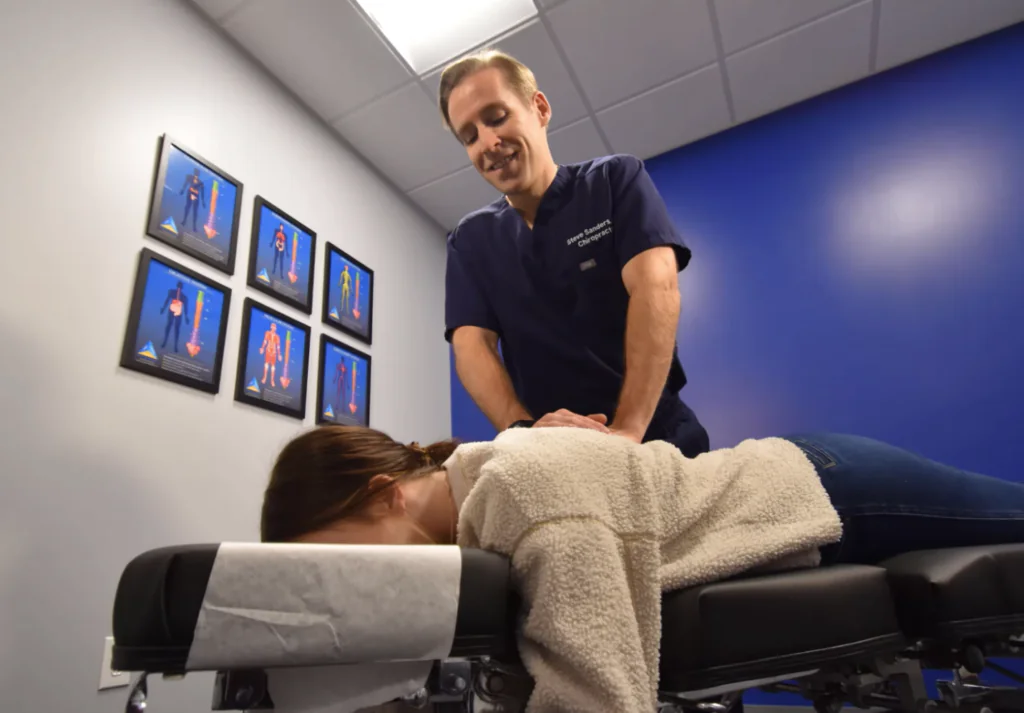
As a local chiropractor, I want to emphasize the crucial role posture plays in managing back pain, a factor that is often overlooked. Many patients are surprised to learn that their daily habits, such as how they sit, stand, and move, can significantly contribute to their discomfort. By exploring various techniques, including ergonomic adjustments, stretching exercises, and mindfulness practices, you can discover a personalized approach that suits your lifestyle and alleviates your pain.
It can be daunting to navigate the myriad of methods available, but understanding how each technique affects your back health and overall well-being is vital. In our practice, we focus on educating you about the importance of maintaining proper posture and how it can lead to long-lasting relief. Join me in exploring these techniques, and together we can work towards a healthier spine and a more comfortable life.
Understanding the Importance of Posture for Back Health
As a local chiropractor, I want to emphasize just how crucial your posture is for maintaining your back health. Many people don’t realize that poor posture, such as slouching or leaning forward, can place excessive strain on your spine. This strain can lead to discomfort and may even contribute to long-term issues if not addressed.
Good posture isn’t just about looking confident; it’s about aligning your body properly. When you maintain good posture, you distribute your weight evenly across your spine and joints, reducing unnecessary stress on your muscles.
Whether you’re sitting, standing, or walking, the way you position your body can either safeguard your back or lead to pain. I encourage you to focus on achieving a neutral spine position. Picture yourself sitting with your shoulders back, your head aligned directly over your spine, and your feet flat on the ground.
By practicing proper posture, you can alleviate tension and even enhance your breathing and circulation. Remember, being mindful of how you hold your body is key to supporting your overall back health, and it’s an essential part of your daily routine that can make a significant difference.
If you’re experiencing discomfort or have questions about how to improve your posture, don’t hesitate to reach out—I’m here to help you on your journey to better health!
Ergonomic Adjustments for Desk Workers
As a local chiropractor, I want to emphasize the importance of maintaining good posture, especially for those of you who spend long hours at a desk.
Poor ergonomic setups can lead to discomfort and chronic back pain, so I encourage you to make some simple adjustments to enhance your workspace. Here are a few suggestions:
- Chair Height: It’s vital to adjust your chair so that your feet rest flat on the floor, with your knees forming a 90-degree angle. This position not only supports your lower back but also promotes overall spinal health.
- Monitor Position: Your monitor should be positioned at eye level and about an arm’s length away to reduce neck strain. By keeping your monitor in this position, you encourage a straight back and minimize the risk of developing postural issues over time.
- Keyboard and Mouse Placement: Ensure that your keyboard and mouse are placed close enough that your elbows can remain relaxed at your sides and your wrists remain straight. This adjustment helps to alleviate strain on your arms and wrists, reducing the likelihood of repetitive stress injuries.
By making these ergonomic adjustments, you’re taking proactive steps toward better spinal health and overall well-being.
If you have any questions or need further guidance, don’t hesitate to reach out!
Stretching and Strengthening Techniques
As a local chiropractor, I want to share with you some effective ways to alleviate back pain and improve your posture through stretching and strengthening techniques. Many of my patients have found relief by incorporating these practices into their daily routine.
Start with gentle stretches, such as the cat-cow pose and child’s pose. These stretches are fantastic for releasing tension in your back and enhancing flexibility. When you perform these stretches, hold each position for about 20-30 seconds and focus on your breathing to deepen the stretch. This mindfulness won’t only help with the stretch itself but also promote relaxation.
In addition to stretching, it’s crucial to integrate strengthening exercises into your routine. Exercises like planks and bridges can significantly enhance your core stability. A strong core is essential for supporting your spine, which can help reduce strain and discomfort in your back.
I recommend aiming for two to three sets of 10-15 repetitions for each exercise. It’s important to listen to your body throughout this process. If you experience pain during any exercise, please consider modifying it or reaching out to a healthcare professional for guidance.
Consistency is vital in achieving results, so try to dedicate time each day to these practices. By committing to regular stretching and strengthening, you’ll not only relieve back pain but also cultivate better posture over time.
Mindfulness and Body Awareness Practices
As a chiropractor, I often emphasize the importance of combining physical techniques with mindfulness and body awareness to effectively manage back pain.
These practices can help you connect with your body, recognize areas of tension, and enhance your posture. Here are three simple yet powerful mindfulness techniques you can incorporate into your daily routine:
- Body Scan: Start by lying down comfortably. Take a moment to mentally scan your body from head to toe, identifying any areas of tension. As you notice these areas, consciously work on relaxing them, which can help alleviate discomfort.
- Breath Awareness: Pay attention to your breathing patterns. Inhale deeply through your nose, letting your abdomen rise as you fill your lungs. Then, exhale slowly through your mouth, imagining the release of tension in your back with each breath out.
- Mindful Movement: Consider engaging in gentle activities such as yoga or tai chi. These practices not only promote flexibility and strength but also encourage greater awareness of your body and its movements, which can be incredibly beneficial for your spine.
Incorporating these mindfulness techniques into your daily life can significantly reduce back pain and enhance your overall well-being.
When to Seek Professional Help for Posture Correction
As a local chiropractor, I often get asked how to know when it’s time to seek professional help for posture correction. If you’re dealing with ongoing back pain, neck discomfort, or frequent headaches that don’t seem to get better with simple adjustments at home, I encourage you to come in for an assessment.
It’s crucial to pay attention if your posture issues are starting to interfere with your daily activities or diminish your quality of life. Additionally, if you experience any unusual sensations like tingling or numbness in your arms or legs, it’s important to have these symptoms evaluated by a professional.
I can help assess your posture and identify any underlying issues that may be contributing to your discomfort. If you’ve already tried some self-help methods—such as exercises, stretches, or ergonomic changes—without seeing significant results, don’t hesitate to reach out for expert support.
Conclusion
As your local chiropractor, I want to share how incorporating a variety of posture techniques can significantly improve your back health and relieve pain. It’s essential to understand that making ergonomic adjustments in your daily routine, alongside practicing stretching and strengthening exercises, can create a solid foundation for your well-being.
Mindfulness plays a crucial role too; being aware of your body and its signals is key. If you notice discomfort or struggle with maintaining good posture, it’s important to make necessary adjustments. Don’t hesitate to reach out for professional help—my team and I are here to guide you through this journey.
Remember, taking a proactive approach to your posture not only leads to lasting relief but also enhances your overall quality of life. Together, we can work towards a healthier, more comfortable future.