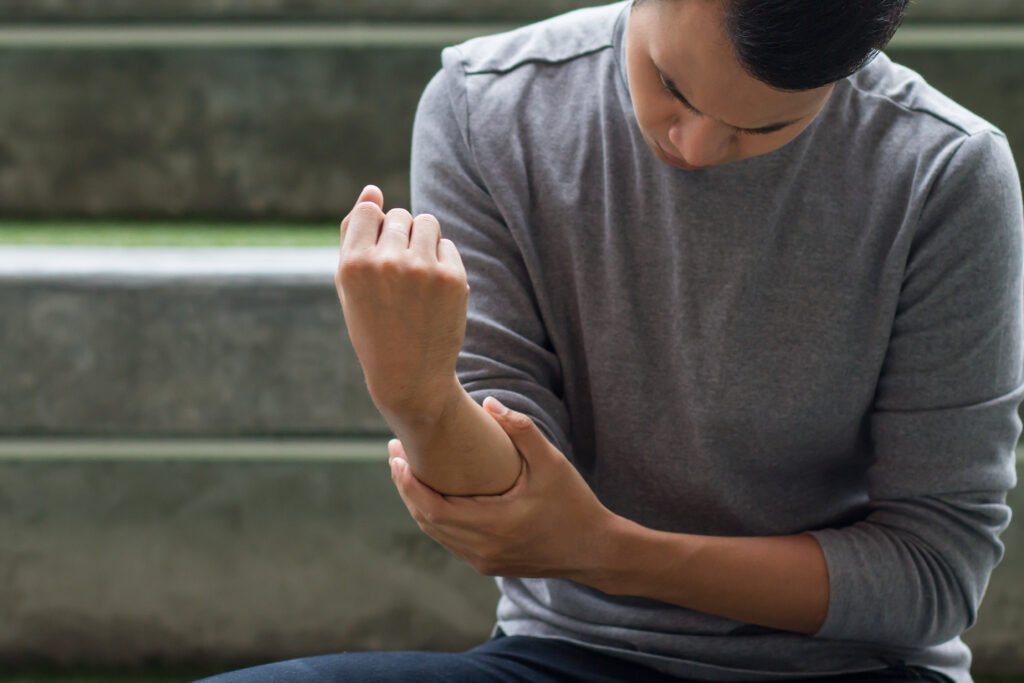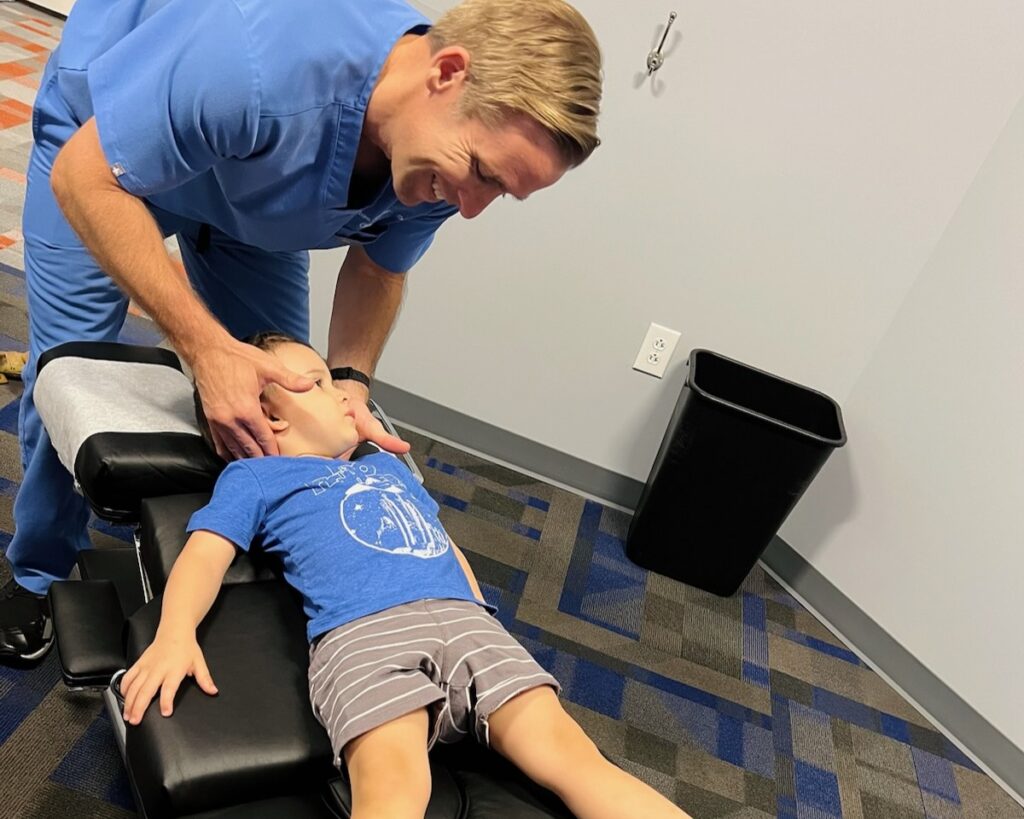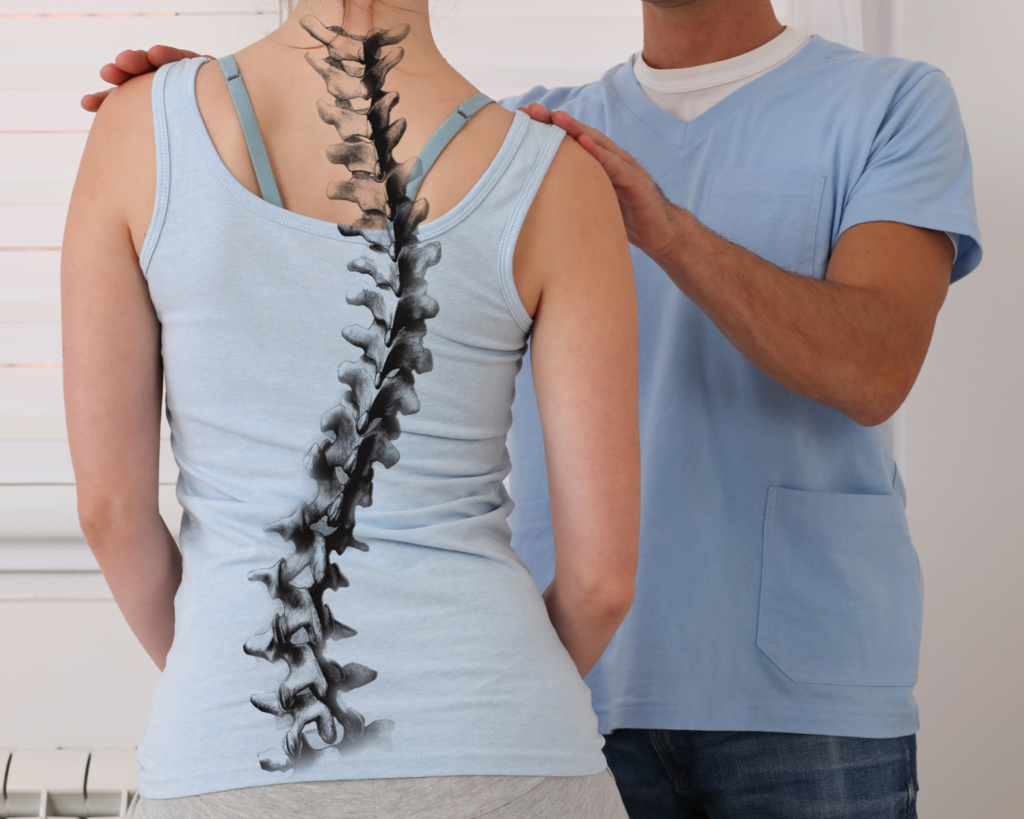
When it comes to recovering from a sports injury, navigating the wide array of recovery techniques can be daunting. Many people may think of traditional physical therapy, which focuses on personalized exercise regimens, or they might explore holistic approaches like acupuncture and massage therapy. However, I want to introduce you to chiropractic care—a natural healing method that emphasizes the body's inherent ability to heal itself.
Chiropractic care involves gentle adjustments that can help realign the spine and improve overall bodily function. This can be particularly beneficial for sports injuries, as it not only addresses pain but also enhances mobility and flexibility, allowing for a more effective recovery. While innovative treatments like cryotherapy offer promise for quicker healing, chiropractic care provides a comprehensive approach that targets the root cause of your discomfort.
Understanding the unique benefits of chiropractic care might be the key to your recovery journey. By focusing on natural healing, we can work together to restore your body's balance and help you get back in the game sooner.
Overview of Sports Injuries
As a local chiropractor, I want to take a moment to educate you about sports injuries and how understanding them can benefit your overall health and well-being. In the realm of athletics, injuries can occur unexpectedly, affecting everyone from casual weekend athletes to professional sports players.
It's crucial to recognize the different types of sports injuries you may encounter, which generally fall into two main categories: acute and chronic.
Acute injuries arise suddenly, often as a result of a specific event, such as a fall or collision. You might experience issues like sprains, strains, fractures, or dislocations. These injuries can bring about immediate pain, swelling, and a reduction in your ability to function normally, making it vital to seek prompt medical assistance.
Conversely, chronic injuries develop gradually over time and are frequently linked to repetitive movements or overuse. Conditions such as tendinitis, bursitis, or stress fractures can creep up on you, inhibiting your performance without you even realizing it until the pain becomes more pronounced.
Understanding how your body communicates with you is essential in preventing both acute and chronic injuries. Simple practices like warming up properly, employing correct techniques, and allowing for adequate rest can significantly reduce your risk of injury.
The more informed you're about the potential risks associated with your chosen sport, the better you can equip yourself to minimize those risks.
As a chiropractor, I emphasize that education on injury prevention is just as important as honing your athletic skills. I encourage you not to overlook this aspect of your journey in sports.
By staying informed and proactive, you can enhance your athletic performance while also reducing the likelihood of being sidelined by injury.
Importance of Recovery Techniques
Recovery techniques play a crucial role in not only healing from sports injuries but also in enhancing your overall athletic performance. As a chiropractor, I often see how regular training or competition places significant stress on the body, leading to micro-tears in muscles and tissues. Implementing effective recovery methods is vital for repairing these damages and reducing the risk of further injuries.
You might be asking yourself why recovery techniques are so important. First and foremost, they promote blood circulation, which is essential for delivering vital nutrients to your muscles and speeding up the healing process. Techniques such as foam rolling or active stretching can greatly improve your flexibility, ultimately allowing you to perform better in your physical activities. By taking the time to recover properly, you're not only healing but also preparing your body for the next challenge ahead.
Furthermore, integrating recovery techniques can help prevent burnout and keep your mind sharp. Athletes who overlook recovery often suffer from fatigue—both physically and mentally—leading to decreased performance and motivation. By prioritizing recovery, you're setting the stage for long-term success in your athletic endeavors.
In addition, using a combination of recovery methods—like proper hydration, balanced nutrition, and adequate rest—can enhance your body's resilience against injuries. When your body is well-rested and properly nourished, you're more likely to listen to its signals and avoid pushing through pain.
Traditional Physical Therapy
When it comes to recovering from sports injuries, chiropractic care offers a holistic approach that focuses on restoring balance and function in your body. Unlike traditional methods, our approach emphasizes the body's innate ability to heal itself through natural techniques.
As a chiropractor, I'll assess your condition and create a personalized treatment plan that addresses your unique needs.
One of the key advantages of chiropractic care is its focus on gentle, gradual progress. We won't push you into intense activities too quickly; instead, we'll guide you through specific adjustments and exercises designed to enhance strength, flexibility, and overall mobility while reducing the risk of re-injury.
Here are some essential components often included in chiropractic care for sports injuries:
- Comprehensive Assessment: I'll evaluate your injury and overall health to determine the most effective treatment methods.
- Spinal Adjustments: Gentle adjustments can help realign the spine and improve nervous system function, which is crucial for recovery.
- Rehabilitative Exercises: Targeted exercises will help restore strength, flexibility, and range of motion, tailored to your specific condition.
- Education and Preventive Care: You'll receive important information on how to prevent future injuries and make healthy lifestyle choices.
As you participate in this holistic approach, you'll likely see improvements not just in your physical abilities, but also in your overall well-being and confidence.
Chiropractic care emphasizes a partnership between you and your chiropractor, ensuring you're informed and engaged in every aspect of your recovery journey. By embracing this natural healing process, you're taking an active role in your health and wellness.
Cryotherapy Benefits
As a local chiropractor, I want to introduce you to the remarkable benefits of cryotherapy, a technique that utilizes the power of extreme cold to aid in recovery from sports injuries and enhance overall wellness.
When you enter a cryotherapy chamber, you're not just experiencing a drop in temperature; you're triggering a series of beneficial physiological responses that can significantly expedite your healing process.
One of the primary advantages of cryotherapy is its effectiveness in reducing inflammation. After intense physical activity or an injury, the body often reacts with swelling, which can impede your recovery.
By exposing yourself to cold temperatures, you constrict blood vessels and decrease blood flow to the affected area, which in turn helps to alleviate inflammation and manage pain.
In addition to minimizing inflammation, cryotherapy can drastically improve your recovery time. Many of my patients who've tried cryotherapy report feeling less soreness and fatigue after their sessions, enabling them to resume their training routines more quickly.
The cold exposure also encourages the production of endorphins—your body's natural painkillers—resulting in an enhanced sense of well-being.
Furthermore, cryotherapy has been shown to enhance sleep quality. For athletes, restful sleep is crucial for effective recovery, allowing the body to heal and rejuvenate.
Regular cryotherapy sessions may also result in increased energy levels and improved overall performance, making it a valuable addition to your wellness regimen.
If you're curious about how cryotherapy can complement your chiropractic care and support your journey toward optimal health, I encourage you to reach out and learn more!
Acupuncture for Pain Relief
As a local chiropractor, I want to share with you an incredible holistic approach to pain relief that complements traditional treatments: acupuncture. This ancient practice, rooted in Traditional Chinese Medicine, uses thin needles inserted into specific points on your body, which correspond to pathways of energy called meridians.
By targeting these points, acupuncture can help restore balance and alleviate pain, making it a valuable tool for many of my patients, especially those who are athletes or active individuals.
You might be surprised to learn just how effective acupuncture can be in managing pain associated with sports injuries. Here are some key benefits that many of my patients have experienced:
- Reduced muscle tension: Acupuncture can effectively relax tight muscles, which can help you regain your full range of motion and alleviate discomfort.
- Increased circulation: This treatment promotes better blood flow, which is essential for healing injured areas and speeding up your recovery process.
- Enhanced endorphin release: Acupuncture stimulates your body to release endorphins, the natural painkillers that improve your overall sense of well-being and help manage pain.
- Improved mental focus: Many of my patients find that acupuncture not only alleviates physical pain but also fosters a more relaxed mental state, ultimately enhancing their performance.
If you're experiencing pain from an injury or are simply looking to enhance your recovery routine, I encourage you to consider adding acupuncture to your treatment plan.
It's a safe and effective way to promote healing, allowing you to return to your favorite activities with renewed energy and reduced discomfort.
Active Release Techniques
At our chiropractic practice, we believe in the power of Active Release Techniques (ART) as a natural approach to healing soft tissue injuries and enhancing athletic performance. This hands-on therapy is designed to alleviate muscle tension, break down adhesions, and reduce scar tissue that can accumulate from overuse or injury. If you're an athlete experiencing pain or limited movement, ART could be just what you need to get back on track.
During an ART session, I'll work closely with you to identify the affected areas and apply specific movements and pressure to those muscles, tendons, and fascia. You'll actively participate by engaging in various motions while I apply pressure. This dynamic interaction is key to breaking up adhesions and restoring the flexibility of your soft tissues.
While you may feel some discomfort, it's an important part of the healing process that leads to lasting relief.
One of the standout features of ART is its personalized approach. Each session is tailored to your individual needs and injury history, ensuring a more effective recovery. Whether you're dealing with a specific injury or experiencing general tightness, ART can help you regain your range of motion and strength.
Many of my patients—especially athletes—report remarkable improvements in their performance after incorporating ART into their recovery plans. This technique not only addresses current injuries but also plays a vital role in preventing future issues.
By embracing ART, you can enhance your athletic performance and maintain a healthier, more resilient body.
If you're ready to take charge of your recovery and explore the benefits of Active Release Techniques, I invite you to schedule a consultation with me. Together, we can develop a personalized plan to help you achieve your health and performance goals through natural healing.
Massage Therapy Approaches
As a local chiropractor, I want to emphasize the vital role massage therapy can play in your recovery from sports injuries.
This approach isn't just about relaxation; it's a powerful tool that can help alleviate pain, boost circulation, and enhance your overall mobility.
By learning about the various massage techniques available, you can better understand how they contribute to your healing process.
It's also essential to consider the right timing and frequency of your sessions, as these factors can greatly influence your recovery journey.
Together, we can create a personalized treatment plan that incorporates massage therapy as part of a holistic approach to your health and well-being.
Techniques Overview
As a local chiropractor, I want to share how massage therapy can play a vital role in your recovery from sports injuries.
There are several techniques that can be tailored to meet your individual needs, each targeting different aspects of the healing process. By understanding these methods, you can make informed choices to support your recovery and get back to your favorite activities more quickly.
- Swedish Massage: This technique utilizes long, flowing strokes to promote relaxation and enhance circulation, which can be especially beneficial during your recovery phase.
- Deep Tissue Massage: This method focuses on the deeper layers of muscle and connective tissue. It can be particularly effective in breaking down scar tissue and alleviating chronic pain, allowing for improved mobility and comfort.
- Trigger Point Therapy: This specialized technique targets specific tight areas known as "trigger points." By addressing these localized sources of pain, it helps restore normal muscle function and relieve discomfort.
- Sports Massage: Designed specifically for athletes, this technique blends elements from various massage modalities. It aims to enhance performance, prevent injuries, and prepare your body for the demands of competition.
Benefits of Massage
As a local chiropractor, I want to help you understand the significant benefits of massage therapy, especially when it comes to recovering from sports injuries. Many people may not realize that different massage techniques can play a crucial role in your healing journey.
For example, massage therapy is known to effectively reduce muscle tension, enhance circulation, and improve overall flexibility, which are all essential for recovery. When massage is applied to injured areas, it increases blood flow, which promotes faster healing and delivers vital nutrients to the tissues.
Different types of massage serve specific purposes. Take deep tissue massage, for instance—it focuses on alleviating chronic pain and tension within the deeper layers of muscle and connective tissue. Alternatively, sports massage is specifically designed for athletes, targeting muscle tightness and aiding in injury prevention.
In addition to physical benefits, massage therapy can also significantly diminish stress and anxiety levels that often accompany the recovery process. By encouraging relaxation, massage helps your body redirect its energy from pain management to healing.
You may also experience improved range of motion, allowing you to return to your favorite sport more swiftly and effectively. Incorporating massage therapy into your recovery plan can enhance your overall experience, making the healing process smoother and more enjoyable.
As you embark on this journey, remember that listening to your body and maintaining open communication with your therapist is vital for maximizing the benefits of massage therapy. Together, we can create a personalized approach that supports your recovery and promotes your overall well-being.
Timing and Frequency
Timing and frequency are crucial when it comes to maximizing the benefits of massage therapy for recovering from sports injuries. As your local chiropractor, I want to help you understand how to effectively schedule your sessions and how often to receive them for optimal healing. Early intervention with massage therapy after an injury can significantly reduce muscle tension and enhance circulation, aiding in your recovery.
Here are some important points to consider:
- Initial Phase: In the first few days following an injury, it's best to focus on gentle techniques. This helps to minimize inflammation and sets the stage for healing.
- Regular Sessions: I recommend aiming for 1-2 massage sessions per week during your recovery. This consistent approach promotes ongoing healing and recovery.
- Timing: Try to schedule your massage sessions around your training routine. Ideally, having a session after your workouts can help with recovery and relaxation, allowing your body the support it needs.
- Listen to Your Body: It's essential to pay attention to how your body responds to the treatments. If you feel discomfort or notice changes, be sure to communicate this with me so we can adjust the frequency and intensity of the sessions to suit your needs.
Nutritional Support for Recovery
As a local chiropractor, I want to emphasize how crucial your nutrition is when healing from sports injuries. The right foods can significantly influence your recovery, providing your body with the essential nutrients it needs to repair tissues, reduce inflammation, and build strength.
It's important to focus on a balanced diet that includes proteins, carbohydrates, healthy fats, vitamins, and minerals.
Let's start with protein. This macronutrient is vital for muscle repair and recovery after an injury. Incorporate lean meats, fish, eggs, dairy, beans, and legumes into your meals. A diverse selection ensures that you receive all the essential amino acids your body requires for optimal healing.
Carbohydrates are another key element, as they supply the energy necessary for your daily activities and rehabilitation exercises. Whole grains, fruits, and vegetables not only provide this energy but are also packed with vitamins and antioxidants that can help reduce inflammation, which is often part of the injury recovery process.
Don't overlook the importance of healthy fats. Foods such as avocados, nuts, seeds, and olive oil can help mitigate inflammation and support your overall health. Specifically, omega-3 fatty acids found in fatty fish like salmon are particularly beneficial for recovery.
Hydration is equally important in this process. Water plays a critical role in cellular function and nutrient transport throughout your body. Aim for at least eight glasses of water a day, adjusting this amount based on your activity levels.
If you're feeling uncertain about your dietary choices, I highly recommend consulting with a nutritionist or dietitian. Personalized nutrition advice can significantly enhance your recovery journey, complementing the chiropractic care I provide to support your healing process.
Innovative Technologies in Recovery
As a local chiropractor, I want to share how nutrition and innovative technologies are revolutionizing the recovery process for athletes and active individuals alike. Many people may not realize that these advancements can significantly shorten recovery times and improve overall performance, allowing you to get back to your favorite activities sooner.
Here are some exciting technologies that I believe can be beneficial in your recovery journey:
- Cryotherapy: This technique utilizes extreme cold to alleviate inflammation and pain. By incorporating cryotherapy into your recovery routine, you can experience faster healing from injuries and improved comfort.
- Electrical Stimulation: Tools like TENS (Transcutaneous Electrical Nerve Stimulation) units can stimulate your muscles and help reduce pain. This can make your rehabilitation exercises more effective and enhance your overall recovery experience.
- Hydrotherapy: By using the buoyancy of water, hydrotherapy allows you to engage in exercises that promote healing without placing undue stress on injured areas. This method supports recovery while helping you maintain your strength.
- Biomechanical Analysis: Cutting-edge motion capture technology can analyze your movements and identify weaknesses or imbalances that might lead to future injuries. Understanding these factors can be crucial in developing a tailored recovery and prevention plan.
These technologies are truly transformative in the realm of sports recovery. They provide not only immediate relief but also valuable insights to help prevent future injuries.
By integrating these innovations into your recovery strategy, you can ensure a more efficient healing process. As your chiropractor, my goal is to help you recover smarter, not just harder.
Embracing these advancements can elevate your performance and overall well-being, allowing you to enjoy life to the fullest. If you have any questions about how these technologies can fit into your recovery plan, feel free to reach out. Together, we can work towards a healthier, more active you!
Conclusion
As a local chiropractor, I want to share some insights on effectively recovering from sports injuries. It's important to understand that healing is not just about resting; it involves a combination of techniques that cater to your individual needs. Traditional physical therapy is a great start, but incorporating chiropractic care can significantly enhance your recovery.
Chiropractic adjustments can help align your spine and improve your overall mobility, which is crucial for healing. Additionally, innovative methods like cryotherapy can reduce inflammation and speed up recovery time. Holistic practices such as acupuncture can also play a role in relieving pain and promoting healing by addressing energy flow in the body.
By prioritizing a comprehensive approach to recovery, you'll not only rebound more quickly but also enhance your overall performance and reduce the risk of future injuries. I encourage you to explore these options and discover what works best for you. Together, we can help you get back in the game stronger and more resilient than ever.