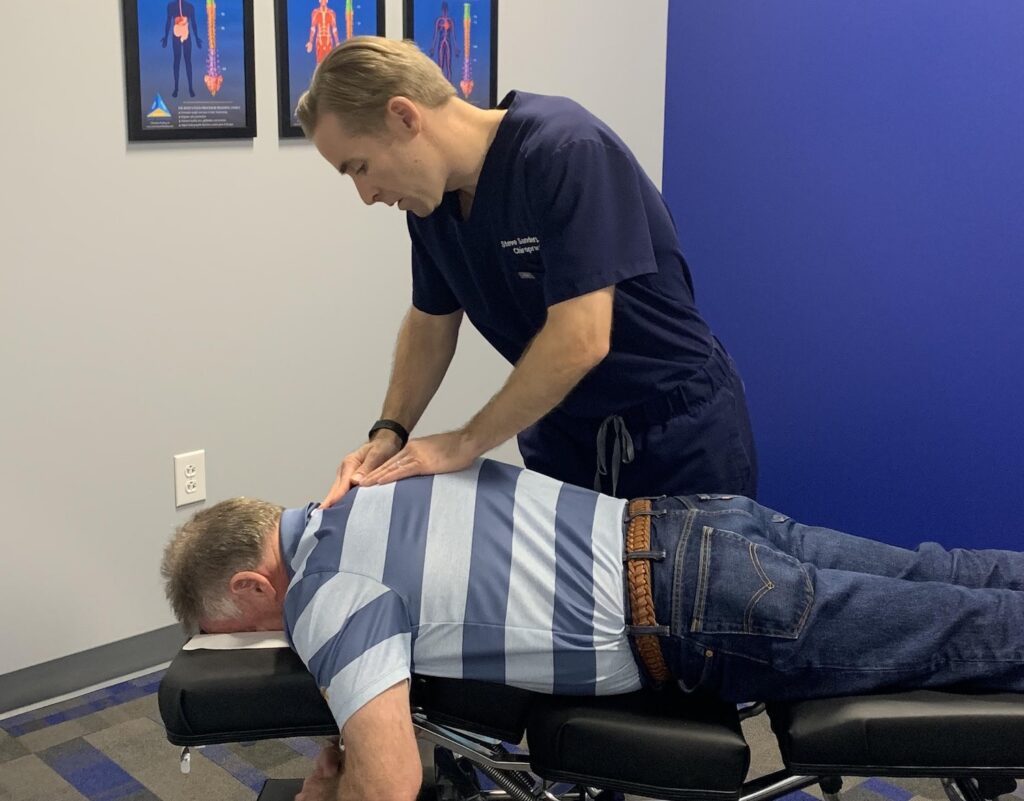
As a local chiropractor, I understand that dealing with a neck injury can be overwhelming. It's crucial to find effective relief, and I want to help you navigate your options. Many patients are surprised to learn about the benefits of chiropractic care in addressing neck pain. Alongside professional treatments, I encourage exploring a blend of home remedies and gentle stretching tailored to your individual needs.
One of the first steps I recommend is to incorporate heat and cold therapy into your routine. These methods can significantly alleviate discomfort and promote healing. Additionally, maintaining good posture is vital—not just for immediate relief but also for preventing future issues.
It's essential to understand that the right approach often hinges on identifying the underlying causes of your discomfort. This is where chiropractic care can make a significant difference. We focus on holistic methods that may include spinal adjustments, which can help restore proper alignment and function to your neck.
What if the solution lies in a combination of techniques you haven't explored yet? I invite you to consider the diverse methods available to you and how they can contribute to your recovery. Together, we can uncover the best path forward to ensure you feel your best.
Understanding Neck Injuries
As a local chiropractor, I often encounter patients who aren't fully aware of the common causes and types of neck injuries. These injuries can stem from a variety of everyday activities, such as a sudden fall, an intense sports event, or simply maintaining poor posture during prolonged periods at a desk. It's crucial to understand these injuries, as doing so can help you recognize the signs and seek the appropriate natural treatment options available.
The most frequently seen neck injuries in my practice include strains, sprains, and whiplash. Strains happen when the muscles or ligaments in your neck are overstretched, leading to discomfort, stiffness, and limited mobility. On the other hand, sprains involve damage to the ligaments, which can result in swelling and pain.
Whiplash, a common injury associated with car accidents, occurs when your head is forcibly whipped back and forth, straining the neck's muscles and tendons.
Another condition we often address is cervical radiculopathy. This occurs when the nerve roots in the neck become compressed, causing pain that radiates down into your arms. In some cases, herniated discs can complicate matters by pressing on nearby nerves, leading to more significant discomfort.
The symptoms of neck injuries can vary greatly. You may experience localized pain, tension headaches, or even tingling sensations in your arms. It's important to listen to what your body is telling you; ignoring these signs can lead to chronic issues that may require more extensive intervention.
Recognizing the severity of your neck injury is vital. If your pain persists or intensifies, I encourage you to seek professional medical advice. Early intervention, especially through chiropractic care, can help prevent long-term complications and assist you in returning to your daily activities more quickly.
My goal is to provide you with the knowledge and natural healing techniques that can support your recovery and overall well-being.
Home Remedies for Relief
As a local chiropractor, I understand that many of you may not be familiar with the benefits of chiropractic care and natural healing methods for neck pain relief.
It's important to know that you can find comfort through various home remedies. Gentle stretching exercises can help alleviate tension in the neck and improve flexibility.
Warm compresses are another effective option; they can increase blood flow to the affected area and promote healing.
Additionally, certain herbal remedies may provide natural anti-inflammatory benefits.
Let's take a closer look at how these methods can contribute to your overall well-being and help you find the relief you're looking for.
Gentle Stretching Exercises
As a local chiropractor, I want to share with you the importance of incorporating gentle stretching exercises into your daily routine to help alleviate neck pain and stiffness.
These stretches can significantly improve your flexibility, reduce muscle tension, and promote healthy blood circulation in the neck area.
Let's start with some simple neck rolls. Gently roll your head in a circular motion—first clockwise for about 30 seconds, then counterclockwise for another 30 seconds. This exercise helps to loosen up the muscles surrounding your neck.
Next, I recommend trying the chin tuck. Whether you're sitting or standing, maintain good posture and gently tuck your chin toward your chest. Hold this position for five seconds, and repeat it five times. This technique helps strengthen your neck muscles and improve alignment.
Another beneficial stretch is the side stretch. While seated, tilt your head to one side, bringing your ear toward your shoulder. Hold this stretch for 15-30 seconds before switching to the other side. This will help alleviate tightness on both sides of your neck.
Lastly, don't forget about the shoulder shrug. Raise your shoulders toward your ears, hold for a few seconds, and then relax them down. Repeat this five times to release built-up tension in your shoulders and neck region.
Always remember to breathe deeply while performing these stretches and listen to your body—never push yourself into pain.
Consistency is essential, so I encourage you to incorporate these gentle stretches into your daily routine for optimal relief. By integrating these practices, you can support your body's natural healing processes and maintain a healthier neck.
Warm Compress Application
As a chiropractor, I often emphasize the importance of holistic approaches to managing neck pain. After incorporating gentle stretching exercises into your routine, I recommend trying a warm compress to further support your relief efforts. This simple yet effective home remedy can soothe sore muscles and enhance blood circulation to the affected area, which promotes healing.
To apply a warm compress, you have several options. You can use a heating pad, a hot water bottle, or even a damp towel that you heat in the microwave. If you choose the towel method, ensure it's comfortably warm and not too hot to avoid any risk of burns.
Place the warm compress on your neck for about 15 to 20 minutes, allowing the warmth to penetrate deeply and alleviate discomfort. Feel free to repeat this process a few times throughout the day, especially after your stretching sessions.
The heat works to relax tight muscles, which are often a significant contributor to pain and stiffness. However, it's essential to listen to your body; if you experience any discomfort, adjust the heat or take a break.
By combining warm compresses with your stretching routine, you can create a powerful approach to managing neck pain naturally. This low-cost, effective method is something many of my patients find beneficial.
Herbal Remedies Usage
As a local chiropractor, I often see patients seeking immediate relief for neck pain through conventional methods. However, I want to introduce you to the potential benefits of herbal remedies, which can serve as a natural alternative worth considering on your journey to wellness.
These remedies can help reduce inflammation, ease tension, and promote relaxation, ultimately enhancing your overall comfort. Here are three effective herbal options that I recommend exploring:
- Turmeric: This vibrant spice is renowned for its anti-inflammatory properties. You can enjoy turmeric as a soothing tea or add it to your meals. The active compound, curcumin, may help alleviate pain and stiffness in the neck, making it a wonderful addition to your diet.
- Ginger: Another fantastic herb is ginger, which not only helps reduce inflammation but also enhances circulation. You can brew a refreshing ginger tea or incorporate fresh ginger into your meals. Its warming qualities can be particularly effective in soothing muscle tension and discomfort.
- Peppermint Oil: If you're looking for a more direct application, consider using diluted peppermint oil on your neck. It provides a cooling sensation and can improve blood flow, which is beneficial for relieving tension. Just be sure to mix it with a carrier oil to prevent any potential skin irritation.
Incorporating these herbal remedies can complement the chiropractic care I provide and promote your overall healing process.
However, I always recommend consulting with a healthcare professional before starting any new treatment, especially if you're currently taking other medications.
Embracing these natural options can lead to a more holistic approach to neck pain relief, and I'm here to guide you on that path!
Stretching and Strengthening Exercises
As a local chiropractor, I want to help you understand the importance of incorporating stretching and strengthening exercises into your routine for relieving neck injuries. These exercises play a vital role in not only enhancing flexibility but also building the strength of the muscles that support your neck.
Let's go over some simple yet effective exercises that can promote healing and improve your neck function.
To begin, gentle stretches are a great way to alleviate tension in your neck. One effective stretch is the neck tilt. While seated comfortably, sit up straight and gently tilt your head towards one shoulder. Hold this position for 15-30 seconds before switching to the other side. This stretch targets the muscles on the sides of your neck, helping to release tightness.
Next, I recommend the chin tuck. This exercise is excellent for strengthening the deep neck flexors, which are crucial for maintaining neck stability. While sitting or standing with a straight spine, gently tuck your chin in towards your chest without tilting your head down. Hold this position for 5 seconds and repeat it 10 times. You'll find that these small movements can make a significant difference in your neck's strength over time.
After you've warmed up with these stretches, it's time to focus on strengthening your neck. One effective exercise is the isometric neck exercise. To perform this, place your palm against your forehead and gently push your head forward against your hand while keeping your head still. Hold for 5 seconds, then relax. You can also repeat this exercise by pushing against your hand on both sides of your head and at the back.
Regularly practicing these exercises can greatly enhance your neck's resilience and overall function.
As you engage in these exercises, remember to listen to your body. If you experience any pain, it's important to stop immediately. Gradually increase the intensity as your neck becomes stronger.
Importance of Good Posture
As a local chiropractor, I want to emphasize the importance of good posture, not just for aesthetics, but for your overall neck health. Proper alignment when sitting or standing significantly reduces strain on your neck muscles and spine. Conversely, poor posture can lead to tension, discomfort, and even long-term injuries that can affect your quality of life.
Here are three crucial benefits of maintaining good posture that I often discuss with my patients:
- Reduces Neck Pain: When your head is aligned over your spine, you minimize the stress on your neck muscles. This proper alignment can alleviate chronic pain and discomfort, allowing you to engage in daily activities without the burden of pain.
- Improves Breathing: Good posture promotes an open chest, facilitating better lung expansion. Improved lung function leads to better oxygen flow, which is vital for your overall health and can boost your energy levels throughout the day.
- Boosts Confidence: Standing tall with good posture doesn't just enhance your appearance; it can also significantly improve how you feel about yourself. This newfound self-assurance can positively influence your interactions and enhance your overall well-being.
To cultivate good posture, it's essential to be mindful of your body alignment throughout the day. Whether you're at your desk or on the move, strive to keep your shoulders back, your chin slightly tucked, and your spine in a neutral position.
Heat and Cold Therapy
As a local chiropractor, I want to share some valuable insights into managing neck injuries through natural healing techniques like heat and cold therapy.
Many of my patients find that applying heat can be incredibly beneficial for relaxing tight muscles in the neck area, which is often a source of discomfort. On the other hand, cold therapy is excellent for reducing inflammation and numbing pain, providing much-needed relief.
By combining these two therapies, you can enhance your recovery process and experience greater comfort as you heal. It's a simple yet effective approach that aligns perfectly with the principles of chiropractic care, focusing on your body's natural ability to heal itself.
If you're unfamiliar with these methods, I encourage you to give them a try and see how they can complement your chiropractic treatment. Your body will thank you!
Benefits of Heat Application
As a local chiropractor dedicated to your well-being, I want to share with you the incredible benefits of heat therapy for neck injuries. This natural approach not only helps alleviate pain but also promotes the healing process in a gentle and effective way.
When you apply heat to your neck, you're doing more than just warming the area; you're enhancing blood flow, which can significantly speed up your recovery. Here are three essential benefits of using heat therapy that I encourage you to consider:
- Muscle Relaxation: Heat therapy is fantastic for relaxing tight muscles. It can help reduce stiffness, allowing you to move your neck with greater ease. After just a session with a warm compress or heating pad, you may notice an improvement in your mobility.
- Pain Relief: Applying heat can stimulate the nerves in the affected area, helping to lower your perception of pain. This makes it particularly effective for chronic aches, providing you with a natural option to manage ongoing discomfort.
- Improved Flexibility: The increased blood circulation that comes with heat therapy can lead to enhanced flexibility in your neck muscles and joints. This is especially valuable during your rehabilitation process, as it allows you to engage in gentle stretching exercises more efficiently.
Incorporating heat therapy into your neck injury recovery routine can significantly enhance your comfort and accelerate healing.
I encourage you to make it a regular part of your pain management strategy, along with other chiropractic care methods, for optimal results. Remember, your path to recovery can be supported through natural healing techniques!
Cold Therapy Techniques
As a local chiropractor, I want to share some valuable insights about cold therapy techniques that can play a crucial role in managing neck injuries and complement the benefits of heat therapy. When you apply cold to your neck, it helps reduce inflammation and numbs the pain, which can be incredibly beneficial for your recovery.
You can use ice packs, frozen gel packs, or even a bag of frozen vegetables wrapped in a towel. Just remember, it's important to avoid applying ice directly to your skin to prevent frostbite.
To make the most of cold therapy, I recommend starting with 15 to 20-minute sessions. After an injury, aim to apply cold therapy several times a day for the first 48 hours. This consistent approach helps control swelling and provides immediate pain relief.
Another effective method is using a cold compress. Simply soak a cloth in cold water, wring it out, and place it on your neck. This technique isn't only soothing but can be repeated as needed throughout the day.
Always listen to your body during this process. If you experience discomfort or an increase in pain, it's best to discontinue use.
Cold therapy is a straightforward yet powerful tool in managing neck injuries and can significantly enhance your recovery journey. If you have any questions or need guidance on how to incorporate cold therapy into your routine, feel free to reach out—I'm here to help!
Combining Heat and Cold
As a local chiropractor dedicated to helping you understand natural healing methods, I want to share an effective technique for managing neck injuries: the combination of heat and cold therapy. This powerful approach not only helps alleviate pain but also promotes healing by reducing inflammation and improving circulation.
Here's how you can incorporate these therapies into your recovery routine:
- Begin with Cold Therapy: In the first 48 hours following your injury, it's essential to use cold therapy. Applying an ice pack or a cold compress for about 15-20 minutes can numb the affected area and significantly reduce swelling. Just remember to wrap the ice pack in a cloth to protect your skin from direct contact with the cold.
- Transition to Heat Therapy: Once the initial swelling has diminished, it's time to switch to heat therapy. You can use a warm towel, a heating pad, or even take a warm shower for 15-20 minutes. This step is crucial as it helps relax tight muscles and increases blood flow, both of which are vital for healing.
- Alternate Between Heat and Cold: Once you feel comfortable, you can start alternating between heat and cold therapy. This technique can effectively manage pain and stiffness. For example, you might use heat for 20 minutes, followed by cold for another 20 minutes, allowing your body to benefit from both treatments.
By combining heat and cold therapy, you can enhance your recovery process significantly.
I encourage you to try this method and see how it works for you! If you have any questions or need assistance, feel free to reach out during your next visit. Your healing journey is important, and I'm here to support you every step of the way.
Professional Treatments
As a local chiropractor, I want to emphasize the importance of seeking professional treatments for neck injuries, as they can greatly enhance your recovery process. When you come to see me, I'll first assess the extent of your injury to understand how we can best tailor your treatment plan to meet your needs.
One of the main focuses of chiropractic care is spinal alignment. By performing gentle adjustments, I can help relieve pressure on nerves and restore proper function to your neck. Many patients find that these adjustments lead to significant pain relief and improved mobility, allowing them to return to their daily activities more comfortably.
In addition to spinal adjustments, I often incorporate rehabilitative exercises into your treatment plan. These exercises are designed to strengthen your neck muscles and improve flexibility, further aiding in your recovery. By working together, we can create a personalized program that fits your lifestyle and promotes healing.
If your injury is more severe, I may recommend imaging tests, such as X-rays, to get a clearer picture of what's happening internally. Depending on the findings, we might discuss complementary treatments like anti-inflammatory medications or muscle relaxants to manage pain effectively.
In certain cases, I may refer you to a medical physician for options like corticosteroid injections if we believe they could provide additional relief.
While surgery isn't the first option we consider, it's important to know that it can be a viable solution for specific conditions, such as herniated discs or spinal stenosis. My goal is to guide you through the best possible treatment options, always focusing on natural healing and a holistic approach to your health.
If you're dealing with a neck injury, don't hesitate to reach out. Together, we can develop a comprehensive treatment plan that supports your recovery and helps you regain your quality of life.
Alternative Therapies
As a local chiropractor, I want to share some valuable insights about alternative therapies that can greatly complement your recovery from neck injuries. While professional treatments are essential, integrating natural healing methods can enhance your overall well-being, alleviate pain, and improve your mobility.
Here are three alternative therapies that I highly recommend:
1. Chiropractic Care: As a chiropractor, my primary focus is on diagnosing and treating issues related to your musculoskeletal system. Through spinal manipulation and other specialized techniques, I work to realign your spine, which alleviates tension in the neck and enhances your range of motion.
Regular chiropractic visits not only help in your recovery but also play a crucial role in maintaining your neck's health and preventing future injuries.
2. Acupuncture: This ancient practice has been used for centuries to promote healing. By inserting thin needles into specific points on your body, acupuncture stimulates your nerves, muscles, and connective tissue.
This process can lead to natural pain relief and reduced inflammation. Many of my patients report significant relief from neck pain after just a few acupuncture sessions, making it a fantastic complementary option.
3. Massage Therapy: Therapeutic massage is another excellent avenue for relief. It can effectively reduce muscle tension and improve blood circulation in your neck.
Various techniques, such as deep tissue or trigger point massage, allow us to target specific problem areas, helping to lessen pain and promote relaxation. Incorporating regular massage into your routine can also help lower stress levels, supporting your overall recovery journey.
By considering these alternative therapies alongside your chiropractic care, you can achieve a more holistic approach to healing.
It's important to address not just the physical aspects of your neck injury but also to nurture your mental and emotional well-being. Always feel free to discuss any new therapies with me or your healthcare provider to ensure they align with your specific needs.
Together, we can create a comprehensive recovery plan that works best for you.
Prevention Strategies
As your local chiropractor, I want to emphasize the importance of preventing neck injuries for your overall health and well-being. By incorporating some simple strategies into your daily life, you can significantly reduce your risk of experiencing neck pain or injuries.
Firstly, let's talk about posture. Whether you're working at a desk or scrolling through your phone, it's crucial to keep your head and neck aligned with your spine. Position your screen at eye level to avoid unnecessary strain on your neck.
If you find yourself sitting for extended periods, remember to take regular breaks. Stretching and moving around can help alleviate tension and keep your muscles engaged.
Strengthening your neck and shoulder muscles is another key aspect of injury prevention. I recommend incorporating exercises that target these areas, such as shoulder shrugs, neck stretches, and resistance training.
Building strong muscles can provide the support your neck needs to stay healthy and injury-free. Additionally, maintaining flexibility is vital, so consider integrating yoga or stretching routines into your weekly schedule.
If you engage in sports or physical activities, it's essential to wear the appropriate protective gear. This is particularly important in contact sports, where the risk of neck injuries can be heightened.
Always remember to warm up before any vigorous activity to prepare your muscles and joints, reducing the likelihood of injury.
Lastly, let's not overlook the impact of your sleep on neck health. Choosing a supportive pillow is crucial, and I advise against sleeping on your stomach, as this can create unnecessary strain on your neck.
Instead, aim to sleep on your back or side with your neck in a neutral position to promote better alignment while you rest.
By taking these preventative steps, you can help protect your neck and enhance your overall health. If you have any questions or would like personalized advice on maintaining a healthy neck, feel free to reach out.
Together, we can work towards a pain-free and active lifestyle!
Conclusion
As a local chiropractor, I want to emphasize the importance of a holistic approach to managing neck injuries. It's essential to understand that relief can come from a combination of natural methods, including home remedies, therapeutic exercises, and professional chiropractic treatments.
Incorporating gentle stretching into your daily routine can significantly alleviate pain and promote healing. Additionally, using heat and cold therapy can provide immediate relief and help reduce inflammation. Maintaining good posture is crucial—not just for your neck, but for your overall spinal health.
I also encourage you to consider alternative therapies, such as massage and acupuncture, which can complement chiropractic care and enhance your recovery process. Lastly, adopting prevention strategies will not only aid in your current healing but will also keep your neck healthy in the long run.
By taking these steps, you can regain comfort and mobility, allowing you to enjoy a pain-free life. Remember, chiropractic care is here to support you on your journey to wellness.