When you face a sports injury, it's essential to understand the various treatment options available to you. From the immediate care strategies like rest and ice to more complex approaches such as physical therapy and advanced medical interventions, each option plays a role in your recovery. You might be surprised by how many avenues exist to not just heal, but also strengthen your body against future injuries. The best path forward often involves a thoughtful combination of these methods, but what should you prioritize first?
Understanding Sports Injuries
Sports injuries can happen in a variety of ways, often resulting from sudden movements or repetitive stress on the body. You might experience a sprain, strain, fracture, or tendonitis, depending on the activity and intensity of your sport. Understanding these injuries is vital for both prevention and treatment.
When you engage in physical activities, your body undergoes a lot of stress. Sudden twists or impacts can lead to sprains, where ligaments stretch or tear. Strains, which affect muscles or tendons, can occur when you push your body beyond its limits or fail to warm up properly.
Fractures, whether they're stress fractures from overuse or acute fractures from a fall, can take you out of the game for a while. Then there's tendonitis, an inflammation of tendons that often arises from repetitive motions, like throwing a ball or running.
Recognizing the signs of these injuries is essential. Pain, swelling, and reduced mobility are common indicators. If you notice these symptoms, it's important to listen to your body. Ignoring them can worsen the injury and lead to more severe problems down the line.
You can minimize your risk of injury by maintaining proper technique, warming up effectively, and ensuring your body is conditioned for the sport you're participating in. By understanding the types of injuries that can occur and how they develop, you can take proactive steps to keep yourself safe and injury-free while enjoying your favorite activities.
Rest and Recovery Techniques
Effective rest and recovery techniques are vital for healing and enhancing performance after a sports injury. When you get injured, your body needs time to repair itself. One of the most significant aspects of recovery is allowing adequate rest. This means taking a break from high-impact activities to prevent further damage. Listen to your body; if you feel pain, don't push through it.
Incorporating ice therapy can also be beneficial. Applying ice to the affected area for 15-20 minutes can help reduce swelling and numb the pain. Make sure to wrap the ice in a cloth to avoid frostbite.
Don't forget about compression and elevation as well. Using a compression bandage can minimize swelling, while elevating the injured area helps improve blood flow and reduces inflammation.
Hydration plays an important role in recovery, too. Make sure you're drinking plenty of water to help your body flush out toxins and maintain ideal function.
Nutrition shouldn't be overlooked either; consuming a balanced diet rich in vitamins and minerals can speed up the healing process.
Finally, consider incorporating gentle stretching or mobility exercises as you start to feel better. This can help maintain flexibility while your injury heals.
Remember, recovery isn't just about the physical aspect; it's also about mental well-being. Practicing mindfulness or meditation can ease anxiety and keep you focused on your recovery journey.
Prioritizing these rest and recovery techniques will set you up for a successful comeback.
Physical Therapy Approaches
Recovery from an injury often hinges on the right physical therapy approaches. When you've sustained a sports-related injury, working with a physical therapist can make all the difference in your healing process. They'll tailor a treatment plan specifically for you, focusing on your unique needs and goals.
One common approach is manual therapy, which involves hands-on techniques to improve mobility and reduce pain. Your therapist might use joint mobilizations or soft tissue techniques to target specific areas of discomfort.
Alongside this, therapeutic exercises play an essential role in rehabilitation. These exercises help restore strength, flexibility, and coordination, ultimately allowing you to return to your sport safely.
Another valuable method is functional training. This focuses on movements specific to your sport, helping you regain the skills necessary for performance. Incorporating balance and proprioceptive exercises can also be beneficial, as they enhance your body's awareness and stability, reducing the risk of future injuries.
Additionally, your therapist may use modalities like heat, ice, or ultrasound to support the healing process. These techniques can alleviate pain and promote circulation in the injured area, setting the stage for more effective rehabilitation.
Medication and Pain Management
When you're dealing with a sports injury, managing pain is essential for your recovery.
Over-the-counter options like ibuprofen can help, but sometimes you might need stronger prescription pain relief.
Understanding these choices can make a big difference in getting you back on your feet.
Over-the-Counter Options
Managing pain from sports injuries often starts with over-the-counter (OTC) options that can provide quick relief. Many athletes turn to nonsteroidal anti-inflammatory drugs (NSAIDs) like ibuprofen or naproxen. These medications help reduce swelling and alleviate pain, allowing you to get back to your activities sooner.
Acetaminophen is another popular choice for pain relief. It's effective for mild to moderate pain and is often easier on the stomach than NSAIDs, making it a good option if you're sensitive to those medications. Always follow the recommended dosage instructions on the label to avoid any adverse effects.
Topical analgesics, such as creams or gels containing menthol or lidocaine, can also be beneficial. Applying these directly to the injury site can provide localized relief without the side effects associated with oral medications.
While OTC options can be effective, it's crucial to listen to your body. If your pain persists or worsens, consider consulting a healthcare professional for further evaluation.
Prescription Pain Relief
Often, athletes find that over-the-counter pain relief isn't enough to tackle more severe discomfort from sports injuries, leading them to seek prescription options. When you consult a healthcare professional, they'll evaluate your condition and may prescribe stronger medications tailored to your needs.
Common prescriptions include nonsteroidal anti-inflammatory drugs (NSAIDs) like ibuprofen or naproxen, which can help reduce pain and inflammation effectively.
In more intense cases, your doctor might recommend opioids for short-term pain management. While these can be effective for severe pain, they come with a risk of addiction, so it's essential to use them exactly as prescribed.
Muscle relaxants may also be prescribed if muscle spasms accompany your injury, providing relief and aiding in recovery.
Additionally, corticosteroids can help manage inflammation and pain, especially in conditions like tendonitis or bursitis. Always follow your healthcare provider's guidance on dosage and duration to minimize risks and maximize recovery.
Advanced Medical Treatments
Advanced medical treatments for sports injuries have come a long way, offering athletes more options than ever for recovery and performance enhancement. If you're dealing with a sports injury, you might want to examine some of these advanced treatments to help speed up your recovery.
One of the most effective options is regenerative medicine, which includes techniques like platelet-rich plasma (PRP) therapy and stem cell therapy. These treatments harness your body's natural healing abilities, using your own cells to promote tissue regeneration and reduce inflammation. Many athletes have found significant relief and improved recovery times through these methods.
Another option is minimally invasive surgery. This approach can help repair damaged tissues without the need for large incisions, leading to quicker recovery and less post-operative pain. Procedures like arthroscopy allow surgeons to visualize and treat injuries within joints, making it easier for you to get back to your game.
You might also examine advanced imaging techniques, such as MRI or ultrasound, which can help pinpoint the exact nature of your injury. This precise diagnosis allows for tailored treatment plans that enhance your chances of a successful recovery.
Lastly, some clinics offer cutting-edge modalities like bioelectrical stimulation or laser therapy, which can help reduce pain and promote healing at a cellular level. By exploring these advanced medical treatments, you can make informed decisions about your recovery and get back to the sports you love more effectively and swiftly.
Alternative Therapies
Alternative therapies can offer valuable support in your recovery from sports injuries, providing options that complement traditional medical treatments. These approaches can help reduce pain, improve mobility, and enhance your overall healing process.
One popular alternative therapy is acupuncture. This ancient practice involves inserting thin needles into specific points on your body to relieve pain and promote healing. Many athletes report significant improvements in their recovery time after incorporating acupuncture into their treatment plans.
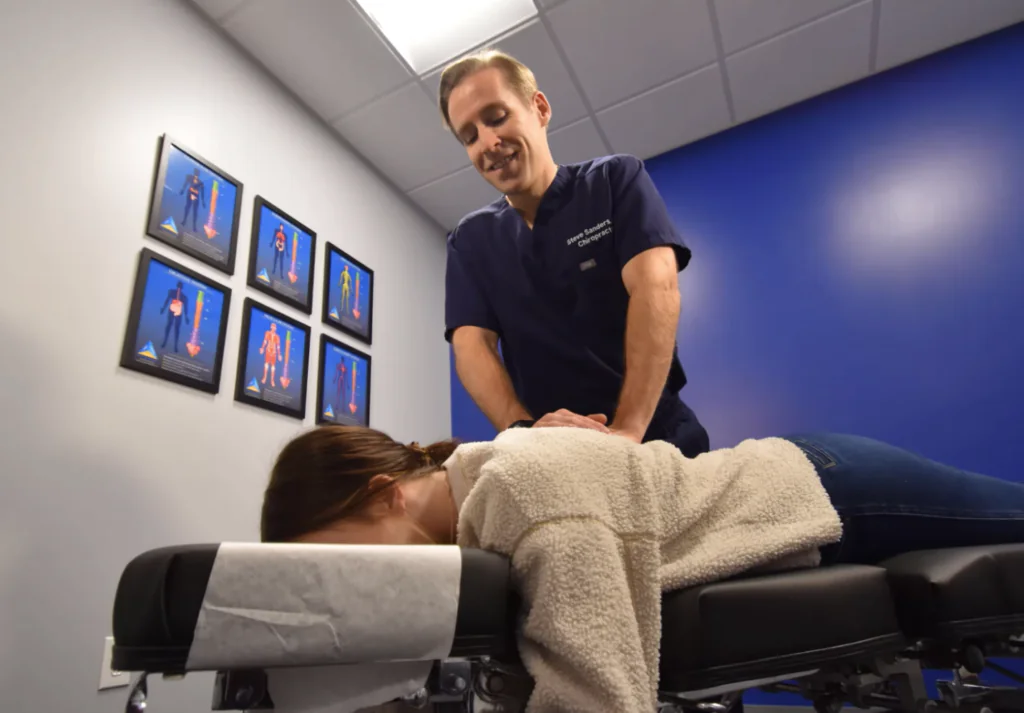
Another effective option is chiropractic care. Chiropractors focus on aligning your spine and improving your body's function. By addressing any misalignments, they can alleviate pain and improve your range of motion, helping you return to your sport more quickly.
Massage therapy is also an excellent choice for treating sports injuries. It not only relaxes tense muscles but also increases circulation and reduces inflammation. Regular massages can keep your muscles flexible and aid in recovery after intense training sessions.
Physical therapy is another alternative that you might consider. A physical therapist can design a customized exercise program to strengthen your injured area and enhance your overall physical condition. They'll help you regain function and prevent future injuries through targeted rehabilitation exercises.
Lastly, consider mindfulness practices like yoga or meditation. These can improve your mental resilience, helping you cope with the psychological aspects of injury recovery.
Prevention Strategies
To keep injuries at bay, you need to focus on effective prevention strategies.
This includes incorporating warm-up exercises, using proper equipment, and committing to strengthening and conditioning routines.
Warm-Up Exercises Importance
A solid warm-up routine can considerably reduce your risk of sports injuries. By taking the time to properly warm up, you prepare your body for the physical demands of your sport. This means increased blood flow to your muscles, which enhances flexibility and range of motion. You'll find it easier to move, and your performance improves as a result.
Incorporating dynamic stretches, such as leg swings or arm circles, activates your muscles and joints in a way that static stretches can't. They help improve your coordination and balance, vital elements for preventing injuries. Make sure to include sport-specific movements to tailor your warm-up to the activities you'll be doing.
Additionally, warming up mentally prepares you for competition or practice. It helps you focus and sets the tone for your performance. You're less likely to rush into activities without thinking, which can lead to injuries.
Proper Equipment Usage
Using the right equipment is vital for preventing sports injuries and guaranteeing ideal performance. When you select the appropriate gear for your sport, you greatly reduce your risk of injury.
Start by choosing footwear that provides the necessary support and traction for your activity. For instance, running shoes should cushion your feet while offering stability, whereas soccer cleats need to grip the field effectively.
Don't overlook protective gear like helmets, pads, and mouthguards, which can absorb impact and shield you from potential injuries. Confirm that your equipment fits properly; ill-fitting gear can lead to discomfort and increase the likelihood of accidents.
Regularly inspect your gear for signs of wear and tear, and replace anything that's damaged. Additionally, familiarize yourself with your equipment's features and limitations. Understanding how to use your gear correctly can enhance your performance and safety.
Always follow manufacturer guidelines and recommendations for maintenance. By prioritizing proper equipment usage, you not only enhance your performance but also create a safer environment for yourself and those around you.
Strengthening and Conditioning
Proper equipment usage lays the groundwork for injury prevention, but strengthening and conditioning are key to enhancing your body's resilience. By incorporating a well-rounded training program, you can build muscle strength, improve flexibility, and boost endurance, all of which help prevent injuries.
Start by focusing on the major muscle groups used in your sport. This will guarantee that your body is balanced and capable of handling the physical demands you place on it. Incorporate exercises such as squats, lunges, and push-ups to build strength.
Don't forget about your core; a strong core stabilizes your body and reduces the risk of injuries.
Additionally, flexibility plays a vital role in injury prevention. Stretching before and after workouts can improve your range of motion and decrease muscle tightness. Consider adding yoga or dynamic stretching routines to your regimen.
Lastly, conditioning is essential. Engaging in sport-specific drills and aerobic exercises can enhance your stamina and agility, making you less prone to fatigue-related injuries.
Conclusion
To sum up, addressing sports injuries requires a well-rounded approach that includes rest, physical therapy, and pain management. By understanding your injury and utilizing a combination of treatments, you can effectively promote healing and restore your strength. Don't forget to explore advanced options if needed and consider alternative therapies for added support. Most importantly, focus on prevention strategies to keep yourself in the game and minimize the risk of future injuries. Your active participation in recovery is key!