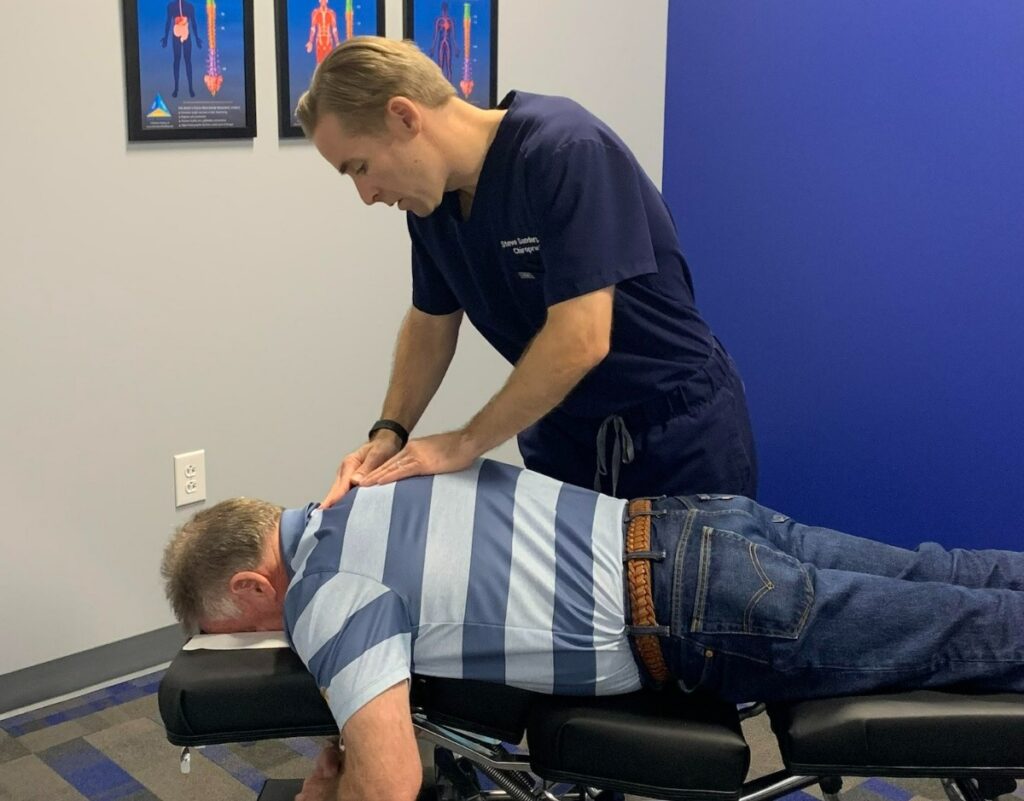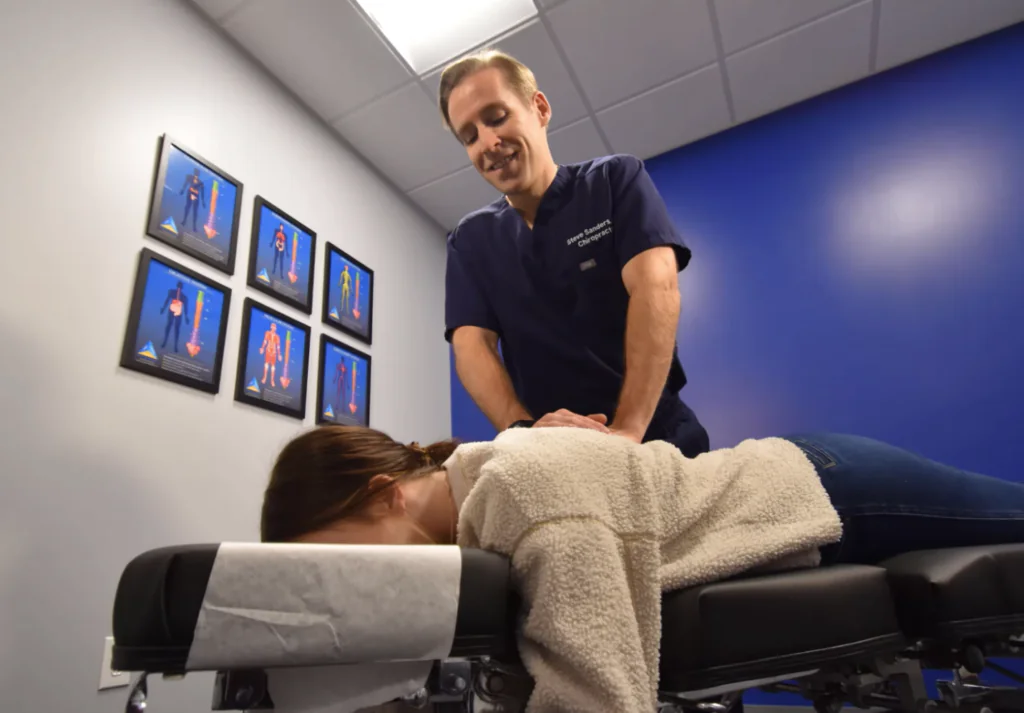
As a local chiropractor, I want to emphasize the importance of approaching recovery from a neck injury with both care and patience. Gentle techniques are crucial in your healing journey, focusing on gradual movement and relaxation. Simple exercises and mindfulness practices can significantly alleviate your discomfort while also enhancing your overall well-being.
It's important to recognize that recovery involves more than just stretching and relaxation. Incorporating a variety of strategies tailored to your specific needs can truly make a difference in your healing process. As we explore these options together, we can consider a combination of chiropractic adjustments, soft tissue therapies, and personalized exercise regimens to support your recovery.
Let's work together to discover additional methods that can aid in your healing, ensuring that you feel supported every step of the way. Remember, your journey to recovery is unique, and I'm here to help guide you through it.
Understanding Neck Injuries
As a local chiropractor, I want to help you understand neck injuries and the importance of addressing them for your overall health. Neck injuries can be quite complex and can range from minor strains to more serious conditions like whiplash or herniated discs. It's crucial to recognize that understanding these injuries is key to your recovery.
A minor neck strain may cause discomfort and stiffness, but often, with proper rest and gentle stretching, you can manage it effectively. On the other hand, more severe conditions, such as whiplash, can lead to significant pain, headaches, and a limited range of motion. These situations typically require more comprehensive treatment, which is where chiropractic care can make a difference.
Neck injuries can arise from various activities—whether it's a car accident, playing sports, or even maintaining poor posture during your daily tasks. When your neck experiences trauma, the muscles, ligaments, and nerves can all be affected. For instance, a herniated disc occurs when the soft tissue between the vertebrae bulges out and puts pressure on nearby nerves, potentially causing pain, numbness, or weakness in your arms or hands.
It's essential to recognize the signs of a neck injury early on. You may experience persistent pain, stiffness, or difficulty moving your head. If you notice any of these symptoms, I encourage you to consult with a healthcare professional, such as myself.
I can help determine the nature of your injury and discuss natural treatment options that may include chiropractic adjustments, physical therapy, and lifestyle recommendations to support your healing process.
Your health is important, and understanding how to care for your neck can lead to improved well-being and a better quality of life.
Importance of Gentle Recovery
As a local chiropractor, I want to emphasize the critical role of gentle recovery after experiencing a neck injury. It's common for individuals to feel eager to return to their daily routines, mistakenly believing that pushing through discomfort will expedite their healing process. However, this mindset can lead to further injury and extended discomfort.
Gentle recovery is essential for allowing your body to heal properly, significantly reducing the risk of complications. When you prioritize gentle recovery, you're giving your muscles and ligaments the necessary time to repair themselves.
It's crucial to listen to your body—if something doesn't feel right, don't disregard those warning signs. Engaging in overly strenuous activities too soon can overstrain the affected areas, hindering your healing journey. Instead, consider creating a supportive environment that encourages recovery.
Moreover, gentle recovery techniques can help alleviate inflammation and pain. They promote increased blood flow to the injured area, which is vital for healing. You'll find that gentle movements can help maintain your neck's mobility without imposing excessive stress.
This balance is particularly important for achieving long-term recovery. Taking a gentle approach also contributes positively to your mindset. Recognizing the importance of self-care can help ease the stress and anxiety often associated with injuries.
Ultimately, adopting gentle recovery not only facilitates physical healing but also nurtures your emotional well-being. Remember, healing is a process that takes time, and treating your body with the care it deserves will yield far better results in the long run.
If you have any questions or need guidance on how to incorporate gentle recovery into your routine, don't hesitate to reach out to us for support.
Gentle Stretching Exercises
As a local chiropractor, I want to emphasize the importance of gentle stretching exercises in your recovery journey, especially after experiencing a neck injury.
These exercises aren't only beneficial for improving flexibility and reducing stiffness, but they also promote blood circulation to the affected area, which is crucial for healing.
By incorporating gentle stretches into your daily routine, you can significantly enhance your recovery, making it easier to regain mobility and strength naturally.
Here are four effective gentle stretching exercises that I recommend:
- Neck Tilt: Find a comfortable sitting or standing position. Slowly tilt your head to one side, bringing your ear toward your shoulder. Hold this position for 15 to 30 seconds, allowing the stretch to reach the opposite side of your neck. Remember to switch sides and repeat this exercise.
- Neck Rotation: While seated, maintain a straight back. Gently turn your head to the right, looking over your shoulder. Hold this position for 15 to 30 seconds, then return to the center. Be sure to repeat the same motion on the left side.
- Chin Tuck: Sit up straight and gently tuck your chin toward your chest. This movement will give you a nice stretch along the back of your neck. Hold for 15 to 30 seconds before relaxing. This exercise not only helps in stretching but also in strengthening the neck muscles and improving your posture.
- Shoulder Shrugs: You can perform this exercise while standing or sitting with your arms relaxed at your sides. Raise your shoulders toward your ears, hold for a moment, and then let them drop. Repeat this movement 5 to 10 times to help relieve tension in your shoulders and neck.
Always pay attention to your body and avoid pushing yourself too hard during these stretches.
As you become more comfortable, you can gradually increase the intensity of your stretches.
If you have any concerns or experience pain while performing these exercises, don't hesitate to reach out to me for guidance.
Your recovery is my priority, and together, we can work towards restoring your health and well-being naturally.
Mindfulness and Relaxation Techniques
As a local chiropractor, I want to emphasize the importance of incorporating mindfulness and relaxation techniques into your recovery routine. These practices can significantly enhance your healing process, particularly when it comes to managing stress, which can impede your recovery. By focusing your mind and relaxing your body, you create a nurturing environment for healing.
I suggest starting with mindfulness meditation. Set aside just a few minutes each day to engage in this practice. Find a quiet space, sit comfortably, and close your eyes. Concentrate on your breath, taking slow, deep inhales through your nose and gentle exhales through your mouth. If your thoughts begin to wander, simply guide your attention back to your breath. This straightforward technique can help calm your mind and alleviate tension, especially in areas like your neck and shoulders.
Another effective method I recommend is progressive muscle relaxation. Lie down in a comfortable position and systematically tense and then relax each muscle group in your body, starting from your toes and moving up to your neck and head. This practice not only helps release physical tension but also promotes an overall sense of well-being, which is vital for your recovery.
Additionally, consider integrating gentle yoga or tai chi into your routine. These practices involve slow, mindful movements coupled with deep breathing, which can help reduce stiffness and foster relaxation—both of which are beneficial for your chiropractic care.
Lastly, don't overlook the power of visualization. Imagine yourself in a serene environment or visualize your neck healing. This mental imagery can enhance your mood and reinforce a positive mindset, which is essential for the healing journey.
Heat and Cold Therapy
As your local chiropractor, I want to share the benefits of heat and cold therapy for managing neck injuries. These therapies can play a crucial role in your recovery, and knowing how to use them properly can enhance your healing process.
Heat therapy is an excellent option for relaxing and loosening tight muscles while improving blood circulation in the affected area. It's particularly helpful for chronic pain or muscle stiffness. Here are some effective ways to apply heat:
- Heating pads: Place a heating pad on your neck for 15-20 minutes to help soothe discomfort.
- Warm towels: Soak a towel in hot water, wring it out, and wrap it around your neck for targeted relief.
- Warm baths or showers: Taking a warm bath or shower can help alleviate tension throughout your body.
- Heat patches: Adhesive heat patches are great for long-lasting relief and can be worn throughout the day.
Conversely, cold therapy is essential for reducing inflammation and numbing sharp pain, especially immediately following an injury. It can help control swelling and provide a refreshing effect. Here are some effective methods for applying cold therapy:
- Ice packs: Wrap ice in a cloth and apply it to the affected area for 15-20 minutes to help decrease swelling.
- Cold compresses: Gel packs that can be frozen are convenient and easy to apply to your neck.
- Frozen vegetables: A bag of frozen peas can be molded to fit the contours of your neck, making it an effective cold compress.
- Cold baths: Soaking in a cool bath can significantly help reduce inflammation.
By incorporating these heat and cold therapy methods into your care routine, you can enhance your recovery and support your overall well-being.
If you have any questions about how to use these therapies effectively or how they fit into your chiropractic treatment plan, please don't hesitate to ask!
Massage and Manual Therapy
As a local chiropractor, I want to emphasize the significant role that massage and manual therapy can play in your recovery from neck injuries.
These holistic techniques not only help alleviate pain but also enhance mobility and promote the body's natural healing processes.
It's crucial, however, to prioritize safety and select the appropriate approach tailored to your unique situation.
Benefits of Massage Therapy
As a local chiropractor, I want to share the incredible benefits of massage therapy, especially for those recovering from neck injuries. Therapeutic touch can truly make a difference in your healing journey by alleviating pain and reducing tension.
Here are some key advantages you may experience through massage therapy:
- Pain Reduction: Engaging in regular massage therapy can significantly lower your perception of pain, empowering you to manage discomfort more effectively during your recovery.
- Improved Circulation: Massage enhances blood flow, which means more oxygen and essential nutrients reach your injured areas. This increased circulation is vital for a quicker and more effective recovery process.
- Greater Flexibility: By relieving tightness in your muscles and connective tissues, massage therapy promotes enhanced flexibility and a wider range of motion in your neck, which is crucial for regaining full function.
- Stress Relief: The relaxation that comes from massage therapy can help diminish stress and anxiety levels, which often accompany physical injuries. This holistic approach to healing not only addresses your physical well-being but also nurtures your mental health.
Incorporating massage therapy into your recovery plan can provide you with a comprehensive pathway to healing.
If you have any questions about how chiropractic care and massage therapy can work together to support your recovery, feel free to reach out!
Techniques for Manual Therapy
As a local chiropractor, I want to share the importance of manual therapy techniques in the recovery process for neck injuries. These hands-on approaches are integral to providing targeted relief and support, helping you on your journey to a healthier, pain-free life.
In our practice, we utilize a variety of techniques designed to alleviate pain, improve your range of motion, and promote healing. For instance, soft tissue mobilization is a method where we apply pressure to specific muscles and connective tissues. This process helps to release built-up tension and enhance blood circulation, which is vital for recovery.
We also employ joint mobilization, where I gently move your neck joints to restore mobility and reduce stiffness. This technique can be incredibly beneficial in regaining normal function and comfort in your neck.
Another effective technique we often use is myofascial release. This approach focuses on the fascia, the connective tissue surrounding your muscles. By applying sustained pressure, we can help release restrictions that may be contributing to your discomfort and limiting your movement.
Incorporating these manual therapy techniques into your recovery plan can significantly accelerate healing and enhance your overall well-being.
It's essential to maintain open communication with me about how you're feeling and any discomfort you might experience during treatment. This collaboration ensures that your therapy is tailored to your individual needs, guiding you toward a more comfortable and pain-free existence.
I encourage you to explore these natural healing techniques with us, as they can make a meaningful difference in your recovery journey.
Safety Considerations for Treatment
As a local chiropractor, I want to emphasize the importance of safety when considering treatments for neck injuries. It's essential to prioritize your well-being, especially when exploring options like chiropractic adjustments or soft tissue therapies. Here are some key safety considerations for you:
- Consult a Professional: Before embarking on any treatment, it's crucial to consult with a healthcare provider—preferably a chiropractor who specializes in neck injuries. They'll assess your specific condition and recommend safe and effective therapies tailored to your needs.
- Communicate Openly: During your chiropractic sessions, don't hesitate to share any discomfort or pain you might experience. Open communication with your chiropractor allows them to adjust their techniques and ensure your comfort throughout the process.
- Avoid High-Pressure Techniques: For those dealing with neck injuries, gentler chiropractic techniques are typically recommended. High-pressure adjustments or aggressive methods can worsen your condition or cause additional strain, so it's best to stick to safer, more gentle approaches.
- Listen to Your Body: Your body is your best guide. Pay close attention to how you feel during and after your chiropractic treatments. If you notice any increase in pain or discomfort, it's important to communicate this to your chiropractor immediately and seek further guidance.
By keeping these considerations in mind, you can approach your neck injury treatment with confidence and ensure a safer, more effective healing process.
Posture Correction Strategies
As your local chiropractor, I want to emphasize the importance of good posture in your recovery from neck injuries. Implementing effective posture correction strategies can truly make a difference in your healing process.
First and foremost, it's essential to be mindful of your posture throughout the day. Whether you're seated at a desk, working on a computer, or simply standing, aim to keep your shoulders relaxed and ensure your ears are aligned with your shoulders. This alignment is vital as it helps distribute your weight evenly, reducing unnecessary strain on your neck.
I also recommend using ergonomic furniture to support proper posture. Investing in a chair that provides good lumbar support is a wise choice. Adjust your desk height so that your elbows remain at a 90-degree angle while typing.
If you spend long hours in front of a computer, position your screen at eye level to avoid slouching or craning your neck.
Incorporating regular breaks into your daily routine is crucial. I suggest setting a timer to remind yourself to stand up, stretch, and walk around every hour. Simple neck stretches can alleviate tension and improve blood circulation, which is beneficial for your recovery.
Additionally, consider practicing exercises that strengthen your neck and upper back. Activities such as chin tucks and shoulder blade squeezes can reinforce good posture. You might also find that yoga or Pilates enhances your awareness of body alignment and promotes flexibility.
Lastly, I encourage you to consider seeking the help of a physical therapist or a chiropractic professional. We can provide personalized guidance and exercises tailored specifically to your needs, ensuring you maintain proper posture as you heal.
Alternative Therapies to Explore
As a local chiropractor, I want to share how exploring alternative therapies can significantly enhance your recovery from neck injuries. These therapies can work hand-in-hand with traditional treatments, providing you with fresh avenues for relief and healing.
Here are four alternative therapies that I encourage you to consider alongside chiropractic care:
- Acupuncture: This time-honored Chinese practice involves the insertion of thin needles into specific points on your body. Acupuncture can effectively reduce pain and inflammation, promoting healing by increasing blood flow to the affected areas. Many of my patients have found it to be a beneficial complement to their chiropractic adjustments.
- Massage Therapy: Gentle massage is another great way to relieve muscle tension and improve circulation in your neck. I recommend seeking out a massage therapist who's experienced in treating neck injuries, as they can customize their techniques to address your specific needs, further enhancing the effects of your chiropractic care.
- Chiropractic Care: Of course, this is where I come in! Chiropractic care focuses on spinal alignment and restoring proper function to your neck and spine. Through gentle adjustments and other manual therapies, I aim to alleviate your discomfort and improve your range of motion, setting a solid foundation for your overall recovery.
- Yoga and Stretching: Incorporating gentle yoga poses and stretching routines can significantly enhance flexibility and strengthen the muscles that support your neck. If you're interested in this, I recommend finding a qualified instructor who understands neck injuries to ensure you practice safely and effectively.
Before embarking on any alternative therapy, it's essential to consult with your healthcare provider. They can help you determine which therapies align best with your recovery plan and individual condition.
Embracing these alternative therapies, alongside chiropractic care, can offer you meaningful benefits on your journey to recovery. Your health and well-being are my top priorities, and I'm here to support you every step of the way!
Creating a Recovery Routine
As a local chiropractor, I want to share how establishing a recovery routine can significantly enhance your healing journey from a neck injury. Creating a structured plan allows you to manage your symptoms effectively and ensure consistent progress. I recommend setting specific goals for each week, such as improving your range of motion, decreasing pain levels, or building strength in your neck and surrounding muscles.
Incorporating gentle stretching and strengthening exercises into your routine is crucial. Focus on movements that promote flexibility without putting undue strain on your neck. It may be beneficial to consult with a chiropractor like myself for personalized exercises tailored to your specific injury and needs.
Equally important is prioritizing rest and recovery. Make sure to schedule time for relaxation to allow your body the opportunity to heal. I also encourage integrating mindfulness practices, such as deep breathing or meditation, which can help reduce stress and tension.
Don't overlook the significance of hydration and nutrition in your recovery. Drinking plenty of water and following a balanced diet rich in anti-inflammatory foods can support your healing process. Keeping a journal to track your progress—documenting changes in pain levels or mobility—can be an excellent way to stay motivated and recognize improvements over time.
Finally, it's essential to listen to your body. If you notice increased discomfort during certain activities, be sure to adjust your routine accordingly. Recovery isn't always a straight path, and patience is key.
Conclusion
As a local chiropractor, I want to emphasize the importance of incorporating gentle techniques into your neck injury recovery. By focusing on gradual movement, mindfulness, and proper self-care, you can significantly support your body's natural healing process. It's essential to listen to your body; prioritize rest and ensure you stay hydrated throughout your recovery journey.
With patience and consistency, you can enhance your recovery and regain flexibility. Don't be afraid to explore various therapies that resonate with you. Chiropractic care, along with other natural healing methods, can play a vital role in your recovery. Together, we can create a routine tailored to your needs that fosters your overall well-being and helps you get back to feeling your best.