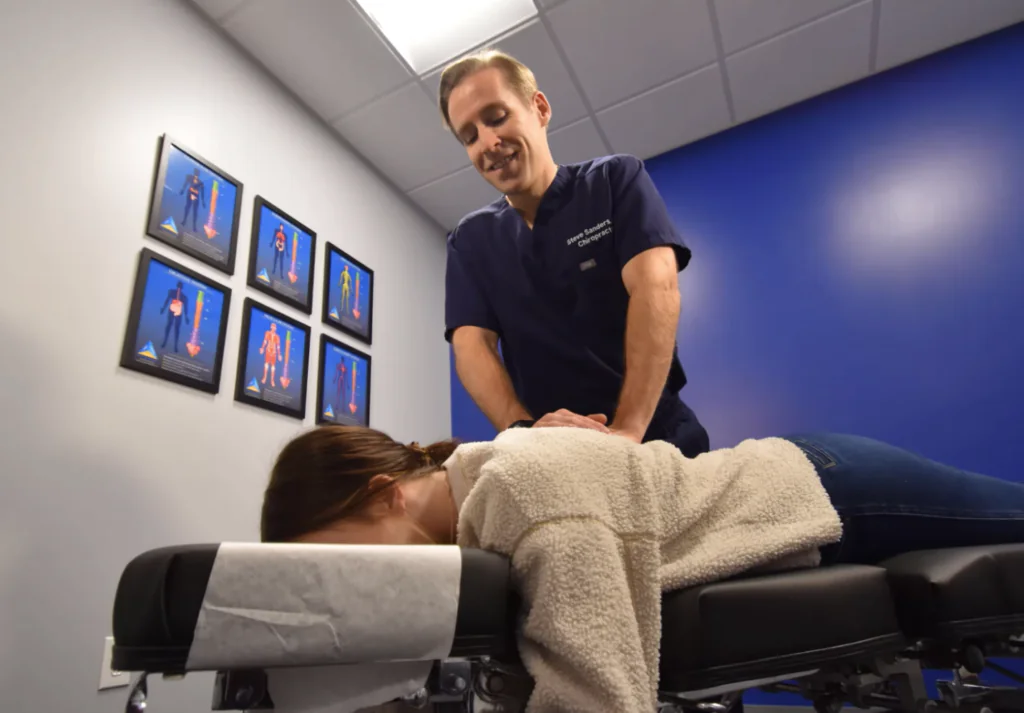
When considering the role of chiropractic care in supporting children with ADHD, it's vital to understand how natural healing methods can complement traditional approaches. Early intervention and individualized treatment plans are key components in this holistic support system. Chiropractors work closely with families to ensure that each child's unique needs are addressed through a variety of techniques, including spinal adjustments and lifestyle modifications. This proactive approach not only promotes a child's overall well-being but also provides parents with effective tools to navigate daily challenges. You might be asking yourself: what specific chiropractic strategies can have the most positive impact on a child's development?
Importance of Early Diagnosis
Understanding the importance of early diagnosis in conditions like ADHD is crucial for your child's overall development and well-being. As a chiropractor, I see firsthand how early intervention can significantly impact a child's health. Identifying ADHD early allows us to address the challenges it presents before they become more entrenched, promoting a holistic approach to your child's growth.
When ADHD is recognized sooner, we can work together to enhance your child's ability to focus and manage impulsivity, leading to better interactions with peers and improved academic performance. Signs such as difficulty paying attention, excessive talking, or trouble following instructions can be indicators that your child might benefit from a comprehensive care plan, which includes chiropractic adjustments aimed at supporting their nervous system and overall health.
Seeking guidance from healthcare professionals, including chiropractors, can help you better understand your child's unique needs. We can collaborate to create effective interventions that not only address weaknesses but also promote their inherent strengths. Early chiropractic care can support your child's physical and mental well-being, reinforcing their ability to thrive in various environments.
Additionally, an early diagnosis can connect you with valuable resources and support networks. You'll meet other parents and professionals who share your experiences, exchanging strategies that can make a difference in your child's life. Early intervention through chiropractic care can also help prevent potential academic struggles and emotional difficulties that often arise when ADHD goes undiagnosed or untreated.
In school, teachers who are aware of your child's needs can implement accommodations that foster a supportive learning environment. Early diagnosis paves the way for better communication between you, your child, and educators, ensuring everyone is on the same page.
Personalized Treatment Plans
Creating personalized treatment plans is essential for effectively managing ADHD in children, and as a local chiropractor, I want to highlight the role of holistic care in this process. Every child is unique, and their experiences with ADHD can differ significantly. By collaborating with healthcare professionals, including chiropractors, we can assess your child's specific needs, strengths, and challenges to ensure that their treatment aligns with their individual circumstances.
To develop a personalized plan, we begin by discussing your child's symptoms, behaviors, and any co-existing conditions. This conversation is crucial as it helps us identify which natural healing strategies might be most effective. While chiropractic care may not directly treat ADHD, it can support overall health and wellness, which may positively influence behavior and focus.
We might consider lifestyle modifications, dietary recommendations, and stress reduction techniques as part of a comprehensive approach to care.
Monitoring your child's progress is a fundamental part of the chiropractic process. Regular follow-ups allow us to evaluate how well the treatment is working and make necessary adjustments to improve outcomes. It's important to remain flexible and open to changes as your child grows and their needs evolve.
Additionally, involving your child in the process can empower them. Encourage them to share their feelings about their treatment and any challenges they encounter. This collaboration fosters a sense of ownership over their health and well-being.
Ultimately, a personalized treatment plan that incorporates chiropractic care not only helps manage ADHD symptoms but also supports your child's overall development. This holistic approach is a vital step on their journey toward success and well-being.
Behavioral Therapy Approaches
As a local chiropractor, I want to share how holistic approaches, including behavioral therapy strategies, can significantly benefit children with ADHD.
While my focus is on chiropractic care and natural healing, I encourage you to consider complementary methods like cognitive behavioral therapy, parent training programs, and social skills development.
These strategies can work hand-in-hand with chiropractic adjustments to support your child's overall growth and well-being.
Each approach offers distinct advantages that can help your child excel in various aspects of their life, fostering a more balanced and healthy development.
Embracing a multi-faceted approach can lead to better outcomes for your child.
Cognitive Behavioral Therapy
As a local chiropractor, I want to take a moment to share how chiropractic care can be an effective approach to managing ADHD in children, providing them with essential skills to cope with their symptoms in a natural and holistic way.
When you bring your child in for chiropractic adjustments, we focus on aligning the spine and improving overall nervous system function, which can have a positive impact on their ability to manage ADHD symptoms.
During our sessions, we work together to identify physical stressors that may be contributing to your child's challenges. By addressing these issues, your child can learn to recognize and change negative behaviors that can exacerbate their symptoms. This structured approach helps them identify triggers and develop natural coping strategies.
In addition to spinal adjustments, we incorporate lifestyle recommendations that promote overall well-being, such as proper nutrition, exercise, and mindfulness techniques. These practices empower your child to tackle challenges in school and social situations with greater confidence.
As they become more aware of their physical and emotional states, they can better manage impulsivity and improve their focus.
In our chiropractic practice, we also emphasize the importance of setting specific, achievable wellness goals. Your child can learn to break down tasks into manageable steps, making overwhelming situations feel more attainable.
Plus, the techniques and insights gained during our sessions can be easily practiced at home, reinforcing positive behaviors and helping to establish a consistent routine that supports their growth.
Parent Training Programs
As a local chiropractor, I want to highlight the importance of supportive programs for parents managing children with ADHD, which can complement chiropractic care and promote overall well-being.
These programs provide parents with practical strategies to create a nurturing environment that fosters their children's development. By establishing consistent routines and effective discipline techniques, you can help your child find stability, which is crucial for their focus and impulse control.
One of the key components of these supportive programs is enhancing communication skills. You'll learn how to engage with your child in a way that promotes cooperation and understanding, reducing frustration for both of you.
This improved communication can lead to a more harmonious household and better emotional health, which is essential for your child's overall well-being.
Additionally, these programs often equip parents with tools for tracking their child's progress and adjusting strategies as needed. Staying actively involved in your child's development is vital, and these resources can help you feel more empowered in your parenting journey.
Joining group sessions can also be incredibly beneficial. Sharing experiences with other parents who face similar challenges creates a support system that fosters encouragement and provides fresh perspectives.
Ultimately, by participating in these programs, you gain the knowledge and confidence to cultivate a positive environment at home, which can significantly enhance your child's ability to manage ADHD symptoms, while also strengthening your relationship with them.
As a chiropractor, I believe that combining these supportive parenting strategies with chiropractic care can lead to a holistic approach to health and well-being for your child.
Together, we can work towards a brighter future for you and your family.
Social Skills Development
Developing social skills is crucial for children with ADHD, as it can greatly influence their ability to interact and form meaningful relationships. While chiropractic care primarily focuses on physical health, it's important to understand that overall well-being, including mental and social aspects, plays a significant role in a child's development.
Engaging in behavioral therapy specifically designed for social skills can complement the physical benefits of chiropractic adjustments. These therapies often incorporate role-playing exercises, allowing children to practice important social interactions such as greetings, turn-taking, and peer responses in various situations.
In these therapeutic sessions, professionals guide children through real-life scenarios, offering valuable feedback and support. As a chiropractor, I encourage parents to reinforce these social skills at home by creating opportunities for social interaction, such as playdates or group activities.
It's essential to encourage children to express their feelings and actively listen to others, which can enhance their understanding of social cues. Additionally, utilizing visual aids or social stories can further improve a child's comprehension of appropriate behaviors in different environments.
Just like with chiropractic care, consistency is key in practicing these skills—children will gradually gain confidence in their social interactions. Remember, progress may take time, and your patience and support are vital in helping your child develop the necessary social skills for successful relationships.
If you're seeking further guidance, don't hesitate to consult with professionals who specialize in ADHD to explore the best strategies tailored to your child's unique needs.
Medication Management
As a local chiropractor, I want to help you understand how chiropractic care can contribute to managing ADHD in children. While medication is often considered for improving focus and reducing impulsivity, it's essential to recognize that chiropractic adjustments can be a valuable tool in supporting your child's overall well-being.
Chiropractic care isn't a cure but rather a holistic approach that may enhance your child's ability to function better in daily life.
When addressing ADHD, it's important to consider the various ways chiropractic care can complement traditional treatments. Here are some key points to reflect on during this journey:
- Start with a comprehensive evaluation: A thorough assessment of your child's spine and nervous system can help determine if chiropractic care is a suitable option for them.
- Be patient and open-minded: Just like finding the right medication may take time, discovering the benefits of chiropractic adjustments can also require patience.
- Monitor changes: Pay attention to any improvements in your child's behavior and communicate these observations with your chiropractor. Adjustments may be necessary as your child grows and their needs change.
- Combine with other natural strategies: Chiropractic care can work hand-in-hand with behavioral therapies and lifestyle changes for a more holistic approach to managing ADHD.
Your involvement in the process is crucial. Maintaining open communication with your chiropractor and your child's healthcare team ensures that your child receives the best possible care tailored to their individual needs.
Together, we can create a supportive environment that promotes your child's health and development naturally.
Collaboration With Families
As a local chiropractor, I believe that working closely with families is crucial in helping you understand the unique challenges and needs that may affect your health and wellness.
Open dialogue is key, as it allows us to discuss any concerns and set shared goals for your care. By collaborating together, you become an active participant in your journey towards better health.
This partnership not only strengthens our relationship but also enhances the effectiveness of your treatment plan, leading to more positive outcomes in your overall well-being.
Let's work together to explore the natural healing benefits of chiropractic care!
Engaging in Open Dialogue
Open dialogue is crucial for effectively educating patients who may not be familiar with chiropractic care and the benefits of natural healing. By engaging openly with individuals and families, you create a welcoming environment that fosters understanding and trust. This communication not only addresses immediate questions but also builds lasting relationships.
Here are some key points to consider during these conversations:
- Listen Actively: Show genuine interest in your patients' experiences and concerns regarding their health and well-being.
- Encourage Questions: Create a safe space for patients to inquire about chiropractic methods, treatment options, or wellness strategies they can implement in their daily lives.
- Share Information: Provide reliable resources and explain chiropractic care in straightforward terms to help patients grasp how it can support their health goals.
- Be Empathetic: Acknowledge the challenges patients may face in their health journeys and validate their feelings, promoting a sense of partnership in their care.
Shared Goal Setting
Shared goal setting is essential for establishing a collaborative relationship with families seeking chiropractic care for their children, particularly those diagnosed with ADHD. When you involve parents in the goal-setting process, it creates a nurturing environment that supports your child's overall development and well-being.
Begin by discussing specific, measurable goals that reflect your child's unique challenges and strengths. By tailoring chiropractic interventions to meet these needs, we can enhance their physical and emotional health. It's crucial to ensure that everyone is aligned in this process.
Regular check-ins with families allow us to review progress and make necessary adjustments to the goals. This ongoing communication fosters motivation and encourages accountability at home.
Engaging parents in this process not only builds a partnership but also empowers them to be advocates for their child's health. Celebrate small victories together, acknowledging the progress made, while also recognizing that setbacks can occur. By focusing on shared goals, we develop a comprehensive strategy that promotes your child's well-being through natural healing.
Ultimately, this collaborative approach strengthens the relationship between families and chiropractic care providers, ensuring that children with ADHD receive the holistic support they need to thrive. Your involvement is key to making chiropractic care a successful part of your child's wellness journey.
Continuous Monitoring and Support
Continuous monitoring and support are key components in promoting overall wellness, especially for children with ADHD. As a chiropractor, I believe that a holistic approach to health is essential, and understanding how various factors impact your child's well-being is crucial. ADHD symptoms can vary, which is why maintaining a close relationship with healthcare providers, including chiropractors, is beneficial for monitoring your child's progress.
Here are some essential elements of effective continuous monitoring and support from a chiropractic perspective:
- Regular Adjustments: Schedule consistent visits to ensure your child's spine and nervous system are functioning optimally. Regular adjustments can help improve overall health and may alleviate some ADHD symptoms by enhancing communication within the nervous system.
- Holistic Tracking: Keep a journal or use apps to document your child's behaviors, dietary habits, and physical activity. This can reveal patterns that may affect their health and well-being, allowing us to make informed recommendations.
- School and Home Collaboration: Work closely with teachers and caregivers to monitor your child's performance in both settings. Open communication allows us to adjust our approach based on how your child is responding in different environments.
- Family Wellness Discussions: Encourage discussions about health and wellness as a family. Understanding the role of natural healing and chiropractic care can foster a supportive atmosphere, helping your child feel empowered and understood.
Conclusion
As a local chiropractor, I want to emphasize the vital role that holistic care can play in supporting children with ADHD. Early intervention is crucial, and through chiropractic care, we can help enhance your child's overall well-being. By focusing on natural healing methods, we create personalized treatment plans that cater to your child's unique needs.
In addition to spinal adjustments, which can positively impact nervous system function, I encourage incorporating lifestyle changes and mindfulness practices to foster emotional balance. Collaborating with parents and healthcare professionals ensures a comprehensive approach to your child's care.
It's also important to monitor your child's progress regularly, as this helps in adjusting treatments to maximize benefits. Together, we can create a supportive environment that empowers your child to develop essential social skills and reach their highest potential. Embracing natural healing through chiropractic care can make a significant difference in your child's life.