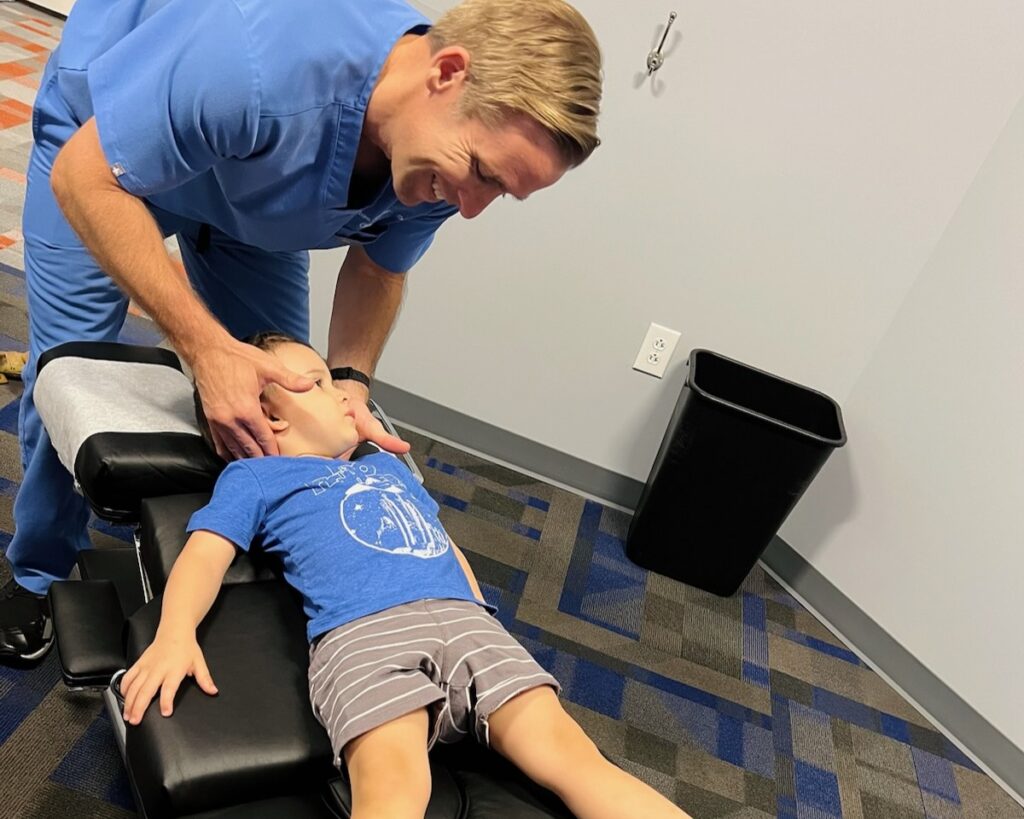
As a local chiropractor, I want to share some insights on managing ADHD symptoms in children through natural healing approaches. While many parents often consider medication as the primary solution, it's important to explore a holistic approach that includes chiropractic care. By focusing on the alignment of the spine and nervous system, we can help improve your child's overall well-being and focus.
Incorporating chiropractic adjustments can support better communication between the brain and the body, which may lead to enhanced concentration and reduced hyperactivity. Additionally, fostering a supportive home environment, along with establishing structured routines, can further aid in managing symptoms.
Working closely with educators and integrating chiropractic care into your child's routine can create a comprehensive plan for improved outcomes. There are many non-invasive options available that you may not have yet considered. What if exploring chiropractic care could provide new avenues of support for your child? Let's discuss how a natural approach can complement your existing strategies for managing ADHD.
Understanding ADHD in Children
As a local chiropractor, it's essential to understand how conditions like ADHD, or Attention-Deficit/Hyperactivity Disorder, can impact a child's overall health and well-being. ADHD affects a child's ability to focus, control impulses, and regulate their energy levels. You may notice that some children struggle to sit still, often fidget, or have difficulty completing tasks.
While these behaviors can be challenging for both children and their caregivers, recognizing them as symptoms of ADHD can help us find holistic approaches to support these children.
Children with ADHD often face difficulties in organizing their tasks and managing their time. You might observe that they frequently forget to do homework or misplace their belongings. It's crucial to remember that these behaviors are linked to their condition, rather than a lack of effort or concern.
By understanding ADHD, we can explore natural healing methods, including chiropractic care, to help address some of these challenges.
Chiropractic care can play a significant role in supporting children with ADHD. Research suggests that spinal health influences neurological function, and adjustments may help improve focus and emotional regulation.
Encouraging open communication with your child about their feelings and experiences can further foster a supportive environment. As a chiropractor, I encourage parents to collaborate with teachers and caregivers to create a consistent approach that reinforces positive behaviors at home and school.
Additionally, understanding the emotional aspects of ADHD is vital. Many children experience frustration, low self-esteem, and anxiety due to their challenges.
As a chiropractor, I advocate for an empathetic and patient approach, which can greatly improve a child's quality of life. By recognizing and understanding ADHD, you empower yourself to explore natural healing options that can help your child thrive.
Importance of Early Diagnosis
As a local chiropractor, I want to emphasize the importance of early diagnosis when it comes to conditions like ADHD. Identifying symptoms early on can significantly impact your child's well-being.
When we recognize and address these challenges from the beginning, we can help pave the way for better academic performance and emotional health.
Chiropractic care and natural healing approaches can support your child's overall development, enabling them to thrive not only in school but also in their personal lives.
Identifying Symptoms Early
As a local chiropractor, I want to emphasize the importance of recognizing the signs of ADHD in children and how early identification can truly make a difference in their development and well-being.
Just as we assess physical symptoms to tailor our chiropractic care, understanding behavioral signs is crucial for addressing your child's unique needs.
Look for symptoms like impulsivity, inattention, and hyperactivity. If your child frequently struggles to focus or follow instructions, these may be early indicators that could benefit from a holistic approach.
Pay attention to their behavior in different environments, whether at home, school, or during playdates. Consistent patterns across these settings can provide valuable insights.
Additionally, emotional responses are important; children with ADHD may experience heightened frustration or overwhelm, which can also affect their physical health.
Don't hesitate to engage with teachers or caregivers for their observations. They can offer a broader perspective on your child's behavior in social and academic situations.
If you suspect ADHD, consulting a healthcare professional is a crucial next step. Here at our practice, we believe in a collaborative approach. We can work with you to identify specific challenges and explore natural healing methods that support your child's growth.
By being proactive and identifying symptoms early, you can implement effective strategies and support systems that enhance your child's quality of life.
Early intervention, including chiropractic care, can help pave the way for a healthier, brighter future. Let's work together to create an environment that nurtures their strengths and well-being.
Long-Term Academic Success
A solid foundation in health is essential for children with ADHD, and early intervention plays a significant role in achieving long-term academic success. As a chiropractor, I often see the benefits of identifying and addressing ADHD symptoms early. By doing so, we can implement natural healing strategies tailored to your child's unique needs. This proactive approach not only helps manage symptoms but also enhances your child's confidence and engagement in their educational journey.
Through chiropractic care, your child can receive support that complements their academic needs. Adjustments can help improve focus and reduce stress, addressing specific challenges they might face in school.
Additionally, early intervention allows you to build positive relationships with teachers and school staff, ensuring everyone is aligned in supporting your child's overall well-being.
As your child progresses through their education, the skills and coping mechanisms they develop with chiropractic support can serve as valuable tools for overcoming future academic challenges. The sooner you take action, the more likely your child is to experience ongoing success in school, minimizing the risk of falling behind.
Emotional Well-Being Benefits
Recognizing ADHD symptoms early can significantly enhance a child's emotional well-being, and as a local chiropractor, I want to highlight how our holistic approach can support this process. When ADHD is identified promptly, it allows for the implementation of tailored strategies that cater to your child's unique needs, creating a nurturing environment for their growth.
In chiropractic care, we understand that the body and mind are interconnected. By addressing physical health through spinal adjustments and natural healing practices, we can help improve a child's overall emotional state. When children receive the care they need, they can better comprehend their feelings and behaviors, leading to a reduction in frustration and confusion.
With our support, children with ADHD often experience a boost in self-esteem. They learn to navigate their challenges more effectively, which can lead to healthier interactions with peers and adults. This emotional development is crucial, as it can significantly lower the risk of anxiety and depression, which are often prevalent in children who've untreated ADHD.
Moreover, our chiropractic care promotes better coping mechanisms, equipping your child with effective tools to manage stress and emotional dysregulation. When children feel understood and supported, they're more inclined to express their emotions in constructive ways, which can significantly strengthen their relationships and enhance their overall happiness.
Additionally, early intervention through chiropractic care can improve communication skills, helping your child articulate their needs and feelings more clearly. By prioritizing their emotional well-being through natural healing methods, you're laying the groundwork for lifelong resilience, enabling them to face future challenges with confidence and ease.
Professional Treatment Options
When it comes to supporting children with ADHD, it's crucial to consider various holistic treatment options that can truly enhance their well-being.
As a chiropractor, I believe in the power of natural healing techniques, which include spinal adjustments that may help improve nervous system function and overall behavior.
Additionally, incorporating lifestyle changes, such as nutrition and exercise, can significantly impact your child's ability to focus and thrive.
#
Behavioral Therapy Techniques
As a local chiropractor, I want to share how various behavioral therapy techniques can complement chiropractic care, particularly in managing ADHD symptoms in children.
One effective method is Positive Reinforcement. This approach involves rewarding children for displaying positive behaviors, which encourages them to repeat these actions. For example, creating a reward chart can help track and celebrate their achievements, no matter how small, fostering a sense of accomplishment.
Cognitive Behavioral Therapy (CBT) is another valuable technique that can help children identify and modify negative thought patterns. By guiding them to challenge unhelpful thoughts, we empower them to develop healthier coping mechanisms that can enhance their overall well-being.
Additionally, Parent Training is crucial. By learning effective discipline strategies and communication techniques, parents can improve their parenting skills while strengthening their bond with their child. This supportive environment is vital for holistic growth.
Lastly, Social Skills Training can play a significant role in helping children interact effectively with their peers. Through role-playing different social scenarios, children can practice and build their confidence in social interactions.
By integrating these behavioral techniques with chiropractic care, we can create a comprehensive, supportive environment that nurtures your child's growth and development while effectively managing their ADHD symptoms.
Medication Management Approaches
Effective management of health challenges in children, including those with ADHD, is crucial for improving their focus, impulse control, and overall well-being. As a chiropractor, I believe in a holistic approach to health and wellness. If you're considering options for your child, it's important to collaborate with healthcare providers who are knowledgeable in various treatment modalities, including chiropractic care.
While stimulant medications like methylphenidate and amphetamines are commonly prescribed, many parents are looking for more natural solutions. Chiropractic care focuses on the body's alignment and nervous system function, which can have a positive impact on a child's ability to concentrate and regulate their behavior.
By enhancing spinal health, we may help improve communication between the brain and body, potentially supporting better attention and reducing hyperactivity.
For those concerned about the side effects of traditional medications, exploring non-invasive options like chiropractic adjustments may be beneficial. These adjustments can help alleviate physical stressors that might be contributing to behavioral challenges.
Regular visits to a chiropractor can be a vital part of your child's health journey. These appointments allow for ongoing assessment and adjustments to support your child's changing needs as they grow.
Open communication with your child about their experiences and feelings regarding their health can provide valuable insights for their care.
If you're interested in learning more about how chiropractic care can complement your child's health management, I'd be happy to discuss this further.
Educational Support Strategies
As a local chiropractor, I want to share the importance of holistic approaches to your child's well-being, including how educational support strategies can significantly enhance their learning experience.
Just as we tailor chiropractic care to address individual health needs, customizing educational strategies to fit your child's unique learning style can be pivotal for their academic success.
One effective strategy is the implementation of an Individualized Education Plan (IEP) or a 504 Plan. These plans can provide essential accommodations, such as extended test-taking time, preferential seating, or modified assignments, which can make a world of difference.
It's crucial to collaborate with teachers to ensure they're aware of your child's specific needs and can adjust their teaching methods accordingly.
Encouraging the use of organizational tools, like planners or digital apps, is also beneficial. These resources can empower your child to manage their assignments and deadlines more effectively, promoting a sense of control.
Additionally, breaking larger tasks into smaller, manageable steps can help reduce feelings of overwhelm and enhance focus.
Establishing a consistent daily routine is vital for fostering a sense of security and predictability in your child's life. Knowing what to expect can alleviate anxiety and improve concentration.
Lastly, don't underestimate the power of positive reinforcement. Celebrating small achievements can significantly boost your child's confidence and motivation, creating a healthier mindset that complements their overall wellness journey.
## Behavioral Therapy Techniques
When it comes to managing ADHD in children, I believe that incorporating natural healing methods, such as chiropractic care, can play a beneficial role alongside behavioral therapy techniques.
Chiropractic adjustments can enhance the nervous system's function, potentially helping your child regulate their behavior more effectively. By addressing physical health and well-being, we can support your child in developing coping strategies in a holistic way.
Here are some effective strategies you might consider alongside chiropractic care:
- Positive Reinforcement: Encourage your child by celebrating their achievements and improvements, reinforcing their understanding of positive behaviors.
- Structured Routines: Establishing consistent daily schedules can help create a sense of order and stability, allowing your child to feel more secure and in control.
- Clear Expectations: It's crucial to communicate rules and consequences in a straightforward manner, helping your child understand what behaviors are acceptable.
- Modeling Behavior: As caregivers, showing the behaviors we wish to encourage can be incredibly impactful, as children often learn by observing adults.
- Social Skills Training: Teaching your child appropriate social interactions can boost their confidence and help them build stronger relationships with peers.
Creating a Supportive Home Environment
Creating a supportive home environment is vital for children with ADHD, and as a local chiropractor, I understand the importance of a holistic approach to health and well-being. A well-structured home can significantly enhance a child's ability to thrive.
Start by establishing a space that minimizes distractions. Designate specific areas for homework, play, and relaxation, ensuring these spaces are organized and clutter-free. This organization can help your child focus better and reduce frustration.
Consistency in your interactions is crucial. Clearly communicate expectations and establish simple rules that your child can easily follow. Positive reinforcement plays a significant role in boosting your child's confidence. Celebrate their achievements, no matter how small, as this encourages progress and fosters a sense of stability, making them feel valued.
Incorporating calming techniques can also be beneficial. Consider creating a quiet corner with sensory toys or calming visuals where your child can retreat when feeling overwhelmed. Regular practices like mindfulness or deep-breathing exercises can significantly aid in managing impulsivity and anxiety, contributing to their overall well-being.
While we'll discuss routines in more detail later, it's important to acknowledge that having a predictable daily structure can provide comfort and security for your child. Involve them in creating their environment by encouraging them to share their ideas on how they'd like their space to look and feel. This not only boosts their sense of ownership but also promotes their engagement in the healing process.
Lastly, maintain open communication with other family members about your child's needs. Ensuring that everyone is on board with the strategies you implement creates a cohesive support system, helping your child manage their ADHD symptoms more effectively.
As a chiropractor, I advocate for a holistic approach that includes physical health, emotional support, and a nurturing environment, all of which contribute to a healthier, happier child.
Developing Healthy Routines
Establishing healthy routines is crucial for children with ADHD, and as a local chiropractor, I want to highlight how this can positively impact their overall well-being, including spinal health. A predictable daily schedule not only fosters a sense of stability but also supports their physical development and alignment.
When you create and maintain consistent daily schedules, it helps your child feel secure and know what to expect. This structured environment can significantly enhance their focus and behavior, making daily tasks more manageable—an essential aspect of their holistic health.
To develop healthy routines that benefit both their physical and mental well-being, consider these key elements:
- Morning Rituals: Start the day with a consistent wake-up time. This helps your child transition smoothly into the day, reducing anxiety and promoting better posture throughout daily activities.
- Designated Homework Time: Set aside a specific time each evening for homework in a focused environment. Reducing distractions can improve concentration and posture while they work.
- Regular Meal Times: Establishing fixed meal times can't only enhance your child's appetite and mood but also ensure they receive the nutrition necessary for their active minds and growing bodies.
- Consistent Bedtime Routine: A calming bedtime routine signals to your child that it's time to wind down, which can promote better sleep patterns and spinal health, as quality sleep is vital for recovery and growth.
- Incorporate Physical Activity: Regular exercise is essential for releasing pent-up energy and improving concentration. Incorporating physical activity into their daily routine not only benefits their mental focus but also supports spinal alignment and overall musculoskeletal health.
Involving Teachers and School Support
Collaboration between parents and educators is crucial for supporting children with ADHD, and as a local chiropractor, I want to highlight how a holistic approach can enhance this support. When parents and teachers work together, they can create a consistent environment that fosters positive behaviors and effective learning strategies.
Open communication with your child's teacher is essential. Share insights about your child's strengths, challenges, and any natural coping mechanisms that have worked well. This information can help educators tailor their methods to better align with your child's unique needs.
Involving school support staff can also be advantageous. Many schools have special education coordinators or counselors who can offer additional resources and strategies. Don't hesitate to explore the possibility of developing an Individualized Education Plan (IEP) or a 504 Plan, which can provide accommodations to address your child's specific challenges. These plans might include strategies such as extended time on tests, preferential seating, or scheduled breaks during lessons, all of which can help reduce stress and enhance focus.
Encouraging teachers to implement positive reinforcement techniques can make a significant difference. Simple strategies like a token system for good behavior can motivate your child while keeping them engaged in the classroom. Regular check-ins with the teacher can help monitor your child's progress and facilitate necessary adjustments to their learning plan.
Additionally, fostering a supportive classroom environment is essential. Teachers can help cultivate a positive atmosphere by promoting understanding and acceptance among classmates. When children with ADHD feel supported by their peers and educators, they're more likely to thrive.
As a chiropractor, I also encourage parents to consider integrating chiropractic care into their child's routine. Chiropractic adjustments can help improve focus, reduce stress, and promote overall well-being, complementing the educational support from teachers and school staff. Together, we can create a comprehensive support system that empowers children to reach their full potential.
Encouraging Positive Communication
Positive communication is essential for building strong relationships between patients, healthcare providers, and families when it comes to understanding chiropractic care and natural healing.
By fostering open dialogue, we create an atmosphere where everyone feels respected and informed. This can significantly enhance your overall wellness and ability to manage health concerns effectively.
To encourage positive communication regarding chiropractic care, consider the following strategies:
- Active Listening: Show genuine interest in your health concerns and questions. This builds trust and allows us to collaborate effectively on your wellness journey.
- Use Clear Language: I strive to communicate clearly and simply about treatment options and processes. Clarity helps you feel more informed and secure in your care.
- Celebrate Small Wins: We'll acknowledge and celebrate your progress, no matter how minor it may seem. Each step forward is a victory that contributes to your overall health and well-being.
- Share Concerns Respectfully: If you have any issues or concerns about your treatment, please discuss them with me in a calm and constructive manner. This promotes effective problem-solving and enhances your care experience.
- Encourage Questions: Feel free to ask questions and express your feelings about your treatment. This nurtures your understanding and empowers you in your healing process.
Conclusion
As a local chiropractor, I want to share some insights on managing ADHD symptoms in children through natural healing methods. It's important to adopt a comprehensive approach that not only includes professional treatment but also incorporates chiropractic care, behavioral techniques, and a nurturing home environment.
By promoting effective communication with teachers and instilling healthy daily routines, you can help your child flourish. Early assessment and collaboration with both family members and school staff can greatly enhance your child's emotional health and academic performance.
Chiropractic care can play a vital role in this process by addressing any physical misalignments that may contribute to your child's challenges. Together, we can support your child in navigating their difficulties and help them reach their full potential through a holistic approach to health.