When it comes to managing chronic pain, you might find that preventative care plays an essential role in your overall approach. By being proactive about your health, you can identify potential issues early and tailor your treatment to suit your specific needs. This not only helps reduce complications but can also enhance your mental well-being. However, you may be wondering what specific lifestyle changes and strategies can make a significant difference in your daily life. Let's explore those important steps together.
Understanding Chronic Pain
What really is chronic pain, and how does it differ from acute pain? Chronic pain is a persistent discomfort that lasts longer than three months, often continuing well beyond the initial injury or illness. Unlike acute pain, which is your body's natural response to injury or harm and usually fades as you heal, chronic pain can linger without a clear cause. It might stem from conditions like arthritis, fibromyalgia, or nerve damage, and it often affects your daily life more than you might expect.
When you experience chronic pain, it can become a complex condition that involves both physical and psychological components. You might find that it affects not just your body, but also your mood and overall well-being. It's not just about feeling pain; it can lead to issues like anxiety and depression, creating a cycle that makes managing it more challenging.
You may notice that chronic pain can fluctuate in intensity, making it difficult to plan your day. This unpredictability can cause frustration and limit your ability to engage in activities you enjoy.
Understanding your body's signals is essential, as is recognizing that chronic pain is often a long-term condition that requires ongoing management rather than a quick fix.
Importance of Preventative Care
Preventative care plays an essential role in managing chronic pain and enhancing your overall well-being. By focusing on preventative strategies, you can reduce the impact of pain on your daily life and improve your quality of life. It's about taking proactive steps to address potential issues before they escalate into more significant problems.
Here are four key benefits of prioritizing preventative care:
- Early Detection: Regular check-ups can help identify pain-related issues before they worsen, allowing you to take action sooner.
- Customized Treatment Plans: Engaging with healthcare providers can lead to tailored strategies suited to your specific pain management needs.
- Reduced Healthcare Costs: By preventing complications, you can avoid costly treatments and interventions down the line.
- Improved Mental Health: Taking charge of your health helps reduce anxiety and stress associated with chronic pain, promoting a more positive outlook.
Embracing preventative care means being proactive rather than reactive. You'll likely find that minor adjustments in your routine can lead to significant improvements in your pain management.
Whether it's regular medical check-ups, staying informed, or adhering to treatment protocols, these actions empower you to take control of your health.
Lifestyle Modifications
Making small but meaningful lifestyle modifications can greatly impact your ability to manage chronic pain. One of the most effective changes you can make is to incorporate regular physical activity into your routine. Aim for low-impact exercises, like walking, swimming, or yoga, which can help strengthen your muscles, improve flexibility, and release endorphins—natural pain relievers.
Nutrition also plays a vital role in managing chronic pain. A balanced diet rich in anti-inflammatory foods, such as fruits, vegetables, whole grains, and healthy fats, can help reduce inflammation and alleviate discomfort. Avoid processed foods and excessive sugar, as they can exacerbate your pain.
Additionally, prioritize sleep. Quality rest is essential for your body to heal and manage pain effectively. Establish a consistent sleep schedule and create a calming bedtime routine to enhance your sleep quality. Limiting caffeine and screen time before bed can also help you fall asleep more easily.
Mindfulness practices, like meditation or deep breathing exercises, can help you cope with pain by reducing stress and promoting relaxation. Set aside a few minutes each day to practice mindfulness techniques, which can empower you to manage your pain more effectively.
Lastly, consider staying socially engaged. Connecting with friends, family, or support groups can provide emotional support and help combat feelings of isolation and depression that often accompany chronic pain.
Alternative Therapies
In addition to lifestyle modifications, exploring alternative therapies can offer valuable options for managing chronic pain. These approaches can complement your current treatment plan and provide relief when traditional methods fall short.
Here are four alternative therapies to evaluate:
- Acupuncture: This ancient Chinese practice involves inserting thin needles at specific points in your body. Many people find that acupuncture helps reduce pain and improve overall well-being.
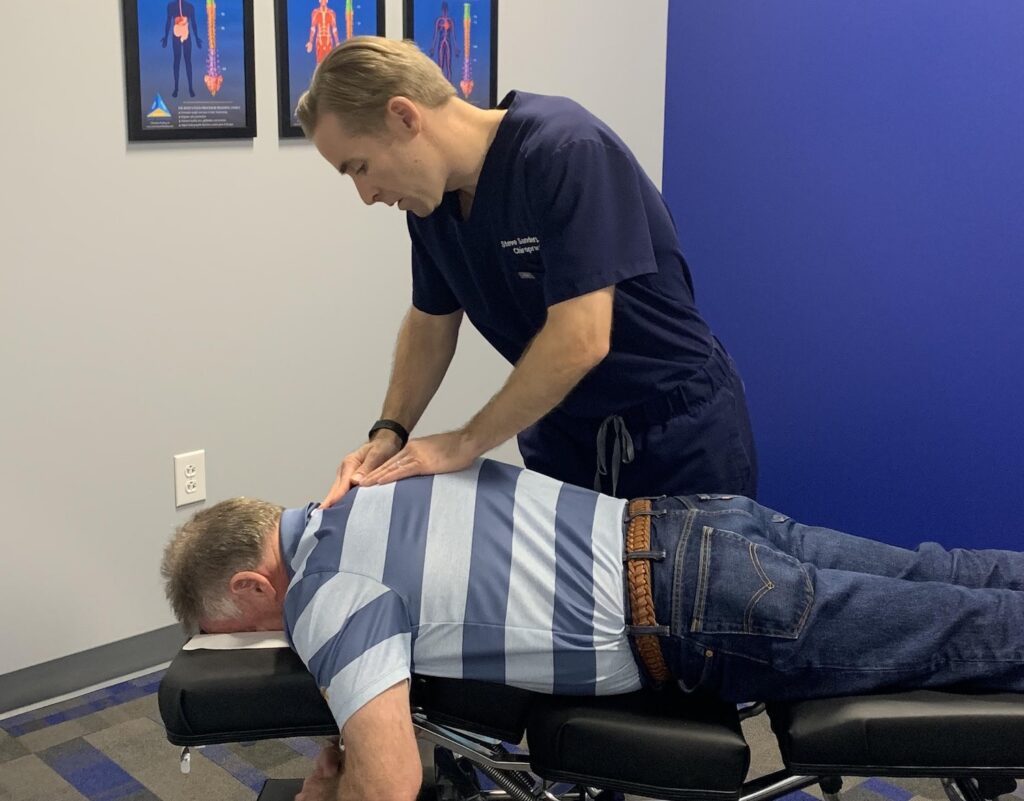
- Chiropractic Care: Chiropractors focus on aligning your spine and improving your body's function. Regular adjustments can alleviate pain and enhance mobility, especially for those with musculoskeletal issues.
- Massage Therapy: Therapeutic massage can relieve muscle tension, boost circulation, and promote relaxation. This hands-on approach not only soothes pain but also helps reduce stress, which can exacerbate chronic pain conditions.
- Mindfulness and Meditation: Practicing mindfulness and meditation can shift your focus away from pain. Techniques like deep breathing and guided imagery help you manage stress and emotional responses to pain, fostering a more positive outlook.
It's essential to discuss these options with your healthcare provider before starting any new therapy. They can help you determine which alternative therapies might be most beneficial for your specific situation.
By incorporating these approaches into your pain management strategy, you may discover a more holistic way to cope with chronic pain.
Building a Support System
A strong support system can greatly improve your ability to manage chronic pain. Surrounding yourself with understanding friends, family, and healthcare professionals can make a significant difference in your daily life. They can provide emotional encouragement, practical help, and even insights into your condition that you mightn't have considered.
Start by identifying those who genuinely care about you and your well-being. Reach out to family members or friends who are willing to listen and support you. It's crucial to communicate your needs clearly, whether you require someone to accompany you to appointments or help you with daily tasks on tough days. Don't hesitate to express how they can best support you.
In addition to personal connections, consider joining support groups, either online or in person. These groups allow you to connect with others who understand your experiences, providing an invaluable sense of community. Sharing stories, tips, and coping strategies can foster a sense of belonging and reduce feelings of isolation.
Moreover, involve your healthcare team in building your support system. A compassionate doctor, physical therapist, or counselor can offer not just medical advice but also emotional support and resources tailored to your situation.
Conclusion
In managing chronic pain, prioritizing preventative care can make a world of difference. By staying proactive with regular check-ups and embracing lifestyle modifications, you can tackle potential issues before they escalate. Explore alternative therapies that resonate with you, and don't underestimate the power of a strong support system. Remember, you're not alone on this journey—taking these steps can greatly enhance your quality of life and help you regain control over your pain.