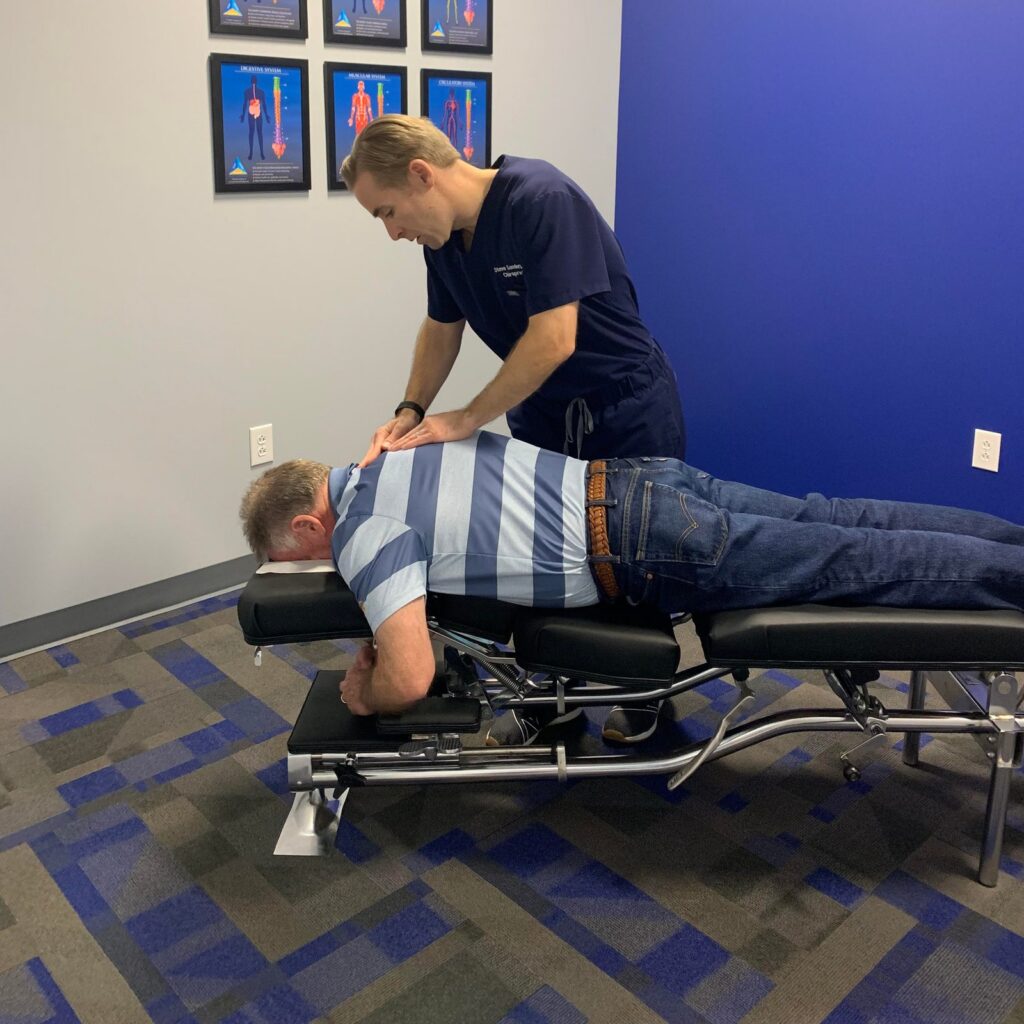
If you’re tired of relying on medication for headache relief, you’re not alone. Many individuals are seeking natural, effective alternatives that can lead to lasting change. As a local chiropractor, I want to share how understanding the types and triggers of headaches can guide you in exploring lifestyle adjustments and holistic techniques that may work for you.
One of the most effective ways to address headaches is through chiropractic care. By focusing on spinal health and alignment, chiropractic adjustments can help alleviate tension in the neck and upper back that often contributes to headaches. Regular chiropractic visits can promote better posture, reduce stress, and improve overall wellness, making a significant difference in your life.
In addition to chiropractic care, there are some simple changes you can make at home to support headache relief. Here are a few tips to consider:
- Stay Hydrated: Dehydration can trigger headaches, so be sure to drink plenty of water throughout the day.
- Maintain Good Posture: Poor posture can strain your neck and spine, leading to headaches. Be mindful of your posture when sitting at a desk or using your phone.
- Manage Stress: Incorporate relaxation techniques such as deep breathing, meditation, or yoga into your routine to help reduce stress levels.
- Get Enough Sleep: Aim for 7-9 hours of quality sleep each night, as lack of sleep can contribute to headache frequency and severity.
- Regular Exercise: Engaging in regular physical activity can improve blood flow and reduce tension in the body.
- Limit Caffeine and Alcohol: Both substances can trigger headaches in some individuals, so it may be beneficial to monitor your intake.
By integrating these tips into your daily life and prioritizing chiropractic care, you can work towards a pain-free existence and enjoy a better quality of life. Remember, you don’t have to rely on medications—natural relief is within reach!
Key Takeaways
Pain-Free Living: Ditch Meds for Headache Relief
As a local chiropractor dedicated to your health and wellness, I want to share some effective strategies for managing headaches naturally, without relying on medications. Here are some practical tips that can help you achieve relief and improve your overall well-being:
- Good Posture and Hydration: One of the simplest yet most effective ways to prevent tension-related headaches is to maintain good posture. Sitting and standing tall not only supports your spine but also helps reduce the strain on your neck and shoulders. Additionally, staying well-hydrated is crucial; dehydration can often lead to headaches, so make sure you’re drinking plenty of water throughout the day.
- Chiropractic Care: Regular chiropractic adjustments can be incredibly beneficial for headache relief. By addressing spinal misalignment, we can reduce tension in your body and promote better nerve function. This natural approach not only alleviates headaches but also contributes to your overall health.
- Mindfulness and Stress Management: Incorporating mindfulness practices, such as deep breathing exercises and gentle stretching, can significantly reduce headache frequency. These techniques help relax your body and mind, creating a sense of calm that can ward off tension headaches.
- Essential Oils: Consider using essential oils like peppermint and lavender. These natural remedies are known for their calming and muscle-relaxing properties, making them perfect companions for headache relief. Simply inhale the soothing scents or apply them topically (diluted with a carrier oil) to experience their benefits.
- Keep a Headache Diary: Tracking your headaches can be an insightful way to identify triggers and patterns in your life. By noting when headaches occur and what might have contributed to them (like stress or poor posture), you can make proactive lifestyle adjustments. This approach empowers you to take charge of your health and find natural relief strategies.
Incorporating these tips into your daily routine can help you manage headaches more effectively and promote your overall well-being. Remember, chiropractic care is a powerful tool in your journey toward optimal health, offering a natural and holistic approach to pain relief. If you’re experiencing headaches, don’t hesitate to reach out for a consultation—together, we can find the best path to relief!
Understanding Headaches: Types and Triggers
When you’re dealing with a headache, understanding its type and triggers is vital for finding effective relief, especially when considering natural approaches like chiropractic care. There are different types of headaches, including tension headaches, migraines, and cluster headaches, each with its own distinct characteristics and causes.
Tension headaches often feel like a tight band around your head, while migraines can bring about intense pain, often accompanied by nausea or sensitivity to light. Cluster headaches, although less common, can be extremely painful and typically occur in cycles.
Identifying your specific triggers can significantly impact your ability to manage headaches naturally. Common triggers include stress, dehydration, poor posture, and certain foods. As a chiropractor, I encourage you to keep a headache diary to help identify patterns in your headaches and avoid those triggers.
Additionally, chiropractic care can play a crucial role in managing headaches. Regular adjustments can help alleviate tension in your neck and spine, which may reduce the frequency and intensity of headaches.
Simple lifestyle changes, such as maintaining good posture, staying well-hydrated, and practicing stress-reduction techniques like deep breathing or yoga, can also contribute to overall wellness and headache prevention.
Lifestyle Changes for Headache Prevention
Making simple lifestyle changes can significantly help reduce the frequency and intensity of headaches. As a chiropractor, I emphasize the importance of a holistic approach to health that includes proper hydration, regular sleep, physical activity, and stress management—all of which can complement chiropractic care effectively.
Start by ensuring you stay hydrated; aim for at least eight glasses of water daily. Dehydration is a common headache trigger, so keep a water bottle with you throughout the day.
Next, it’s crucial to establish a regular sleep routine. Going to bed and waking up at the same time every day is key to ensuring you get the quality rest your body needs, which can also support spinal health.
Incorporating regular physical activity into your week is also beneficial. Aim for at least 30 minutes of moderate exercise most days. Not only does this help relieve tension in your muscles, but it also contributes to your overall well-being and complements your chiropractic care by keeping your body functioning optimally.
Pay close attention to your diet as well. Avoid skipping meals and consider limiting caffeine and alcohol, as these can worsen headaches. Instead, focus on nourishing your body with whole foods that support your health.
Finally, managing stress is essential for preventing headaches. Take breaks throughout your day to relax and recharge. Techniques such as deep breathing, gentle stretching, or even a short walk can help alleviate tension.
Holistic Approaches: Mindfulness and Meditation
Incorporating mindfulness and meditation into your daily routine can be a valuable complement to chiropractic care for headache relief. By practicing these techniques, you can cultivate a deeper awareness of your body and the tension that may be contributing to your discomfort. This awareness allows you to identify potential headache triggers before they escalate.
Start by dedicating just a few minutes each day to focus on your breath. This simple practice can help you let go of distractions and center yourself, which is essential for maintaining a healthy spine and overall well-being. As you develop your mindfulness practice, you’ll likely find it easier to manage stress—one of the significant contributors to headaches. Staying present can reduce anxiety and break the cycle of negative thoughts that often accompany pain.
Consider integrating guided meditations that focus on headache relief or visualization techniques that help ease tension in your body. These practices, when combined with regular chiropractic care, can enhance your overall health and lead to fewer headaches.
Remember, taking a moment each day to connect with yourself through mindfulness can bring surprising relief. Your chiropractic adjustments help align your spine and improve your body’s function, while mindfulness practices support your mental and emotional health. Together, they create a holistic approach to achieving optimal wellness.
Natural Remedies: Herbs and Essential Oils
When it comes to finding relief from headaches, natural remedies like herbs and essential oils can indeed be beneficial. However, as a chiropractor, I want to emphasize that the best approach to headache relief often begins with addressing the root cause of the pain through spinal health and alignment.
Many headaches are linked to tension and misalignment in the spine. By ensuring that your spine is properly aligned through regular chiropractic adjustments, you can alleviate the strain that contributes to headaches. This holistic approach not only targets the immediate discomfort but also promotes overall wellness.
In addition to chiropractic care, certain herbs can provide effective solutions for headache relief. For example, peppermint and ginger are known for their soothing properties. You might also find that essential oils, such as lavender and eucalyptus, can help create a calming atmosphere that eases tension.
Here are some simple tips to enhance your headache relief strategy:
- Stay Hydrated: Dehydration can trigger headaches, so make sure to drink plenty of water throughout the day.
- Practice Good Posture: Poor posture can lead to spinal misalignment, which may contribute to headaches. Be mindful of how you sit, especially if you work at a desk for long periods.
- Incorporate Stretching: Gentle neck and shoulder stretches can help release tension that builds up during the day.
- Create a Calm Environment: If you feel a headache coming on, try to find a quiet, dark place to rest. Using essential oils like lavender in a diffuser can enhance relaxation.
- Regular Chiropractic Visits: Make it a point to visit your chiropractor regularly. Not only can adjustments help reduce the frequency of headaches, but they also promote overall health and well-being.
Effective Herbal Solutions
As a local chiropractor, I want to share some effective herbal solutions for headache relief that complement the benefits of chiropractic care. While chiropractic adjustments can address the root cause of headaches by improving spinal alignment and relieving tension, you can also explore natural remedies to enhance your wellness journey.
Peppermint is a fantastic herb to consider. Its cooling properties can help soothe tension headaches. You can apply diluted peppermint oil to your temples or simply inhale its refreshing aroma for quick relief. This can work hand-in-hand with chiropractic adjustments to help alleviate discomfort.
Ginger is another excellent option due to its anti-inflammatory effects. Drinking ginger tea can aid in reducing headache intensity, especially when combined with the overall benefits of spinal health. Keeping your body well-hydrated and nourished is vital for optimal functioning.
Feverfew is worth exploring as well; studies suggest that it may help prevent migraines when taken regularly. Incorporating this herb into your routine can complement your chiropractic care by potentially reducing the frequency of migraine episodes.
Lastly, chamomile is known for its calming effects, which can help relax your muscles and ease stress. Stress is often a contributing factor to tension headaches, and managing it can enhance your overall well-being.
Essential Oil Benefits
Essential oils can be a wonderful addition to your wellness routine, especially when it comes to managing headaches. These concentrated plant extracts offer a natural way to alleviate discomfort, thanks to their aromatic properties and therapeutic effects.
For example, peppermint oil is known to stimulate circulation and ease muscle tension, while lavender oil is excellent for promoting relaxation and reducing stress. You can easily incorporate these oils into your life by inhaling them, applying them topically with a carrier oil, or using a diffuser to enjoy their calming benefits.
For quick relief, consider mixing a few drops of essential oil with a carrier oil and gently massaging it onto your temples. This method can provide immediate comfort.
Additionally, oils like eucalyptus and rosemary can assist in clearing sinuses and reducing inflammation, which might contribute to headache relief.
While essential oils can be helpful, it’s important to remember that chiropractic care is one of the best ways to address the root causes of headaches. By focusing on spinal alignment and overall wellness, chiropractic adjustments can help alleviate tension and improve your body’s natural function.
Incorporating healthy habits into your daily routine, such as staying hydrated, practicing good posture, and managing stress through mindfulness or yoga, can also support your headache management journey. By prioritizing a holistic approach to wellness, including chiropractic care, you can find effective, natural solutions for headaches without relying on medications.
Physical Techniques: Stretching and Acupressure
When headaches strike, it’s important to remember that effective stretching exercises and acupressure techniques can provide quick relief and are natural methods that complement chiropractic care.
Incorporating these physical approaches into your routine can help ease tension and promote overall wellness.
As a chiropractor, I believe that addressing the root cause of headaches, often related to spinal alignment and muscle tension, is crucial for long-term relief.
Here are some key stretches and acupressure points to consider, along with general tips for maintaining a healthy spine and reducing headache frequency.
Key Stretches:
- Neck Stretch: Gently tilt your head to one side, bringing your ear closer to your shoulder. Hold for 15-30 seconds and repeat on the other side. This stretch helps relieve tension in the neck, which is often a contributor to headaches.
- Shoulder Rolls: Roll your shoulders forward and then backward in a circular motion. This exercise can help reduce muscle tightness and improve blood flow in the upper back and neck.
- Upper Back Stretch: Interlace your fingers and stretch your arms forward while rounding your upper back. Hold for 15-30 seconds to release tension in the upper spine.
Acupressure Points:
- LI4 (Hegu): Located between the thumb and index finger, applying pressure here can help alleviate headache pain. A gentle massage for 30 seconds can be beneficial.
- GB20 (Feng Chi): Found at the base of your skull, on either side of the spine, pressing these points can relieve tension headaches. Apply steady pressure for a minute while taking deep breaths.
General Tips for Healthy Living:
- Stay Hydrated: Dehydration can lead to headaches, so be sure to drink plenty of water throughout the day.
- Maintain Good Posture: Proper posture while sitting and standing can help prevent tension in the neck and shoulders.
- Regular Chiropractic Care: Visiting a chiropractor regularly can help maintain spinal health, reduce tension, and prevent headaches from becoming a recurring issue.
By integrating these stretches, acupressure techniques, and general tips into your daily life, you can take proactive steps toward managing headaches naturally.
Effective Stretching Exercises
Stretching exercises can be a fantastic way to relieve headaches, especially when tension accumulates in your neck and shoulders. As a chiropractor, I often emphasize the importance of maintaining a healthy spine and muscle balance to support overall wellness. Start by gently tilting your head side to side, holding each stretch for 15-30 seconds. This simple movement can help alleviate tension and promote better alignment.
Next, try shoulder rolls to release tightness in your upper body: lift your shoulders toward your ears, then roll them back and down. Repeat this 5-10 times. This motion not only relaxes the muscles but also encourages better posture, which is essential for spinal health.
For a targeted neck stretch, place one hand on your head and gently pull it toward your shoulder. This stretch can help relieve tightness and improve mobility. Additionally, to release tension in your upper back, interlace your fingers and stretch your arms forward while rounding your back. These stretches enhance blood flow and reduce tension, which can help you feel better and potentially ease headache pain naturally.
Acupressure Points for Relief
Acupressure can be a valuable tool for managing headache pain, and while chiropractic care is the best way to achieve long-term relief and optimal health, these techniques can provide immediate comfort.
One effective acupressure point is LI4, located between your thumb and index finger. Applying firm pressure here for several seconds while taking deep breaths can help alleviate discomfort.
Another beneficial area to target is at the base of your skull, where your neck meets your head. Use your fingers to apply gentle pressure to this point to relieve tension that may be contributing to your headache.
Additionally, the area between your eyebrows, known as Yintang, is another spot to consider for relief. Pressing on this point can help ease stress and tension.
While these acupressure techniques can be beneficial, they should complement regular chiropractic care, which addresses the root causes of headaches by ensuring proper spinal alignment and overall wellness.
Remember to stay relaxed and breathe deeply as you apply pressure to these points. Incorporating these acupressure techniques into your routine can provide you with some immediate relief, but for lasting results, consider visiting your chiropractor for a comprehensive approach to your health.
Creating a Headache-Friendly Environment
Creating a headache-friendly environment is essential for maintaining your well-being, especially if you’re looking for natural ways to alleviate discomfort. As a chiropractor, I believe that making simple adjustments in your space can significantly reduce headache triggers and support your journey to optimal health.
Start by decluttering your environment. A tidy space can help minimize stress and distractions, which are often contributors to headaches. Next, pay attention to the lighting; opt for softer, natural light instead of harsh fluorescent bulbs. Using curtains can help control brightness and reduce glare, creating a more soothing atmosphere.
Noise levels also play a critical role in headache management. Consider investing in noise-canceling headphones or playing soft background music to foster a calming environment. Additionally, aromatherapy can be beneficial; scents like lavender and peppermint have been known to provide relief, so keep some essential oils nearby as a natural remedy.
Temperature is another factor that can affect your comfort. Maintaining a comfortable room temperature can help prevent any discomfort that might lead to headaches.
Lastly, ensure your workspace is ergonomically designed. Good posture is vital for spinal health and can alleviate tension that may contribute to headache pain.
Conclusion
Incorporating natural strategies into your daily routine can lead to a headache-free life without relying on medications. As a chiropractor, I believe understanding your triggers and making positive lifestyle changes can prevent headaches before they start.
Start by paying attention to your posture and spinal health. Poor alignment can contribute to tension and discomfort, leading to headaches. Regular chiropractic adjustments can help keep your spine aligned, promoting overall well-being and reducing headache frequency.
Embrace mindfulness practices such as deep breathing or meditation to help manage stress, which is a common trigger for headaches. In addition, utilize natural remedies like staying hydrated and maintaining a balanced diet rich in fruits and vegetables.
Physical techniques like stretching, gentle exercises, and acupressure can provide immediate relief. Incorporating these into your routine can enhance circulation and alleviate tension in your neck and shoulders, areas often associated with headaches.
Creating a supportive environment is also crucial. Ensure your workspace is ergonomically friendly and take regular breaks to move around.
Take charge of your health with chiropractic care as part of your journey to living pain-free. Experience the freedom that comes with being headache-free. Your path to relief starts today!