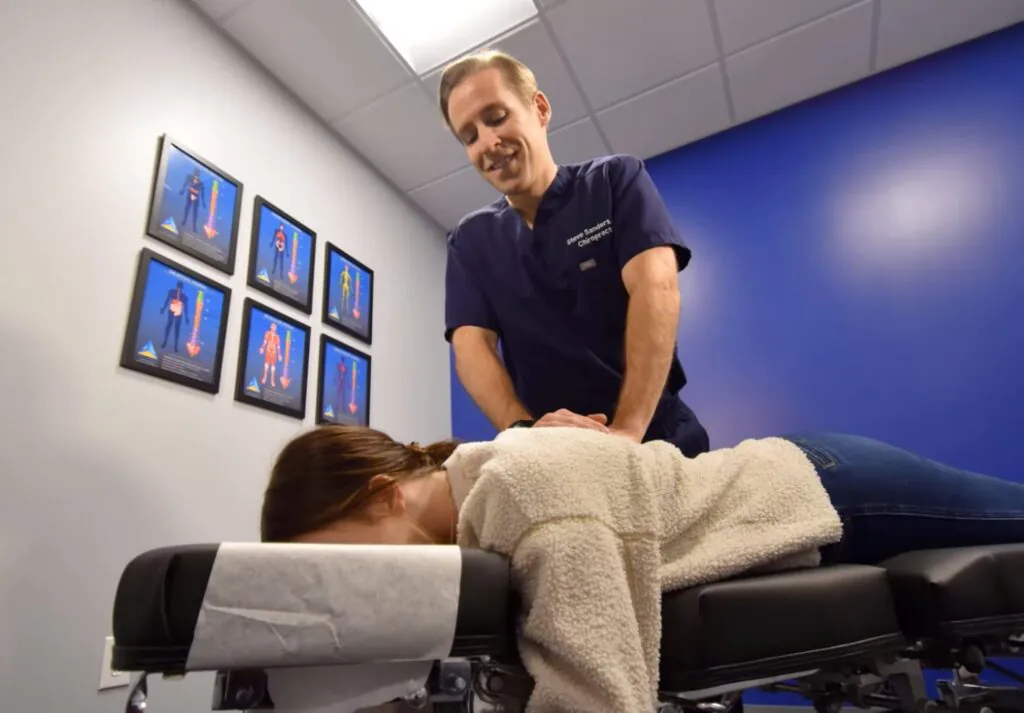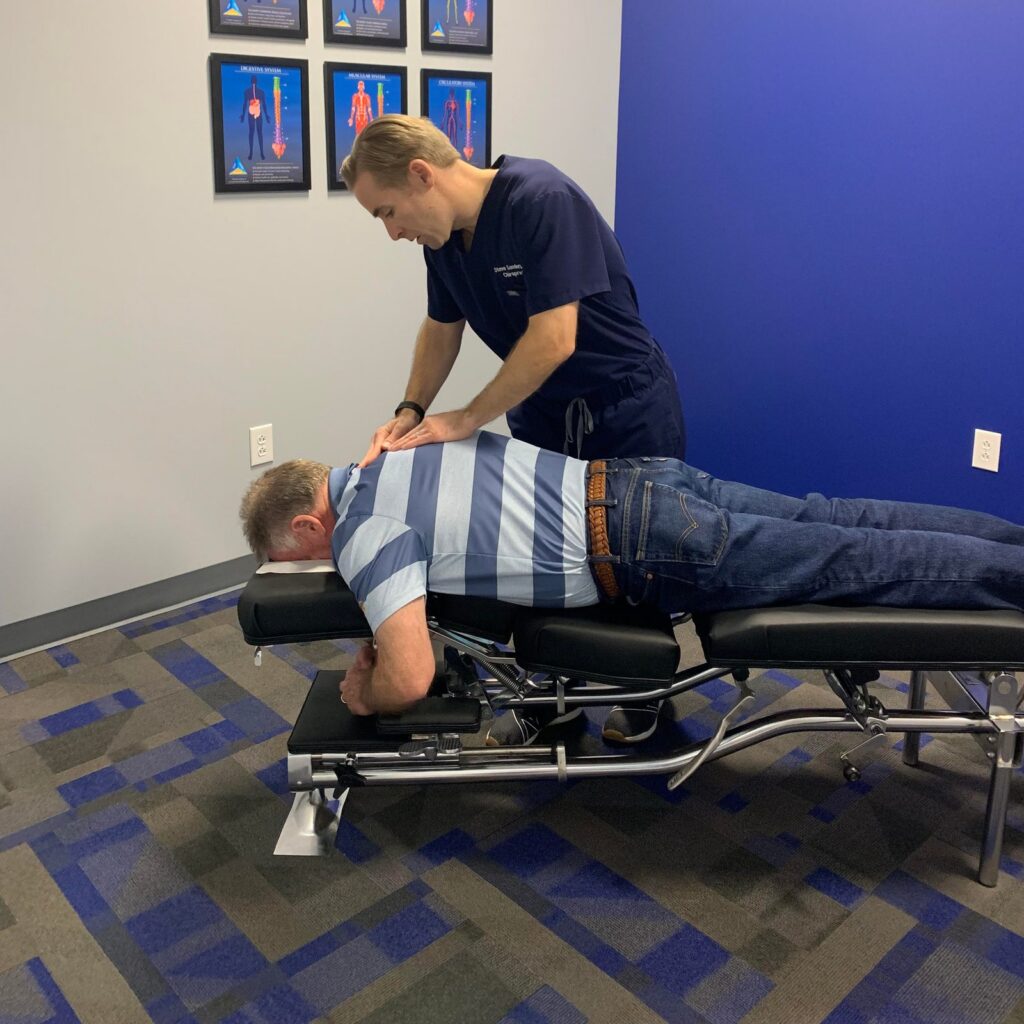
As your local chiropractor, I want to emphasize the vital role good posture plays in your journey to recover from back pain. Maintaining proper posture is crucial because it alleviates unnecessary strain on your muscles and ligaments, while also ensuring that your spine remains aligned. You might be surprised at how making even minor adjustments to your posture can lead to significant improvements in your comfort and overall healing process.
Understanding the science behind posture is essential, and it’s important to recognize some common mistakes that many people make. By being aware of these pitfalls, you can take informed steps to improve your posture, which in turn supports your recovery journey. So, what specific actions can you implement to enhance your posture and aid in your healing? Let’s explore some practical tips that can make a big difference in your back health.
Understanding Posture and Its Impact on Back Pain
As a chiropractor, I want to emphasize the crucial role that posture plays in your back health. Many people may not realize that the way you sit or stand can significantly impact your spine and overall comfort. When you slouch or hunch over, you place additional pressure on your spine, which can lead to discomfort and pain.
However, by practicing good posture—sitting or standing tall with your spine properly aligned—you can alleviate strain on your muscles and ligaments.
Consider the difference it could make for your back if you made a few simple adjustments to your posture. Start by being mindful of how you hold yourself throughout the day. Whether you’re working at your desk or simply walking, keeping your shoulders back and aligning your head with your spine can create a remarkable improvement in how you feel.
By actively focusing on your posture, you aren’t just aiding in your recovery but also taking proactive steps to prevent future issues.
The Science Behind Good Posture
As a local chiropractor, I want to emphasize that good posture is more than just a way to look confident; it’s fundamentally tied to the science of biomechanics that supports your body’s natural structure.
When you practice good posture, you help align your spine in a way that reduces unnecessary strain on your muscles and ligaments. This proper alignment allows your body weight to be distributed evenly, which in turn minimizes pressure on your joints and spinal discs.
Research has shown that maintaining proper posture can significantly improve your lung capacity, enabling you to breathe more efficiently. Additionally, it enhances blood circulation, which means more oxygen and nutrients are delivered to your muscles, promoting overall vitality.
Furthermore, good posture activates your core muscles, which are crucial for stability and balance in your everyday activities.
In our practice, we focus on educating patients about the importance of posture and how it plays a vital role in your overall health. By addressing any postural imbalances, we can help you achieve better alignment, alleviate discomfort, and enhance your quality of life.
Common Posture Mistakes to Avoid
As a local chiropractor, I want to emphasize the importance of proper posture in your journey toward relieving back pain. Many people are unaware that common mistakes, such as slouching while sitting, having an improperly set up workstation, and neglecting foot placement, can hinder your recovery.
Let’s take a closer look at how you can adjust these habits to improve your posture and promote healing. By making small changes to your sitting position, ensuring your desk is ergonomically designed, and paying attention to how your feet are positioned, you can significantly enhance your comfort and support your body’s natural alignment.
Slouching While Sitting
As a local chiropractor, I often see patients who are unaware of the significant impact that posture has on their overall health, particularly when it comes to back pain recovery.
One of the most prevalent posture mistakes I encounter is slouching while sitting. When you slouch, it places undue pressure on your spine and the surrounding muscles, which can lead to discomfort and prolonged pain.
To help alleviate this issue, I encourage you to focus on maintaining a proper sitting posture. Sit up straight, keeping your shoulders back and your feet flat on the floor. This alignment allows for even weight distribution and helps keep your spine in its proper position.
If you find it challenging to maintain good posture throughout the day, consider investing in a supportive chair or cushion designed to promote healthy sitting.
It’s important to stay mindful of your posture as you go about your day. By correcting the habit of slouching, you’ll create a more supportive environment for your back, ultimately aiding in your recovery journey.
Improper Desk Setup
As a local chiropractor, I want to emphasize the importance of not just your posture, but also the setup of your workspace. An improper desk arrangement can significantly impact your spinal health, even if you’re consciously trying to sit up straight. For instance, if your monitor is positioned too high or low, it can force you to tilt your neck in ways that lead to strain and discomfort over time.
It’s also crucial that your chair offers adequate support for your lower back. A chair that’s too soft or lacks proper lumbar support can lead you to slouch, which places additional stress on your spine.
When using your keyboard and mouse, make sure they’re positioned close enough so your elbows remain at a 90-degree angle. If you find yourself reaching for them, that can create unnecessary tension in your shoulders.
Additionally, your feet should always be resting flat on the floor to promote good alignment.
It’s important to remember that a well-organized desk isn’t just about how it looks; it plays a vital role in your comfort and overall well-being. By taking the time to set up your workspace correctly, you can help protect your spine and enhance your overall health.
If you have questions about how to improve your desk setup or any other concerns, feel free to reach out!
Ignoring Foot Placement
As a local chiropractor, I want to share an important aspect of maintaining good posture that often gets overlooked: foot placement. This element is crucial for spinal alignment and overall comfort.
Many people don’t realize that incorrect positioning of the feet can lead to muscle strain and worsen back pain. Here are three valuable tips to help you improve your posture:
- Feet Flat: Ensure your feet are flat on the ground or on a footrest. This creates a stable base and helps in maintaining proper alignment.
- Hip Width Apart: Position your feet about hip-width apart. This promotes balance and supports the natural curve of your spine, helping to prevent discomfort.
- Avoid Crossing: Try to avoid crossing your legs. This common habit can result in misalignment and increased tension in your lower back.
By being mindful of your foot placement, you can take significant steps towards better posture and overall health.
If you have any questions or want to discuss how chiropractic care can support your wellness journey, feel free to reach out!
Ergonomic Workspace Setup for Better Posture
As a local chiropractor, I want to emphasize the importance of creating an ergonomic workspace to support your posture and help alleviate back pain.
It all begins with your chair: ensure it’s adjusted so that your feet rest flat on the floor, with your knees positioned at a 90-degree angle. A chair that offers lumbar support is crucial—it helps maintain the natural curve of your spine, which is essential for spinal health.
Next, consider the height of your desk. Ideally, it should be at elbow level, allowing your arms to rest comfortably while you type. This will help prevent strain on your shoulders and neck.
Your monitor’s position is also key. It should be at eye level and about an arm’s length away to avoid unnecessary neck strain. If you work on a laptop, think about investing in a stand and an external keyboard to achieve this setup.
Additionally, keep frequently used items within arm’s reach to reduce twisting or stretching, which can lead to discomfort over time.
Lastly, I encourage you to develop a habit of taking short breaks every hour. Stand up, stretch, and move around; this keeps your muscles engaged and reduces fatigue.
Exercises to Strengthen Posture and Relieve Pain
As a local chiropractor, I want to share some valuable insights on how you can improve your posture and alleviate back pain through natural methods.
One of the key components to achieving this is by incorporating core stability exercises into your routine. These exercises are designed to strengthen your core muscles, which play a crucial role in supporting your spine and maintaining proper alignment.
In addition to core strengthening, it’s important to include stretching techniques in your daily activities. Stretching not only enhances your flexibility but also helps relieve tension and discomfort in your muscles.
By focusing on these exercises and stretches, you can create a solid foundation for better posture and a healthier back.
Core Stability Exercises
As a local chiropractor, I want to emphasize the importance of strong core stability for maintaining good posture and alleviating back pain. Many of my patients are surprised to learn that by focusing on core exercises, they can strengthen the muscles that support the spine and improve their overall posture.
Here are three effective core stability exercises that I recommend incorporating into your routine:
- Plank: Begin by holding a plank position on your forearms and toes, ensuring your body remains in a straight line. Start with holding the position for 20-30 seconds and gradually increase the duration as your strength improves. This exercise works wonders for building core strength.
- Bird-Dog: While on all fours, extend one arm forward and the opposite leg back. Hold this position for a few seconds before switching sides. The Bird-Dog exercise is excellent for enhancing balance and stability, which are crucial for spinal health.
- Dead Bug: Lie flat on your back with your arms extended toward the ceiling. Lower one arm and the opposite leg while keeping your core engaged. Alternate sides to complete the exercise. This movement helps to strengthen the core while maintaining a stable spine.
Incorporating these exercises into your daily routine can significantly improve your posture and help reduce back pain.
Stretching Techniques Benefits
As a local chiropractor, I want to emphasize the importance of incorporating stretching techniques into your wellness routine, alongside core stability exercises. Stretching isn’t just about flexibility; it plays a vital role in strengthening your posture and alleviating pain. When you engage in regular stretching, you can effectively improve your muscle flexibility, allowing your body to function more efficiently and reducing tension in areas like your back.
Focusing on stretches that target key muscle groups, such as the hamstrings and hip flexors, can help combat the effects of poor posture. For instance, incorporating stretches like the cat-cow pose, child’s pose, and standing quadriceps stretch into your daily routine can significantly enhance your spinal alignment.
Many of my patients notice a reduction in stiffness and an increase in mobility, making their everyday activities much easier.
I encourage you to make stretching a consistent part of your routine. Just a few minutes of dedicated stretching each day can lead to remarkable improvements in your posture and overall back health.
Stretching Techniques for Improved Flexibility
As a local chiropractor dedicated to helping you improve your flexibility and alleviate back pain, I want to emphasize the importance of incorporating effective stretching techniques into your daily routine.
These practices not only enhance your flexibility but also play a crucial role in supporting your spinal health. Here are three fundamental stretching techniques I recommend:
- Cat-Cow Stretch: Begin on your hands and knees. This gentle movement involves alternating between arching your back (like a cat) and dipping it down (like a cow). This dynamic stretch helps to mobilize your spine and improve overall flexibility, which is essential for maintaining a healthy back.
- Child’s Pose: Kneel on the floor and sit back on your heels. Extend your arms forward on the mat, allowing your forehead to rest gently on the ground. This restorative pose not only stretches your back and hips but also promotes relaxation and can help reduce tension in the body.
- Seated Forward Bend: Sit with your legs extended in front of you. Inhale deeply, raise your arms overhead, and as you exhale, gently bend forward, aiming to reach your toes. This stretch is particularly beneficial for lengthening your spine and hamstrings, contributing to improved flexibility and mobility.
Incorporating these stretching techniques into your daily routine can significantly enhance your flexibility and support your recovery from back pain.
Mindfulness and Body Awareness Practices
As a local chiropractor, I want to share how mindfulness and body awareness can significantly support your recovery from back pain. Many of you may not be familiar with these concepts, but they can play a vital role in your healing journey.
Practicing mindfulness allows you to remain present and in tune with your body, making it easier to notice any physical sensations, such as tension or discomfort. By paying attention to these signals, you can better identify the areas that need care and focus on addressing them effectively.
Incorporating body awareness techniques, such as deep breathing exercises and gentle stretching, can greatly improve your understanding of your posture and movement. Being mindful of how you hold your body can help you make necessary adjustments that relieve strain on your back.
Moreover, mindfulness encourages a non-judgmental approach to your pain, which can help reduce the stress and anxiety that often accompany chronic discomfort. This shift in perspective not only empowers you to take an active role in your recovery but also fosters a more positive relationship with your body.
The Role of Supportive Footwear
As a local chiropractor, I often see patients struggling with back pain, and one crucial aspect that can significantly aid in your recovery is choosing the right footwear.
Think of your feet as the foundation of your entire body; if they aren’t properly supported, it can lead to issues that may affect your back and overall posture.
Here are three essential features to consider when selecting supportive shoes:
- Arch Support: It’s vital to have proper arch support in your shoes. This helps maintain the natural alignment of your feet, preventing conditions like overpronation or supination that can contribute to back discomfort. Shoes that support your arches can make a world of difference.
- Cushioning: Look for footwear with adequate cushioning. This feature absorbs shock and minimizes the impact on your joints during daily activities. By providing comfort, good cushioning can help alleviate tension in your back and promote a more pleasant walking experience.
- Stability: Stability is key when choosing shoes. Opt for those with a wide base and a firm heel counter. This design helps reduce excessive movement, which can adversely affect your posture and worsen back pain.
Investing in supportive footwear is an important step in your recovery journey.
When you prioritize comfort and support, you not only enhance your back health but also empower yourself to stand tall and move freely.
Daily Habits to Maintain Proper Posture
As a local chiropractor, I want to share some essential habits that can help you maintain proper posture throughout your day. One of the first steps is to create an ergonomic workspace that caters to your body’s needs. This means arranging your desk, chair, and computer in a way that supports your spine and promotes healthy alignment.
It’s also important to practice mindful sitting techniques. By being aware of your posture while seated, you can make adjustments that prevent strain on your back and neck.
Additionally, strengthening your core muscles plays a pivotal role in providing the support your spine needs. A strong core helps to stabilize your body, making it easier to maintain good posture throughout your daily activities.
Incorporating these daily habits not only improves your posture but can also significantly aid in your recovery from back pain.
Ergonomic Workspace Setup
As a local chiropractor, I understand the importance of creating an ergonomic workspace to enhance your daily comfort and significantly alleviate back pain.
Small adjustments to your environment can have a profound impact on your overall health and wellbeing. Here are three essential tips I recommend for setting up your workspace effectively:
- Chair Selection: Opt for a chair that offers proper lumbar support. It’s vital that your feet can rest flat on the floor, and the height should be adjusted so your knees are at a 90-degree angle. This supports your spine’s natural curvature and helps prevent discomfort.
- Desk Height: Your desk should be positioned so that it aligns with your elbows when you’re seated. This alignment ensures that your arms remain relaxed, and your wrists stay in a neutral position while typing, which can help reduce strain and prevent repetitive injuries.
- Screen Position: Place your monitor approximately an arm’s length away from you, with the top of the screen at eye level. This positioning keeps your neck in a neutral position, reducing the risk of tension and discomfort in the neck and shoulders.
Implementing these simple changes to your workspace can significantly enhance your comfort and promote better posture, which are crucial for your spinal health.
Mindful Sitting Techniques
As a local chiropractor, I want to emphasize the importance of mindful sitting techniques to help you maintain proper posture and overall spinal health, especially while working at your desk. Many people unknowingly slip into poor posture habits, which can lead to discomfort and long-term issues.
To start, ensure your feet are flat on the floor and your knees are bent at a 90-degree angle. This simple adjustment allows for better alignment of your spine. Your back should be supported by the chair, maintaining its natural curve—this is crucial for preventing strain.
It’s also vital to position your computer screen at eye level. This helps prevent you from leaning forward, which can cause tension in your neck and shoulders. I recommend setting reminders every hour to check in on your posture. If you notice yourself slouching, take a moment to realign.
Consider using a lumbar roll for added support—this can greatly enhance your spinal alignment and comfort. Additionally, engaging your core muscles slightly can help stabilize your spine throughout the day.
By incorporating these mindful sitting habits into your daily routine, you can significantly reduce discomfort and improve your focus and productivity.
Strengthening Core Muscles
As a chiropractor, I often emphasize the importance of maintaining proper posture as it directly relates to strengthening your core muscles. A robust core not only supports your spine but also reduces strain on your back and encourages better alignment throughout your body.
To assist you in developing your core strength, I recommend incorporating these daily habits into your routine:
- Plank Exercises: Start by holding a plank position for 30 seconds to a minute. Focus on engaging your abdominal muscles while keeping your body in a straight line from your head to your heels. This exercise is a fantastic way to build overall core stability.
- Pelvic Tilts: Lie on your back with your knees bent. Gently tilt your pelvis upward, which activates your lower abdominal muscles. This simple movement can help alleviate tension in your lower back and promote better alignment.
- Leg Raises: While lying on your back, lift your legs slowly while ensuring your core is engaged. This exercise not only strengthens your lower abs but also enhances your overall stability.
By integrating these exercises into your daily routine, you can significantly improve your posture and support your recovery from back pain.
When to Seek Professional Help for Posture Correction
Are you dealing with ongoing back pain, despite your best efforts to improve your posture? As a local chiropractor, I want to emphasize that it may be time to consider professional help. If your discomfort persists for more than a few weeks, visiting a chiropractor can be a beneficial step.
We specialize in assessing posture and can identify underlying issues that mightn’t be obvious to you. It’s especially important to seek our expertise if you’re experiencing sharp pain, numbness, or tingling in your arms or legs. These symptoms can signify a more serious condition that requires prompt attention.
Moreover, if you find that your daily activities are being impacted or if maintaining proper posture during simple tasks feels increasingly difficult, chiropractic care can provide the support and guidance you need to regain your comfort and mobility.
Let’s work together to help you achieve better posture and overall well-being!
Conclusion
As a local chiropractor, I want to share some valuable insights on how good posture can play a crucial role in your recovery from back pain. Many people aren’t aware that simple adjustments in your daily routine can significantly impact your comfort and overall health. By being mindful of your body alignment and ensuring that your workspace is ergonomically designed, you can alleviate discomfort and support your spine’s natural position.
In addition, incorporating core-strengthening exercises into your routine can further enhance your recovery. A strong core provides the necessary support for your spine, helping to reduce strain and improve your posture. It’s also essential to consider the type of footwear you wear and the habits you develop throughout the day, as these can contribute to back pain.
If you’re unsure where to start or are experiencing persistent pain, don’t hesitate to seek professional help. A chiropractor can provide personalized guidance and treatments that align with natural healing principles. By embracing these strategies, you’ll be well on your way to a healthier, pain-free life. Remember, taking care of your posture today can lead to a brighter, more comfortable tomorrow!