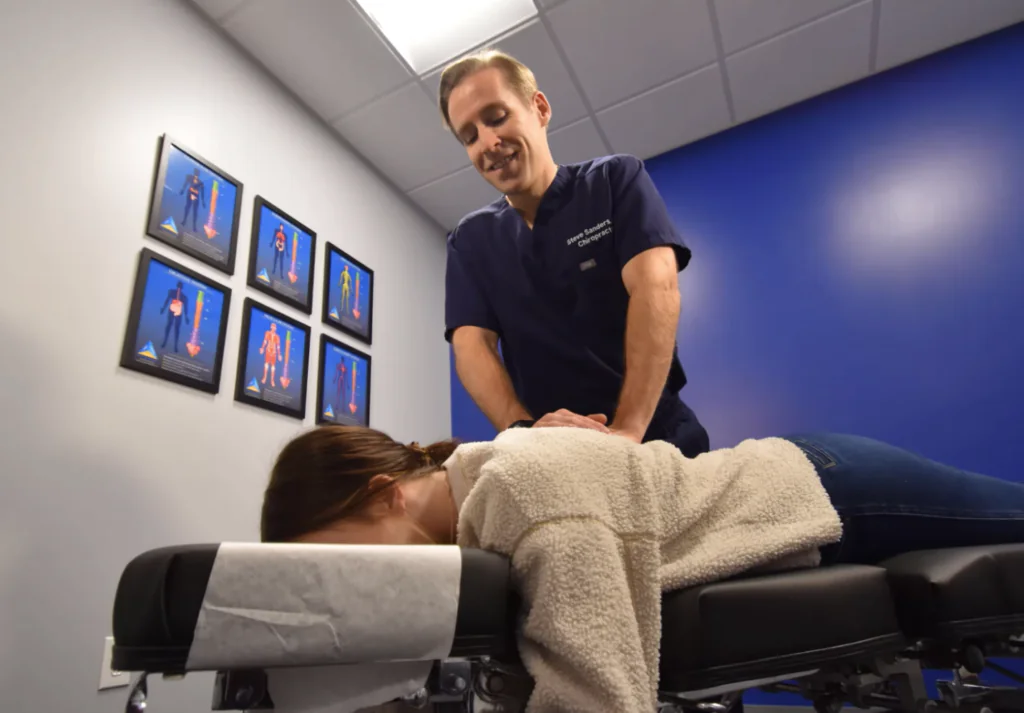
If you’re experiencing back pain related to your posture, I want you to know that you’re not alone in this struggle. Many individuals face similar challenges, especially those who spend long hours at a desk or engage in improper body mechanics throughout their day. As a local chiropractor, I’m here to share some encouraging news: you can achieve up to 85% relief from this discomfort through a combination of ergonomic adjustments, targeted exercises, and mindful practices.
You might be wondering how to effectively implement these strategies in your daily routine. Let’s take a closer look at the steps you can take to enhance your comfort and overall well-being. By incorporating chiropractic care, we can help you understand your body better and develop personalized approaches that align with your unique needs. Together, we can work towards a healthier posture and a pain-free life!
Understanding Posture-Related Back Pain
As your local chiropractor, I want to take a moment to discuss how your everyday posture can significantly affect your back health. Many people may not realize it, but slouching at your desk or hunching over your phone can lead to serious discomfort and pain.
When you maintain poor posture, you place unnecessary strain on your spine, which can result in issues such as muscle tension, inflammation, or even herniated discs over time.
You might find that your back pain tends to worsen after spending long hours sitting or standing incorrectly. It’s essential to understand that good posture isn’t just about looking confident; it plays a critical role in your overall well-being.
By recognizing this connection between posture and back pain, you can take proactive steps to improve your alignment and overall health.
As a chiropractor, I encourage you to consider simple adjustments in your daily routine. Sitting up straight, using ergonomic furniture, and being mindful of your body mechanics can significantly reduce your discomfort and improve your quality of life.
If you’re experiencing back pain, I’m here to help guide you on a path to natural healing and better posture. Together, we can work towards enhancing your daily comfort and overall spinal health.
The Importance of Ergonomics
As a local chiropractor, I want to emphasize the importance of understanding ergonomic design principles, especially when it comes to preventing back pain.
Properly setting up your workspace can make a significant difference in your posture and overall comfort. By making a few simple adjustments, you can reduce discomfort and support your spine’s health throughout your daily activities.
Let’s delve into how these changes can improve your well-being and help you maintain a pain-free lifestyle.
Ergonomic Design Principles
As a local chiropractor, I want to emphasize the importance of ergonomic design principles in helping prevent and alleviate posture-related back pain. Many individuals may not realize how crucial these principles are for their overall comfort and well-being.
By incorporating ergonomics into your daily environment, you can significantly enhance your quality of life. Here are some fundamental principles I encourage you to consider:
- Adjustability: It’s essential to ensure that your chair, desk, and other equipment can be adjusted to fit your unique body dimensions. This customization helps maintain a healthy posture and reduces unnecessary strain on your spine.
- Support: Choosing supportive furniture is vital for encouraging proper posture. When your body is well-supported, it minimizes the risk of discomfort and injury, especially to your back.
- Accessibility: Organizing your workspace so that frequently used items are easily reachable can prevent awkward movements that strain your back. A well-organized environment can lead to more natural movements and less tension in your muscles.
By implementing these ergonomic principles, you can make a significant impact on how you feel throughout the day.
I encourage you to pay attention to your surroundings and make adjustments where necessary—your back will certainly appreciate it!
Workspace Setup Tips
As a local chiropractor, I want to emphasize the importance of creating an ergonomic workspace to enhance your comfort and productivity while minimizing the risk of injury.
First and foremost, select a chair that provides proper support for your lower back. This will encourage good posture and allow your feet to rest flat on the floor, reducing strain on your spine.
Your desk height is also crucial; it should be at elbow height so that your arms remain relaxed while typing. This positioning helps prevent tension in your shoulders and neck.
Additionally, it’s vital to set your monitor at eye level. This adjustment will help avoid unnecessary strain on your neck and upper back, which can lead to discomfort over time.
To further promote a healthy workspace, keep frequently used items within arm’s reach. This reduces the need for awkward stretching or twisting, which can put stress on your body.
Ensure your keyboard and mouse are positioned close enough to your body to prevent strain on your wrists.
Lastly, don’t forget the importance of taking regular breaks. Stand up, stretch, and reset your posture throughout the day. These small adjustments can significantly impact your overall well-being.
By following these guidelines, you can create a workspace that not only supports your body but also enhances your ability to work efficiently.
Benefits of Proper Posture
As a local chiropractor, I want to emphasize the importance of proper posture, which goes beyond just looking confident.
It’s a fundamental aspect of your overall health and well-being. Maintaining good posture isn’t only about preventing back pain; it can significantly enhance both your physical and mental wellness.
Let me share some key benefits of proper posture that you may not be aware of:
– Reduced Pain: Good posture helps alleviate strain on your muscles and ligaments, which can lead to a noticeable decrease in discomfort.
When your body is aligned correctly, it can function more efficiently, reducing the risk of injuries.
– Improved Breathing: With proper posture, your lungs have the space they need to fully expand.
This means you can take in more oxygen, which can boost your energy levels and overall vitality.
– Enhanced Focus: Proper alignment promotes better blood flow to the brain, which can help improve your concentration and productivity.
When your body is in alignment, your mind can perform at its best.
By understanding the benefits of proper posture, you can take proactive steps toward better health.
As your chiropractor, I’m here to guide you on this journey towards natural healing and wellness.
Essential Ergonomic Adjustments for Your Workspace
As a local chiropractor dedicated to your well-being, I want to emphasize the importance of creating a comfortable workspace that promotes good posture and overall health.
One of the first adjustments you should consider is the height of your chair. It’s crucial that your chair provides adequate support for your lower back and allows your feet to rest flat on the floor, which helps maintain proper spinal alignment.
Equally important is the position of your monitor. Ideally, your screen should be at eye level. This simple adjustment can significantly reduce strain on your neck and back, making a big difference in how you feel throughout the day.
Chair Height Adjustment
As a chiropractor, I often emphasize the significant role that proper chair height plays in maintaining good spinal health and overall comfort while working or studying.
When your chair is adjusted correctly, it can greatly reduce strain on your back and enhance your posture, which is essential for preventing discomfort and injury.
Here are three key tips I recommend to help you achieve the ideal chair height:
- Feet Flat on the Ground: Ensure your feet are resting flat on the floor or on a footrest. This position helps promote healthy blood circulation and reduces pressure on your lower back.
- Knees at a 90-Degree Angle: It’s important for your knees to be at a 90-degree angle. They should be parallel to or slightly lower than your hips. This alignment supports your pelvis and spine, which is crucial for maintaining good posture.
- Comfortable Arm Positioning: Your arms should rest naturally at your sides, with your elbows at or just above the level of your desk. This alignment helps prevent strain in your shoulders and neck, contributing to a more relaxed work environment.
By adjusting your chair height thoughtfully, you can create a supportive workspace that encourages better posture and reduces the risk of discomfort.
Monitor Positioning Techniques
As a chiropractor, I want to emphasize the importance of monitor positioning for your overall comfort and spinal health, especially if you spend long hours working at a desk. Many people don’t realize that the way you set up your monitor can significantly impact your posture and well-being.
First and foremost, your monitor should be positioned at eye level. This prevents unnecessary strain on your neck and helps maintain a natural alignment of your spine. You can achieve this by using an adjustable stand or even a stack of books to raise your screen. Aim to have your eyes align with the top third of the monitor; this keeps your neck in a neutral position.
Next, ensure that your monitor is about an arm’s length away. This distance is crucial for reducing eye strain and allowing your eyes to relax comfortably. Additionally, tilting the screen slightly back—between 10 to 20 degrees—can help minimize glare, which is often overlooked but can lead to discomfort and poor posture as you lean forward to see better.
If you wear glasses, be mindful of how they interact with your line of sight. Adjusting your monitor position can make a significant difference in your visual comfort.
Lastly, don’t forget to keep your screen clean. Smudges and dirt can distract you and lead to leaning in, further compromising your posture.
Stretching Routines to Alleviate Discomfort
As a local chiropractor, I frequently encounter patients who experience discomfort due to poor posture and muscle tension. One of the most effective ways to alleviate this discomfort is by incorporating targeted stretching routines into your daily life.
Just a few minutes of stretching each day can significantly enhance your flexibility, reduce muscle tension, and lead to noticeable relief from back pain. Here are three stretches I recommend to get you started:
- Cat-Cow Stretch: This dynamic movement is fantastic for mobilizing your spine and alleviating stiffness. By alternately arching and rounding your back, you promote flexibility and encourage better spinal alignment.
- Child’s Pose: This gentle stretch is excellent for lengthening your spine and relaxing your back muscles. Holding this position for a few deep breaths allows you to release tension and cultivate a sense of calm.
- Seated Forward Bend: Sit with your legs extended in front of you and slowly reach for your toes. This stretch specifically targets your lower back and hamstrings, helping to alleviate tightness and improve your overall mobility.
By making these stretches a regular part of your daily routine, you’re likely to experience a significant improvement in your back discomfort, as well as enhanced posture overall.
Strengthening Exercises for Better Posture
As a local chiropractor, I want to help you understand how strengthening certain muscle groups can significantly improve your posture and alleviate back pain.
It’s essential to focus on exercises that support your spine and enhance your overall well-being.
Begin with core exercises such as planks and bridges. These movements engage your abdominal and lower back muscles, providing the stability your spine needs for proper alignment.
By strengthening your core, you create a solid foundation that can prevent discomfort and improve your posture.
In addition to core work, it’s crucial to incorporate exercises that target your upper back. Movements like rows and reverse flys can strengthen the muscles responsible for pulling your shoulders back, which can help counteract the slouching that many of us experience in our daily lives.
Don’t overlook the importance of your glutes, either. Strong glute muscles play a vital role in maintaining good posture and overall stability.
When your glutes are strong, they contribute to a balanced and aligned posture.
I recommend aiming for two to three sets of 10 to 15 repetitions for each exercise.
It’s vital to maintain proper form to avoid injury and get the most out of your workouts.
Consistency is essential, so I encourage you to make these exercises a part of your routine at least three times a week.
As you strengthen these key muscle groups, you’ll likely notice an improvement in your posture and a reduction in back pain, enhancing your overall quality of life.
The Role of Proper Footwear
As a local chiropractor, I want to emphasize the vital role that proper footwear plays in maintaining good posture and preventing back pain. Many of my patients come to me with discomfort that can often be traced back to the shoes they wear.
The wrong footwear can disrupt your body’s alignment, leading to unnecessary tension and discomfort in your back.
When selecting shoes, here are three important features to consider:
- Arch Support: Look for shoes that provide adequate arch support. This feature helps to evenly distribute your weight across your feet, which can significantly reduce strain on your back.
- Cushioning: Shoes with good cushioning are essential. They absorb shock and reduce the impact on your spine when you move, which is crucial for overall spinal health.
- Fit: A proper fit is non-negotiable. Shoes that fit well will prevent your feet from sliding around inside them. This stability is key to maintaining good posture and avoiding the instability that can lead to discomfort.
Taking the time to choose the right footwear can make a significant difference in your overall health and well-being.
If you’re experiencing back pain, consider evaluating your shoes as a first step toward relief.
Mindfulness and Body Awareness Techniques
As your local chiropractor, I want to emphasize that even with the best footwear, you may still experience posture-related back pain if you aren’t mindful of how your body moves and holds itself throughout the day.
Practicing mindfulness can be incredibly beneficial in tuning into your body’s sensations, helping you identify areas of tension and discomfort that might be contributing to your pain.
I encourage you to take a few moments each day to check in with yourself. Pay attention to how you sit, stand, and walk. Are your shoulders rounded forward? Is your spine in a neutral position? These small observations can make a significant difference in your overall well-being.
Incorporating body awareness techniques, such as deep breathing and gentle stretching, can promote relaxation and help improve your posture.
Here’s a simple exercise you can try: while sitting, place your hand on your abdomen and take deep breaths, allowing your belly to rise and fall with each inhale and exhale. This practice not only encourages you to release tightness but also helps your body find its natural alignment.
By consistently using these mindfulness techniques, you can enhance your body awareness, leading to better posture and, ultimately, a reduction in back pain.
Incorporating Breaks Into Your Daily Routine
As a local chiropractor, I often see patients who are unaware of the importance of taking regular breaks during their workday. Many individuals find themselves sitting for long periods, which can lead to poor posture and exacerbate back pain.
It’s crucial to incorporate breaks into your routine not only to relieve tension but also to enhance your overall well-being.
Here are some straightforward strategies that I recommend to my patients:
- Set a Timer: Utilize your phone or computer to remind you to stand up every hour. This simple action can help alleviate strain on your spine and promote better posture.
- Stretch It Out: Dedicate a few minutes to light stretching. This practice can relieve tight muscles, improve circulation, and even enhance your flexibility.
- Walk Around: Take short walks, whether around your office or home. Moving your body regularly keeps your muscles engaged, improves circulation, and can boost your energy levels throughout the day.
Incorporating these practices into your daily routine can significantly contribute to your health and comfort, helping you to avoid common musculoskeletal issues.
Seeking Professional Help and Treatment Options
As a local chiropractor, I want to emphasize the importance of addressing persistent back pain before it leads to more significant health issues. If you’ve been experiencing discomfort, it’s crucial to consider seeking professional help. A thorough assessment will allow us to identify the root cause of your pain and tailor a treatment plan that suits your needs.
Chiropractic care is a vital component of recovery for many patients. Through specific spinal adjustments, we can alleviate tension and promote better alignment, which is essential for maintaining a healthy posture. Our focus isn’t just on immediate relief, but also on long-term wellness by empowering you with knowledge and techniques to manage your pain effectively.
In addition to adjustments, we often incorporate physical therapy techniques that strengthen your core muscles and enhance your posture. This holistic approach helps you build resilience against future discomfort.
Don’t overlook the complementary benefits of massage therapy as well. It can relieve muscle tightness and improve circulation, working in conjunction with chiropractic adjustments to enhance your overall well-being.
Together, we can help you achieve a pain-free lifestyle and improve your quality of life.
Conclusion
As a local chiropractor, I want to share some valuable strategies that can help you find significant relief from posture-related back pain. It’s essential to start by adjusting your workspace to promote better posture. Consider your chair height and desk setup—these small changes can make a big difference.
Incorporating regular stretching and strengthening exercises into your daily routine is crucial. These exercises not only support your spine but also enhance your overall flexibility and strength. Additionally, practicing mindfulness can assist in reducing stress, which often contributes to muscle tension and discomfort.
Don’t overlook the importance of wearing proper footwear. Supportive shoes can significantly impact your posture and overall back health. It’s also vital to take regular breaks throughout your day to move around and relieve any built-up tension in your muscles.
If you find that discomfort persists despite these efforts, seeking professional help is a wise choice. A chiropractor can provide tailored solutions specifically designed for your needs. With dedication to these practices, you can achieve lasting comfort and take steps towards reclaiming your well-being naturally. Remember, your health is a journey, and I’m here to support you along the way!