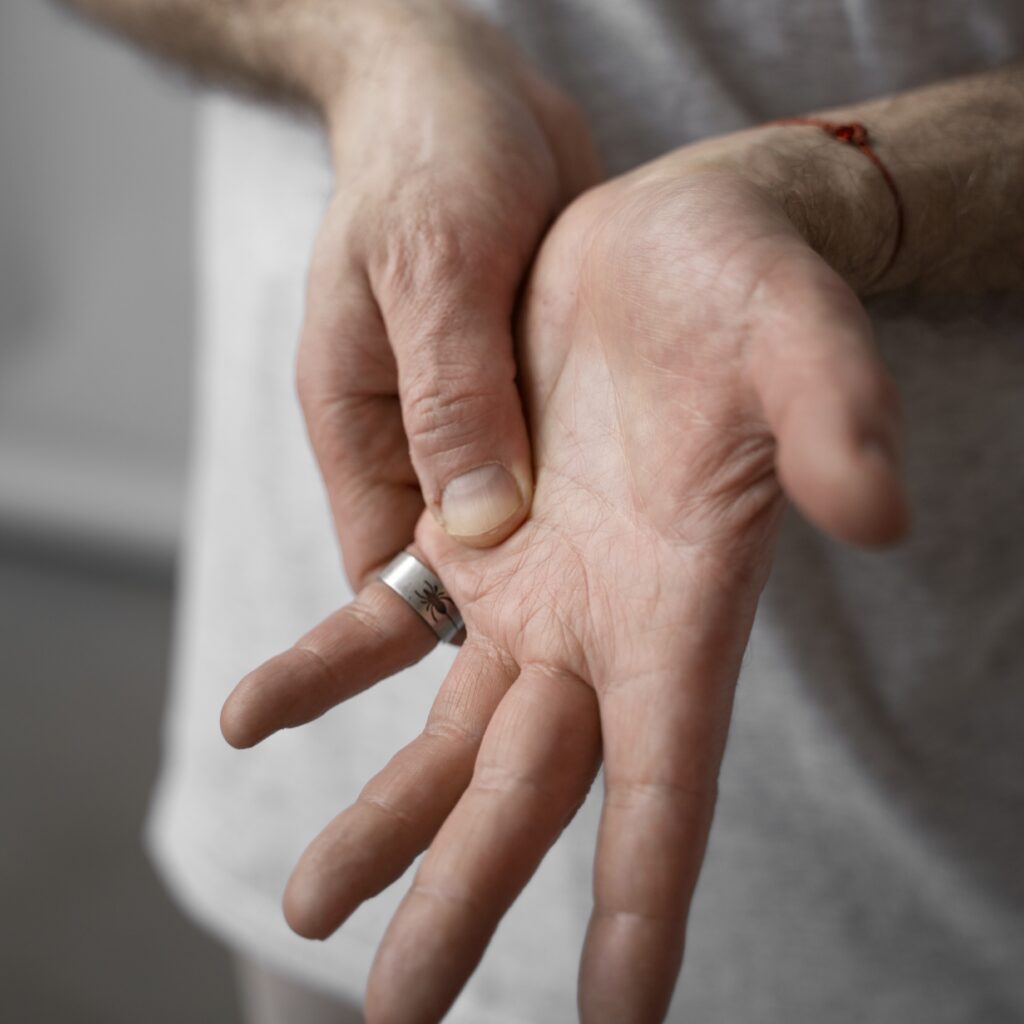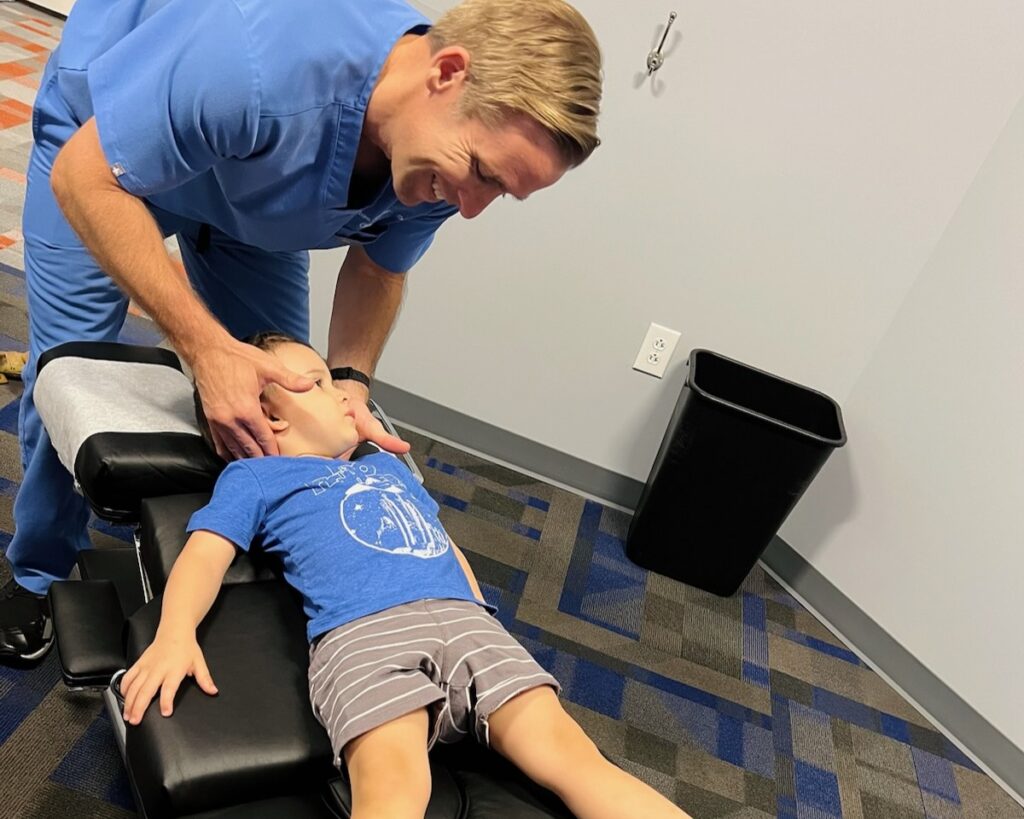

If you’ve been dealing with that nagging ache on the outside of your elbow, you’ve probably been told to rest it. Maybe you’ve been icing it, avoiding your favorite activities, and waiting patiently for the pain to go away on its own. It seems like the logical thing to do — but here’s the uncomfortable truth: when it comes to tennis elbow, prolonged rest may actually be working against you. At Cityview Chiropractic in Fort Worth, TX, Dr. Steve Sanders sees this pattern regularly. Patients come in after weeks or even months of “taking it easy,” only to find their pain hasn’t budged — or has gotten worse. Understanding why this happens can be the first step toward real, lasting relief.
What Is Tennis Elbow?
Tennis elbow, known medically as lateral epicondylitis, is a painful condition affecting the tendons that attach to the outside of the elbow. It occurs when the tendons connecting your forearm muscles to the lateral epicondyle (the bony bump on the outer elbow) become irritated, inflamed, or develop small degenerative changes. Despite the name, you don’t have to play tennis to develop it — it’s common in anyone who performs repetitive gripping, twisting, or lifting motions with their arm.
- What Really Happens Inside a Tendon When You Rest Too Long
- Why Complete Rest Backfires for Tennis Elbow
- Common Causes and Contributing Factors
- How Chiropractic Care at Cityview Chiropractic Fits In
- Practical Tips for Supporting Your Recovery
- When to See a Chiropractor for Tennis Elbow
- Treatment Approaches: Rest vs. Active Recovery
- Myths vs. Facts About Tennis Elbow
- Final Thoughts from Cityview Chiropractic
- Frequently Asked Questions
- TL;DR Summary
What Really Happens Inside a Tendon When You Rest Too Long
To understand why rest can be counterproductive, you first need to understand what’s actually going on inside the tendon. For a long time, tennis elbow was described primarily as an inflammatory condition — hence the “-itis” suffix. But more current understanding in musculoskeletal health suggests that in many chronic cases, the problem isn’t active inflammation at all. Instead, the tendon undergoes a process called tendinopathy, where the tissue breaks down and fails to heal properly.
Tendons are made largely of collagen fibers. Healthy tendons are organized, dense, and resilient. When a tendon is repeatedly overloaded, those fibers can become disorganized, weak, and degenerated. Here’s the critical part: tendons don’t have a rich blood supply like muscles do. They rely heavily on mechanical loading — meaning movement and controlled stress — to stimulate blood flow, encourage cellular repair, and promote proper collagen remodeling. When you completely stop using the tendon, you essentially cut off its primary healing stimulus.
This is why patients who rest for weeks and then return to their normal activities often find the pain comes right back, sometimes even more intensely. The tendon hasn’t truly healed — it’s just been sitting dormant, weakening further with each day of disuse. Dr. Steve Sanders at Cityview Chiropractic frequently explains this to patients in Fort Worth who are frustrated that rest hasn’t worked: the tendon needs the right kind of stimulus, not a complete absence of it.
Why Complete Rest Backfires for Tennis Elbow
Complete rest creates a few specific problems that can slow or even derail recovery from tennis elbow. First, as we’ve established, it removes the mechanical loading that tendons need to heal. But the consequences go beyond just the tendon itself. The surrounding muscles — particularly the wrist extensors in the forearm — begin to weaken and atrophy when they aren’t being used. A weaker muscle means more strain is placed directly on the tendon every time you do eventually use your arm, which sets you up for re-injury the moment you return to normal activity.
Second, rest tends to allow scar tissue and adhesions to form within and around the tendon. This fibrous tissue is less elastic and less organized than healthy tendon tissue, which means the affected area becomes stiffer and more vulnerable to further breakdown. Without therapeutic movement to guide the healing tissue into alignment, the recovery process becomes incomplete at the structural level.
Third, long periods of inactivity can contribute to what’s known as a pain sensitization cycle. When the nervous system isn’t receiving normal, varied input from a region of the body, it can become hypersensitive. This means that even light activity — activities that shouldn’t cause discomfort — starts to feel painful. The nervous system has essentially been recalibrated toward pain, and getting it back on track requires gradual, progressive loading rather than avoidance. This is something the team at Cityview Chiropractic in Fort Worth addresses as part of a comprehensive, individualized approach to care.
Common Causes and Contributing Factors
Tennis elbow develops when the extensor tendons of the forearm are repeatedly overloaded beyond their capacity to recover. The most common culprits are repetitive gripping and wrist extension movements — think typing, using hand tools, painting, playing racket sports, or even extended mouse use at a desk. It’s one of the most common overuse injuries seen in working-age adults, and it doesn’t discriminate by occupation or activity level.
There are several factors that increase a person’s vulnerability to developing tennis elbow. Poor grip mechanics during activity, inadequate warm-up, sudden increases in activity volume or intensity, and muscle imbalances in the arm and shoulder can all contribute. Age also plays a role — tendon tissue naturally becomes less resilient over time, which is why tennis elbow tends to be more common in adults between the ages of 35 and 55.
What many people don’t realize is that contributing factors can extend well beyond the elbow itself. Neck and upper cervical joint dysfunction, for example, can affect the nerve supply to the arm and alter how muscles function around the elbow. Shoulder mechanics, thoracic spine mobility, and even posture can all influence how load is distributed through the forearm. Here in Fort Worth, Dr. Steve Sanders takes this whole-body perspective when evaluating patients with tennis elbow, because treating only the local symptom often misses a bigger picture.

How Chiropractic Care at Cityview Chiropractic Fits In
Chiropractic care offers a conservative, non-surgical, drug-free approach to tennis elbow that aligns well with what current evidence recommends — active, progressive rehabilitation rather than passive rest. At Cityview Chiropractic in Fort Worth, TX, Dr. Steve Sanders approaches tennis elbow from multiple angles, recognizing that the elbow doesn’t exist in isolation from the rest of the musculoskeletal system.
One of the first things evaluated is the cervical spine and upper thoracic region. Restrictions or misalignments in these areas can affect nerve conduction down the arm and alter motor control patterns, contributing to the overloading of the forearm tendons. Chiropractic adjustments to the spine and extremity joints — including the elbow itself — can help restore proper joint mechanics, reduce localized irritation, and support the nervous system in functioning more efficiently.
Soft tissue work is another important component. Techniques that address the forearm musculature and the connective tissue around the tendon can help break down adhesions, improve circulation, and promote healthier tissue remodeling. This kind of hands-on care creates an environment where active rehabilitation can be more effective. Evidence from organizations like the NCCIH suggests that manual therapies, when combined with appropriate exercise and loading strategies, can be a valuable part of managing tendinopathies. At Cityview Chiropractic, the goal is always to get patients moving better and feeling stronger — not just to manage their pain temporarily.
Practical Tips for Supporting Your Recovery
If you’re dealing with tennis elbow, there are several things you can do alongside professional care to support your recovery. The key principle is to shift from complete rest to relative rest — meaning you modify and reduce aggravating activities rather than eliminating all movement. This keeps the tendon stimulated without overwhelming it.
Eccentric exercises, which involve the controlled lengthening of a muscle under load, have been shown in the research to be particularly beneficial for tendinopathy. Wrist extension exercises performed slowly and with light resistance are a commonly recommended starting point — but it’s important to be guided by a qualified professional before beginning any exercise program for this condition. Dr. Steve Sanders can help determine the appropriate starting point for your specific situation.
- Avoid prolonged gripping activities during the early phase of recovery, but do perform gentle range-of-motion exercises to keep the tendon mobile.
- Pay attention to your workstation setup. If you work at a desk, your wrist position during typing and mouse use may be contributing to ongoing irritation.
- Address your full kinetic chain — shoulder mobility exercises and postural improvement can reduce the downstream load on your forearm tendons over time.
Heat applied to the forearm before activity can help warm up the tissue and improve circulation. Ice may be used afterward if there is localized soreness following exercise or activity. Neither should replace active care, but both can serve as helpful adjuncts. Most importantly, be patient with the process — tendon healing takes longer than muscle healing, and consistency over weeks and months is what produces lasting results.
When to See a Chiropractor for Tennis Elbow
If you’ve been experiencing elbow pain for more than two or three weeks with no clear improvement, it’s a good time to seek professional evaluation. Tennis elbow that lingers beyond that window often needs guided intervention to break the cycle of incomplete healing. Waiting too long can allow degeneration and weakness to progress further, making recovery a longer and more complicated process.
You should also consider seeking care if your pain is disrupting daily activities — things like opening jars, shaking hands, carrying groceries, or using a computer. These are signs that the condition is affecting your quality of life and deserves professional attention. Likewise, if the pain is spreading up into the forearm or down toward the wrist, or if you’re noticing weakness in your grip, those are reasons to get evaluated sooner rather than later.
There are certain red flag symptoms that warrant prompt medical evaluation rather than chiropractic care as a first step. These include significant swelling, bruising without trauma, numbness or tingling in the fingers that is persistent, or severe and sudden onset of pain that is significantly worse than typical soreness. If any of these are present, please see your primary care physician first to rule out other conditions. The team at Cityview Chiropractic in Fort Worth will always refer out when a situation calls for it — your health and safety come first.
Treatment Approaches: Rest vs. Active Recovery
| Approach | Effect on Tendon | Effect on Muscle | Long-Term Outcome |
|---|---|---|---|
| Complete Rest | Reduces healing stimulus; allows degeneration to continue | Leads to atrophy and weakness | High recurrence rate; pain often returns with resumption of activity |
| Relative Rest (Modify Activity) | Reduces overload while maintaining baseline stimulus | Helps preserve muscle function | Better foundation for progressive rehabilitation |
| Progressive Loading / Eccentric Exercise | Stimulates collagen remodeling and tissue reorganization | Rebuilds strength and endurance | Strongest evidence for long-term recovery |
| Chiropractic Care + Soft Tissue Therapy | Addresses adhesions; improves local circulation | Restores neuromuscular coordination | Supports overall biomechanical correction and symptom reduction |
Myths vs. Facts About Tennis Elbow
Myth: You have to play tennis to get tennis elbow.
Fact: Tennis elbow is simply named after the sport where it was first widely described. The vast majority of cases occur in people who have never picked up a racket. It’s extremely common in office workers, tradespeople, musicians, cooks, and anyone who performs repetitive hand and forearm movements.
Myth: Rest is the best cure for tennis elbow.
Fact: While relative rest (reducing aggravating activities) is important early on, complete and prolonged rest is not supported as an effective treatment strategy for tennis elbow. Evidence increasingly favors progressive loading exercises and active rehabilitation as the cornerstone of recovery, because tendons need mechanical stimulus to heal properly.
Myth: Tennis elbow will always go away on its own if you wait long enough.
Fact: While some mild cases do resolve with time and activity modification, tennis elbow is well-known for becoming a chronic, recurring condition when left unaddressed. Without treating the underlying biomechanical issues and tendon degeneration, many people experience repeated flare-ups for years.
Myth: Tennis elbow only affects the elbow.
Fact: Tennis elbow is a local expression of a wider biomechanical pattern. Contributing factors often include cervical spine dysfunction, shoulder tightness, poor posture, and wrist mechanics. Treating the elbow in isolation — while ignoring the rest of the kinetic chain — frequently leads to incomplete and short-lived results.
Myth: Chiropractic care is only for back and neck problems.
Fact: Chiropractors are trained in the evaluation and treatment of the entire musculoskeletal system, including extremity joints like the elbow, wrist, shoulder, knee, and ankle. At Cityview Chiropractic in Fort Worth, Dr. Steve Sanders regularly evaluates and manages conditions like tennis elbow as part of a comprehensive, whole-body approach to care.
Final Thoughts from Cityview Chiropractic
Tennis elbow is one of those conditions that has a habit of hanging around far longer than it should — largely because the most instinctive response to pain (rest and avoidance) isn’t quite the right one in this case. The good news is that once you understand what the tendon actually needs to heal, you can take meaningful steps in the right direction. You don’t have to just wait it out, and you don’t have to live with the frustration of pain that keeps coming back.
Here in Fort Worth, the team at Cityview Chiropractic is committed to helping members of our community understand their bodies and take an active role in their own recovery. Dr. Steve Sanders brings a thorough, individualized approach to each patient — looking beyond the symptom to understand the whole picture and develop a care plan that addresses root causes, not just surface-level discomfort. Whether you’ve been dealing with tennis elbow for two weeks or two years, it’s never too late to start moving in the right direction.
If elbow pain has been slowing you down, we’d love to be part of your path back to feeling your best. Cityview Chiropractic is here for the Fort Worth community — approachable, knowledgeable, and dedicated to your long-term well-being.
Frequently Asked Questions
How long does it take to recover from tennis elbow with chiropractic care?
Recovery timelines vary depending on how long the condition has been present, how severe the tendon changes are, and how consistently a person follows their care plan. Many patients begin to notice meaningful improvement within several weeks of starting active care, though full recovery from chronic cases can take several months. Consistency with both in-office care and home exercises makes a significant difference in outcome.
Can I still work or exercise while being treated for tennis elbow?
In most cases, yes — with appropriate modifications. The goal is relative rest, not total inactivity. Dr. Steve Sanders at Cityview Chiropractic can help you identify which activities are safe to continue and which ones to temporarily scale back, so you can stay functional while supporting the healing process.
Is tennis elbow the same as golfer’s elbow?
They’re similar but affect different sides of the elbow. Tennis elbow (lateral epicondylitis) affects the outer elbow, while golfer’s elbow (medial epicondylitis) affects the inner elbow. Both involve tendon overuse, but the specific muscles and tendons involved differ. The underlying principles of treatment — progressive loading, manual therapy, and addressing contributing factors — apply to both conditions.
Can a chiropractor treat tennis elbow without adjusting the elbow directly?
Yes. In many cases, significant improvement can come from addressing the cervical spine, thoracic spine, and shoulder mechanics, which influence how load is transmitted through the elbow. Soft tissue therapy to the forearm muscles is also an important component. However, gentle extremity adjustments to the elbow joint are often beneficial as well, and Dr. Steve Sanders will determine what’s appropriate based on a thorough evaluation.
Does tennis elbow require surgery?
The vast majority of tennis elbow cases resolve with conservative, non-surgical care. Surgery is generally considered only after a prolonged period — often 12 months or more — of appropriate conservative treatment without adequate improvement. Starting with chiropractic care and rehabilitation gives most people the best chance of avoiding more invasive options.
What makes tennis elbow worse?
Activities that involve repetitive gripping, wrist extension, and forearm rotation tend to aggravate tennis elbow. Returning too quickly to full activity after a period of rest, poor ergonomics at a workstation, and continuing to overload an already-irritated tendon without addressing the underlying weakness are among the most common ways people unintentionally make the condition worse.
TL;DR Summary
- Tennis elbow (lateral epicondylitis) involves tendon degeneration, not just inflammation, and tendons need movement and mechanical loading to heal — not prolonged rest.
- Complete rest weakens the surrounding muscles, promotes scar tissue formation, and can sensitize the nervous system, all of which make recovery harder.
- Active, progressive rehabilitation — including eccentric loading exercises and manual therapy — is supported by current evidence as more effective than rest alone.
- Chiropractic care addresses the whole kinetic chain (spine, shoulder, elbow, wrist), not just the local symptom, which helps address root causes and reduce recurrence.
- If your elbow pain has lasted more than a few weeks or is affecting your daily life, Dr. Steve Sanders at Cityview Chiropractic in Fort Worth, TX is here to help you get back on track.