
Leg pain can be one of the most frustrating and confusing symptoms to deal with. One moment you’re fine, and the next you’re experiencing a shooting, burning, or aching sensation that travels down your leg and makes it hard to sit, stand, or sleep comfortably. Many people assume right away that their leg pain must be sciatica — and they might be right. But they might also be dealing with something else entirely. Here in Fort Worth, TX, patients come into Cityview Chiropractic all the time with leg pain that turns out to have a very different cause than they expected. Understanding what’s really going on is the first step toward feeling better.
What Is Sciatica, Exactly?
Sciatica is not a diagnosis on its own — it’s a term used to describe symptoms caused by irritation or compression of the sciatic nerve. The sciatic nerve is the longest nerve in the human body, running from the lower back through the hips and buttocks and down each leg. When this nerve is irritated or pinched, it can produce pain, tingling, numbness, or weakness that radiates along its path — often all the way down to the foot.
What Is Sciatica and How Does It Start?
To understand sciatica, it helps to understand a little anatomy. Your sciatic nerve is formed from several nerve roots that exit the lower lumbar spine — specifically around the L4, L5, S1, S2, and S3 vertebral levels. These roots bundle together and travel through the pelvis, deep into the gluteal muscles, and then down the back of each leg. When any part of this nerve is compressed, stretched, or chemically irritated, you feel it — sometimes dramatically.
The most common cause of true sciatica is a herniated or bulging disc in the lumbar spine. When the soft, gel-like center of a spinal disc pushes out through its outer layer, it can press directly on a nearby nerve root. Bone spurs, spinal stenosis (a narrowing of the spinal canal), and degenerative disc disease are also well-known contributors. What all of these have in common is that they originate in the spine and affect nerve function downstream.
Sciatica tends to be felt on one side of the body at a time. It often worsens with prolonged sitting, bending forward, or sudden movements like coughing or sneezing. Some people describe it as a deep, burning ache; others feel sharp, electric jolts of pain. In many cases, there is also tingling or numbness that follows a distinct path down the leg — this radiating pattern is one of the hallmarks of true sciatic nerve involvement.
Other Causes of Leg Pain That Mimic Sciatica
Here’s where things get interesting — and where misdiagnosis becomes a real concern. Several other conditions can produce leg pain that looks and feels remarkably similar to sciatica but has a completely different origin. At Cityview Chiropractic in Fort Worth, Dr. Steve Sanders takes the time to carefully assess each patient’s symptoms rather than jumping to conclusions, because treatment that works for true sciatica may not be appropriate for something else entirely.
One of the most commonly confused conditions is piriformis syndrome. The piriformis is a small muscle located deep in the buttock. In many people, the sciatic nerve passes directly beneath this muscle — and in some, it actually runs through it. When the piriformis becomes tight or inflamed, it can compress the sciatic nerve and produce symptoms nearly identical to disc-related sciatica. The key distinction is that piriformis syndrome typically does not originate in the spine itself.
Sacroiliac (SI) joint dysfunction is another frequent culprit. The SI joints connect your lower spine to your pelvis, and when they become irritated or misaligned, they can produce pain that radiates into the buttock and down the back of the thigh — mimicking sciatica closely. Because the SI joint is not part of the lumbar disc system, treatments aimed at the spine alone may provide little relief.
Conditions like peripheral neuropathy (nerve damage often associated with diabetes), vascular claudication (poor circulation that causes leg pain with walking), hip arthritis, and even hamstring issues can all produce leg pain that gets incorrectly attributed to sciatica. This is why a thorough evaluation — including a review of your history, posture, movement patterns, and neurological function — is so important before any treatment begins.
Signs and Symptoms: How to Tell the Difference
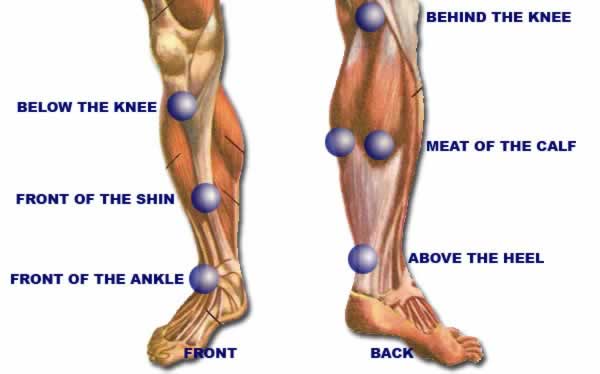
While it’s ultimately up to a healthcare professional to determine the cause of your leg pain, there are some patterns worth paying attention to. True sciatica tends to produce pain that starts in the lower back or deep buttock and travels in a fairly defined path down the back or side of the leg, sometimes reaching the calf or foot. It often follows a dermatomal pattern — meaning it corresponds to the area of skin and muscle supplied by a particular spinal nerve root.
If your leg pain is more diffuse, meaning it doesn’t follow a clear line and seems to shift around, it may be more suggestive of muscle tightness, SI joint dysfunction, or hip pathology. Pain that is primarily in the front of the thigh may point toward the femoral nerve rather than the sciatic nerve — an entirely different structure. If your leg pain worsens significantly with walking but improves quickly with rest, vascular causes should be considered and evaluated by an appropriate provider.
Weakness in the leg or foot — such as difficulty lifting the front of your foot (a condition called foot drop) — can indicate more significant nerve involvement and warrants prompt evaluation. Bladder or bowel changes alongside leg pain are considered red flags and require immediate medical attention, as this could indicate a rare but serious condition called cauda equina syndrome.
|
Condition |
Pain Location |
Key Distinguishing Feature |
Common Triggers |
|---|---|---|---|
|
True Sciatica (disc-related) |
Lower back → buttock → back of leg → foot |
Follows a dermatomal nerve root pattern |
Prolonged sitting, bending forward, coughing/sneezing |
|
Piriformis Syndrome |
Deep buttock → back of thigh |
Pain with hip rotation; no spine involvement on imaging |
Prolonged sitting, running, climbing stairs |
|
SI Joint Dysfunction |
Lower back → buttock → back of thigh |
One-sided low back pain, aggravated by standing on one leg |
Prolonged standing, uneven gait, transitional movements |
|
Peripheral Neuropathy |
Feet and lower legs (both sides) |
Bilateral symptoms; burning, tingling, numbness in feet |
Often worse at night; not position-dependent |
|
Vascular Claudication |
Calves, thighs, or buttocks |
Improves quickly with rest; no neurological signs |
Walking or exertion |
How Chiropractic Care Can Help
Chiropractic care is a well-established conservative approach for musculoskeletal conditions, including sciatica and many of the conditions that mimic it. At Cityview Chiropractic, Dr. Steve Sanders uses a thorough evaluation process to identify the actual source of your leg pain before recommending any course of care. This matters enormously, because the right diagnosis leads to the right treatment — and the wrong assumption can lead to weeks of ineffective care.
For true sciatica caused by disc issues or lumbar nerve compression, chiropractic adjustments aim to restore proper motion and alignment in the lumbar spine. This can help reduce mechanical pressure on the affected nerve root, improve joint mobility, and create a better environment for the body’s natural healing process. Research published in peer-reviewed outlets, including the Spine Journal, has indicated that spinal manipulation can be beneficial for patients with acute and chronic low back pain with radiating leg symptoms.
For piriformis syndrome, care may focus more on soft tissue work, therapeutic stretching guidance, and targeted adjustments to the hip and pelvis. For SI joint dysfunction, chiropractic manipulation of the sacroiliac joint is a commonly used and widely studied approach. One of the genuine strengths of chiropractic care is its ability to be tailored to the individual — what works for one patient may look quite different from what another patient needs, even if their complaints sound similar on the surface.
Dr. Steve Sanders also takes a whole-person approach at Cityview Chiropractic in Fort Worth. That means looking at posture, movement habits, workstation ergonomics, and lifestyle factors that may be contributing to your pain. Addressing these underlying patterns — not just the symptoms — is how lasting improvement becomes possible.
Practical Tips for Managing Leg Pain at Home
While professional evaluation and care are important, there are supportive things you can do at home to manage your discomfort and avoid making things worse. These tips are meant to complement professional care, not replace it.
First, pay attention to your sitting habits. Prolonged sitting is one of the most common aggravating factors for sciatica and related conditions. If you work at a desk, aim to get up and move for a few minutes every 30 to 45 minutes. When you do sit, keep your hips level and your feet flat on the floor. Avoid crossing your legs or sitting on your wallet, as these habits can place asymmetrical pressure on the piriformis and SI joint.
Sleep position also matters. Many people with sciatica find relief sleeping on their side with a pillow between their knees, which helps keep the pelvis and lumbar spine in a more neutral alignment. Sleeping on the stomach is generally discouraged, as it tends to increase lumbar extension and can aggravate nerve compression.
Gentle movement is usually better than complete rest. While it might feel counterintuitive, light walking and gentle movement tend to support recovery better than bed rest for most people with sciatica or related leg pain. The key word is “gentle” — this is not the time to push through intense workouts or heavy lifting.

When to See a Chiropractor
If your leg pain has been present for more than a few days and is not improving on its own, it’s a good idea to get evaluated. This is especially true if the pain is interfering with your sleep, work, or daily activities, or if you’re noticing numbness, tingling, or weakness anywhere in the leg or foot. These neurological symptoms suggest that a nerve is involved and deserve professional attention sooner rather than later.
At Cityview Chiropractic in Fort Worth, Dr. Steve Sanders welcomes patients who aren’t even sure what’s causing their leg pain. You don’t need a prior diagnosis to come in — in fact, getting evaluated before assuming the cause is one of the best things you can do. Many patients arrive convinced they have sciatica and discover the real issue is the SI joint or the piriformis, which changes the treatment approach completely.
There are, however, red flags that indicate a need for immediate medical evaluation rather than chiropractic care. These include sudden loss of bladder or bowel control alongside leg pain, severe progressive weakness in both legs, or leg pain following significant trauma. These situations require emergency evaluation. Dr. Steve Sanders and the team at Cityview Chiropractic will always refer patients to the appropriate provider when a condition falls outside the scope of chiropractic care.
Myths vs. Facts About Sciatica
Myth: Sciatica always comes from a herniated disc.
Fact: While a herniated or bulging disc is a very common cause of sciatic nerve irritation, it is far from the only one. Spinal stenosis, bone spurs, piriformis syndrome, and SI joint dysfunction can all produce identical or near-identical symptoms. Accurate diagnosis requires a proper clinical evaluation, not just an assumption based on symptom description alone.
Myth: If you have sciatica, you need surgery.
Fact: The vast majority of people with sciatica improve with conservative care, including chiropractic, physical therapy, and appropriate activity modification. Surgical intervention is typically reserved for cases where there is severe or progressive neurological deficit, or when conservative measures have been exhausted without meaningful improvement. Many people never need surgery at all.
Myth: Bed rest is the best treatment for sciatica.
Fact: Extended bed rest is generally not recommended for sciatica or most musculoskeletal pain. Evidence from organizations like NICE and the American College of Physicians supports staying as active as tolerable and engaging in gentle movement. Prolonged inactivity can actually slow recovery, weaken supporting muscles, and increase stiffness.
Myth: Sciatica only affects older people.
Fact: While degenerative conditions that contribute to sciatica do become more common with age, sciatica can and does affect people of all ages. Young athletes, desk workers in their 30s, and pregnant women are all groups that commonly experience sciatic nerve irritation. Age alone does not determine susceptibility.
Myth: Once you have sciatica, you’ll always have it.
Fact: Many cases of sciatica resolve significantly or completely with proper care. Outcomes vary depending on the underlying cause, how long symptoms have been present, and individual health factors. Chiropractic care, lifestyle modifications, and appropriate exercise can play an important role in not only managing current symptoms but also reducing the likelihood of recurrence.
Final Thoughts from Cityview Chiropractic
Leg pain — whether it’s true sciatica or something else — is not something you should simply push through and hope goes away on its own. Understanding the actual cause of your pain is the foundation of effective care. Here in Fort Worth, the team at Cityview Chiropractic is dedicated to helping patients get clear answers and find real, lasting relief without relying on medication or surgery as a first resort.
Dr. Steve Sanders believes that every patient deserves a thorough evaluation and a treatment plan designed specifically for them — not a one-size-fits-all approach. Whether you’ve been dealing with leg pain for weeks or it just started recently, reaching out for a professional assessment is one of the most proactive steps you can take for your health. The Fort Worth community deserves to move, live, and feel well — and that’s exactly the goal at Cityview Chiropractic every single day.
Frequently Asked Questions
How do I know if my leg pain is sciatica or something else?
True sciatica typically produces pain that radiates from the lower back or buttock down the back of the leg, often following a defined nerve path. If your pain doesn’t follow this pattern, or if it’s bilateral (both legs), a different cause may be more likely. The most reliable way to know is through a clinical evaluation with a qualified provider like Dr. Steve Sanders at Cityview Chiropractic in Fort Worth.
Can a chiropractor treat sciatica?
Yes — chiropractic care is considered a well-established conservative option for sciatica. Spinal adjustments, soft tissue techniques, and postural guidance can all play a role in relieving nerve irritation and improving function. Evidence suggests that chiropractic care can be effective for both acute and chronic cases of sciatica-related low back and leg pain.
How long does sciatica usually last?
Many cases of acute sciatica improve within a few weeks with appropriate care and activity modification. Chronic or recurring sciatica may take longer to address and often benefits from identifying and correcting underlying contributing factors. The duration depends on the cause, severity, and how early care is initiated.
Is it safe to exercise with sciatica?
Gentle movement and light activity are generally encouraged for most people with sciatica, as prolonged inactivity can worsen stiffness and slow recovery. However, high-impact activities, heavy lifting, and exercises that provoke your symptoms should be avoided until you’ve been evaluated. Dr. Steve Sanders can provide specific guidance based on your individual situation.
What is piriformis syndrome, and how is it different from sciatica?
Piriformis syndrome occurs when the piriformis muscle in the buttock compresses or irritates the sciatic nerve — not a disc or spinal structure. The symptoms can feel nearly identical to disc-related sciatica, but the origin and treatment are different. A thorough physical examination is usually needed to distinguish between the two.
Should I get an MRI if I think I have sciatica?
An MRI can provide valuable information about disc and nerve root involvement, but it isn’t always the first step. Many providers, including chiropractors, begin with a clinical evaluation and conservative care. Imaging is typically recommended when symptoms are severe, progressive, or don’t respond to initial treatment. Dr. Steve Sanders can help guide you on whether imaging is appropriate for your situation.
TL;DR
-
Sciatica refers to symptoms caused by irritation of the sciatic nerve, most often originating in the lumbar spine — but several other conditions can produce nearly identical leg pain.
-
Common sciatica look-alikes include piriformis syndrome, SI joint dysfunction, and peripheral neuropathy — each requiring a different treatment approach.
-
Accurate diagnosis is essential; chiropractic care is a proven conservative option, but the right care depends on finding the right cause first.
-
Gentle movement, smart sitting habits, and supportive sleep positions can all help manage symptoms at home while pursuing professional care.
-
If you’re in the Fort Worth area and dealing with leg pain, Dr. Steve Sanders and the team at Cityview Chiropractic are here to help you get answers and feel better.