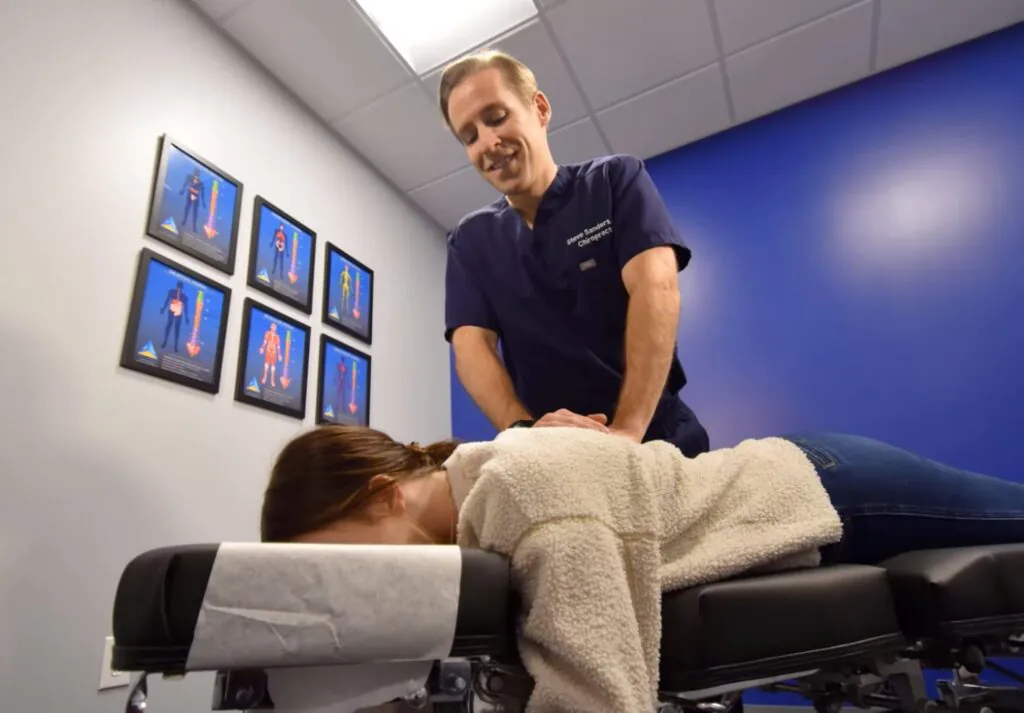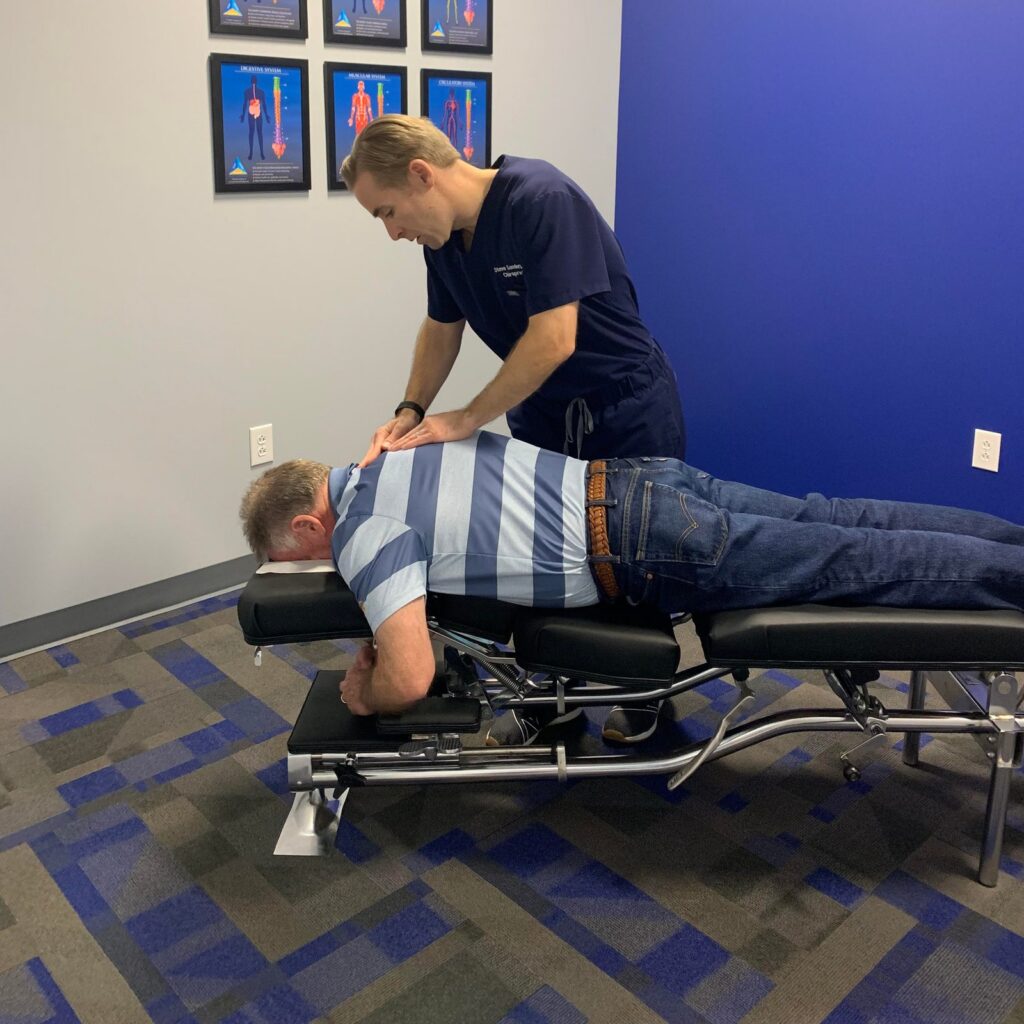
Navigating the world of chronic pain can be daunting, and many of you may find yourselves questioning whether lifestyle changes, holistic therapies, or even technology can genuinely help. As your local chiropractor, I want to assure you that integrating these approaches is not just about seeking temporary relief; it's about redefining your entire approach to pain management for the long term.
In our practice, we focus on sustainable solutions that can empower you to take control of your health. By exploring the benefits of proper diet, regular exercise, and the support of a caring community, you may discover new insights that can reshape your experience with pain. Imagine if these strategies could not only help you cope but also enhance your overall quality of life.
Chiropractic care, combined with these holistic practices, can lead to profound changes in how you feel and function. Let's work together to explore these options and find a personalized plan that suits your needs, allowing you to live your life to the fullest despite chronic pain.
Understanding Chronic Pain
Chronic pain can often seep into your daily life, impacting everything from your routine activities to your emotional health. As a chiropractor, I believe that understanding chronic pain is crucial for effective management and recovery. Unlike acute pain, which serves as a warning sign for injury and typically subsides over time, chronic pain lingers for months or even years. It can arise from various conditions, such as arthritis, fibromyalgia, or nerve damage, and sometimes the root cause can be elusive, making it more challenging to address.
When you experience chronic pain, your nervous system may continue to send pain signals even after any initial injury has healed. This persistent discomfort can heighten your sensitivity, causing normal sensations to feel more intense. You might also notice an increase in mood swings, fatigue, and anxiety as you navigate through this ongoing challenge. This cycle can create a feeling of helplessness, which is why it's essential to understand both the physical and emotional dimensions of your pain.
Your mental state plays a significant role in your perception of pain. For instance, stress and depression can worsen your pain levels, while implementing positive coping strategies may help relieve some of that discomfort. It's important to recognize that your pain is very real and not merely "in your head." By acknowledging this truth, you empower yourself to seek the right support and treatment.
As a chiropractor, I focus on natural healing methods to help you manage chronic pain. Through tailored adjustments and holistic approaches, we aim to restore balance to your body, improve function, and enhance your overall well-being. Understanding the intricacies of your pain allows us to work together towards a healthier, pain-free life.
Holistic Therapies for Relief
As a local chiropractor, I want to share how holistic therapies can play a vital role in managing chronic pain, addressing both the physical and emotional aspects of your condition.
Unlike conventional treatments that often focus solely on symptoms, holistic approaches aim to treat the whole person, fostering a sense of well-being that can significantly improve your quality of life.
One effective therapy that I often recommend is acupuncture. This ancient technique involves the insertion of thin needles into specific points on the body to stimulate energy flow and alleviate pain.
Many of my patients have found that regular acupuncture sessions not only help reduce discomfort but also enhance their overall mood and emotional health.
Mindfulness meditation is another powerful tool in our holistic toolkit. By practicing mindfulness, you can develop a deeper awareness of your body and thoughts, which can be instrumental in managing pain.
This practice promotes relaxation, helping to diminish the tension and stress that often exacerbate pain levels.
Yoga is also a fantastic option that I encourage my patients to explore. This practice integrates physical postures, breathing techniques, and meditation, making it an excellent resource for pain relief.
Regular yoga sessions can enhance flexibility, strength, and mental clarity, all contributing to a reduction in pain.
Additionally, aromatherapy is a wonderful complementary approach. Utilizing essential oils like lavender and eucalyptus can promote relaxation and alleviate anxiety, making it easier for you to cope with chronic pain.
I encourage you to explore these holistic therapies as part of your pain management journey.
Together, we can uncover new pathways to relief and empower you to take control of your health through natural healing.
Lifestyle Changes That Help
As your local chiropractor, I want to emphasize how making simple lifestyle changes can significantly enhance your journey in managing chronic pain. One of the first areas to consider is your diet. By incorporating anti-inflammatory foods—such as fresh fruits, colorful vegetables, whole grains, and healthy fats—you can help reduce inflammation in your body, which may lead to less pain.
I also recommend limiting processed foods, sugars, and excessive salt, as these can often worsen discomfort.
Another crucial component of pain management is regular physical activity. Even light exercises like walking, swimming, or yoga can be incredibly beneficial. These activities not only strengthen your muscles but also improve flexibility and elevate your mood.
I suggest aiming for at least 30 minutes of moderate activity on most days. It's essential to listen to your body and modify your routine to avoid any overexertion.
Sleep is another vital aspect of managing pain effectively. Establishing a consistent sleep schedule—going to bed and waking up at the same time every day—can make a big difference.
Create a calming bedtime routine to help you relax, and ensure that your sleep environment is as comfortable as possible.
Hydration is often overlooked but plays a significant role in overall health. Drinking plenty of water helps maintain your body's functions and can alleviate fatigue, which is frequently linked to chronic pain.
Aim for at least eight glasses a day, adjusting this based on your activity levels and the climate you live in.
Finally, I encourage you to build a supportive social network. Surrounding yourself with friends, family, or support groups who understand your challenges can be incredibly empowering.
Sharing your experiences can help relieve stress and motivate you to stick to these lifestyle changes.
Mindfulness and Meditation Practices
As a local chiropractor, I want to share how mindfulness and meditation can significantly enhance your experience with chronic pain.
These practices promote a sense of calm and heightened awareness, which can be incredibly beneficial in your healing journey.
I'll introduce you to various techniques that are simple to incorporate into your daily routine, making it easier to manage your discomfort.
Let's delve into how these mindfulness practices can become an essential part of your pain management toolkit, complementing the chiropractic care I provide.
Benefits of Mindfulness
As a chiropractor, I want to introduce you to the powerful benefits of incorporating mindfulness and meditation into your approach to managing chronic pain. By focusing on the present moment, you can gain a deeper awareness of your body and its sensations. This mindfulness allows you to recognize pain without allowing it to overwhelm you, leading to a more balanced emotional response to discomfort.
Mindfulness teaches you to observe your thoughts and feelings without judgment, which can significantly reduce the anxiety and stress that often accompany chronic pain. Rather than reacting instinctively to discomfort, you can learn to respond more thoughtfully, thereby regaining a sense of control over your pain experience.
Integrating mindfulness practices into your daily routine can also promote relaxation—a crucial element in alleviating pain. Techniques like mindful breathing and meditation can help release tension in your body, ultimately enhancing your overall well-being. Many of my patients have found that these practices lead to improved sleep, which further supports their pain management efforts.
Beyond just pain relief, the benefits of mindfulness can enrich your life in many ways. By cultivating resilience and fostering a deeper connection to your inner self, you can develop a more positive outlook on life.
Embracing mindfulness alongside chiropractic care can be a transformative tool on your journey toward sustainable pain management and holistic health.
Meditation Techniques Overview
As a local chiropractor, I want to share with you how incorporating mindfulness into your pain management approach can be beneficial. Exploring various meditation techniques can enhance your overall wellness and help you cope better with chronic pain.
Here are four accessible meditation techniques that you can easily integrate into your daily routine:
- Breath Awareness: Take a moment to focus on your breath. Notice each inhale and exhale. This simple practice can ground you in the present moment and help reduce the perception of pain, making it a great complement to chiropractic care.
- Body Scan: Find a comfortable position, either lying down or seated, and mentally scan your body from head to toe. Acknowledge areas of tension or discomfort without judgment. This technique promotes relaxation and can help you become more aware of how your body feels, which is essential in our healing process.
- Guided Imagery: Visualization can be a powerful tool. Picture a serene scene, like a quiet beach or a tranquil forest. Allow yourself to drift into this peaceful mental space, which can help ease stress and tension you may be holding in your body.
- Loving-Kindness Meditation: Cultivating compassion for yourself and others is vital in your healing journey. Silently repeat phrases wishing well-being and happiness to yourself and those around you. This practice can enhance your emotional resilience and help you feel more connected, which is important for overall health.
Incorporating Mindfulness Daily
Integrating mindfulness into your daily routine can significantly enhance your approach to managing chronic pain and stress, especially as you explore chiropractic care and natural healing methods. By dedicating just a few minutes each day to mindfulness practices, you can cultivate greater awareness and acceptance, which may help reduce your perception of pain.
Begin your morning with a simple breathing exercise. Take a moment to focus on your breath as you inhale and exhale, letting any distracting thoughts drift away. This grounding practice can set a positive tone for your day and prepare you for the activities ahead.
Throughout your day, look for opportunities to incorporate mindful moments. Whether you're enjoying a meal, taking a walk, or even doing the dishes, pay close attention to the sensations, sounds, and movements involved. This mindfulness can help you stay present, minimizing anxiety related to your pain and enhancing your overall well-being.
Consider journaling about your experiences as well. Reflecting on your thoughts and emotions can provide valuable insights, helping you identify triggers that may exacerbate your pain.
As you wind down in the evening, set aside time for a short meditation. This practice can promote relaxation and improve your sleep quality, both of which are vital for effective pain management.
By consistently incorporating mindfulness into your routine, you'll build resilience and develop a more compassionate relationship with your body.
Technological Innovations in Care
As a local chiropractor dedicated to educating my patients about natural healing and pain management, I want to share how technological advancements are making it easier for individuals to manage chronic pain effectively.
These innovations not only enhance our understanding of pain but also empower you to take an active role in your health journey.
Here are four key technological innovations that can support your chronic pain management:
1. Wearable Devices: Gadgets such as smartwatches and fitness trackers can be valuable allies. They allow you to monitor your physical activity and vital signs, helping you identify patterns that may contribute to your pain.
Understanding these patterns can inform our chiropractic treatments and lifestyle recommendations.
2. Telehealth Services: With the rise of virtual consultations, connecting with your healthcare provider has never been more convenient.
This means you can consult with me or a pain specialist from the comfort of your home, minimizing the stress of travel and enabling timely support for your pain management needs.
3. Pain Management Apps: There are numerous apps available designed to help you track your pain levels, medication schedules, and emotional well-being.
By utilizing these tools, you can gain insights that foster better communication during our chiropractic sessions, allowing us to tailor your treatment more effectively.
4. Virtual Reality (VR) Therapy: VR technology can be a game-changer in pain management.
By providing immersive experiences, VR can help distract you from pain and facilitate guided relaxation or mindfulness exercises.
Many individuals have reported a decrease in pain perception and an improvement in emotional health after engaging with VR therapy.
At our practice, we embrace these innovative tools to complement the natural healing processes we promote through chiropractic care.
Together, we can develop a comprehensive plan that addresses your unique pain management needs.
Building a Supportive Community
As a local chiropractor, I want to emphasize that while technological innovations are valuable in managing chronic pain, the significance of having a supportive community can't be underestimated. A robust network of individuals who understand your struggles can provide emotional resilience, share their experiences, and offer practical advice that complements your chiropractic care.
I encourage you to explore local support groups or online communities that focus on chronic pain. These platforms provide a space where you can share your journey, learn from others, and access resources that can enhance your well-being. Engaging in these discussions can help validate your feelings and offer fresh perspectives on how to manage your condition. You'll likely find that many individuals face similar issues, which can be incredibly comforting.
Consider getting involved in community events or volunteering for chronic pain awareness initiatives. By giving back, you not only contribute to the well-being of others but also reinforce your own sense of purpose and connection. The relationships formed through shared experiences can lead to lasting friendships that provide ongoing support in your healing journey.
Additionally, don't hesitate to reach out to your friends and family. It's important to educate them about your condition and how chiropractic care can play a role in your recovery. Open lines of communication foster empathy and strengthen your support network, making it easier for you to navigate your path to healing.
Conclusion
As a local chiropractor, I want to share how sustainable solutions for chronic pain management can significantly enhance your journey toward relief and a better quality of life. By exploring holistic therapies, such as chiropractic care, along with lifestyle adjustments and mindfulness practices, you can take control of your pain management in a natural way.
Chiropractic care focuses on aligning your spine and improving your body's overall function, which can help alleviate pain and promote healing. I encourage my patients to adopt healthy habits, such as regular exercise, balanced nutrition, and stress management techniques, all of which can support your body's natural healing process.
Additionally, I want to emphasize the role of technology and community support in your healing journey. Utilizing apps for tracking your progress or connecting with support groups can enhance your experience and provide valuable insights from others who share similar challenges.
By choosing these sustainable approaches, you're not just managing your pain; you're actively participating in creating a healthier, more fulfilling life. Together, we can explore these options and find the right path for your unique needs.