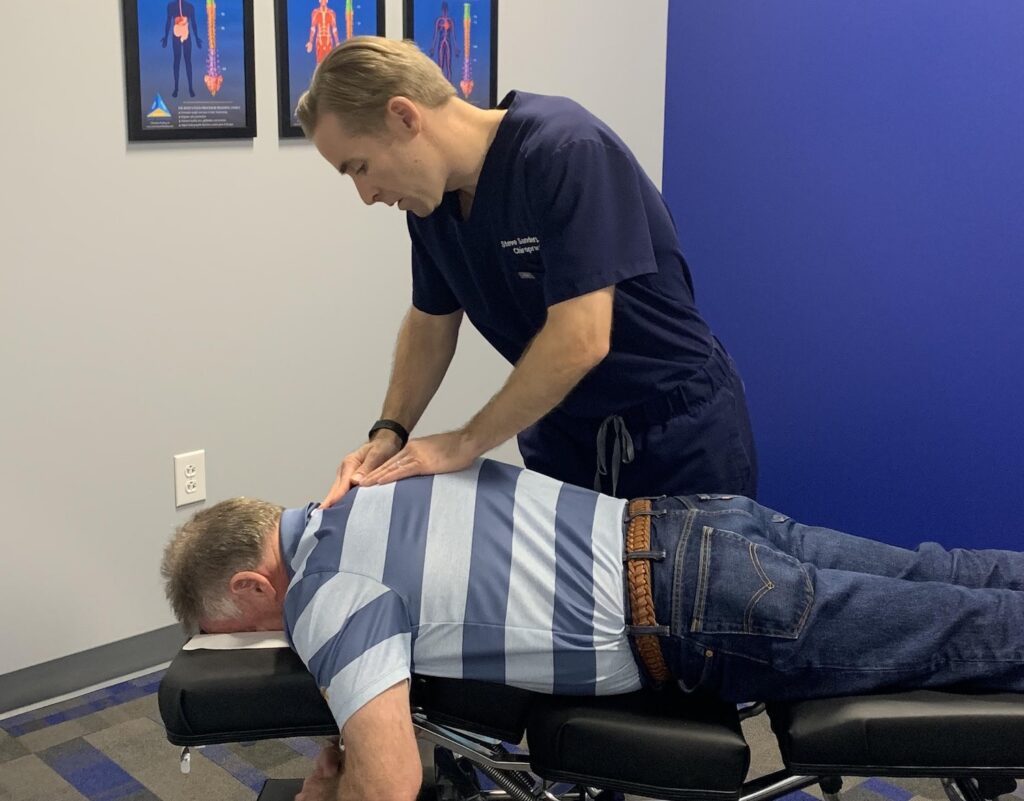
As a local chiropractor, I understand how muscle strain and back pain can affect your daily life. Many of my patients come to me seeking relief, and I’m here to help you navigate this journey towards better comfort and wellness. There are several effective strategies you can incorporate into your routine that can significantly alleviate pain and enhance your overall quality of life.
Let’s explore five practical tips that I often share with my patients. From the importance of stretching to the benefits of maintaining good posture, these simple adjustments can have a profound impact on your well-being. With the right approach, you can take control of your pain and start feeling better. Remember, you don’t have to go through this alone—natural healing through chiropractic care can be a key part of your recovery process.
Stretch Regularly to Improve Flexibility
As a chiropractor dedicated to your health and well-being, I want to emphasize the importance of regular stretching to relieve muscle strain and back pain. Stretching isn’t just about flexibility; it’s a crucial part of maintaining a healthy spine and enhancing your overall physical performance.
Incorporating a variety of stretches into your routine can greatly improve your range of motion and alleviate tightness in your muscles. Pay particular attention to areas that frequently hold tension, such as your lower back, hamstrings, and hips.
I recommend starting with gentle stretches, like the seated forward bend or child’s pose. Aim to hold each stretch for at least 20-30 seconds while taking deep breaths to promote relaxation.
Consistency is key; stretching at least three times a week will yield the best results. Always listen to your body and avoid pushing yourself into pain. As you become more comfortable, gradually increase the intensity of your stretches.
By making stretching a regular part of your routine, you’ll not only ease muscle strain and back pain but also improve your posture. Integrate stretching into your daily life, and you’ll begin to experience the numerous benefits that come with increased flexibility.
Apply Heat or Cold Therapy
As a local chiropractor, I want to share some valuable insights on managing muscle strain and back pain through heat and cold therapy. Understanding how to effectively use these methods can greatly enhance your comfort and promote healing.
– Heat Therapy: Applying heat, such as a heating pad or a warm towel, for 15-20 minutes can be incredibly helpful. This method works by relaxing tight muscles, improving blood circulation, and alleviating stiffness.
I often recommend heat therapy for chronic pain and muscle tension, as it can create a soothing effect that encourages relaxation.
– Cold Therapy: On the other hand, cold therapy is essential for addressing inflammation and sharp pain, especially following an injury. By applying an ice pack wrapped in a cloth for 15-20 minutes, you can numb the affected area and reduce swelling.
This is a crucial step in the initial stages of injury recovery.
– Alternating Methods: In some cases, combining heat and cold therapies can yield the best results. I suggest starting with cold therapy to minimize swelling, followed by heat therapy to facilitate healing and promote relaxation in the muscles.
I encourage you to experiment with both therapies to discover which one provides the most relief for your specific condition.
Always pay attention to your body’s signals, and if you notice any increase in discomfort, it’s important to stop and reassess.
Maintain Proper Posture
As a chiropractor, I want to emphasize the importance of maintaining proper posture in your daily life. Good posture is crucial for preventing muscle strain and back pain because it influences how your body distributes weight and stress on your spine.
When sitting or standing, it’s vital that your ears align with your shoulders, and your shoulders are positioned over your hips. This alignment keeps your spine in a neutral position, helping to reduce unnecessary tension.
When you sit, choose a chair that provides support for your lower back, and keep your feet flat on the floor. If you spend long hours at a desk, make sure to adjust your monitor to eye level to avoid straining your neck.
While standing, try to distribute your weight evenly on both feet and avoid locking your knees.
I encourage you to regularly check in with your body throughout the day. If you notice yourself slouching or feeling discomfort, take a moment to adjust your posture.
Even small changes can significantly impact how you feel, promoting comfort and reducing the risk of pain. Remember, taking care of your posture is a simple yet effective way to support your overall health and well-being.
Stay Active With Low-Impact Exercises
As a local chiropractor, I want to emphasize the importance of staying active for relieving muscle strain and back pain. Low-impact exercises are an excellent way to keep your body moving without putting additional stress on your joints. Incorporating these activities can help strengthen your muscles and improve flexibility, which is essential for managing pain and discomfort.
Here are three effective low-impact exercises I recommend for my patients:
- Walking: This is one of the simplest yet most effective forms of exercise. Begin with short distances and gradually increase both your pace and duration. Walking not only promotes circulation but also helps reduce stiffness in your back.
- Swimming: The buoyancy of water significantly lessens the strain on your joints while allowing for a comprehensive full-body workout. Swimming is invigorating and particularly beneficial for those dealing with back issues, as it helps to build strength without the impact.
- Yoga: Engaging in gentle stretches and poses can greatly enhance your flexibility and promote relaxation. Yoga also plays a role in improving posture over time, which is crucial for maintaining spinal health.
Incorporating these low-impact exercises into your daily routine can greatly enhance your overall well-being and support the chiropractic care you receive.
Consider Professional Treatment Options
As a local chiropractor, I understand that many individuals suffering from muscle strain and back pain often turn to low-impact exercises in hopes of finding relief. While these exercises can be beneficial, they may not always address the root causes of your discomfort.
If you’ve tried self-care methods without success, it might be time to explore professional treatment options, specifically chiropractic care. Chiropractic care focuses on the relationship between the spine and the nervous system, and I can help assess your condition to identify any misalignments or issues that may be contributing to your pain.
Through spinal manipulation and other techniques, I aim to realign your spine, which can significantly alleviate pain and improve overall function. Additionally, I often incorporate stretches and strengthening exercises tailored specifically to your needs, enhancing your flexibility and providing the support your spine requires.
It’s important to remember that chiropractic care isn’t just about pain relief; it’s about promoting holistic healing and restoring balance to your body. For those who may benefit from it, massage therapy can also complement chiropractic treatments.
This approach can help release tight muscles and encourage relaxation, further enhancing your recovery process. If your pain persists despite these methods, I encourage you to consult with a medical professional.
Together, we can explore any underlying conditions that may be contributing to your discomfort and discuss potential medications or advanced treatments if necessary. Seeking help is a proactive step toward recovery, and my goal is to help you return to your daily activities feeling pain-free and stronger than ever.
Conclusion
As a local chiropractor dedicated to helping you understand the benefits of natural healing, I want to share five effective tips for relieving muscle strain and back pain that can be easily integrated into your daily routine.
First, regular stretching is crucial for enhancing your flexibility and promoting overall spinal health. Incorporating gentle stretches can alleviate tension and improve your mobility.
Second, consider using heat or cold therapy. Applying a warm compress or ice pack can provide soothing relief for sore muscles and reduce inflammation, making it an essential part of your recovery process.
Maintaining proper posture is also key. Being mindful of how you sit, stand, and move can prevent future discomfort and protect your spine from undue stress.
Staying active with low-impact exercises is another important aspect of healing. Activities like walking, swimming, or yoga can help keep your body strong and support the healing process.
Lastly, if you find that your pain persists despite these efforts, I encourage you to seek professional treatment. Chiropractic care can address underlying issues and provide tailored solutions for your specific needs.
By adopting these strategies, you’ll not only enhance your comfort but also improve your overall well-being. Remember, your journey to better health is a collaborative effort, and I’m here to support you every step of the way.