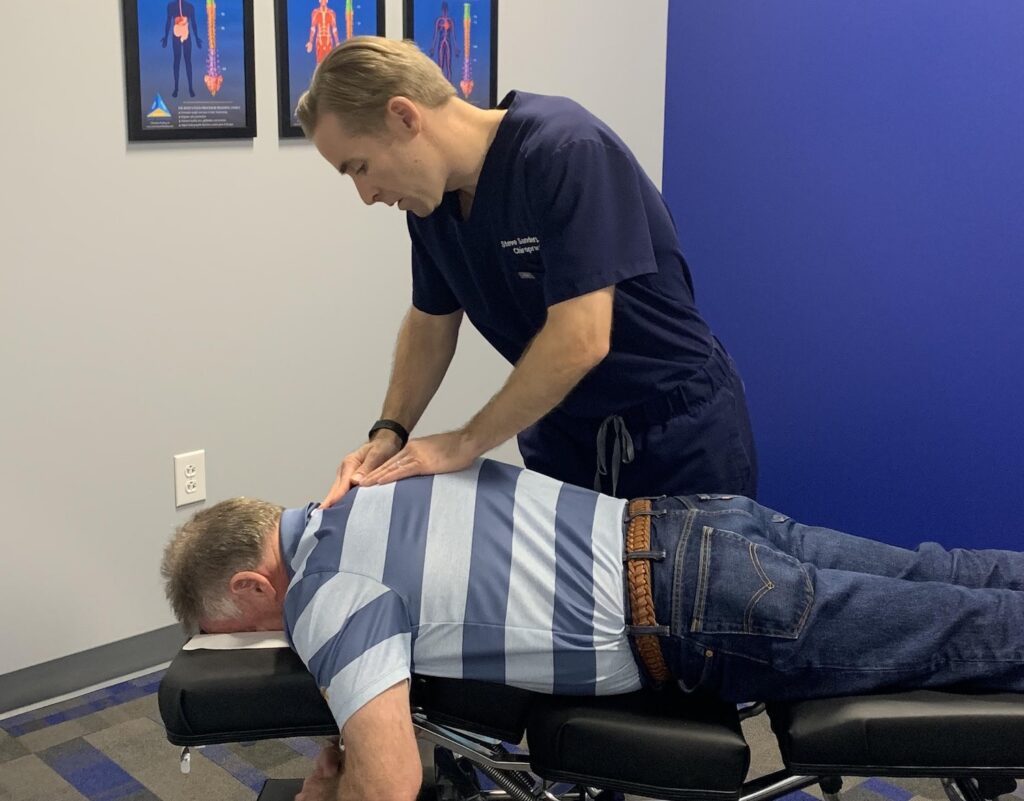
As a local chiropractor, I want to assure you that if you’re dealing with lower back pain, you’re not alone in this struggle. Many individuals experience this discomfort, and I understand that the quest for relief can often feel daunting. However, I believe that with a few targeted techniques implemented over the next 30 days, we can work together to make a significant improvement in your condition.
Chiropractic care focuses on natural healing and emphasizes the importance of aligning the spine and supporting overall wellness. Simple stretches, ergonomic adjustments, and lifestyle modifications are just a few strategies we can incorporate to help you regain mobility and comfort in your daily life.
So, where should we begin? In our practice, we focus on educating our patients about their bodies and how they can take proactive steps towards recovery. Let’s discuss some essential steps you can take to start your journey towards relief and better health. Together, we can pave the way to a pain-free life!
Understanding Lower Back Pain
Lower back pain can feel like an unwelcome burden, impacting your daily life and activities. As a chiropractor, I see patients who often experience discomfort due to various causes, including muscle strain, herniated discs, or improper lifting techniques.
It’s crucial to identify the source of your pain for effective relief. Whether it arises from acute injuries or develops gradually due to repetitive stress, understanding your pain is the first step towards healing.
By paying attention to when your pain occurs and which activities make it worse, you can start to recognize potential triggers and avoid them. It’s also important to consider lifestyle factors, such as inactivity or obesity, which can contribute to lower back pain.
Consulting with a chiropractor can provide you with personalized insights into your condition. We focus on natural healing methods and can guide you through various treatment options, including spinal adjustments, physical therapy, and lifestyle modifications.
Importance of Proper Posture
As a local chiropractor, I want to emphasize how crucial proper posture is for your overall health and well-being. Maintaining good posture can significantly reduce the risk of developing lower back pain and other musculoskeletal problems.
When you align your spine correctly, you help distribute your body weight evenly, which minimizes the strain on your muscles and ligaments.
Whether you’re sitting at a desk, standing in line, or walking around, remember to keep your shoulders back and your head aligned over your spine. This simple adjustment can yield remarkable benefits for your body’s health.
In your workspace, ensure that your chair offers adequate support for your lower back, and that your feet are flat on the ground. When you’re standing, try to distribute your weight evenly between both feet and avoid locking your knees.
Being mindful of your posture throughout the day fosters good habits that protect your back and promote overall wellness.
If you ever have questions about how to improve your posture or its impact on your health, don’t hesitate to reach out. Together, we can work towards a healthier, pain-free lifestyle!
Effective Stretching Techniques
As your local chiropractor, I want to share some effective stretching techniques that can be a game-changer in managing lower back pain. Incorporating these stretches into your daily routine can promote healing and enhance your overall well-being.
Let’s begin with the cat-cow stretch, a fantastic way to enhance the flexibility of your spine. Position yourself on all fours; arch your back upwards like a cat, then gently lower it while lifting your head and tailbone. Hold each position for a few deep breaths to fully benefit from the stretch.
Next, consider trying the child’s pose. Kneel down, sit back on your heels, and stretch your arms forward while lowering your forehead to the ground. This gentle pose is particularly effective for stretching your lower back.
Another beneficial stretch is the knee-to-chest stretch. While lying on your back, pull one knee toward your chest and hold it there for 20-30 seconds. Then, switch legs and repeat. This stretch not only eases tension in the lower back but also encourages blood flow to your muscles.
These stretches are designed to relieve tension, promote flexibility, and improve blood circulation in your back muscles. To achieve the best results, aim to stretch daily and always listen to your body to prevent any strain.
Strengthening Exercises for Core Support
As your local chiropractor, I want to emphasize the importance of strengthening your core to support your lower back and maintain overall spinal health. A strong core not only stabilizes your spine but also plays a crucial role in preventing pain and discomfort.
Let’s start with planks. This exercise involves holding a straight body position for 20-30 seconds, and as you build strength, you can gradually increase the duration. Planks are excellent for engaging multiple core muscles.
Next up, side planks are fantastic for targeting your obliques, which help enhance your lateral stability. This is vital for maintaining balance and proper posture throughout your daily activities.
Bridges are another essential exercise. When lying on your back, lift your hips while keeping your feet flat on the ground. This movement activates your glutes and lower back, providing crucial support for your spine.
I also recommend incorporating bird-dogs into your routine. This exercise requires you to balance on all fours while extending opposite arms and legs. It’s a wonderful way to improve coordination and overall stability.
Lastly, consider adding pelvic tilts to your regimen. These are simple yet very effective for engaging your core muscles. Strengthening your core not only alleviates pain but also enhances your posture and functionality in everyday life.
I encourage you to aim for several sets of these exercises a few times a week. By doing so, you’ll build a solid foundation for your back health and improve your overall well-being.
The Role of Heat and Cold Therapy
As a local chiropractor dedicated to helping you find relief from lower back pain, I want to share some effective methods that can be beneficial in your healing journey—heat and cold therapy.
Applying heat is a fantastic way to ease tight muscles and enhance blood circulation in your back. You might consider using a heating pad, a warm towel, or even indulging in a comforting warm bath.
However, it’s important to be mindful of the duration of heat application, as excessive heat can cause burns or exacerbate inflammation.
Conversely, cold therapy is incredibly effective for reducing swelling and numbing sharp pain. Simple options like ice packs or a bag of frozen vegetables wrapped in a towel can work wonders.
I recommend applying cold therapy for about 15-20 minutes at a time, allowing your skin to return to its normal temperature between sessions. This practice helps manage pain and promotes healing, making it a valuable addition to your self-care routine.
Incorporating these therapies can complement your chiropractic treatments and support your overall wellness.
If you have any questions or need personalized advice, please feel free to reach out during your next visit!
Mindfulness and Stress Relief Practices
Managing lower back pain can be a significant physical challenge, but I want to share how incorporating mindfulness and stress relief practices can enhance your overall well-being.
As a chiropractor, I often see how mindfulness can help patients focus on the present moment, which is crucial for reducing anxiety and tension that can exacerbate pain.
Simple techniques, such as deep breathing exercises and meditation, can ground you and help release stress, ultimately improving your pain tolerance. I recommend trying these practices alongside your chiropractic care for optimal results.
Integrating gentle activities like yoga or tai chi into your daily routine can also be beneficial. Not only do these exercises promote relaxation, but they also strengthen your core muscles, which are essential for supporting your lower back.
Mindful movement in these practices heightens your awareness of your body and its limitations, helping to prevent further strain and injury.
I encourage you to set aside a few minutes each day for gratitude or visualization exercises. These techniques can shift your mindset, fostering resilience against discomfort and enhancing your healing journey.
Ergonomic Adjustments for Your Workspace
As a local chiropractor, I want to share some important tips to help alleviate your lower back pain through ergonomic adjustments in your workspace.
One of the first steps is to adjust your chair height so that your feet can rest flat on the floor. This simple change can greatly reduce strain on your back.
Additionally, positioning your monitor at eye level is crucial; it helps prevent slouching, which can lead to further discomfort.
By taking the time to optimize your desk arrangement, you’re not just creating a more comfortable environment, but you’re also supporting your back health.
Remember, your workspace plays a significant role in your overall well-being, and making these adjustments can contribute to a healthier spine and a more productive day.
If you have any questions or need personalized advice, feel free to reach out to me for guidance!
Chair Height Optimization
As a local chiropractor, I want to share some important tips on how to optimize your chair height for maximum comfort and support. It’s essential for your overall well-being, especially if you spend long hours sitting.
First, ensure your feet are flat on the ground. Your knees should ideally be bent at about a 90-degree angle. If your chair is too high, consider using a footrest to give your feet the support they need. This adjustment helps maintain proper blood circulation in your legs.
Next, focus on your thighs; they should be parallel to the floor. This position not only promotes circulation but also helps alleviate pressure on your lower back.
I can’t emphasize enough how important it’s to adjust your armrests as well. They should be positioned so that your shoulders can remain relaxed and your elbows rest comfortably at your sides. This alignment plays a crucial role in reducing strain on your back and preventing slouching.
Lastly, it’s vital to remember the importance of taking breaks and changing positions throughout the day. Incorporating movement can greatly enhance your workspace ergonomics, leading to improved comfort and significantly reducing your risk of experiencing back pain.
Monitor Positioning Guidelines
As a chiropractor, I want to emphasize the importance of proper monitor positioning to help you maintain a healthy posture and prevent discomfort in your neck and shoulders.
When setting up your workspace, start by ensuring your monitor is at eye level. This positioning prevents unnecessary tilting of your head, which can lead to strain over time. Ideally, the top of your monitor should be at or just below your eye level.
It’s also crucial to sit at an arm’s length distance from your screen. This distance helps reduce eye strain and keeps you comfortable throughout your day.
To further enhance your viewing experience, tilt the monitor slightly back—approximately 10 to 20 degrees—to reduce glare and improve comfort.
Don’t forget to adjust the brightness and contrast of your screen to match your environment. Bright screens can cause eye fatigue, so finding the right balance is key.
Lastly, make sure your monitor is centered directly in front of you. This alignment supports better posture and aids in maintaining spinal health.
Incorporating these simple adjustments can significantly improve your overall comfort and productivity, ultimately contributing to a healthier lifestyle.
Desk Arrangement Tips
As a chiropractor, I want to emphasize that while it’s easy to get caught up in the technicalities of your monitor setup, the way you arrange your desk is crucial for your overall ergonomic health.
Start by ensuring your chair is at the correct height—this means your feet should be flat on the floor or on a footrest. Aim for your knees to be at a 90-degree angle, with your thighs parallel to the ground.
When you’re typing, keep your keyboard close enough so that your elbows stay comfortably at your sides. It’s also important to have your mouse positioned right next to your keyboard to avoid unnecessary reaching, which can lead to strain.
Make it a habit to organize your desk so that frequently used items are easily accessible within arm’s reach. This simple step can help prevent awkward postures that might contribute to discomfort.
Lastly, consider investing in a lumbar support cushion for your chair—this can provide additional support for your lower back and promote better spinal alignment.
These small adjustments may seem minor, but they can significantly reduce discomfort and help maintain your well-being during those long hours spent at your desk.
Nutrition’s Impact on Inflammation
As your local chiropractor, I want to emphasize the important role nutrition plays in managing inflammation, particularly when it comes to lower back pain.
Many of my patients are surprised to learn that what you eat can significantly impact your discomfort and healing process. By incorporating anti-inflammatory foods into your diet and ensuring you stay well-hydrated, you can actively help reduce pain and promote recovery.
Let’s dive into how these nutritional choices can enhance your overall well-being and support the chiropractic care we provide.
Together, we can create a holistic approach to your health that encompasses both chiropractic adjustments and mindful eating habits. Taking these steps can make a notable difference in your journey towards less pain and improved health.
Anti-inflammatory Foods Overview
As a chiropractor, I want to share how incorporating anti-inflammatory foods into your diet can play a significant role in managing lower back pain. Many patients may not realize that what you eat can impact your recovery and overall wellness.
Including foods rich in omega-3 fatty acids, such as salmon and walnuts, can be particularly beneficial. These foods are known for their inflammation-fighting properties.
Additionally, consider adding fruits and vegetables like berries, spinach, and kale to your meals. They’re packed with antioxidants that help protect your body from oxidative stress, which can worsen pain and discomfort.
Whole grains, such as brown rice and quinoa, are also great options. They help lower your body’s inflammatory response, which can contribute to better mobility and less pain.
Don’t overlook the power of spices either! Turmeric and ginger not only enhance the flavor of your dishes but also offer significant anti-inflammatory benefits.
By focusing on these nutrient-dense foods, you can support your recovery from lower back pain and improve your overall well-being.
Hydration and Inflammation Effects
As a local chiropractor, I want to highlight the crucial role hydration plays in managing inflammation, which can significantly affect your overall health and well-being.
When your body is properly hydrated, it can effectively flush out toxins and maintain optimal function. This is especially important for your joints, as adequate hydration helps keep them lubricated, reducing stiffness and discomfort that can lead to lower back pain.
Water is essential not only for joint health but also for supporting the transport of nutrients throughout your body. This ensures that your muscles and tissues receive the nourishment they need to recover from inflammation.
To promote optimal hydration, I recommend aiming for at least eight 8-ounce glasses of water daily. However, you may need to adjust this amount based on your activity levels and the climate you live in.
Additionally, incorporating hydrating foods like fruits and vegetables into your diet can further enhance your hydration levels.
It’s important to remember that dehydration can exacerbate inflammation in your body. Therefore, I encourage you to listen to your body’s signals and drink water consistently throughout the day.
When to Seek Professional Help
As a local chiropractor, I want to emphasize the importance of understanding when to seek professional help for lower back pain. While many cases can be managed at home, recognizing specific symptoms can significantly impact your health and well-being.
If you find yourself experiencing any of the following, I encourage you to reach out for a consultation:
- Persistent Pain: If your lower back pain continues beyond a few weeks or begins to intensify, it’s a signal that your body may need professional assessment. Chiropractic care can help identify the root cause of your discomfort.
- Numbness or Tingling: Any unusual sensations in your legs or feet, such as numbness or tingling, could indicate nerve involvement. A chiropractor can evaluate your condition and provide treatments that may relieve these symptoms.
- Loss of Bladder or Bowel Control: This is a serious symptom that requires immediate attention. It can be associated with underlying conditions that may need urgent care, and a chiropractor can guide you in the right direction.
- Severe Injury: If your pain arises from an accident or physical trauma, it’s crucial to get evaluated. Chiropractic assessments can help determine the extent of your injury and develop a tailored treatment plan to assist in your recovery.
By addressing these signs early on, you can prevent further complications and discover effective, natural relief.
Your health is paramount, so don’t hesitate to seek the assistance you deserve. Together, we can work to restore your well-being through personalized chiropractic care.
Creating a Sustainable Pain Management Plan
As a local chiropractor, I believe that creating a sustainable pain management plan is crucial for anyone grappling with lower back pain. This approach empowers you to take charge of your health and well-being. The first step is to identify your pain triggers and patterns—understanding what exacerbates or alleviates your discomfort is essential in shaping an effective strategy.
Incorporating a variety of treatments can be highly beneficial. Chiropractic adjustments can help realign your spine and improve mobility, while physical therapy and specialized stretching exercises enhance flexibility and strength. Additionally, mindfulness practices like meditation can play a significant role in managing pain and stress.
I encourage you to set realistic recovery goals and consistently track your progress; this will provide motivation and insight into what works for you.
Establishing a daily routine is vital. This should include exercises focused on strengthening your core and enhancing flexibility, all while allowing for necessary rest and recovery. Remember, self-care is paramount—prioritizing adequate sleep, a balanced diet, and proper hydration can significantly impact your pain management journey.
I recommend collaborating closely with healthcare professionals like myself, who can develop a personalized plan tailored to your specific needs and circumstances. It’s also important to remain adaptable; your pain management plan may require adjustments as your situation evolves.
Consistency in your efforts, along with the flexibility to make changes as needed, will be essential as you navigate your path to relief and an improved quality of life. Together, we can work towards a more comfortable and healthier you.
Conclusion
As a local chiropractor, I want to share with you some effective techniques that can significantly alleviate your lower back pain in just 30 days. By incorporating these strategies into your daily routine, you can promote healing and enhance your overall well-being.
Start by focusing on gentle stretching exercises, which can help increase flexibility and reduce tension in your back muscles. Additionally, strengthening your core is crucial, as a strong core supports your spine and can prevent further pain.
Ergonomic adjustments in your workspace and home environment can also make a big difference. Simple changes, like using supportive chairs or adjusting your desk height, can help improve your posture and reduce strain on your back.
Don’t underestimate the power of heat and cold therapy. Applying heat can soothe tight muscles, while cold therapy can reduce inflammation. Furthermore, maintaining a nutritious diet rich in anti-inflammatory foods can support your body’s healing process.
Consistency is key. I encourage you to be mindful of your body and your movements throughout the day. If your pain persists despite these efforts, please don’t hesitate to reach out for professional help. Chiropractic care can provide tailored treatments to address your specific needs. Your journey to relief begins with understanding and taking proactive steps towards a healthier back!