When you face mobility challenges, understanding the role of expert care can be transformative. You might not realize how tailored assessments and personalized rehabilitation can greatly impact your daily life. Qualified professionals utilize innovative techniques and technology to address your specific needs, guiding you toward greater independence. But what does this all-encompassing approach really look like, and how can it change your experience? The answers might surprise you, as they reveal a pathway to improved mobility and quality of life that you could explore further.
Understanding Mobility Challenges
When you think about mobility challenges, it's clear that these issues can arise at any stage of life. Whether you're dealing with an injury, a chronic condition, or simply the natural aging process, mobility can become a major concern. You might find it difficult to perform daily activities that once felt effortless, like climbing stairs, walking long distances, or even getting in and out of a car.
Understanding the underlying factors is vital. For instance, muscle weakness, joint pain, or neurological disorders can all contribute to reduced mobility. It's important to recognize that these challenges often stem from a combination of physical and sometimes psychological factors.
You might also notice that your mobility issues can affect your mood, leading to feelings of frustration or isolation.
Additionally, environmental factors play a role. Uneven surfaces, lack of accessibility features, or poorly designed spaces can exacerbate mobility challenges. You might find yourself avoiding certain locations or activities simply because they pose a risk to your safety or comfort.
Awareness of these challenges is the first step towards addressing them. You can take proactive measures, such as seeking appropriate assessments, engaging in exercises tailored to your needs, or modifying your environment to enhance safety and accessibility.
Importance of Expert Care
In today's fast-paced world, having access to expert care is vital for managing mobility challenges effectively. When you face difficulties in movement, it can impact every aspect of your life—from daily tasks to social interactions. Expert care offers tailored solutions that address your specific needs, ensuring you regain confidence and independence.
Qualified professionals provide thorough assessments to identify the root causes of your mobility issues. They understand that each person's situation is unique, so they develop personalized treatment plans. This approach not only targets your immediate concerns but also focuses on long-term improvement, helping you achieve your mobility goals.
By engaging with expert care, you'll benefit from advanced techniques and therapies that can enhance your physical capabilities. Whether it's physical therapy, occupational therapy, or assistive technology, these specialists possess the knowledge and skills to guide you through your recovery journey.
They keep you informed about the latest advancements in mobility aids and therapeutic exercises, empowering you to make informed decisions about your care.
Moreover, regular consultations with experts can help monitor your progress and adjust your treatment plan as needed. This ongoing support is essential for adapting to changes in your condition and maintaining ideal mobility.
Ultimately, investing in expert care means investing in your quality of life. You deserve the best support available to navigate your mobility challenges, and expert care can make all the difference in achieving a more active, fulfilling life.
Types of Mobility Limitations
Mobility limitations can take various forms, impacting your ability to move freely and perform daily activities. Recognizing these types can help you understand your situation better and seek appropriate care.
One common type is reduced range of motion, which may occur due to joint stiffness or injury. You might find it difficult to lift your arms or bend your knees, making tasks like reaching for objects or climbing stairs challenging.
Another type is weakness in your muscles, which can stem from conditions such as arthritis or prolonged inactivity. This weakness can make walking or standing for extended periods exhausting.
Balance issues also fall under mobility limitations. If you often feel unsteady or experience frequent falls, it's essential to assess your balance capabilities. These challenges can arise from problems with your inner ear, vision, or even certain medications.
Additionally, some individuals face limitations due to pain, which can deter movement. Chronic pain conditions, like fibromyalgia, can make even simple tasks feel burdensome. Fear of pain can also lead to avoidance behaviors, further complicating mobility.
Lastly, neurological conditions, such as Parkinson's disease or multiple sclerosis, can lead to significant mobility challenges. These conditions may affect coordination, speed, and overall movement efficiency.
Understanding the types of mobility limitations you face is the first step toward improving your situation. By identifying the specific challenges, you'll be better equipped to seek targeted solutions and regain your mobility.
Personalized Rehabilitation Programs
Tailored to your unique needs, personalized rehabilitation programs can greatly enhance your recovery journey. These programs focus on your specific mobility limitations, goals, and lifestyle, ensuring that every aspect of your rehabilitation is relevant and effective. By working closely with healthcare professionals, you'll be able to create a plan that addresses your strengths and weaknesses, ultimately paving the way for improved mobility.
When you engage in a personalized program, you'll receive one-on-one attention and guidance. This means that your therapist can closely monitor your progress, adjusting exercises and techniques as needed. You'll learn which activities are most beneficial for you, whether it's strengthening specific muscle groups, improving flexibility, or enhancing your balance. This targeted approach not only accelerates recovery but also boosts your confidence in your abilities.
Additionally, personalized rehabilitation programs often incorporate your interests and daily routines into the regimen. By integrating familiar activities, you'll find it easier to stay motivated and committed to your recovery.
Whether it's walking, swimming, or participating in group classes, these elements make your program enjoyable and sustainable.
Innovative Treatment Techniques
When it comes to improving your mobility, innovative treatment techniques are game-changers.
You'll benefit from cutting-edge therapies, personalized rehabilitation plans, and advanced diagnostic tools that cater to your specific needs.
These approaches not only enhance your recovery but also empower you to regain your independence.
Cutting-edge Therapies
As advancements in medical science continue to reshape treatment landscapes, cutting-edge therapies are revolutionizing the way you approach rehabilitation. These innovative techniques harness the latest technology and scientific discoveries to enhance your recovery process.
Whether you're dealing with chronic pain, injury, or mobility issues, these therapies can offer new hope.
One standout method is regenerative medicine, which uses your body's own healing capabilities to repair damaged tissues. Techniques like stem cell therapy and platelet-rich plasma (PRP) injections are gaining traction, showing promising results in accelerating healing and reducing inflammation.
Additionally, virtual reality and biofeedback therapy are emerging as effective tools, creating immersive environments that help you regain mobility and strength while providing real-time feedback to track your progress.
Another exciting development is neuromuscular electrical stimulation, which activates muscle contractions through electrical impulses. This therapy can improve muscle function, enhance circulation, and even reduce spasticity.
Personalized Rehabilitation Plans
Every individual's journey to recovery is unique, which is why personalized rehabilitation plans are essential for effective treatment.
These tailored plans focus on your specific needs, goals, and progress, guaranteeing a more efficient path to recovery. By utilizing innovative treatment techniques, you can regain mobility and strength in a way that suits you best.
Here's what you can expect from a personalized rehabilitation plan:
- Assessment of Needs: Your healthcare provider will evaluate your condition, lifestyle, and personal goals to create a customized approach.
- Targeted Exercises: The plan will include exercises designed to address your specific weaknesses and improve your range of motion.
- Regular Progress Checks: Frequent evaluations help track your improvement and make necessary adjustments to your plan.
- Holistic Approach: A focus on both physical and emotional well-being guarantees you're not just recovering physically but also mentally.
Advanced Diagnostic Tools
Advanced diagnostic tools are revolutionizing the way healthcare providers assess and treat mobility issues. These innovative technologies allow you to receive a more accurate and thorough evaluation of your condition.
With tools like advanced imaging, motion analysis, and gait assessment systems, your healthcare team can pinpoint the exact causes of your mobility challenges.
For instance, 3D motion capture technology analyzes your movement patterns in real-time, identifying subtle deficiencies or imbalances. This data helps create tailored treatment plans that address your specific needs.
Additionally, wearable sensors can track your progress over time, giving you and your provider valuable insights into how well treatments are working.
Furthermore, these diagnostic tools facilitate early detection of potential problems, allowing for preventative measures to be put in place before issues escalate.
As a result, you gain access to targeted therapies that can enhance your recovery and improve your overall mobility.
Role of Physical Therapy
Physical therapy plays an essential role in enhancing mobility and overall well-being. When you're recovering from an injury, surgery, or dealing with a chronic condition, physical therapy can provide the support you need to regain strength and function.
By working closely with a skilled therapist, you can develop a personalized treatment plan that addresses your specific needs and goals.
Here are four key aspects of physical therapy that contribute to improved mobility:
- Assessment and Diagnosis: Your physical therapist will evaluate your condition and identify any limitations or weaknesses. This assessment helps in creating a tailored treatment plan that targets your specific issues.
- Strengthening Exercises: A significant part of physical therapy involves exercises designed to strengthen muscles and improve flexibility. These exercises help you regain control over your movements and prevent future injuries.
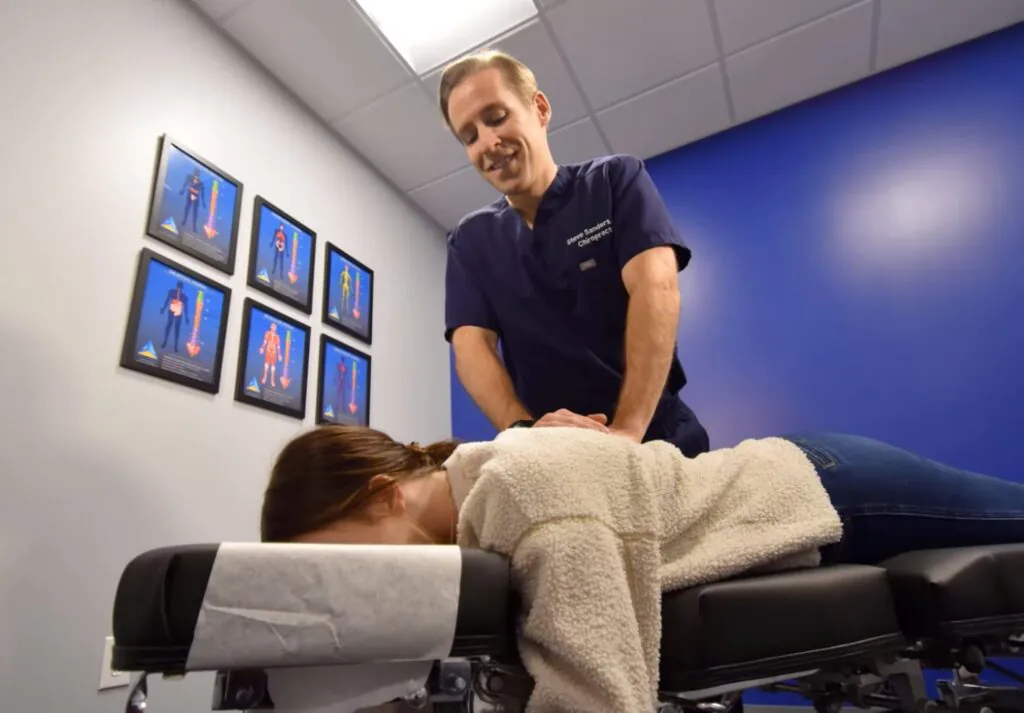
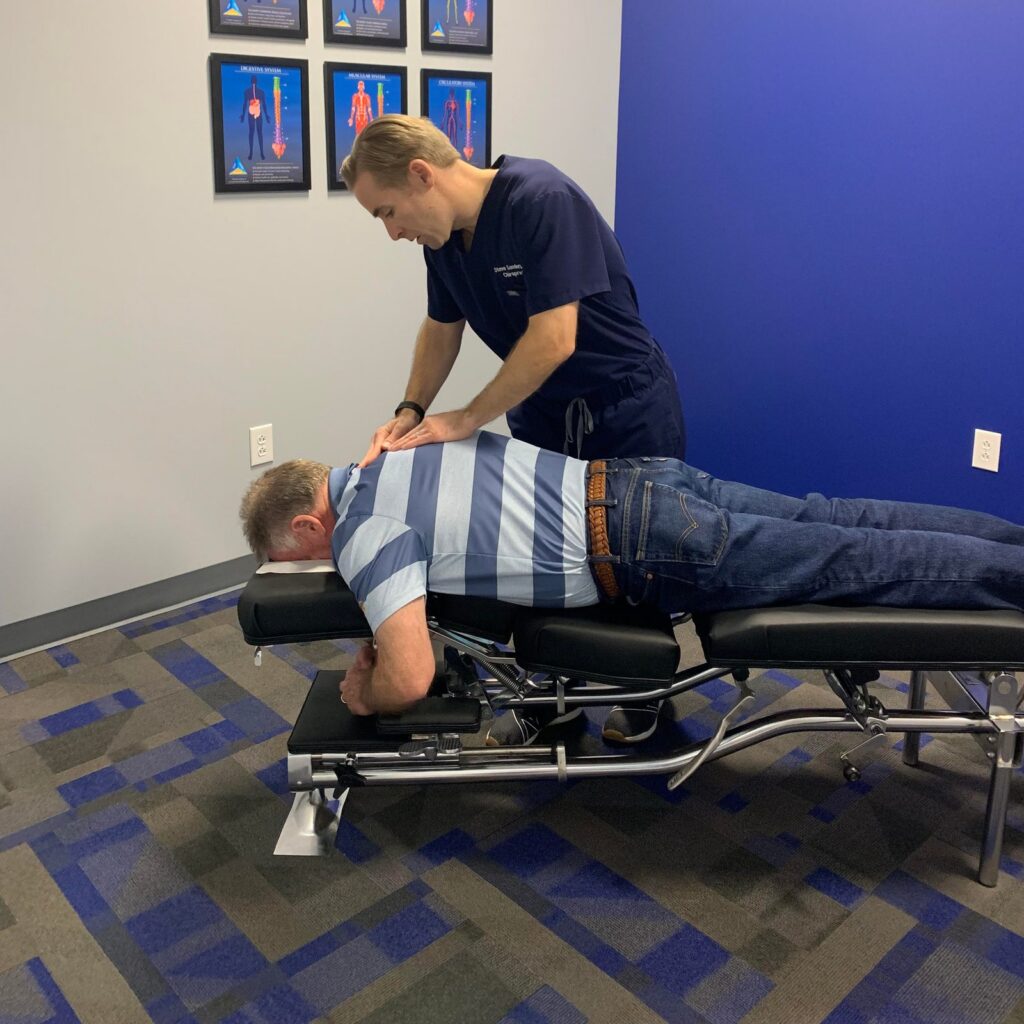
- Manual Therapy: Techniques such as massage, joint mobilization, and manipulation can alleviate pain and improve range of motion. Your therapist may use these hands-on methods to help you feel more comfortable and mobile.
- Education and Prevention: Your therapist will teach you proper body mechanics and techniques to prevent injuries in the future. Understanding how to move safely and effectively is vital for maintaining your mobility long-term.
Benefits of Occupational Therapy
Occupational therapy can greatly enhance your daily functionality by addressing your unique needs and goals.
With personalized treatment plans, you'll receive tailored strategies that empower you to engage in activities that matter most to you.
Let's explore how this specialized care can make a real difference in your life.
Improved Daily Functionality
Enhancing your daily functionality can greatly improve your quality of life, and that's where occupational therapy shines. This specialized care focuses on helping you regain independence in your everyday activities, allowing you to live life to its fullest.
Here are some key benefits of occupational therapy that can boost your daily functionality:
- Skill Development: You'll learn and practice essential skills tailored to your needs, enhancing your ability to perform daily tasks.
- Adaptive Techniques: Therapists will teach you strategies to manage challenges, ensuring you can navigate your environment with confidence.
- Increased Confidence: As you progress, you'll feel more self-assured in your abilities, helping to reduce anxiety associated with daily activities.
- Holistic Approach: Occupational therapy addresses not just the physical aspects, but also your emotional and social well-being, leading to a more balanced lifestyle.
Personalized Treatment Plans
Personalized treatment plans are the cornerstone of effective occupational therapy, ensuring that your unique needs and goals are at the forefront of your care.
When you begin your therapy journey, a skilled occupational therapist will assess your abilities, challenges, and aspirations. They'll collaborate with you to create a tailored plan that addresses your specific conditions, whether it's recovering from an injury, managing a chronic illness, or adapting to a new life circumstance.
These plans focus on the activities that matter most to you, integrating your interests and daily routines. This approach not only boosts your motivation but also enhances your engagement in the recovery process.
You'll learn practical skills and strategies to overcome barriers, making it easier to navigate daily life with confidence.
Integrating Technology in Care
Technology is increasingly transforming the way care is delivered, making it more efficient and accessible for everyone involved. By integrating technology into your care, you can experience improved communication, better tracking of health metrics, and enhanced overall outcomes.
Here's how technology can elevate your care experience:
- Telehealth Services: You can consult with healthcare professionals from the comfort of your home. This eliminates travel time and makes it easier to access specialists who may not be locally available.
- Wearable Devices: These gadgets, like fitness trackers and smartwatches, allow you to monitor essential signs and activity levels in real-time. They provide valuable data that can help your healthcare team make informed decisions about your treatment.
- Patient Portals: Many healthcare providers offer online portals where you can access your medical records, schedule appointments, and communicate with your care team. This transparency puts you in control of your health journey.
- Mobile Health Apps: With a variety of apps available, you can track your medications, set reminders, and even participate in virtual support groups. These tools empower you to stay engaged and informed about your health.
Integrating technology into your care not only enhances your mobility but also encourages a collaborative approach between you and your healthcare providers.
Embrace these advancements to take charge of your health and reveal a more connected, efficient care experience.
Success Stories and Testimonials
As you consider your options, remember these testimonials aren't just stories; they're proof of what's possible.
By embracing integrated care, you can reveal your potential for enhanced mobility.
Whether it's through advanced technology, personalized plans, or supportive professionals, your journey could lead to your own success story.
Conclusion
Incorporating expert care into your journey toward enhanced mobility can truly transform your life. By understanding your unique challenges and engaging in personalized rehabilitation programs, you'll gain the support you need. With innovative treatment techniques, including physical and occupational therapy, you can experience significant improvements in your daily functioning. Embracing technology further empowers you to stay on track. Remember, you're not alone—many have successfully navigated similar paths, and you can, too. Your enhanced mobility awaits!