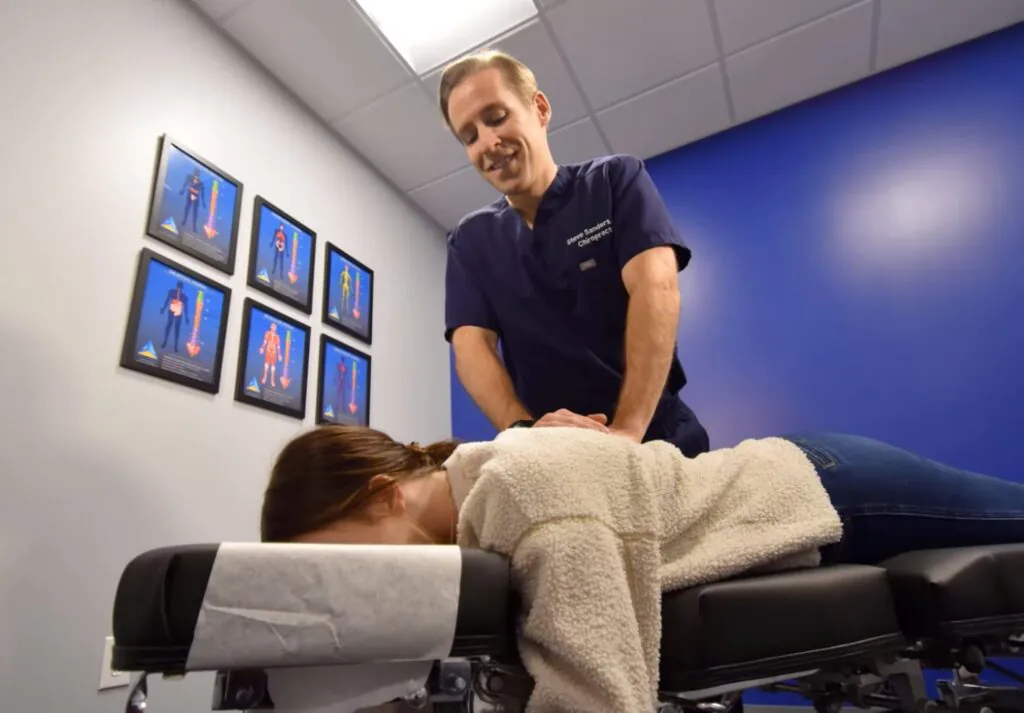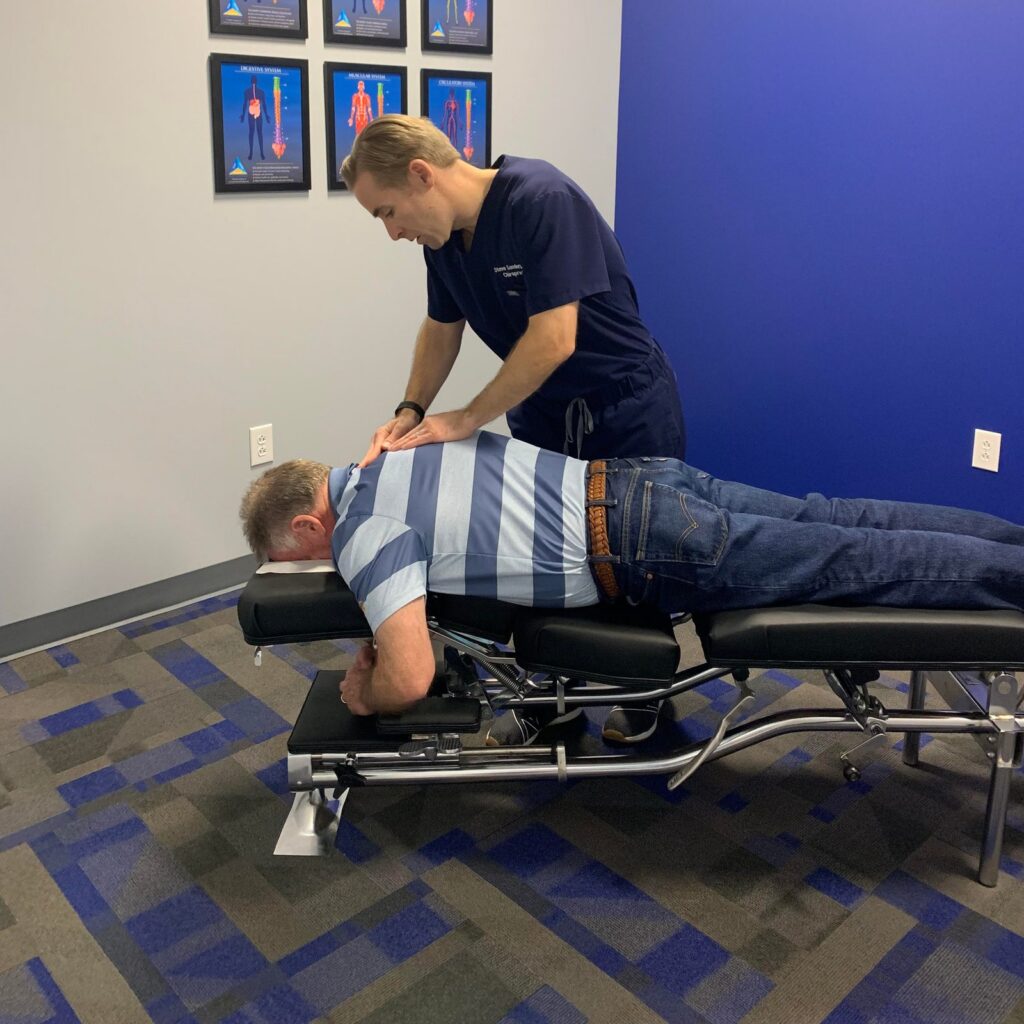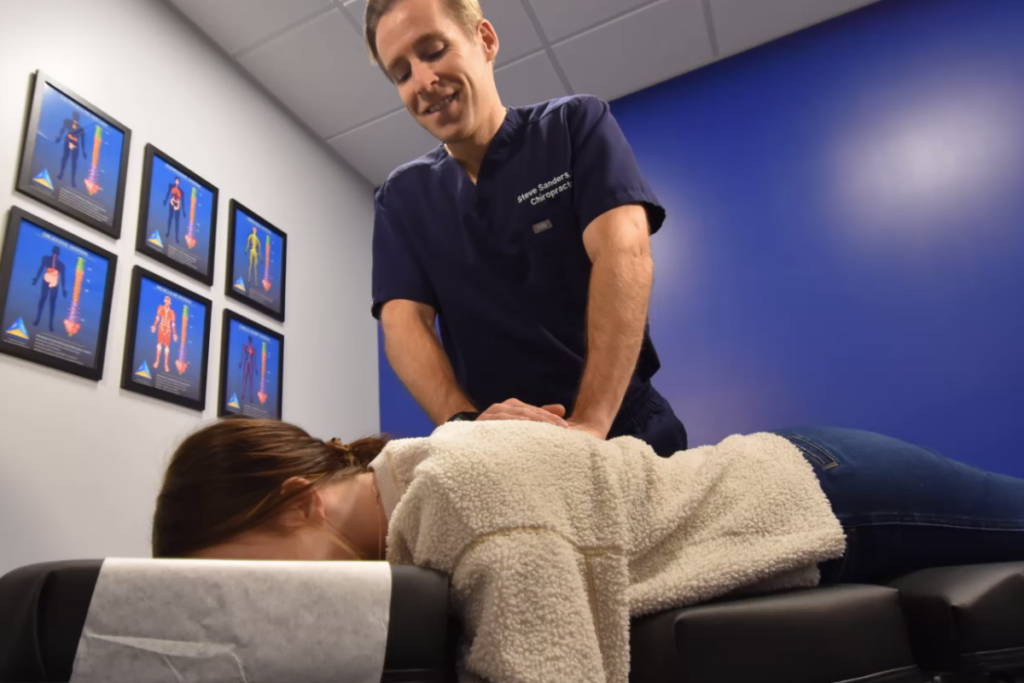
When you experience an injury, it may initially seem like a major setback, but it can actually present a unique opportunity for growth and peak performance. As a chiropractor, I want to help you understand the healing process and how it can accelerate your recovery while preparing you for future challenges. You may be surprised to learn that innovative techniques, such as spinal adjustments and soft tissue therapies, along with proper nutrition, can significantly enhance your rehabilitation.
As we explore these natural healing strategies together, consider how each element not only aids in your recovery but also equips you to come back stronger than before. What if you could transform this injury into your greatest advantage? By embracing chiropractic care and holistic approaches, you can pave the way for a resilient and empowered return to your physical pursuits.
Common Athletic Injuries
As a local chiropractor, I often see many sports enthusiasts who face athletic injuries, which can significantly impact both performance and recovery.
It's important to understand these common injuries and how chiropractic care can help you manage and prevent them.
One of the most frequent issues I encounter is ankle sprains. These injuries typically occur during quick directional changes or when landing on uneven surfaces. You might experience immediate pain and swelling, making it difficult to walk.
Chiropractic adjustments and therapies can aid in reducing inflammation and promoting healing in such cases.
Muscle strains, particularly in the hamstrings and quadriceps, are also prevalent among athletes. These injuries often happen when individuals push their bodies too hard, resulting in tears in the muscle fibers.
If you've ever felt a sudden pain or heard a popping sound, it might be a strain. Chiropractic care can help alleviate pain through targeted treatments and rehabilitation exercises.
Knee injuries, such as ACL tears, are another concern, especially in sports involving jumping or rapid pivots. If you notice instability or significant swelling in your knee, it's crucial to seek professional help.
Chiropractic adjustments can enhance joint function and stability, helping you recover more effectively.
Shoulder injuries, like rotator cuff tears, are common in athletes who perform repetitive overhead motions. These injuries can cause pain and limit your range of motion.
Chiropractic care can assist in restoring function and reducing pain through specific adjustments and rehabilitation techniques.
Lastly, stress fractures often develop from overuse, particularly in runners or those engaged in high-impact sports. You may notice a gradual onset of pain that worsens with activity.
Chiropractors can offer supportive treatments to address the underlying issues and guide you on how to train safely to prevent these injuries.
By being aware of these common athletic injuries, you can take proactive steps to protect your body.
Chiropractic care offers a natural and effective way to support your athletic journey, helping you enjoy your favorite sports while minimizing the risk of setbacks.
Understanding the Healing Process
As a local chiropractor, I want to help you understand the healing process your body goes through after an injury. It's a fascinating and intricate journey that involves three key phases: inflammation, tissue formation, and remodeling. Familiarizing yourself with these phases can greatly enhance your recovery experience.
The first phase is inflammation, which typically lasts a few days. When you sustain an injury, your body activates its natural defense mechanisms by sending blood and essential nutrients to the affected area. You may experience symptoms like swelling, pain, and redness—these are signs that your body is diligently working to protect and heal itself.
It's crucial to allow this phase to unfold without jumping back into strenuous activities too soon, as it lays the groundwork for effective healing.
Following the inflammation phase, we enter the tissue formation phase, which can last for several weeks. During this time, your body begins to replace damaged tissue with new cells. You'll notice that a scar may form, indicating that the healing process is well underway and that the area is gaining strength.
It can be tempting to push through discomfort, but I encourage you to focus on controlled movements and gentle rehabilitation exercises. This approach not only aids your recovery but also helps prevent future complications.
The final phase is remodeling, which can take several months. During this stage, your body fine-tunes the repair work. Collagen fibers reorganize and strengthen, which can lead to improved range of motion and function in the affected area.
Patience is key here—rushing this phase may risk re-injury and prolong your recovery.
As your chiropractor, I'm here to support you through each of these phases with natural healing techniques and personalized care, ensuring you achieve the best possible outcome on your journey to recovery.
Innovative Recovery Techniques
As a local chiropractor, I want to share some innovative techniques that can significantly aid in your recovery from injuries.
Many athletes and patients are turning to methods like Active Release Technique, cryotherapy, and compression therapy due to their proven effectiveness in promoting healing.
Active Release Technique focuses on releasing tension in the muscles and fascia, which can help alleviate pain and restore mobility.
Cryotherapy involves exposing the body to cold temperatures to reduce inflammation and speed up recovery.
Compression therapy uses specialized garments to improve blood flow and reduce swelling.
These natural healing approaches can help you get back to your activities more quickly and with less discomfort.
If you're curious about how chiropractic care and these innovative techniques can support your recovery, I encourage you to reach out for more information.
Active Release Technique
Active Release Technique (ART) is an incredible therapy I encourage athletes to consider when recovering from injuries. This hands-on approach focuses on relieving tension in your muscles, tendons, ligaments, fascia, and nerves, which can be crucial when you're experiencing tightness or discomfort. By utilizing ART, you can enhance your mobility and accelerate your recovery process.
During an ART session in my practice, I'll assess your movement patterns and pinpoint specific areas that may be causing restrictions. By applying targeted pressure while you perform certain movements, we work together to break down adhesions and scar tissue. This not only helps to free up your muscles but also improves circulation. Many patients notice immediate enhancements in their range of motion and overall functionality after just one session.
What sets ART apart is its personalized approach. I understand that every athlete's body is unique, and I tailor the treatment to meet your individual needs—whether you're dealing with a chronic injury or simply want to boost your performance. ART goes beyond just alleviating symptoms; it addresses the underlying causes of your pain.
Incorporating ART into your recovery routine can significantly speed up healing and lower the risk of future injuries. If you're serious about enhancing your athletic performance and maintaining your wellbeing, I highly recommend exploring this innovative technique to help you reach your full potential.
Cryotherapy and Compression Therapy
Have you ever noticed how quickly some athletes bounce back between competitions? One of the keys to their rapid recovery is the use of innovative techniques like cryotherapy and compression therapy.
As a local chiropractor, I want to share how these methods can benefit you, even if you're not an elite athlete.
Cryotherapy is a treatment that involves exposing your body to extremely cold temperatures. This exposure can significantly reduce inflammation and pain, helping you feel better faster. When you enter a cryo chamber, the cold air encourages improved blood flow and aids in flushing out toxins from your body. This can be particularly helpful after intense physical activity or even a long day at work.
Compression therapy, on the other hand, utilizes specialized garments or devices that apply pressure to your muscles. This technique enhances circulation and reduces swelling, making it easier for your body to recover. Many of my patients find compression boots or sleeves particularly effective after exercise, as they offer targeted relief and support the healing process.
When you combine cryotherapy and compression therapy, you're creating a powerful duo for enhancing your recovery. By incorporating these techniques into your routine, you can minimize downtime and return to your activities sooner.
Importance of Rehabilitation
As a local chiropractor, I want to emphasize the importance of rehabilitation for athletes and active individuals.
Rehabilitation isn't just about recovering from an injury; it's a vital process that can help you bounce back quicker and significantly reduce the risk of future injuries. Through targeted exercises and appropriate care tailored to your needs, we can strengthen areas that may be prone to injury, ultimately improving your overall athletic performance.
By prioritizing rehabilitation, you're investing in your long-term success in your chosen sport and ensuring that your body remains healthy and resilient.
Embracing natural healing methods, like chiropractic care, can be a transformative step in your recovery journey.
Accelerating Recovery Process
As a local chiropractor, I want to emphasize the importance of a structured recovery process after an injury, especially for athletes.
It's crucial to understand that speeding up your recovery goes beyond simple rest; it involves a holistic approach tailored to your specific needs. Actively participating in your recovery is key to regaining strength, flexibility, and confidence.
Begin by collaborating closely with your healthcare team, including your chiropractor. We can help you understand the nature of your injury and establish realistic goals for your recovery.
Incorporating chiropractic care into your rehabilitation can promote healing, enhance your range of motion, and support your overall well-being. It's vital to listen to your body during this phase—pushing yourself too hard or too quickly can lead to further setbacks.
Nutrition also plays a critical role in recovery. By consuming the right nutrients, you can support tissue repair and help reduce inflammation. Staying well-hydrated is equally important, as proper hydration can significantly improve your body's ability to heal.
Don't forget the mental aspect of recovery. Maintaining a positive mindset and visualizing your comeback can make a big difference.
Surround yourself with supportive teammates, coaches, and healthcare professionals who encourage you throughout your journey.
#
Preventing Future Injuries
Completing your recovery is just the beginning; the real challenge lies in preventing future injuries, which is essential for long-term health and performance. As your local chiropractor, I'm here to help you understand that a well-structured rehabilitation program is key to staying at the top of your game.
This process goes beyond just healing; it's about building strength and flexibility in your muscles and joints to support your overall well-being. During your rehabilitation journey, we'll focus on targeted exercises that specifically address your individual weaknesses.
Incorporating activities such as strength training, agility drills, and balance exercises won't only aid in your recovery but also strengthen your body against future injuries.
It's crucial to emphasize the importance of rest and recovery. Many people overlook this aspect, but overtraining can lead to burnout and increase the risk of re-injury. It's vital to listen to your body; if something doesn't feel right, don't hesitate to take a step back and evaluate your situation.
Open communication with your healthcare team, including your chiropractor, is essential. We're here to provide insights and make necessary adjustments to your rehabilitation program.
By prioritizing your recovery and rehabilitation now, you're setting the foundation for a healthier and more resilient future. Remember, staying proactive about your health will help you keep those injuries at bay and empower you to reach your peak performance.
Let's work together to ensure your long-term success and well-being!
Nutrition for Injury Recovery
As a chiropractor, I want to emphasize the vital role that proper nutrition plays in your recovery from injuries. When your body is healing, it requires extra nutrients to repair tissues and manage inflammation effectively. By adopting a balanced diet rich in proteins, vitamins, and minerals, you can significantly support your healing journey.
Let's start with protein, which is crucial for tissue repair. I recommend focusing on lean sources such as chicken, fish, beans, and legumes. These foods supply your body with the essential amino acids needed to rebuild muscle and connective tissue, which is particularly important when recovering from injuries.
Additionally, incorporating healthy fats from avocados, nuts, and olive oil can further help reduce inflammation in your body.
Next, it's important to prioritize fruits and vegetables in your diet. These foods are loaded with vitamins, especially vitamin C and vitamin A, which play key roles in the healing process. Citrus fruits, berries, and leafy greens not only boost your immune system but also enhance your recovery.
And let's not forget about the significance of hydration; staying well-hydrated is crucial as it aids in nutrient transport and supports overall healing.
You might also want to include anti-inflammatory foods like turmeric and ginger in your meals. These spices can help alleviate pain and swelling, making your recovery smoother.
If you're unsure how to tailor your diet to your specific needs and injury, I encourage you to consult with a nutritionist or sports dietitian. They can provide personalized advice to help you on your path to recovery.
Mental Resilience in Healing
Resilience plays a crucial role in your healing journey, particularly when it comes to recovery from injuries. As a chiropractor, I often see how mental strength is just as vital as any physical treatment we provide.
Cultivating a resilient mindset can help you navigate the challenges of recovery more effectively. This means embracing obstacles, maintaining a positive attitude, and developing coping strategies that empower you during difficult times.
To enhance your mental resilience, I recommend starting with realistic goals. Setting small, achievable milestones can significantly boost your confidence and keep you motivated throughout your recovery process. Celebrate every success, no matter how minor it may seem. This positive reinforcement is essential for maintaining your focus and commitment to healing.
Incorporating mindfulness techniques into your daily routine can also be beneficial. Practices such as meditation or deep breathing exercises can reduce anxiety and improve your ability to cope with stress. By staying present and aware, you can better manage the emotional ups and downs that often accompany healing.
It's important to surround yourself with a supportive network, whether that's friends, family, or other individuals who understand your journey. Sharing your experiences and feelings can help alleviate feelings of isolation and provide encouragement when you need it the most. Remember, you don't have to go through this alone.
Lastly, consider keeping a journal to track your thoughts and progress. Writing can help clarify your feelings and allow you to process the challenges you face.
Embracing mental resilience isn't just about bouncing back from an injury; it's about thriving despite adversity and emerging stronger than you were before. As your chiropractor, I'm here to support you through this journey, focusing on both your physical and mental well-being.
Role of Physical Therapy
Chiropractic care plays a crucial role in your recovery journey after an injury. It goes beyond just spinal adjustments; it's a holistic approach to restoring your body's balance, mobility, and overall function. When you visit a chiropractor, you'll receive a personalized treatment plan tailored to your unique needs and recovery goals. This plan typically emphasizes pain relief, rehabilitating the affected areas, and optimizing your body's movement patterns.
During your sessions, you'll engage in specific chiropractic techniques designed to improve joint mobility and restore proper alignment. Your chiropractor will guide you through each adjustment and exercise, ensuring that you're comfortable and safe throughout the process. This hands-on approach not only promotes healing but also helps prevent further injuries that can arise due to misalignments or improper movement.
In addition to spinal adjustments, your chiropractor may incorporate various natural therapies such as massage, stretching, and rehabilitation exercises to alleviate pain and reduce inflammation. They'll also educate you about proper body mechanics and posture, which are essential for your return to daily activities and any sports you may enjoy.
Moreover, maintaining regular communication with your chiropractor allows for ongoing modifications to your treatment plan, ensuring that you remain challenged but not overwhelmed. This collaborative relationship can boost your motivation and accountability throughout your healing process.
Ultimately, chiropractic care isn't just about recovery; it's about empowering you to regain your confidence and perform at your best in all aspects of your life. Embrace this vital aspect of your healing journey, and you'll be well on your way to achieving optimal health and vitality again.
## Preventing Future Injuries
As a local chiropractor, I want to share some vital information on how to prevent future injuries and promote overall wellness through natural healing. It's essential to adopt proactive strategies that strengthen your body and enhance flexibility. A well-rounded fitness routine that combines strength training, flexibility exercises, and cardiovascular conditioning can significantly boost your resilience.
Aim to engage all major muscle groups at least twice a week, with a special emphasis on core stability and joint support, as these are crucial for maintaining a healthy spine and preventing injuries.
Never underestimate the power of warm-ups and cool-downs. Before any exercise or competition, dedicate 10-15 minutes to warming up your muscles with dynamic stretches and light aerobic activity. This prepares your body for physical activity and helps reduce the risk of strains and sprains.
After your workout, be sure to cool down with static stretches; this not only improves flexibility but also aids in recovery.
Listening to your body is critical. If you experience pain or discomfort, it's important to address these issues promptly rather than pushing through them, as this can lead to more serious injuries down the line. Incorporating rest days into your routine allows your muscles the necessary time to recover and rebuild, which is essential for long-term health.
Another key aspect to consider is your footwear and equipment. The right shoes can have a significant impact on your performance and the risk of injury. Ensure your footwear offers adequate support tailored to your specific sport and body type.
Regularly inspect your gear for any signs of wear and tear, and replace it when necessary to maintain optimal performance and safety.
Lastly, I encourage you to consider working with a qualified coach or trainer who can help identify any weaknesses in your routine and customize a training program that suits your individual needs.
Returning to Peak Performance
Returning to peak performance after an injury can indeed be a challenging journey, but as a chiropractor, I want to assure you that it's entirely possible with a holistic approach. To help you get back to your best, it's essential to focus on a structured recovery plan that encompasses physical rehabilitation, mental well-being, and a gradual reintegration into your sport.
First and foremost, let's highlight the importance of rehabilitation. Working with a chiropractor who understands your specific sport and injury is crucial. We can design a personalized treatment plan that includes spinal adjustments, soft tissue therapies, and exercises aimed at restoring strength, flexibility, and overall function.
Consistency is key—stick to your treatment schedule, and remember that healing takes time. Listen to your body and allow it the necessary time to recover properly.
Next, we must address the mental aspect of returning to peak performance, which is often overlooked. It's completely normal to experience anxiety or fear following an injury. Techniques such as visualization can be powerful tools; imagine yourself performing at your best.
Incorporating positive self-talk can help reinforce your confidence and focus. Surrounding yourself with a supportive network—like coaches, teammates, and family—can provide you with the encouragement you need during this critical period.
Finally, it's important to ease back into competition gradually. Start with lower-intensity practices to rebuild your confidence and skill level. As you progress, communicate openly with your chiropractor and coaches about your physical and mental state.
Together, we can monitor your recovery and ensure that you return to your sport safely and effectively. Remember, chiropractic care is a vital component of your healing journey, supporting not just your body but your overall well-being as you aim for peak performance once again.
Conclusion
As a local chiropractor, I want to emphasize how crucial injury recovery is in unlocking your peak performance as an athlete. Many people may not realize that understanding your injuries and exploring innovative recovery techniques can lead to faster and stronger healing.
One of the cornerstone aspects of recovery is maintaining a balanced nutrition plan, which fuels your body and supports healing. Equally important is mental resilience—staying motivated during recovery is vital, and I can help you develop strategies to keep your spirits high during this journey.
Chiropractic care plays a significant role in effective rehabilitation and physical therapy. By addressing the underlying issues and ensuring proper alignment, we can not only aid your recovery but also significantly reduce the risk of future injuries. With personalized strategies and treatments, you'll be well-equipped to return to your sport ready to excel and perform at your best. Remember, healing is a holistic process, and I'm here to guide you every step of the way.