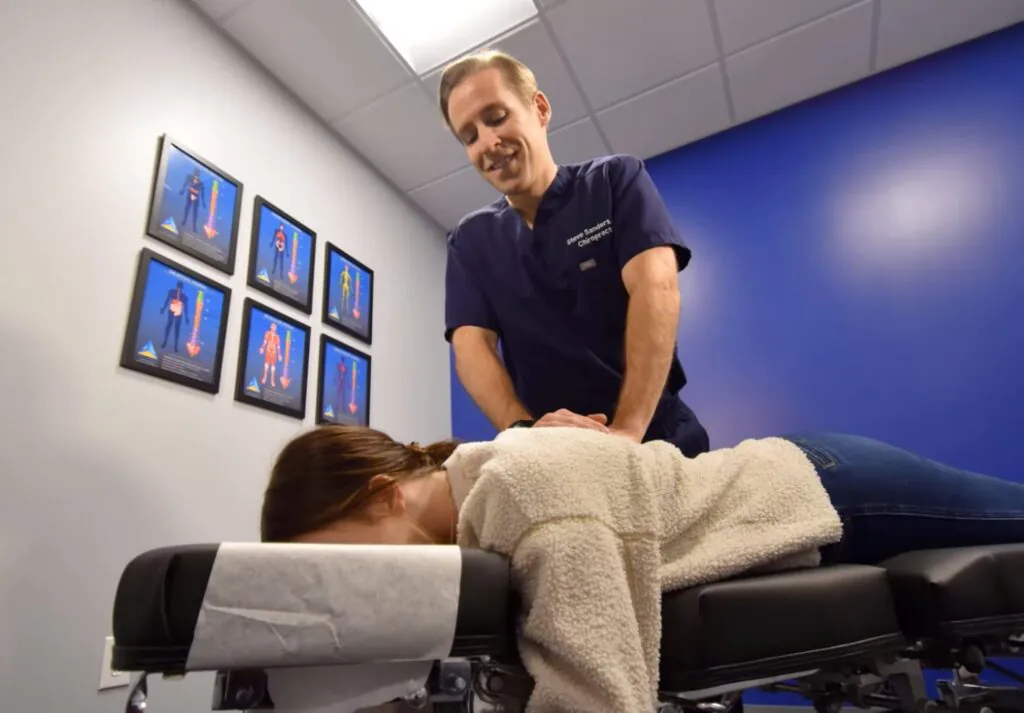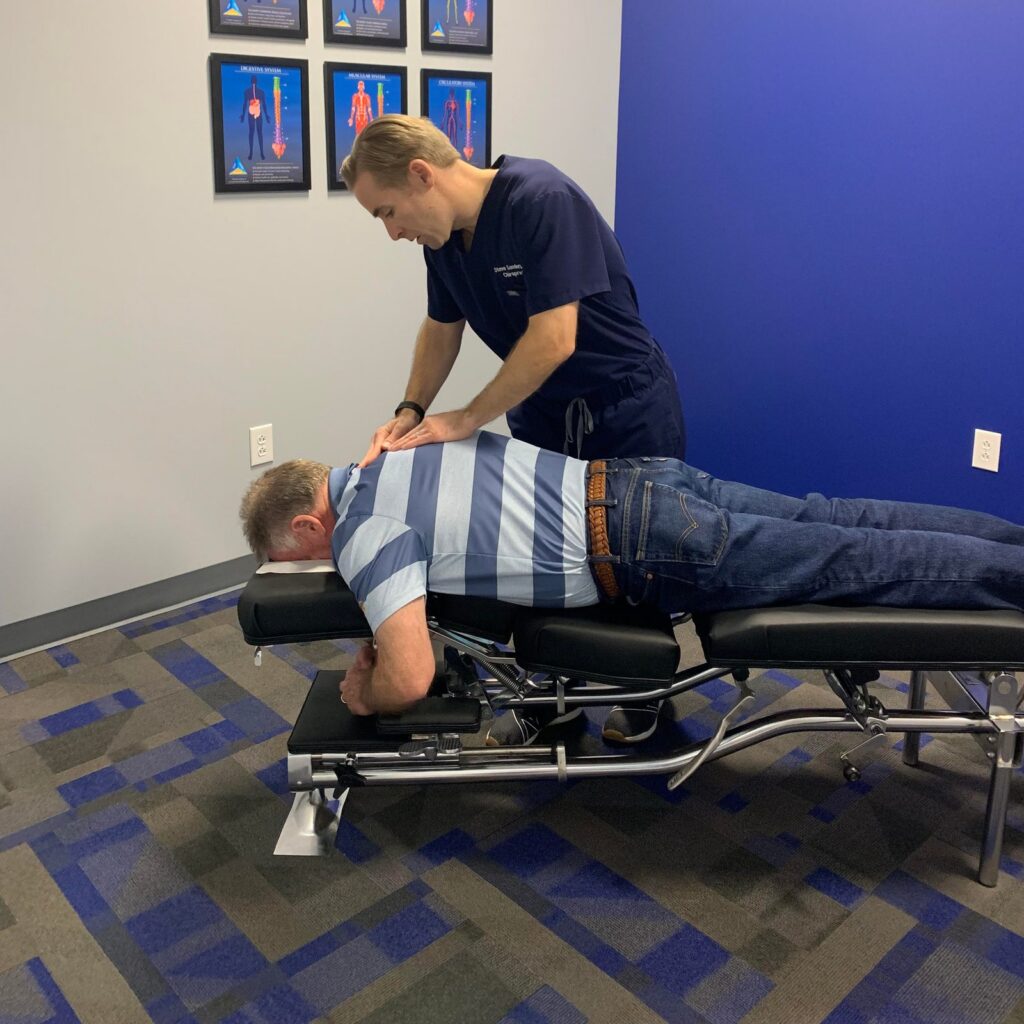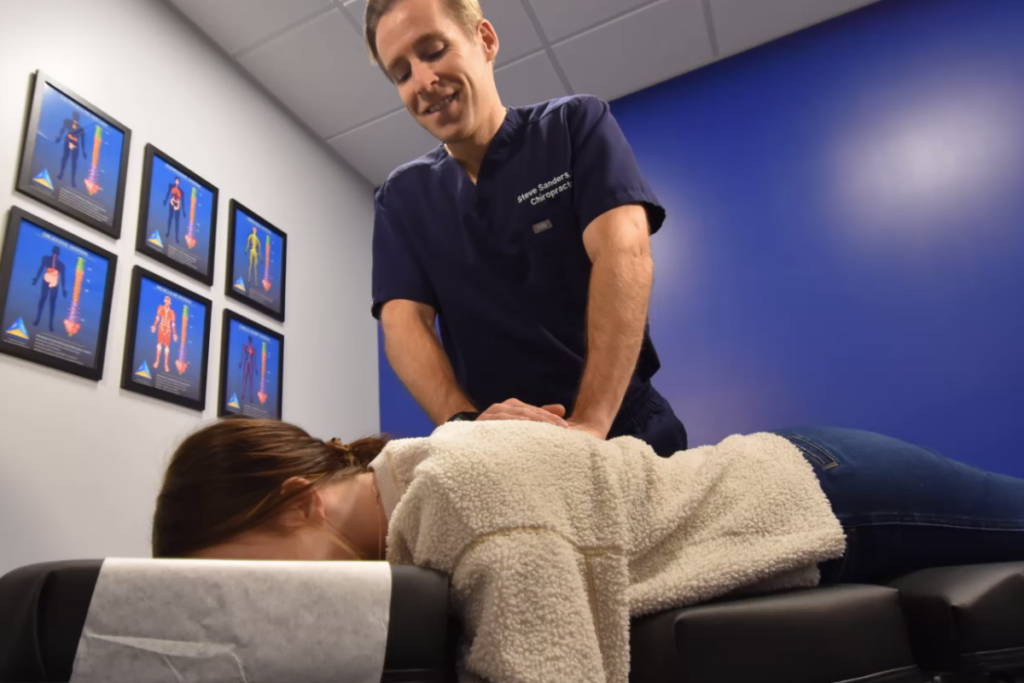
When you're dealing with lower back pain, it's crucial to understand the reliable treatment options that can help alleviate your discomfort. As a local chiropractor, I want to share how chiropractic care, combined with physical therapy and lifestyle adjustments, can provide effective relief and promote long-term wellness. Each of these approaches addresses different aspects of pain management, and together they can significantly improve your quality of life.
Chiropractic care focuses on spinal alignment and the nervous system's function, which can have a profound effect on pain relief and mobility. Physical therapy complements this by strengthening muscles and improving flexibility, while lifestyle changes can enhance your overall health and prevent future issues.
If you're curious about which combination of these treatments might work best for you, I'm here to guide you through the options. Together, we can explore the specific methods that have the potential to make a real difference in your recovery journey. Let's work towards helping you regain your comfort and mobility naturally!
Understanding Lower Back Pain
As a local chiropractor, I often see patients struggling with lower back pain, a common concern that many encounter at various stages in life.
It's essential to understand that this discomfort can arise from multiple factors, and recognizing these can significantly aid in managing your pain effectively.
You may be experiencing pain due to muscle strains, ligament sprains, or herniated discs, and it's crucial to differentiate between acute pain, which lasts a few days to a couple of weeks, and chronic pain, which can persist for months or even longer.
Many of my patients notice that certain activities, such as lifting heavy objects or sitting for long periods, can make their pain worse.
That's why I emphasize the importance of posture in maintaining lower back health. Evaluating how you sit, stand, and move can make a significant difference. Poor ergonomics, especially at your workstation, can lead to unnecessary stress on your back. Simple adjustments, like ensuring your chair and monitor are at the right height, may provide relief.
Additionally, factors such as age, weight, and physical fitness play a role in your risk of developing lower back pain. If you lead a sedentary lifestyle or have weak core muscles, you may be more susceptible to discomfort.
It's also worth considering how stress and emotional well-being can contribute to muscle tension in your back. Addressing these aspects is vital to a comprehensive approach to pain management.
As your chiropractor, I aim to empower you by helping you identify the underlying causes of your lower back pain.
Whether through lifestyle changes, targeted exercises, or chiropractic adjustments, understanding your pain is the first step towards finding relief and achieving a healthier, pain-free life.
Over-the-Counter Medications
As a local chiropractor, I often recommend starting with over-the-counter medications to manage lower back pain for immediate relief. These medications can be quite effective in providing comfort, especially when you're in discomfort. Common options include nonsteroidal anti-inflammatory drugs (NSAIDs) like ibuprofen and naproxen, which help reduce inflammation and alleviate pain. You can easily find these at your local pharmacy or supermarket, making them a convenient choice for quick relief.
It's crucial, however, to adhere to the dosage instructions provided on the label. Taking more than the recommended amount won't necessarily expedite your healing and could result in serious side effects. If you're uncertain about which medication suits your specific needs, I encourage you to consult with a pharmacist. They can help guide your choice based on your unique symptoms and health history.
Additionally, acetaminophen is another widely used option for pain management. While it doesn't address inflammation like NSAIDs do, it's effective for pain relief and is gentler on the stomach, making it a suitable alternative for individuals with a history of gastrointestinal issues.
As your chiropractor, I believe in exploring natural healing methods. While these medications can offer temporary relief, I also encourage incorporating chiropractic care and other holistic approaches to address the underlying causes of your pain for long-term wellness.
Prescription Medications
As a chiropractor, I often see patients who struggle with lower back pain and find that over-the-counter medications just aren't providing the relief they need. While prescription medications can be an option for some, I want to emphasize the importance of exploring natural healing methods and chiropractic care, which can help address the root causes of your discomfort.
Here are some common types of prescription medications that may be suggested, but I encourage you to consider alternative approaches:
- NSAIDs: Stronger anti-inflammatory drugs like naproxen or diclofenac can help reduce pain and swelling, but they don't address the underlying issues causing your pain.
- Muscle relaxants: Medications such as cyclobenzaprine or methocarbamol may alleviate muscle spasms, yet these can mask symptoms rather than treat the cause.
- Opioids: In severe cases, opioids like oxycodone or hydrocodone might be prescribed, but they carry risks of dependency and unwanted side effects.
- Antidepressants: Some antidepressants can help manage chronic pain; however, they aren't a direct solution to the physical issues at hand.
- Corticosteroids: While these can provide temporary relief by reducing inflammation, they don't promote long-term healing.
Instead of relying solely on medications, I encourage you to consider chiropractic care, which focuses on the alignment of your spine and overall body mechanics. Through adjustments, physical therapy, and lifestyle modifications, we can work together to alleviate pain and enhance your body's natural ability to heal.
It's essential to communicate openly with your healthcare provider about all aspects of your treatment, including any medications you may be considering.
Physical Therapy Techniques
As a local chiropractor, I want to share how essential physical therapy techniques are in managing lower back pain. Many of my patients are often surprised to learn that simple stretching and strengthening exercises can significantly enhance mobility and decrease discomfort.
These exercises are designed to support your spine and improve overall function.
In addition to exercise, I utilize manual therapy approaches in my practice. These hands-on techniques help alleviate tension in the muscles and joints, promoting better movement and restoring balance to your back.
By incorporating these natural healing methods into your care plan, we can work together to reduce pain and improve your quality of life.
Stretching and Strengthening Exercises
As a local chiropractor, I often see patients struggling with lower back pain, and I want to share how incorporating stretching and strengthening exercises into your daily routine can make a significant difference in your overall well-being.
These exercises not only enhance flexibility but also strengthen your core muscles and promote better posture. All of these elements are crucial for maintaining a healthy back and preventing further discomfort.
Here are some effective exercises I recommend for my patients:
- Cat-Cow Stretch: This gentle yoga movement is excellent for increasing flexibility in your spine and can be done easily at home.
- Child's Pose: A soothing stretch that helps to relieve tension in the lower back, making it a wonderful addition to your relaxation routine.
- Bridges: This exercise targets your glutes and lower back muscles, which are important for stabilizing your spine and supporting your body during daily activities.
- Plank: Engaging your core is vital for back support, and the plank is a fantastic way to strengthen those muscles.
- Knees-to-Chest Stretch: This stretch not only alleviates tension in your lower back but also helps improve circulation, contributing to overall spinal health.
Incorporating these exercises into your life can complement the chiropractic care you receive, helping you achieve a healthier and pain-free back.
Manual Therapy Approaches
As a local chiropractor, I want to share how manual therapy techniques can play a crucial role in alleviating lower back pain and supporting your recovery journey. These hands-on methods involve the skilled manipulation of your muscles, joints, and soft tissues. By employing techniques such as spinal manipulation, mobilization, and soft tissue therapy, we can effectively reduce pain and enhance your mobility.
When you visit my chiropractic practice, I'll tailor these manual therapy techniques specifically to your individual needs. I'll conduct a thorough assessment of your condition and may apply gentle pressure or stretching to relieve tension and promote healing. This personalized approach not only targets your pain but also helps educate you on proper body mechanics to prevent future problems.
Integrating manual therapy into your routine, along with stretching and strengthening exercises, can significantly enhance your recovery process. You may find that it amplifies the benefits of your exercise regimen, helping you regain strength and flexibility at a faster pace.
Chiropractic Care
As a local chiropractor dedicated to your well-being, I want to introduce you to the benefits of chiropractic care, especially for alleviating lower back pain. When you come to my practice, I begin with a thorough assessment of your condition, allowing me to create a personalized treatment plan focused on restoring your spine's alignment. This approach aims to tackle the underlying causes of your pain, rather than just covering up the symptoms.
Here are some positive outcomes you might experience with chiropractic care:
- Improved spinal alignment: By realigning your spine, we can reduce tension and enhance your overall mobility, making daily activities easier and more enjoyable.
- Pain relief: Many of my patients report significant pain relief after adjustments, helping them feel more comfortable in their everyday lives.
- Enhanced range of motion: Chiropractic adjustments can help you regain the flexibility and movement you may have lost due to discomfort.
- Personalized care: Every treatment plan I create is tailored to your specific needs and pain levels, ensuring you receive the best care possible.
- Holistic approach: I often incorporate lifestyle recommendations to support your long-term health and well-being, guiding you toward a balanced life.
Regular visits to my office can help maintain your spine's health and prevent future issues. Open communication is key; I encourage you to share your symptoms and any changes you notice in your body.
Depending on your needs, I may use various techniques, including spinal manipulation, soft tissue therapy, or specific exercises that complement your treatment.
If you're considering chiropractic care, it's essential to choose a licensed and experienced practitioner like myself. This natural healing approach can be an effective way to manage lower back pain, enabling you to return to the activities you love.
Massage Therapy
As a local chiropractor, I want to emphasize the benefits of incorporating massage therapy into your wellness routine, especially for alleviating lower back pain. This hands-on treatment isn't just about providing temporary relief; it addresses the root causes of your discomfort by loosening tight muscles, enhancing circulation, and promoting overall relaxation.
During a massage therapy session, skilled therapists utilize various techniques, including deep tissue and trigger point therapy, to specifically target areas of tension. These approaches can significantly reduce muscle stiffness, which is often a key factor in lower back pain. Many patients find that after just one session, they experience noticeable relief, while others may benefit from a series of treatments for optimal results.
It's crucial to communicate openly with your therapist about your pain levels and any specific areas of discomfort. By doing so, they can tailor the massage to meet your individual needs, ensuring that you receive the most effective care possible.
Additionally, regular massage therapy sessions can be an excellent way to manage stress, which frequently contributes to muscle tension and pain. By making massage therapy a part of your routine, you're not only addressing your back pain but also taking steps to improve your overall health and well-being.
As a chiropractor, I encourage you to explore the combination of chiropractic care and massage therapy for a holistic approach to healing. Together, these methods can enhance your mobility, reduce pain, and promote a healthier lifestyle.
Alternative Therapies
As a local chiropractor, I want to share how exploring alternative therapies can provide a fresh perspective on managing lower back pain, especially if traditional methods haven't brought you the relief you seek.
Many patients find success with these therapies, and they can complement your existing treatment plan beautifully. Here are five popular options that I encourage you to consider:
- Acupuncture: This ancient practice involves the insertion of thin needles into specific points of your body. It aims to relieve pain and promote healing by stimulating your body's natural energy flow.
- Chiropractic care: My specialty! Through hands-on manipulation, I adjust the spine to improve alignment and alleviate discomfort. This not only helps with pain relief but can also enhance your overall function and mobility.
- Yoga: Incorporating gentle stretching and strengthening through yoga can greatly enhance flexibility and reduce tension in your back. It's a wonderful way to build strength and awareness of your body.
- Tai Chi: This slow-motion martial art emphasizes balance and relaxation, which can help promote overall body awareness while reducing pain. It's particularly beneficial for those looking to improve their posture and stability.
- Herbal remedies: Certain natural herbs and supplements, like turmeric and willow bark, have properties that may help reduce inflammation and provide pain relief. These can be great additions to your wellness routine.
Before embarking on any alternative therapy, I always recommend consulting with your healthcare provider.
Together, we can determine which options are safe and effective for your specific situation. Remember, while many find alternative therapies beneficial, their effectiveness can vary from person to person.
By being open to these options, you may discover a new path toward managing your lower back pain and enhancing your overall well-being.
I'm here to guide you on this journey to better health!
Lifestyle Changes
As a local chiropractor, I want to share some valuable insights on how making adjustments to your daily habits can significantly enhance your management of lower back pain. One of the key areas to focus on is your posture. Whether you're sitting at a desk, standing in line, or lifting objects, maintaining proper posture is essential in reducing strain on your back.
I encourage you to be mindful of your posture—sit upright, keep your shoulders back, and avoid slouching to alleviate unnecessary pressure on your spine.
In addition, incorporating regular physical activity into your lifestyle is crucial. Engaging in low-impact exercises such as walking, swimming, or cycling can strengthen your core and back muscles, providing better stability and support for your spine.
I recommend aiming for at least 30 minutes of moderate activity most days of the week. Don't overlook the importance of stretching; it enhances flexibility and helps to relieve tension in your back muscles. Adding practices like yoga or Pilates can be particularly beneficial for promoting both strength and flexibility.
Let's not forget about the role of nutrition in your overall health and pain management. Eating a balanced diet that includes plenty of anti-inflammatory foods—such as fruits, vegetables, whole grains, and lean proteins—can help reduce inflammation throughout the body.
Staying well-hydrated is equally important, as dehydration can lead to muscle cramps and discomfort.
Finally, I can't stress enough the significance of quality sleep for your recovery and well-being. Ensure that your mattress provides adequate support for your back and experiment with different sleeping positions to discover what works best for you.
A restorative night's sleep can have a profound effect on your pain levels throughout the day.
When to Seek Professional Help
As a local chiropractor, I want to help you understand when it's important to seek professional help for lower back pain. Many people experience discomfort that can often be managed with home remedies or simple lifestyle changes. However, there are specific indicators that suggest it's time to consult a chiropractor or healthcare provider for further evaluation.
If you find yourself experiencing any of the following symptoms, I encourage you to reach out for professional guidance:
- Persistent pain that lasts more than a few weeks
- Severe pain that doesn't improve with rest or over-the-counter pain relievers
- Numbness, tingling, or weakness in your legs or feet
- Pain that arises after a fall, injury, or accident
- Difficulty standing up straight or bending over
Disregarding these signs can lead to more significant issues in the future. As a chiropractor, I can provide a comprehensive assessment to identify the underlying causes of your pain and recommend tailored treatment options that may include chiropractic adjustments, rehabilitation exercises, or lifestyle modifications.
Don't wait for your lower back pain to interfere with your daily activities. Seeking early intervention can lead to a quicker recovery and help prevent the development of chronic pain.
Conclusion
As a local chiropractor, I want to share with you how effectively managing lower back pain can truly change your life. It's essential to understand that finding relief often requires a personalized approach that includes a variety of treatments. Chiropractic care is a fundamental part of this process, as it focuses on aligning the spine and improving overall function.
In addition to chiropractic adjustments, I often recommend incorporating physical therapy to strengthen your muscles and enhance flexibility. It's also important to consider appropriate medications to manage pain and inflammation when necessary.
Beyond these treatments, making lifestyle changes is crucial. Regular exercise tailored to your body's needs and ergonomic adjustments in your daily environment can significantly reduce the risk of future back issues.
If you're experiencing persistent pain, I encourage you to reach out for professional help. Together, we can take proactive steps toward lasting back health and comfort. Remember, you don't have to live with pain—natural healing through chiropractic care may be the key to your relief.