When it comes to managing back pain, you might find yourself weighing your options between invasive surgeries and non-invasive treatments. Choosing non-invasive approaches can not only minimize potential risks but also address the root causes of your discomfort. Techniques like physical therapy, chiropractic care, and acupuncture often promote a more active role in your recovery. However, what specific benefits can these methods offer over traditional interventions? Understanding these nuances could change how you approach your pain management strategy.
Understanding Non-Invasive Treatments
When it comes to managing back pain, many people turn to non-invasive treatments that can help ease discomfort without the need for surgery or medications.
These options often include physical therapy, chiropractic care, massage therapy, and acupuncture. Each approach focuses on addressing the root causes of pain rather than just masking the symptoms.
You might find physical therapy particularly beneficial. A trained therapist can create a tailored exercise program that strengthens your core, improves flexibility, and teaches you proper body mechanics.
This proactive approach can help prevent future injuries and enhance your overall mobility.
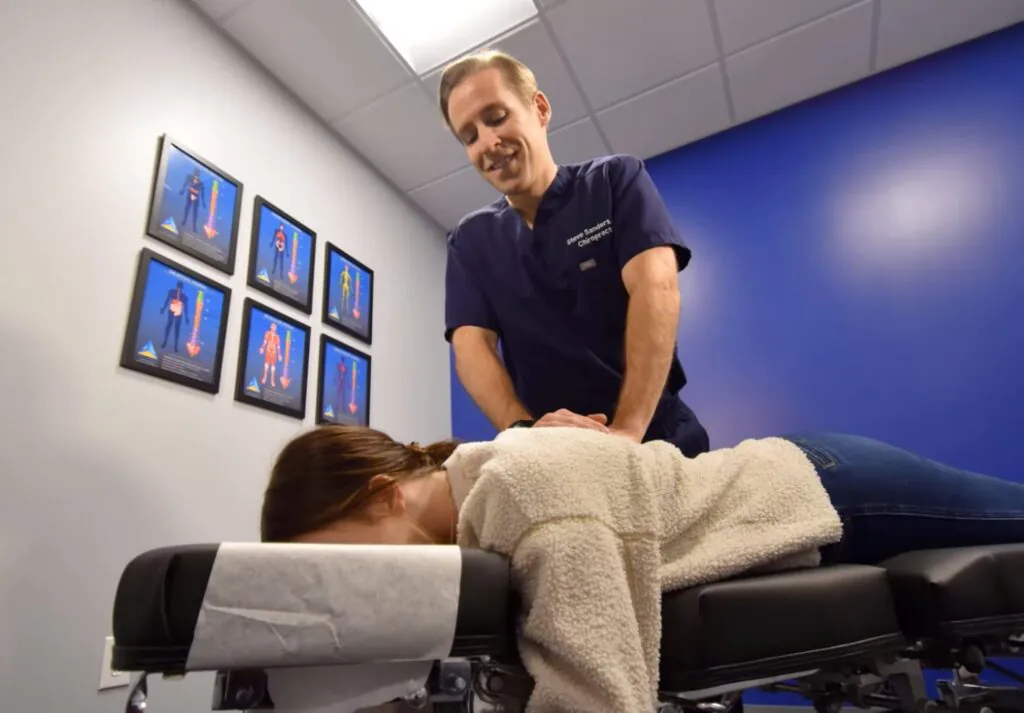
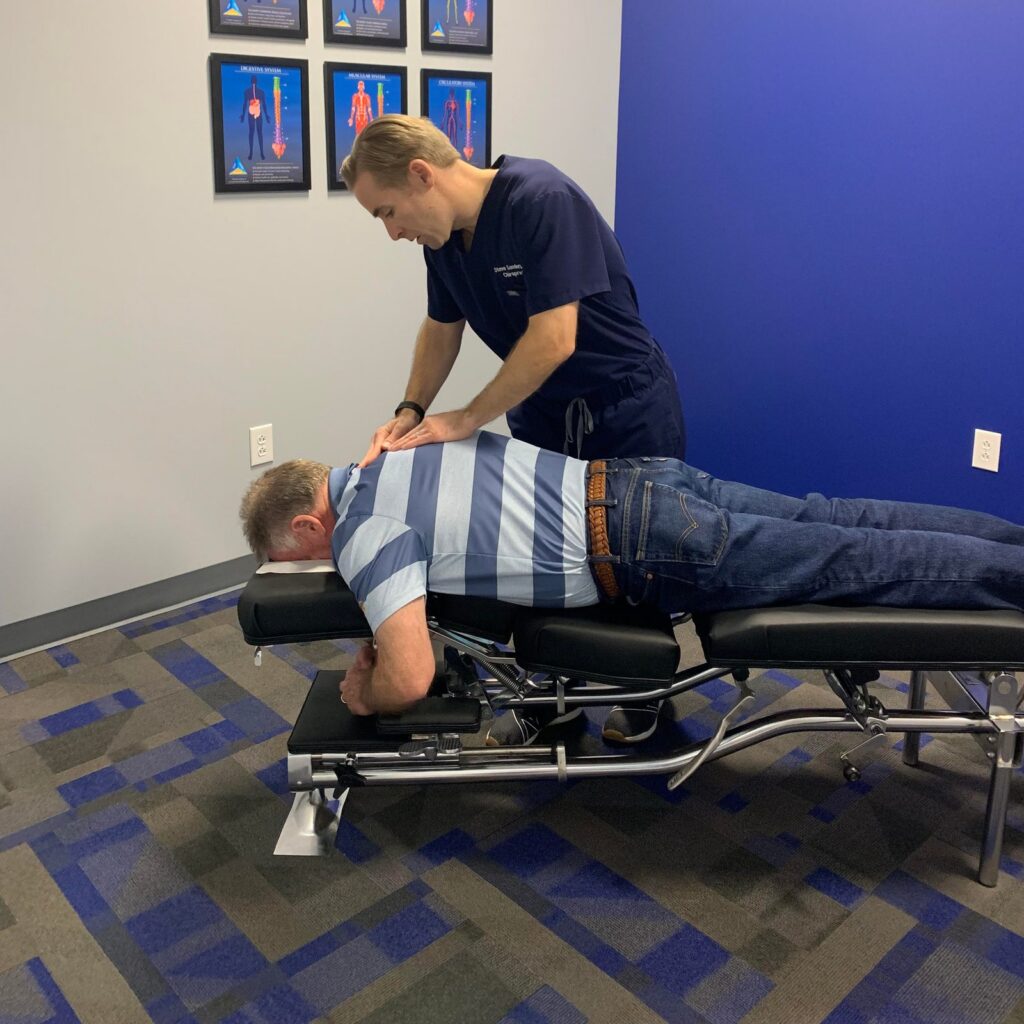
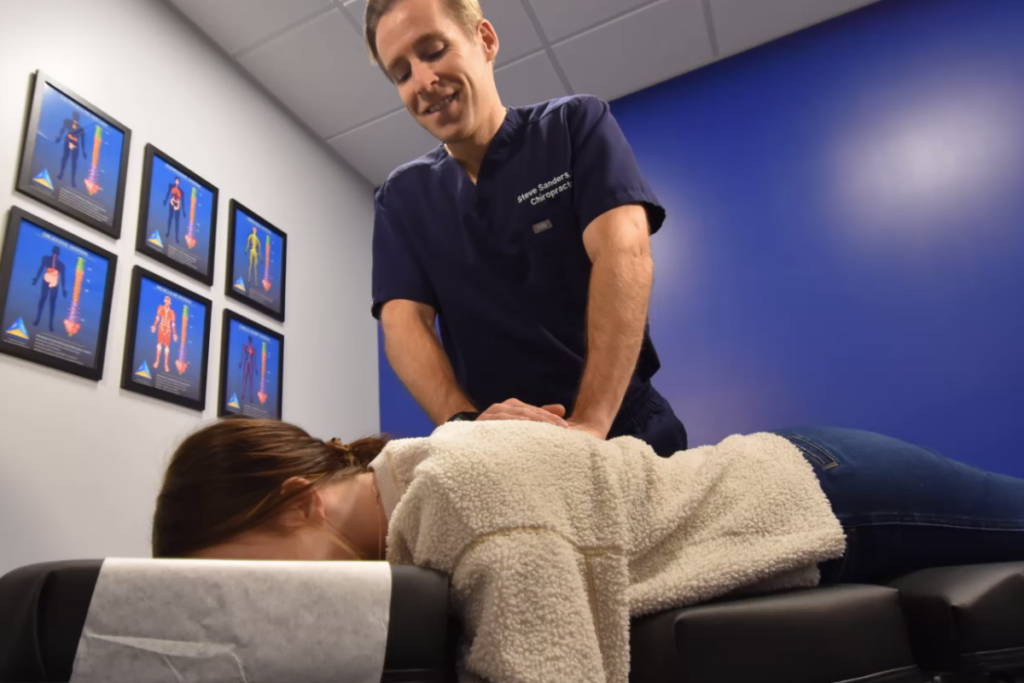
Chiropractic care is another popular choice. Chiropractors use hands-on spinal manipulation to align your body's musculoskeletal structure, which can alleviate pain and improve function.
Many people report immediate relief after a session, and regular visits can help maintain that comfort.
Massage therapy is also worth considering. It can reduce tension in your muscles and promote relaxation, which can be especially helpful if your back pain is stress-related.
Different techniques, such as deep tissue or trigger point therapy, can target specific problem areas, giving you a sense of relief.
Lastly, acupuncture employs fine needles to stimulate specific points on your body, which can help reduce pain and improve circulation.
Many people find this ancient practice effective for managing chronic back pain.
Benefits of Non-Invasive Options
Exploring non-invasive options for back pain can lead to considerable benefits that enhance your overall well-being. First and foremost, these methods typically pose fewer risks compared to invasive procedures. You won't have to worry about complications from surgery or the need for lengthy recovery times. This allows you to focus on managing your pain and improving your quality of life without the stress of potential setbacks.
Additionally, non-invasive treatments often emphasize holistic approaches, targeting not just the symptoms but also the underlying causes of your discomfort. By incorporating lifestyle changes, physical therapy, or mindfulness practices, you may find that you're not only alleviating pain but also improving your overall physical and mental health.
Cost is another important factor. Non-invasive options generally come at a lower financial burden than surgeries or invasive procedures, making them more accessible. You can save money while still receiving effective care.
Moreover, these treatments encourage you to take an active role in your recovery. You'll likely learn valuable techniques and exercises that empower you to manage your pain more effectively in the long run.
Lastly, many non-invasive options offer immediate relief, allowing you to experience results sooner rather than later. This quick response can considerably uplift your mood and motivate you to continue on your healing journey.
Embracing non-invasive options not only helps you address back pain but also fosters a healthier, more resilient lifestyle.
Popular Non-Invasive Techniques
There are several popular non-invasive techniques that can effectively relieve back pain and improve your overall health. One of the most common methods is physical therapy. A physical therapist can design a personalized exercise program that targets your specific pain areas, promoting strength and flexibility.
You'll learn proper body mechanics to prevent further injury.
Chiropractic care is another effective option. Chiropractors use hands-on spinal manipulation to align your body's musculoskeletal structure. This can help alleviate pain and improve function, allowing your body to heal naturally without medication.
Acupuncture, rooted in traditional Chinese medicine, involves inserting thin needles at specific points on your body. Many people find this technique reduces pain and enhances overall well-being.
It's worth trying if you're open to alternative therapies.
Massage therapy is also popular for back pain relief. A skilled massage therapist can work on tight muscles, improve circulation, and promote relaxation.
Regular sessions can help maintain better posture and reduce tension in your back.
Yoga and Pilates are great for building core strength and improving flexibility. Both practices emphasize proper alignment and can help you develop a better awareness of your body, reducing the risk of future injuries.
Lastly, heat and cold therapy are simple yet effective techniques. Applying heat can relax muscles, while cold packs can reduce inflammation.
Combining these methods can provide immediate relief and support your recovery.
Comparing Costs and Risks
While evaluating non-invasive options for back pain relief, it's important to weigh both the costs and potential risks associated with each technique. Options like physical therapy, chiropractic care, and acupuncture can vary greatly in price, so it's wise to research what fits your budget.
For instance, a single session of physical therapy might cost between $50 to $150, depending on your location and the therapist's expertise. On the other hand, chiropractic sessions can range from $30 to $100. Acupuncture may also differ, averaging around $60 per session.
When assessing these costs, it's vital to reflect on the long-term benefits. Investing in a series of sessions might lead to more effective pain relief, which can save you from more expensive treatments later on.
Now, let's talk about risks. Non-invasive techniques generally have fewer risks than surgical options, but they're not entirely without potential side effects. Physical therapy can sometimes lead to temporary soreness or discomfort. Chiropractic adjustments might cause mild pain or stiffness.
Acupuncture, while generally safe, can occasionally result in bruising or infections if not performed correctly. Understanding these factors helps you make informed decisions. Knowing the financial commitment and the possible side effects empowers you to choose the right path for your back pain relief.
Balancing costs and risks will guide you toward a solution that aligns with your health goals and financial situation.
Making the Right Choice
Choosing the right approach for back pain relief can feel overwhelming, especially with so many non-invasive options available. You're likely weighing treatments like physical therapy, chiropractic care, acupuncture, and even lifestyle changes such as exercise and diet. Each option has its own benefits, but understanding which one suits you best is essential.
Start by evaluating your specific situation. Think about the severity of your pain, any underlying conditions, and how each treatment aligns with your lifestyle. For instance, if you enjoy being active, physical therapy might be a good fit, as it focuses on strengthening your back while promoting mobility.
On the other hand, if you seek more immediate relief, chiropractic adjustments may be more appealing.
Don't forget to assess your budget and insurance coverage, as some treatments can be more costly than others. Researching local providers and their credentials can also help guarantee you're making a safe choice.
Talking to your healthcare provider is important. They can offer personalized recommendations based on your history and symptoms. You might even benefit from a combination of therapies to address your pain effectively.
Ultimately, trust your instincts. Listen to your body and how it responds to different treatments. By taking a thoughtful approach, you can make an informed decision that leads to lasting relief and improved quality of life.
Conclusion
Choosing non-invasive options for back pain is a smart decision that empowers you to take control of your recovery. With techniques like physical therapy, chiropractic care, and acupuncture, you're addressing the root causes rather than just masking symptoms. These methods not only reduce risks and costs but also encourage an active role in your healing journey. By opting for non-invasive treatments, you're investing in your overall well-being and paving the way for lasting relief.