When it comes to managing back pain, a one-size-fits-all approach often falls short. You might find that generic plans fail to address your specific needs, making it essential to contemplate a personalized strategy. Tailored plans not only focus on your unique body mechanics but also take into account your lifestyle and pain triggers. This level of customization can greatly enhance your engagement and outcomes. So, what key factors should you contemplate to create a plan that truly works for you?
Understanding Back Pain
Back pain can strike at any moment, often catching you off guard. You might bend down to pick something up or sit too long at your desk, and suddenly, a sharp pain shoots through your lower back. Understanding back pain is vital for managing it effectively. It's not just one type of pain; it can stem from various sources, including muscle strain, herniated discs, or even underlying conditions like arthritis.
You need to recognize that back pain can manifest in different ways. It might feel like a dull ache, a sharp jolt, or a constant throbbing sensation. Sometimes, it radiates down your legs, indicating nerve involvement. Knowing these distinctions helps you pinpoint what's going on and seek appropriate treatment.
Factors like posture, physical activity, and lifestyle choices can contribute greatly to your back pain. If you spend hours hunched over your phone or computer, you're more likely to experience discomfort. On the other hand, engaging in regular exercise can strengthen your back and reduce the risk of injury.
Understanding your own body and its signals is essential. Pay attention to when and how the pain occurs, as this information can guide you in addressing the issue. You might need to adjust your habits or consult a healthcare professional.
The more you understand your pain, the better equipped you'll be to find relief and regain control of your life.
Limitations of Generic Plans
Generic plans for managing back pain often fall short of addressing the unique needs of each individual. While they might offer a one-size-fits-all approach, they can't consider the specific circumstances surrounding your pain.
Think about your lifestyle, medical history, and personal preferences—these factors play an essential role in effective treatment.
Here are some limitations of generic plans:
- Lack of Personalization: They don't account for your unique body mechanics and individual pain triggers.
- Inflexibility: These plans often stick to rigid protocols that may not adapt to how your condition evolves over time.
- Neglecting Underlying Causes: Generic approaches usually focus on symptoms without exploring the root cause of your pain, which can lead to ineffective management.
- Limited Engagement: They mightn't motivate you to take an active role in your recovery, leading to a lack of commitment to the prescribed plan.
Benefits of Personalization
When it comes to managing your back pain, personalized plans offer tailored treatment approaches that cater specifically to your needs.
This customization not only enhances your recovery outcomes but also provides individualized pain management strategies.
Tailored Treatment Approaches
In today's healthcare landscape, personalized treatment approaches offer significant advantages for managing back pain effectively. When you receive a tailored plan, it considers your unique circumstances, which can lead to better outcomes and a more comfortable recovery journey.
Here are some benefits of these customized strategies:
- Targeted Solutions: Treatment plans focus on your specific pain sources, allowing for more effective interventions.
- Increased Engagement: You're more likely to commit to a plan that addresses your individual needs and preferences.
- Holistic Care: Personalized approaches consider not just physical symptoms but also emotional and psychological factors, enhancing overall well-being.
- Adaptability: As you progress, your treatment can be adjusted based on your feedback and changing condition, ensuring ideal care.
Enhanced Recovery Outcomes
Personalized back pain plans greatly enhance recovery outcomes by addressing the unique needs of each individual. When you engage in a tailored approach, you're more likely to see significant improvements in your condition. Unlike generic treatment methods, personalized plans take into account your specific symptoms, lifestyle, and medical history, leading to faster and more effective healing.
By focusing on what works best for you, these plans encourage adherence to treatment. If you find a therapy that resonates with your goals and preferences, you're more likely to stick with it. This consistency is essential for achieving long-term relief and preventing future pain.
Moreover, personalized plans often incorporate various therapeutic techniques, such as physical therapy, exercise regimens, and lifestyle modifications, creating a holistic approach to your recovery. This all-encompassing strategy not only targets the pain but also addresses underlying issues, ensuring a well-rounded path to healing.
As you engage with a personalized back pain plan, you'll likely notice improvements in your overall well-being. Enhanced recovery outcomes lead to better physical function, reduced pain levels, and an improved quality of life, allowing you to return to activities you love.
Individualized Pain Management
Tailoring pain management strategies to fit individual needs offers significant advantages in addressing back pain effectively.
When your treatment plan is customized, you're more likely to experience relief and regain mobility. Here are some key benefits you'll enjoy with personalized pain management:
- Targeted Treatment: You'll receive therapies that specifically address your pain sources, rather than a one-size-fits-all approach.
- Increased Engagement: When you're involved in creating your pain management plan, you're more motivated to stick with it and follow through on recommendations.
- Better Communication: Individualized plans encourage open dialogue with your healthcare provider, ensuring that your concerns and preferences are heard and integrated.
- Improved Outcomes: Personalized strategies often lead to faster recovery times and enhanced overall well-being, as they address your unique circumstances.
Key Factors to Consider
When creating your personalized back pain plan, it's essential to take into account your individual body mechanics, lifestyle, and activity level.
These elements play a significant role in how you experience pain and respond to treatment.
Plus, understanding your treatment preferences and goals can help tailor a plan that truly works for you.
Individual Body Mechanics
Understanding your individual body mechanics is essential for developing an effective back pain management plan. Your body's unique structure and movement patterns play a significant role in how you experience and manage back pain.
By recognizing these mechanics, you can tailor your approach to alleviate discomfort and prevent future issues.
Here are some key factors to take into account regarding your body mechanics:
- Posture: Maintaining proper alignment while sitting, standing, or moving can reduce strain on your back.
- Flexibility: Your range of motion affects how your muscles and joints work together, impacting stress on your spine.
- Strength: Building core and back strength helps support your spine, making it less susceptible to pain.
- Movement Patterns: How you lift, bend, and twist can influence your risk of injury and discomfort.
Lifestyle and Activity Level
Your daily lifestyle and activity level greatly influence your back pain management plan. If you lead a sedentary lifestyle, you might find that your back pain worsens due to muscle weakness and stiffness. On the other hand, if you're highly active, certain activities could exacerbate your pain. Understanding how your routine affects your back is vital.
Consider your job—does it involve heavy lifting or prolonged sitting? These factors can strain your back, making it essential to integrate breaks and stretches into your day.
If you enjoy sports or exercise, think about how those activities impact your back. High-impact workouts mightn't be suitable for everyone, and you may need to modify them.
Nutrition also plays a role. A balanced diet can reduce inflammation and help maintain a healthy weight, which eases pressure on your back.
Pay attention to your sleep habits, too; poor sleep can negatively affect pain levels and recovery.
Ultimately, evaluating your lifestyle and activity levels can help tailor a back pain management plan that fits your unique needs, promoting better outcomes and improved quality of life.
Treatment Preferences and Goals
Setting clear treatment preferences and goals is essential for effective back pain management. When you establish what you want to achieve, you can tailor your approach to suit your unique needs.
Consider the following key factors to help you define your treatment preferences:
- Pain Relief: Determine how much reduction in pain you aim for to feel comfortable in your daily activities.
- Functional Goals: Identify specific tasks or activities you want to resume, like exercising or playing with your kids.
- Treatment Methods: Think about whether you prefer medication, physical therapy, alternative treatments, or a combination.
- Time Commitment: Assess how much time you can realistically dedicate to treatment, including appointments and at-home exercises.
Developing a Tailored Plan
Creating a personalized back pain plan starts with evaluating your unique needs and circumstances. You need to assess the specific nature of your pain, including its location, intensity, and duration. Consider any underlying conditions or previous injuries that may influence your treatment options. This self-assessment is vital for identifying what strategies will be most effective for you.
Next, think about your lifestyle. Are you active or more sedentary? Do you have specific physical demands at work or home? Your daily activities should guide your plan, ensuring it fits seamlessly into your routine. For instance, if you spend long hours sitting, incorporating stretches or ergonomic adjustments into your work environment can make a significant difference.
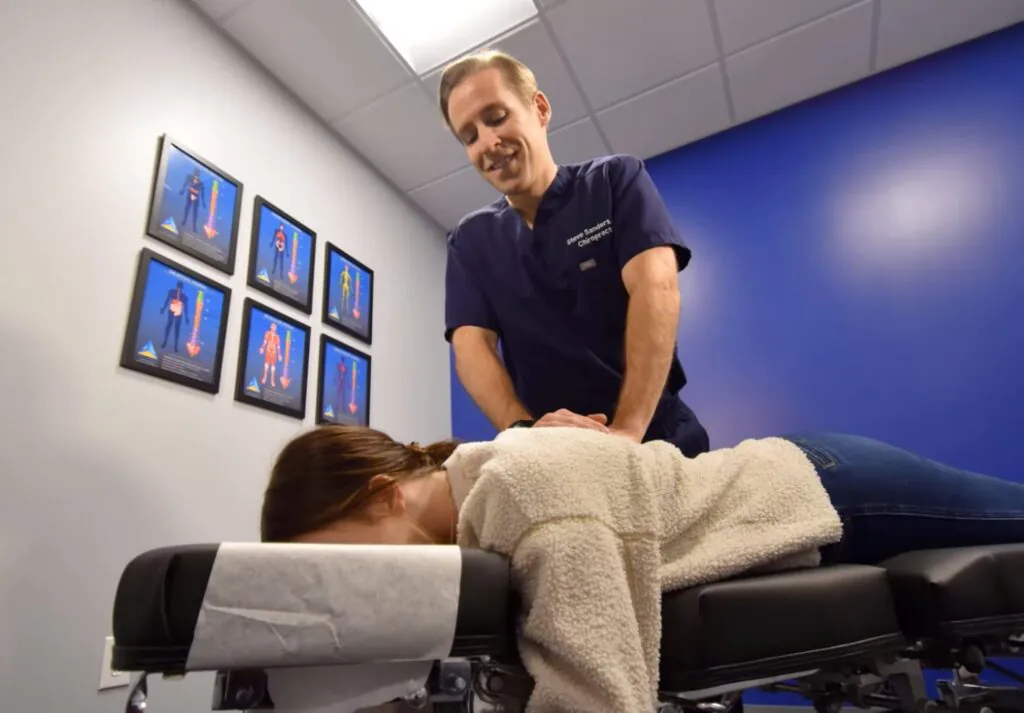
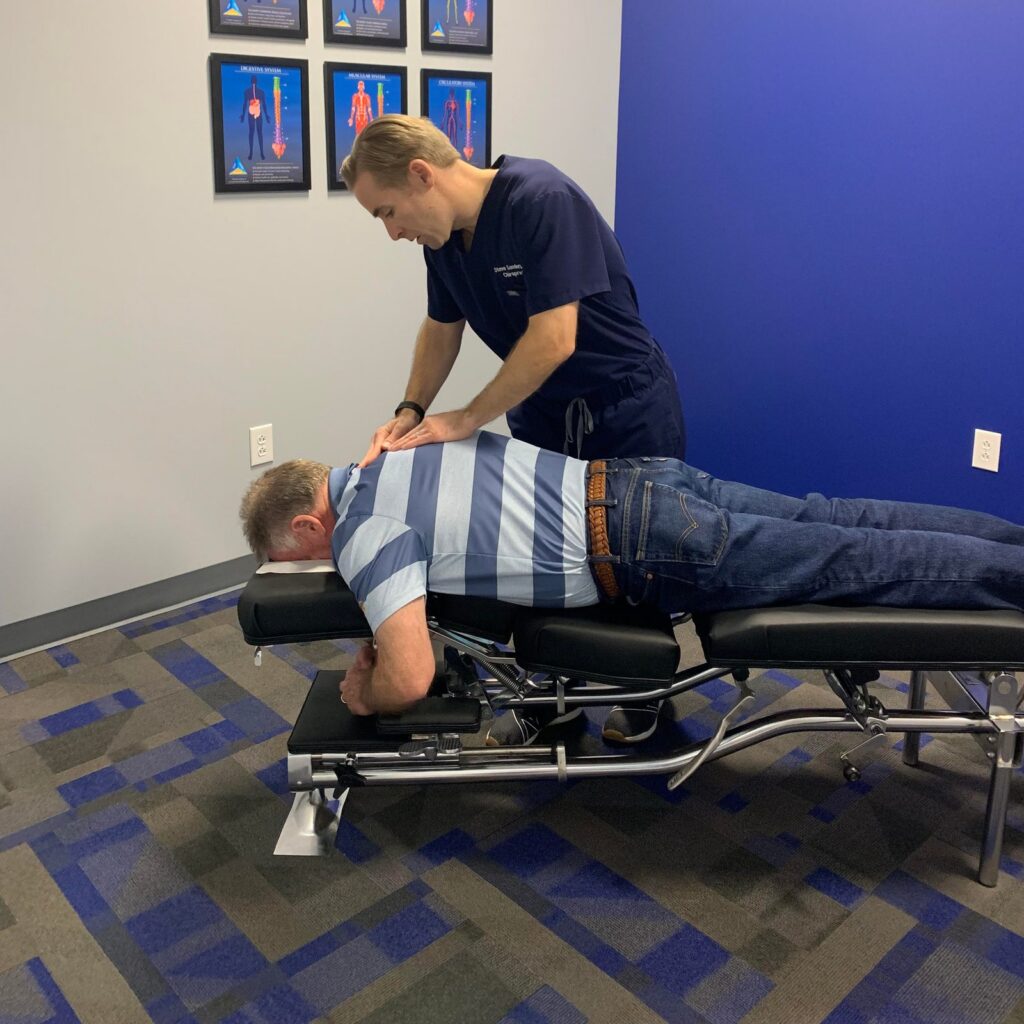
Collaboration is also key in developing your tailored plan. Engage with healthcare professionals like physical therapists or chiropractors who can provide expert insights. They can recommend targeted exercises, manual therapies, or modalities like heat and cold treatment that specifically address your pain.
Don't forget to set realistic goals. Whether it's reducing pain, improving mobility, or enhancing overall well-being, your objectives should be achievable and measurable. Regularly evaluate your progress and be open to adjusting your plan based on what works and what doesn't.
Success Stories
Transforming back pain into a manageable aspect of life can feel challenging, but countless individuals have successfully navigated this journey. Their stories serve as powerful reminders that personalized plans can lead to real, lasting change.
You might find inspiration in their experiences as they share how they took control of their pain and improved their quality of life.
Here are a few success stories that highlight the impact of tailored back pain plans:
- Sarah's Journey: After struggling with chronic pain for years, Sarah worked with a specialist who designed a specific exercise regimen. She gradually increased her strength and flexibility, enabling her to return to her favorite activities.
- Mark's Transformation: Mark found relief through a combination of physical therapy and mindfulness practices. By focusing on both his physical and mental health, he learned to manage his pain and reduce stress.
- Emily's Empowerment: With a focus on nutrition and lifestyle changes, Emily discovered how certain foods exacerbated her pain. By adjusting her diet, she experienced significant relief and regained her energy.
- David's Resilience: David embraced a personalized plan that included regular check-ins with his healthcare provider. This ongoing support helped him stay accountable and motivated, leading to noticeable improvements in his daily life.
These stories show that with the right approach, overcoming back pain is possible. You too can find your path to relief and reclaim the activities you love.
Steps to Get Started
To kick off your journey toward managing back pain, start by evaluating your unique situation. Take a moment to reflect on your pain levels, triggers, and daily activities. Keep a journal for a week, noting when the pain flares up and what you were doing at the time. This will help you identify patterns and potential causes.
Next, consult with a healthcare professional. Share your journal and discuss your symptoms in detail. They can provide insights into your specific condition and recommend tests or treatments tailored to your needs. Don't hesitate to ask questions—understanding your diagnosis is essential for your plan.
Once you've gathered information, set realistic goals. Decide what you want to achieve, whether it's reducing pain, improving mobility, or enhancing your quality of life. Break these goals down into smaller, manageable steps. For example, if your goal is to exercise regularly, start with short walks and gradually increase the duration.
After that, explore various treatment options. Consider physical therapy, chiropractic care, or alternative methods like acupuncture. Each option has its benefits, so find what resonates with you and fits your lifestyle.
Finally, stay committed to your personalized plan. Regularly assess your progress and adjust your strategies as needed. You might need to revisit your healthcare provider for ongoing support.
Conclusion
To sum up, personalized back pain plans are essential for effectively managing your pain and improving your overall well-being. By addressing your unique body mechanics, lifestyle factors, and specific triggers, these tailored approaches empower you to take control of your recovery journey. Don't settle for generic solutions that overlook your individual needs. Embrace a customized plan that aligns with your goals, and experience the difference it can make in your daily life. Your path to relief starts with personalization.