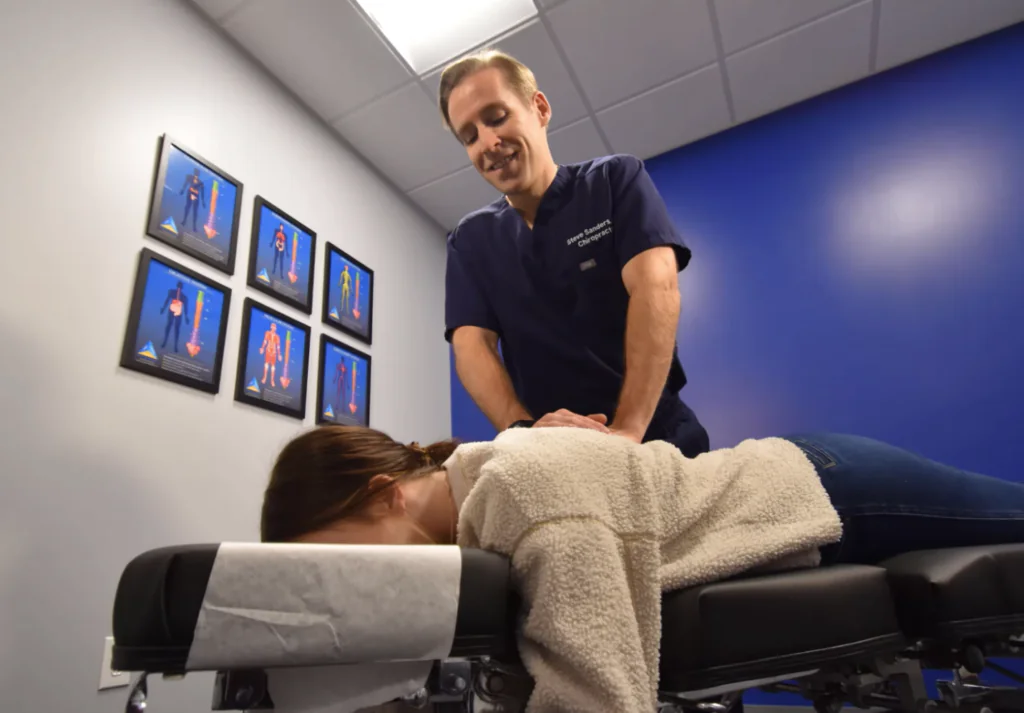
When you think about back pain, consider how your situation is unique. A one-size-fits-all approach often overlooks key factors like your lifestyle, history, and specific symptoms, which can lead to ineffective solutions. Personalized back pain plans not only address these individual needs but also foster a sense of ownership in your recovery process. By understanding how tailored strategies can greatly impact your journey, you might start to see the bigger picture of managing back pain effectively. What could this mean for you?
Understanding Back Pain
Back pain can sneak up on you, often catching you off guard and disrupting your daily life. Understanding the nuances of back pain is vital in addressing it effectively. You might experience sharp, dull, or radiating pain, and it can stem from various causes, including muscle strain, herniated discs, or even poor posture. Identifying the root of your discomfort is the first step toward relief.
When you think about back pain, consider the different types: acute and chronic. Acute pain typically arises suddenly, often due to an injury or overexertion, while chronic pain lingers for months or even years, often becoming a part of your daily routine. This distinction matters, as it influences how you approach treatment and recovery.
Lifestyle factors can also play a significant role in back pain. If you sit for long periods, engage in repetitive motions, or neglect physical activity, you might be setting yourself up for discomfort. It's important to pay attention to your body's signals. Are you slouching when you work? Are you lifting heavy objects incorrectly? Addressing these habits can help mitigate your pain.
Lastly, don't underestimate the importance of mental health. Stress and anxiety can exacerbate your back pain, creating a cycle that's hard to break. Understanding this connection can empower you to implement holistic strategies for relief.
Limitations of Generic Plans
Many individuals turn to generic back pain treatment plans, hoping for quick relief. While these plans might seem convenient, they often fall short of addressing the unique needs of your body. Generic solutions typically rely on one-size-fits-all approaches that don't consider your specific condition, lifestyle, or personal history. As a result, you may find that these plans offer little more than temporary fixes, leaving you frustrated and still in pain.
Generic plans often overlook the underlying causes of your back pain. Without a proper diagnosis, you could be treating symptoms rather than addressing what's truly wrong. This can lead to a cycle of ineffective treatments, causing you to waste time and money without achieving lasting results.
Additionally, these plans may not account for variations in age, physical fitness, or even psychological factors that can play a significant role in your recovery.
Moreover, generic plans can lead to a lack of accountability. When you follow a tailored program, you're often working with a professional who can adjust your plan based on your progress and feedback. With a generic approach, you're left to navigate your recovery alone, which can be overwhelming and disheartening.
Ultimately, while generic back pain plans may seem appealing due to their simplicity, they often provide a superficial solution. For effective and lasting relief, it's crucial to seek out personalized strategies that truly resonate with your individual needs.
Benefits of Personalization
When you choose a personalized back pain plan, you're investing in a solution tailored specifically to your unique circumstances. This tailored approach not only enhances the effectiveness of your treatment but also increases your overall satisfaction with the process.
Here are some key benefits of personalization:
- Targeted Relief: You get treatments that directly address the specific causes of your pain, not just generic solutions.
- Improved Engagement: When a plan resonates with you personally, you're more likely to stick with it and follow through on recommendations.
- Faster Recovery: Customized strategies can lead to quicker results, allowing you to return to your daily activities sooner.
- Holistic Approach: Personalized plans often consider other aspects of your health, such as lifestyle and emotional well-being, leading to a more thorough solution.
- Enhanced Motivation: Knowing that a plan is designed just for you can boost your motivation to engage in necessary exercises and lifestyle changes.
Incorporating these personalized elements not only gives you a sense of ownership over your recovery but also makes the process more enjoyable.
You'll likely find that a tailored approach provides an invaluable sense of empowerment as you work toward reducing your back pain.
Identifying Individual Needs
To create an effective back pain plan, you've got to identify your unique pain triggers.
Understanding what exacerbates your discomfort helps in choosing the right treatment approach tailored just for you.
Unique Pain Triggers
Identifying your unique pain triggers is essential for creating an effective back pain management plan.
Everyone experiences pain differently, and understanding what specifically aggravates your condition can lead to better outcomes.
By pinpointing these triggers, you can take proactive steps toward relief.
Consider these common triggers that might relate to your situation:
- Posture: Poor sitting or standing habits can strain your back.
- Activity Level: Sudden increases or decreases in physical activity may lead to discomfort.
- Stress: Emotional tension can manifest physically, causing muscle tightness.
- Sleep Quality: An uncomfortable mattress or poor sleep positions can exacerbate pain.
- Diet: Certain foods can contribute to inflammation and discomfort.
Tailored Treatment Approaches
Tailored treatment approaches are essential for effective back pain management, as each individual's needs vary considerably. When you experience back pain, it's important to identify the specific factors contributing to your discomfort. This could include your lifestyle, physical activity level, and even psychological factors.
A one-size-fits-all solution rarely works. Instead, you should work closely with healthcare professionals to develop a plan that addresses your unique situation. This might involve a combination of physical therapy, medication, exercise, or even alternative treatments like acupuncture.
Understanding your pain triggers helps in customizing your approach, ensuring that you're not just treating symptoms but also addressing underlying causes.
It's also critical to evaluate your personal goals. Are you aiming to return to an active lifestyle, or do you simply want to manage pain better? Your treatment plan should reflect those aspirations.
Regular follow-ups can help you monitor progress and adjust your plan as needed. By prioritizing tailored treatment approaches, you empower yourself to take control of your back pain and improve your overall quality of life.
Customized Treatment Strategies
When it comes to back pain, a one-size-fits-all approach just won't cut it.
You'll start with an individual assessment to pinpoint your specific needs, followed by tailored exercise regimens designed just for you.
Plus, ongoing progress monitoring guarantees your treatment stays effective as you heal.
Individual Assessment Process
How can you guarantee your back pain treatment is truly effective? The answer lies in a thorough individual assessment process. By understanding your unique situation, you can develop a customized treatment strategy that targets the root causes of your pain.
Here's what you should expect during the assessment:
- Comprehensive Medical History: You'll discuss your past injuries, surgeries, and overall health.
- Pain Evaluation: Be prepared to describe your pain's nature, intensity, and triggers.
- Physical Examination: A thorough examination will help identify any physical limitations or imbalances.
- Lifestyle Assessment: Your daily habits, work environment, and stress levels will be evaluated for potential contributors to your pain.
- Diagnostic Imaging: Depending on your situation, imaging tests like X-rays or MRI may be recommended for a clearer picture.
With this process, you can ascertain that your treatment plan is tailored specifically to you.
By focusing on your individual needs, you'll maximize your chances of achieving lasting relief and getting back to the activities you love.
Tailored Exercise Regimens
Creating a personalized exercise regimen can greatly enhance your back pain treatment. When you tailor your workouts to address your specific needs, you're more likely to see improvement. Instead of a one-size-fits-all approach, consider exercises that strengthen your core, improve flexibility, and increase mobility.
Start by focusing on low-impact activities like walking, swimming, or cycling, which can build strength without aggravating your condition. Incorporate targeted stretches that alleviate tension in your back muscles. Pilates or yoga can be particularly effective, helping you develop better posture and body awareness.
It's crucial to listen to your body as you progress. You might find that certain movements feel good while others do not. Don't hesitate to modify your routine to make sure you're not pushing yourself too hard. Gradually increase the intensity and duration of your workouts to avoid setbacks.
Finally, remember that consistency is key. Committing to regular exercise not only helps in managing your back pain but also promotes overall well-being. With a tailored regimen, you empower yourself to take control of your recovery journey.
You'll likely feel stronger, more flexible, and more resilient in facing your daily challenges.
Ongoing Progress Monitoring
Ongoing progress monitoring is essential for ensuring that your personalized back pain treatment remains effective. By keeping track of your progress, you can identify what's working and what needs adjustment. This proactive approach allows you to stay engaged in your recovery journey and make informed decisions about your treatment.
Here are some key aspects of ongoing progress monitoring:
- Regular Assessments: Schedule consistent evaluations to measure your pain levels, mobility, and overall function.
- Feedback Loops: Share your experiences and concerns with your healthcare provider to refine your treatment plan.
- Goal Setting: Establish short-term and long-term goals to keep you motivated and focused on improvement.
- Adjustments: Stay flexible; if certain strategies aren't yielding results, it's vital to adapt and try new approaches.
- Tracking Tools: Utilize journals or apps to log your pain levels, activities, and progress over time.
Role of Healthcare Providers
Recognizing the complexities of back pain, healthcare providers play an essential role in developing personalized treatment plans. They understand that each individual's experience with back pain is unique, influenced by factors like medical history, lifestyle, and personal preferences. By thoroughly evaluating your condition, they can identify the root cause, whether it's due to muscle strain, herniated discs, or underlying health issues.
Your healthcare provider will likely start by gathering detailed information about your symptoms, daily activities, and any previous treatments you've tried. This thorough assessment allows them to tailor a strategy that aligns with your specific needs. They won't just prescribe generic solutions; instead, they'll consider your goals, whether that's returning to sports, managing pain for daily tasks, or improving overall mobility.
Moreover, providers often collaborate with other specialists, such as physical therapists or pain management experts, to create a multidisciplinary approach. This teamwork enhances the effectiveness of your treatment plan and guarantees you receive well-rounded care. By leveraging their expertise, healthcare providers can recommend appropriate interventions—like physical therapy, medication, or lifestyle changes—that suit your situation.
Ultimately, the role of healthcare providers extends beyond treatment; they're your partners in guiding through the complexities of back pain. Their guidance and support can empower you to take charge of your health, enabling you to make informed decisions about your care.
With the right provider by your side, you'll be better equipped to tackle your back pain and work toward a more active, pain-free life.
Tracking Progress and Adjustments
As you work with your healthcare provider to implement your personalized back pain plan, regularly tracking your progress becomes essential.
Keeping an eye on how you're doing not only helps you stay motivated but also enables both you and your provider to make necessary adjustments. By monitoring your progress, you can identify which aspects of your plan are effective and which may need tweaking.
Here are some key areas to focus on while tracking your progress:
- Pain Levels: Keep a daily journal of your pain intensity and any fluctuations you notice.
- Activity Levels: Note the types and durations of activities you engage in, including any exercises or stretches.
- Sleep Quality: Record your sleep patterns, as inadequate rest can exacerbate back pain.
- Medication and Treatment Effects: Document any medications or treatments you're using and how they impact your symptoms.
- Emotional Well-Being: Pay attention to your mood and stress levels, since mental health can greatly affect physical pain.
Empowering Patient Engagement
Empowering patient engagement is essential for effectively managing back pain. When you take an active role in your treatment, it can lead to better outcomes and a greater sense of control over your health. Engaging with your healthcare providers, asking questions, and voicing your concerns help create a collaborative environment. This partnership allows you to understand your condition and the steps needed for recovery.
You should be proactive in tracking your symptoms and progress. Keeping a journal of your daily experiences not only helps you identify patterns but also provides your healthcare team with valuable information. This data allows for personalized adjustments to your treatment plan, making it more effective for your unique situation.
Additionally, educating yourself about back pain and its management options empowers you to make informed decisions. Explore various treatment modalities, from physical therapy and exercise to medication and alternative therapies. Knowing what's available gives you the confidence to discuss these options with your healthcare provider.
Real-Life Success Stories
Real-life success stories can inspire and motivate those dealing with back pain. Hearing about others who've turned their struggles into triumphs can give you hope and a clearer path to recovery.
These stories often highlight personalized back pain plans that adapted to specific needs, showcasing the power of tailored approaches.
Here are some key takeaways from real-life success stories:
- Personalized Plans: Many found success by working closely with healthcare professionals to develop individualized strategies that addressed their unique pain triggers.
- Consistent Effort: Regular commitment to exercises and lifestyle changes made a significant difference in their recovery journey.
- Support Systems: Building a strong support network, whether through family, friends, or online communities, provided encouragement and motivation.
- Mindfulness and Mental Health: Incorporating mindfulness techniques helped numerous individuals manage stress and improve their emotional well-being, complementing their physical recovery.
- Celebrating Small Wins: Many shared how recognizing and celebrating small achievements kept them motivated throughout their journey.
These stories remind you that recovery is possible and often requires a combination of strategies tailored just for you.
Conclusion
In conclusion, personalized back pain plans are essential for effective recovery. By addressing your unique circumstances, they guarantee you get the targeted relief you need. Generic solutions often fall short, but with customized strategies, you can actively engage in your healing journey. Working closely with healthcare providers and tracking your progress empowers you to take control of your back pain. Embrace a tailored approach, and you'll not only improve your quality of life but also reduce the risk of chronic pain.