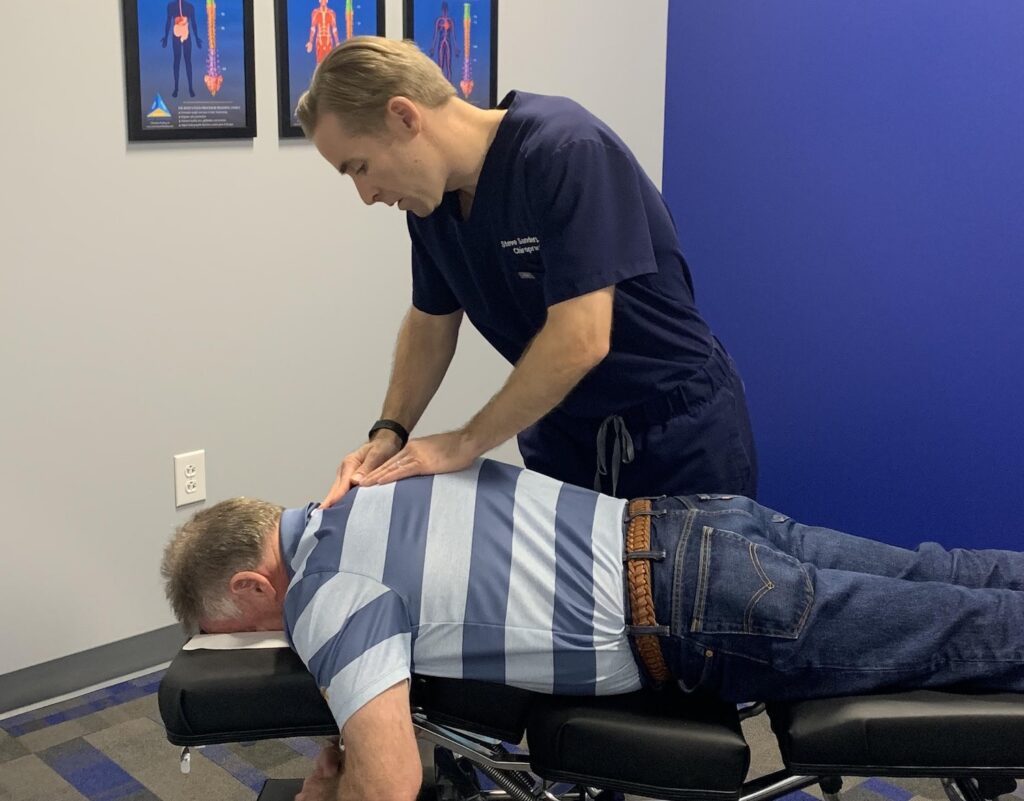
Personalized care is essential for you because it aligns healthcare with your specific needs and circumstances, ensuring that the strategies you receive are not just effective but also resonate with your lifestyle. When healthcare providers consider your medical history and emotional well-being, it fosters a deeper connection and trust, making you an active participant in your own care. As you explore the benefits of this tailored approach, you might wonder how it can transform your experience and outcomes in ways you hadn't considered before.
Understanding Personalized Care
Personalized care is more than just a trend; it's a fundamental shift in how we approach health and well-being. This concept revolves around recognizing that each individual is unique, with distinct needs, preferences, and circumstances. Instead of a one-size-fits-all model, personalized care emphasizes tailored strategies that resonate with you as an individual.
When you engage with personalized care, you're not just another patient in a system; you become an active participant in your own health journey. This approach encourages open communication between you and your healthcare providers. They take the time to listen, understand your specific concerns, and consider your lifestyle, values, and goals. You're empowered to make informed choices that align with your health aspirations.
Personalized care also integrates various aspects of your life. It considers your emotional health, social connections, and even your environment. By addressing these factors, healthcare professionals can design interventions that truly cater to your situation, enhancing the likelihood of positive outcomes.
Moreover, personalized care leverages technology, like health apps and wearable devices, to track your progress and adjust plans as needed. This dynamic aspect allows for real-time feedback and modifications, ensuring that your health plan remains relevant and effective.
In essence, understanding personalized care means recognizing its holistic nature. It's about crafting a health experience that's as unique as you are, ultimately leading to a more satisfying and effective pathway to wellness.
Benefits of Tailored Support
Tailored support significantly enhances your health journey by addressing your unique needs and circumstances. When healthcare professionals focus on your individual preferences, goals, and lifestyle, you're more likely to engage actively in your care. This personalized approach empowers you to make informed decisions and fosters a sense of ownership over your health.
One of the significant benefits of tailored support is improved outcomes. When treatments and recommendations align with your specific situation, the chances of success increase. For instance, if you have dietary restrictions or specific fitness goals, a customized plan will help you achieve better results compared to a one-size-fits-all approach.
Additionally, tailored support often leads to better communication between you and your healthcare providers. When they take the time to understand your unique circumstances, you feel more comfortable discussing your concerns and preferences. This open dialogue helps build trust, ensuring you receive the most appropriate care.
Moreover, tailored support can save you time and resources. By focusing on what works for you, healthcare providers can eliminate unnecessary tests or treatments, allowing you to invest your time and energy in what truly matters.
Finally, knowing that your care is designed specifically for you can boost your motivation and commitment. When you see that your healthcare team is dedicated to understanding your needs, it inspires you to stick to your plan and endeavor for your health goals.
Embracing tailored support is a step toward a more fulfilling and effective health journey.
Impact on Mental Health
When you receive personalized care, you often notice a boost in your emotional well-being.
Tailored support strategies can help you feel more understood and valued, while building trusting relationships enhances your overall mental health.
Let's explore how these elements come together to create a positive impact.
Emotional Well-being Boost
Emotional well-being plays an essential role in shaping your mental health. When you prioritize your emotional state, you're more equipped to handle life's challenges and stressors.
Personalized care can effectively enhance your emotional well-being by addressing your unique needs and preferences. This individualized approach fosters a sense of safety and connection, allowing you to express your feelings openly.
By engaging in personalized care, you're likely to experience increased self-awareness and emotional resilience. You'll find that understanding your emotions can lead to better coping strategies during difficult times.
Furthermore, this tailored attention encourages meaningful relationships, which are crucial for your emotional health. You're not just another person in a system; you're valued, and that recognition can greatly boost your self-esteem.
Additionally, when you feel heard and understood, it can alleviate feelings of anxiety and depression. The emotional support you receive through personalized care can create a nurturing environment, allowing you to thrive.
Ultimately, focusing on your emotional well-being not only enhances your mental health but also enriches your overall quality of life, empowering you to pursue your goals with renewed vigor.
Tailored Support Strategies
Often, effective support strategies can greatly impact your mental health. When you receive personalized care, the strategies tailored to your unique needs can foster resilience and promote well-being. You might find that addressing specific challenges, like anxiety or depression, becomes easier when you engage in approaches designed just for you.
For instance, if you struggle with social situations, a tailored support strategy might include gradual exposure to social settings, combined with coping techniques that resonate with you. This personalized approach not only helps you confront your fears but also boosts your confidence over time.
Additionally, integrating mindfulness practices or cognitive-behavioral techniques specifically suited to your experiences can enhance emotional regulation. You'll notice improvements in how you handle stress, allowing you to navigate daily challenges more effectively.
Moreover, consistent monitoring and adjustments to your support strategies guarantee that they remain relevant as your mental health evolves. This adaptability is vital, as it reflects your changing needs and goals.
Building Trusting Relationships
Building trusting relationships plays an essential role in your mental health journey. When you feel secure in your connections with others, it creates a safe space for you to express your thoughts and emotions. Trust allows you to open up about your struggles without fear of judgment, which can greatly improve your mental well-being.
These relationships can be with friends, family, or mental health professionals. Each connection offers unique support, helping you feel understood and valued. When you trust someone, you're more likely to seek help and share your feelings, which is critical for emotional processing and healing.
Moreover, strong relationships can reduce feelings of loneliness and isolation, common issues that negatively impact mental health. Engaging with others who respect and validate your experiences fosters resilience and encourages you to take positive steps toward better mental health.
In essence, investing time in building and maintaining trusting relationships can enhance your overall well-being. It's important to surround yourself with people who uplift you, as these connections can make all the difference in your mental health journey.
Don't underestimate the power of trust; it's a fundamental component of personalized care.
Personalized Care in Healthcare
In today's healthcare landscape, personalized care is transforming how patients receive treatment and support. This approach tailors medical services to fit your unique needs, preferences, and circumstances. It's not just about treating symptoms; it's about understanding you as a whole person. With personalized care, you can expect a more extensive view of your health, which can lead to better outcomes.
When healthcare professionals take the time to understand your medical history, lifestyle, and emotional well-being, they can recommend treatments that work best for you. This means you're not just another patient with a diagnosis; you're an individual with specific experiences and needs.
Personalized care often involves a collaborative process where you actively participate in your treatment decisions, giving you a sense of ownership over your health. Moreover, technology plays a vital role in this evolution. From wearable devices that track your activity levels to apps that monitor your medication adherence, personalized care leverages data to inform better decision-making.
This real-time information allows your healthcare providers to adjust your treatment plan as necessary, keeping you on the path to recovery. Ultimately, personalized care enhances your healthcare experience by focusing on what matters most to you. With a tailored approach, you're more likely to feel heard and valued, contributing to a stronger partnership with your healthcare team.
Embracing personalized care means you're prioritizing your health and well-being in a way that's truly unique.
Enhancing Relationships Through Personalization
To enhance your relationships, focusing on personalization is key.
By understanding unique needs, you build trust and loyalty that can transform interactions.
When individuals feel valued, they're more likely to engage and connect on a deeper level.
Building Trust and Loyalty
Trust and loyalty are cornerstones of any successful relationship, especially in personalized care. When you engage with healthcare providers who prioritize your unique needs, you naturally start to feel a sense of security. This sense of safety fosters trust, as you know your well-being is in capable hands.
Personalization allows care providers to understand you as a whole person rather than just a set of symptoms. When they actively listen to your concerns and tailor treatments accordingly, it shows they genuinely care. This builds loyalty because you recognize that your experience matters to them.
Moreover, open communication plays an essential role in strengthening this bond. When you feel comfortable sharing your feelings and asking questions, it creates a collaborative environment. You're not just a patient; you're a partner in your own care journey.
As trust deepens, you're more likely to adhere to suggested treatments and follow-ups, knowing they're designed specifically for you.
Ultimately, building trust and loyalty through personalized care enhances your overall experience, making it more fulfilling and effective. So, take the time to cultivate those relationships; they'll pay off in your health and happiness.
Understanding Unique Needs
Every individual has distinct needs that shape their healthcare experiences. Understanding these unique needs is essential for fostering a strong relationship between you and your healthcare provider. When your doctor takes the time to understand your specific concerns, preferences, and values, it creates a more personalized approach to your care. This not only enhances your experience but also leads to better health outcomes.
Personalization goes beyond just addressing symptoms; it involves recognizing your lifestyle, cultural background, and emotional well-being. When you feel heard and understood, it builds trust and encourages open communication. You're more likely to share important information, ask questions, and voice any concerns, which empowers you to take an active role in your health.
Moreover, a personalized approach can help your provider tailor treatment plans that suit your individual circumstances, making them more effective. It's about creating a partnership where both you and your provider work together to achieve ideal health.
Steps to Implement Personalized Care
Implementing personalized care requires a strategic approach that focuses on individual patient needs and preferences. Start by gathering extensive data about each patient. This includes not just their medical history, but also their lifestyle, values, and personal goals. Use surveys or direct conversations to get a clearer picture of what matters most to them.
Next, involve a multidisciplinary team in the planning process. Each member can contribute unique insights into how best to tailor care for each patient. This collaboration guarantees that every aspect of care aligns with the patient's preferences, from treatment plans to follow-up schedules.
Once you have a detailed understanding of your patients, create individualized care plans. These plans should be flexible, allowing for adjustments as patients' needs evolve. Regularly review these plans to confirm they remain relevant and effective.
It's vital to maintain open lines of communication with your patients. Encourage them to voice any concerns or preferences, reinforcing that their input is valuable.
Lastly, measure the effectiveness of your personalized care initiatives. Use feedback from patients and outcomes data to assess what's working and what isn't. This continuous improvement cycle will help you refine your approach, making it even more tailored to each individual.
Conclusion
Incorporating personalized care into your healthcare journey is essential. It not only aligns with your unique needs and preferences but also empowers you to take control of your health. By fostering strong relationships with your providers, you enhance communication and trust, leading to better health outcomes. Embracing this tailored approach guarantees you're actively involved in your treatment decisions, ultimately improving your overall well-being. So, take the steps to prioritize personalized care—it's your health, after all!