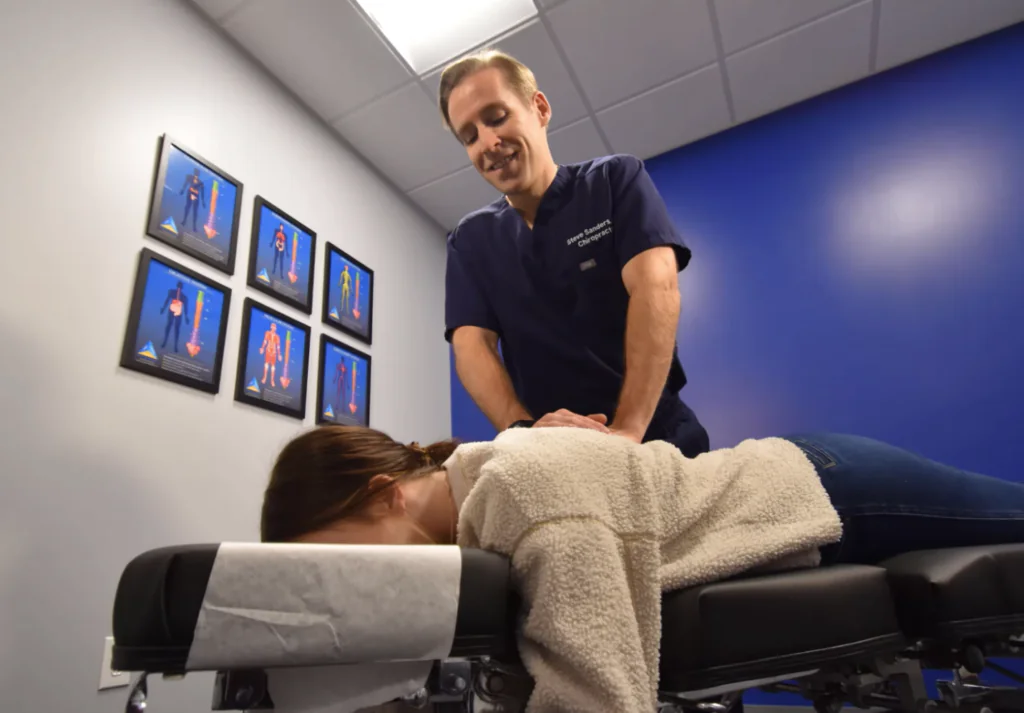
When it comes to healthcare, you might wonder why a one-size-fits-all approach often falls short. Personalized treatment plans are designed to address your unique medical needs, taking into account your history, lifestyle, and preferences. This tailored approach not only enhances treatment effectiveness but also reduces side effects, leading to better health outcomes. As you consider the significance of these plans, it's crucial to explore how they impact patient engagement and satisfaction, and what that means for your overall experience in the healthcare system. The implications could reshape your understanding of care altogether.
Understanding Personalized Treatment Plans
Personalized treatment plans are tailored strategies designed to meet your unique medical needs, guaranteeing you receive the most effective care possible.
These plans consider various factors, including your medical history, current health status, lifestyle, and preferences. By focusing on you as an individual, healthcare providers can create a more precise approach to treatment, rather than relying on generalized protocols that may not suit everyone.
When you engage with your healthcare team, they'll gather extensive information about your condition, including any previous treatments and their outcomes. This guarantees that the plan addresses not just the symptoms, but the underlying causes of your health issues.
You'll likely participate in discussions about potential treatments, allowing your values and preferences to shape the final plan.
Additionally, your treatment plan can evolve over time. As you progress, your healthcare provider will monitor your response to the treatment and make necessary adjustments.
This dynamic approach helps manage chronic conditions more effectively and can lead to better long-term outcomes. It's crucial to maintain open communication with your healthcare team, so they can adapt your plan based on your experiences and feedback.
Benefits of Tailored Approaches
When you choose a tailored treatment approach, you're likely to see enhanced effectiveness in managing your condition.
This personalized method also boosts your engagement in the process, making you an active participant in your care.
Plus, it often leads to reduced side effects, allowing for a smoother healing journey.
Enhanced Treatment Effectiveness
Tailored treatment plans markedly boost the effectiveness of healthcare by aligning therapies with individual patient needs. When you receive personalized treatment, your healthcare providers consider various factors unique to you, which can lead to better outcomes.
Here are three key benefits of enhanced treatment effectiveness through tailored approaches:
- Targeted Interventions: By focusing on your specific condition, lifestyle, and genetic makeup, treatments can be more precise, increasing the likelihood of success.
- Reduced Side Effects: Tailored plans often minimize adverse reactions by selecting therapies that suit your body's unique profile, making the overall treatment experience more tolerable.
- Faster Recovery: When treatments are customized to fit your individual needs, you may experience quicker recovery times, allowing you to return to your daily life sooner.
Incorporating these tailored strategies not only improves your health outcomes but also enhances overall satisfaction with the healthcare experience.
Improved Patient Engagement
How can improved patient engagement transform your healthcare experience? When you're involved in your treatment plan, you're more likely to understand your condition and the steps necessary for recovery.
Personalized treatment plans encourage you to ask questions, express concerns, and actively participate in decision-making. This collaborative approach boosts your confidence, making you feel empowered in your health journey.
Tailored plans cater to your unique needs, preferences, and lifestyle, which enhances your motivation to stick with the prescribed treatments. You're more likely to follow through on recommendations when you see how they directly relate to your personal goals.
Additionally, open communication with your healthcare provider fosters a trusting relationship, leading to a more satisfying experience overall.
When you're engaged, you're not just a passive recipient of care; you're an active partner. This partnership can lead to better adherence to treatment, more accurate reporting of symptoms, and ultimately, improved health outcomes.
In short, when you take an active role in your care, you're likely to experience a more positive healthcare journey, making the entire process more rewarding and effective.
Reduced Side Effects
Engaging actively in your healthcare not only enhances your understanding and motivation but also plays a significant role in minimizing side effects.
Personalized treatment plans focus on your unique needs, allowing for a more precise approach that reduces unwanted reactions. Here's how tailored strategies help you experience fewer side effects:
- Medication Selection: By considering your genetic makeup and health history, healthcare providers can choose medications that are less likely to cause adverse effects for you.
- Dosage Customization: Personalized plans allow for dose adjustments based on your specific response to treatment, helping you avoid higher doses that can lead to increased side effects.
- Monitoring and Feedback: Regular check-ins enable your healthcare team to monitor your progress closely, making timely adjustments if you start experiencing side effects.
The Role of Genetics
In today's rapidly advancing medical landscape, understanding the role of genetics in personalized treatment plans is essential. Your genetic makeup plays an important part in how your body responds to different medications and therapies. By analyzing your genes, healthcare providers can predict which treatments will be most effective for you and which ones might cause adverse effects. This tailored approach not only enhances treatment efficacy but also minimizes the risk of side effects you may experience.
Genetic testing can reveal variations in genes responsible for drug metabolism, allowing clinicians to select medications that align with your unique genetic profile. For instance, some individuals may metabolize certain drugs too quickly, rendering them ineffective, while others may process them too slowly, increasing the risk of toxicity. By knowing your genetic predispositions, your doctor can make informed decisions about dosages and drug choices.
Furthermore, understanding your genetics can aid in identifying predispositions to certain diseases, enabling preventative measures and early interventions. This proactive approach can lead to better health outcomes and a more tailored management plan for chronic conditions.
Incorporating genetic insights into your treatment plan empowers you and your healthcare team to make informed decisions. By leveraging your genetic information, you can enhance the precision of your care, leading to improved treatment success and overall health.
Embracing the role of genetics in personalized medicine is a significant step toward achieving ideal health outcomes tailored specifically for you.
Patient Engagement and Satisfaction
Effective communication is the cornerstone of patient engagement and satisfaction in healthcare. When you feel informed and involved in your treatment plan, you're more likely to have a positive experience.
Personalized treatment plans not only cater to your unique needs but also foster a collaborative relationship between you and your healthcare provider. Here are three key factors that contribute to your engagement and satisfaction:
- Active Participation: When you actively participate in discussions about your treatment options, you're more invested in the outcome. Ask questions, express concerns, and share your preferences. This two-way communication helps you feel valued and heard.
- Clear Information: It's essential that your healthcare team provides clear, jargon-free information about your treatment plan. When you understand the rationale behind prescribed therapies, you're more likely to adhere to them. Clarity empowers you to make informed decisions about your health.
- Follow-Up and Support: Continuous support and follow-up appointments show that your healthcare provider cares about your progress. Regular check-ins allow for adjustments to your treatment plan as needed, ensuring it remains effective. This ongoing relationship enhances your satisfaction and trust.
In the end, when you're engaged with your personalized treatment plan, you're not just a passive recipient of care; you're an active participant in your health journey.
This engagement ultimately leads to better outcomes and a more fulfilling healthcare experience.
Case Studies and Success Stories
Personalized treatment plans often lead to remarkable outcomes, and real-life case studies illustrate just how impactful they can be.
Take, for instance, Sarah, a 35-year-old woman diagnosed with anxiety. After struggling with traditional, one-size-fits-all approaches, her healthcare provider designed a personalized treatment plan that included cognitive-behavioral therapy tailored to her specific triggers, along with mindfulness practices and lifestyle modifications. Within months, Sarah reported significant improvements in her mental well-being, showcasing the effectiveness of a customized approach.
Another compelling example involves John, a 50-year-old man dealing with type 2 diabetes. Instead of following a generic diet, his team created a personalized nutrition plan based on his preferences, activity level, and metabolic needs. They also incorporated regular check-ins to adjust his plan as he progressed.
Over a year, John not only managed to lower his blood sugar levels but also lost weight and improved his overall health, proving that a tailored strategy can lead to lasting change.
These success stories highlight how personalized treatment plans can empower individuals to take control of their health. By addressing unique circumstances and needs, healthcare providers can create strategies that resonate with each patient.
This not only enhances engagement but also fosters a sense of ownership over one's health journey. When you see how these tailored plans have transformed lives, it's clear that personalized treatment isn't just a trend—it's a crucial component of effective healthcare.
Overcoming Challenges in Implementation
When implementing personalized treatment plans, you'll often face challenges like resource allocation issues and communication gaps.
It's essential to identify these obstacles early on to guarantee a smooth rollout.
Resource Allocation Issues
In the face of rising healthcare costs and limited resources, tackling resource allocation issues becomes crucial for implementing personalized treatment plans.
You may encounter several challenges, but addressing them head-on can lead to more effective care delivery. Here are three key strategies you can consider:
- Prioritize Patient Needs: Assess individual patient requirements to determine which treatments will yield the best outcomes. This focused approach guarantees that resources are allocated where they're most needed.
- Utilize Data Analytics: Employ advanced data analytics to identify trends and predict patient needs. By analyzing past treatment outcomes, you can make informed decisions about where to allocate resources effectively.
- Foster Collaborative Care: Encourage teamwork among healthcare providers. When specialists collaborate, they can share resources and expertise, leading to a more efficient use of available assets.
Communication Gaps
Addressing communication gaps is essential for the successful implementation of personalized treatment plans. When you and your healthcare team don't communicate effectively, it can lead to misunderstandings that jeopardize your treatment. You need to be on the same page about your health goals, treatment options, and any changes in your condition.
To overcome these challenges, establish open lines of communication from the start. Don't hesitate to ask questions or express concerns; your input is invaluable. Regular check-ins can help guarantee everyone involved understands your treatment strategy and any necessary adjustments.
Utilize technology, such as patient portals or messaging apps, to facilitate quick and clear communication.
It's also important that your healthcare providers share information with each other. When specialists collaborate, they can create a more cohesive treatment plan tailored specifically for you.
Encourage your doctors to communicate openly about your progress and any changes in your health.
The Future of Personalized Healthcare
The future of personalized healthcare often hinges on advancements in technology and data analytics. As you explore this evolving landscape, you'll notice that personalized treatment plans are becoming more effective and efficient. Here are some key developments shaping the future:
- Artificial Intelligence (AI): AI algorithms analyze vast amounts of patient data to identify patterns and predict outcomes. This means healthcare providers can tailor treatments based on your unique genetic makeup and lifestyle choices, leading to better results.
- Wearable Technology: Devices like smartwatches and fitness trackers collect real-time health data. By monitoring essential signs and activity levels, these gadgets provide insights that help healthcare professionals adjust your treatment plans dynamically, ensuring you're always getting the care you need.
- Genetic Testing: Understanding your genetic predispositions can inform treatment decisions. With affordable genetic testing, you can access significant information that enables doctors to recommend therapies specifically suited to your biological profile, minimizing trial and error.
As these technologies continue to develop, the future of personalized healthcare looks promising.
You'll benefit from a more proactive, tailored approach that not only treats illnesses but also emphasizes prevention. By leveraging data-driven insights, healthcare will become increasingly centered around you as an individual, enhancing both your experience and outcomes.
Embracing these advancements will certainly lead you toward a healthier future, where your unique needs are prioritized and addressed.
Conclusion
In summary, personalized treatment plans are essential for your healthcare journey. By addressing your unique needs and preferences, these tailored strategies enhance effectiveness and satisfaction. With a focus on your individual circumstances, you'll likely experience better health outcomes and a stronger connection with your healthcare providers. As personalized healthcare continues to evolve, embracing these customized approaches will empower you to take charge of your health and well-being like never before.