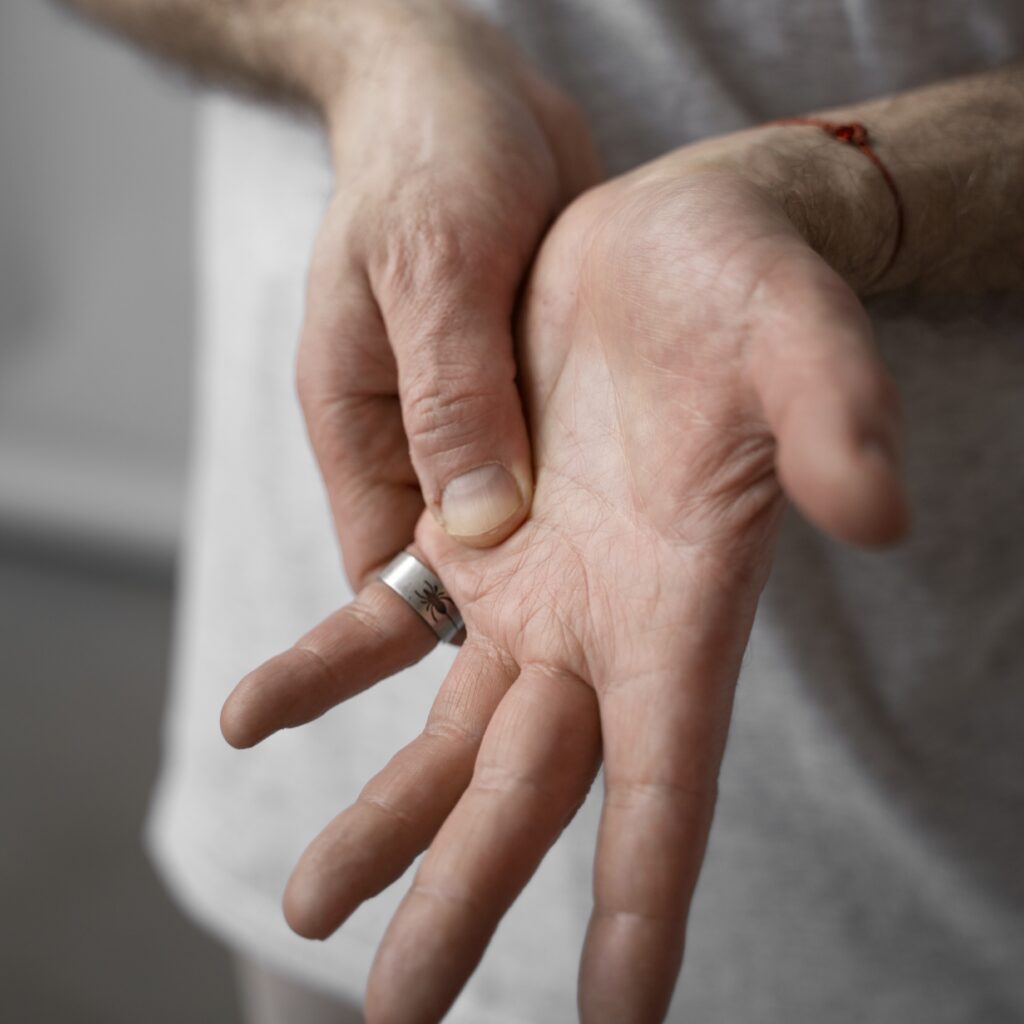
As a local chiropractor, I want to help you navigate the journey of sports injury recovery by introducing you to effective techniques that can enhance your healing process. While it's crucial to prioritize rest, that's only the starting point. Incorporating natural methods such as ice therapy and compression can significantly alleviate pain and reduce swelling, promoting a quicker recovery.
Many of you may not be familiar with the benefits of chiropractic care, so let me explain how we can work together to facilitate your healing. Chiropractic adjustments can help restore proper alignment, improve mobility, and reduce discomfort, which are essential for returning to your sport stronger than before.
In addition to professional therapies, it's important to integrate self-care practices into your daily routine. By understanding the full spectrum of recovery techniques available—ranging from therapeutic exercises to nutritional support—you can create a personalized recovery plan that not only heals your injury but also prepares you for your next athletic challenge.
Let's delve deeper into these techniques and discover how they can support your recovery journey.
Prioritize Rest and Recovery
As a local chiropractor, I want to emphasize the vital role that rest and recovery play in your sports injury rehabilitation process. When you experience an injury, your body requires time to heal, and ignoring the pain can lead to more significant issues in the future. By prioritizing rest, you're allowing your body the necessary opportunity to repair itself, facilitating tissue healing and reducing inflammation.
It's crucial to tune into your body's signals; if you're experiencing pain or discomfort, it's a clear indication to take a step back.
Recovery doesn't mean complete inactivity. Instead, I encourage you to engage in gentle, restorative activities that promote blood flow without putting undue stress on your injury. Consider incorporating light stretching or low-impact exercises, such as swimming or cycling, into your routine. These activities can aid healing while keeping you active.
Additionally, maintaining a balanced diet rich in essential nutrients is crucial, as proper nutrition significantly influences your recovery process.
Never underestimate the importance of quality sleep. It's a fundamental component of healing, as it helps your body regenerate and reduces stress, both of which are essential for recovery. Aim for 7 to 9 hours of restful sleep each night, and consider establishing a consistent sleep routine to enhance the quality of your rest.
Lastly, it's important to acknowledge the mental aspect of recovery. Maintaining a positive mindset can significantly impact your healing journey. Set realistic goals for yourself and celebrate small victories along the way.
Implement Ice Therapy
As a chiropractor dedicated to your natural healing journey, I want to introduce you to the benefits of ice therapy, especially after experiencing a sports injury. This straightforward technique can significantly help reduce swelling and alleviate pain, making it an essential part of your recovery process.
By incorporating ice therapy, you not only enhance your comfort but also promote a quicker healing timeline.
Let's delve into how you can effectively utilize ice therapy as part of your rehabilitation. Whether you're new to chiropractic care or exploring natural healing methods, understanding the right application of ice can greatly support your recovery and overall well-being.
Reduces Swelling and Pain
As a local chiropractor dedicated to your health and well-being, I want to share one of the simplest yet most effective methods for reducing swelling and pain following a sports injury—ice therapy. When you apply ice to the injured area, it causes blood vessels to constrict, which helps to limit blood flow and reduce inflammation. This process can provide significant relief within hours and days after your injury.
To start, you can use an ice pack or even a bag of frozen peas, but be sure to wrap it in a towel to protect your skin. Apply it to the affected area for about 15 to 20 minutes every hour, particularly during the first 48 hours post-injury. You may experience a numbing sensation, which indicates that the ice is effectively helping to alleviate your pain.
It's important to remember not to place ice directly on your skin, as this can lead to frostbite. If you experience extreme discomfort or notice any changes in your skin, be sure to remove the ice immediately.
Always listen to your body—if your pain continues or worsens, I recommend seeking professional medical advice. By incorporating ice therapy into your recovery routine, you can manage discomfort effectively and support your healing process in a natural way.
Your journey towards recovery is important, and I'm here to guide you every step of the way.
Improves Recovery Time
As a local chiropractor dedicated to helping you understand natural healing methods, I want to share the benefits of ice therapy for sports injuries. Not only does it help alleviate pain, but it also significantly enhances your recovery time.
When you apply ice to the injured area, it constricts blood vessels, reducing inflammation and accelerating the healing process. This means you'll be able to return to your favorite activities sooner.
To effectively incorporate ice therapy into your recovery routine, begin by applying an ice pack or a bag of frozen peas wrapped in a thin cloth to the affected area for approximately 15-20 minutes every hour, particularly during the first 48 hours following the injury.
This practice not only helps manage pain but also limits swelling, which can help you regain mobility more quickly.
It's essential to listen to your body during this process. If you experience excessive numbness or discomfort, please remove the ice immediately.
After the initial two days, I recommend alternating between ice and heat therapy. This combination can further promote healing and help alleviate stiffness, ensuring you feel your best as you recover.
Utilize Compression Techniques
As your local chiropractor, I want to emphasize the importance of compression techniques in your recovery journey.
Utilizing compression wear correctly can significantly help in reducing swelling and enhancing circulation, both of which are vital for healing.
It's important to understand the best practices for applying compression, including when to use it and how long to keep it on, in order to fully reap the benefits.
By incorporating these techniques into your routine, you can support your body's natural healing processes more effectively.
Let's work together to ensure you're maximizing your recovery!
Benefits of Compression Wear
As a local chiropractor dedicated to helping you achieve optimal health and recovery, I want to share the benefits of incorporating compression wear into your healing process, especially when dealing with sports injuries.
Many patients may not be familiar with how these specialized garments can enhance recovery, so let me explain.
Compression garments, such as sleeves, tights, or wraps, are designed to apply gentle pressure to your muscles and joints. This pressure isn't just for comfort; it plays a crucial role in reducing swelling and inflammation, which are key factors in your recovery journey.
Here are some important benefits of using compression wear that I encourage my patients to consider:
- Improved Blood Circulation: By enhancing blood flow, compression wear helps deliver essential nutrients to the injured areas, which is vital for accelerating the healing process.
- Reduced Muscle Soreness: Many of my patients notice that wearing compression can alleviate the pain and soreness that often follows intense workouts, enabling them to return to their activities more quickly.
- Support and Stability: Compression gear offers additional support to your muscles and joints, helping to stabilize any injuries and reducing the risk of further damage.
- Enhanced Recovery Time: By minimizing swelling and promoting circulation, these garments can significantly shorten your recovery time, allowing you to get back on track sooner.
Incorporating compression wear into your routine isn't just about recovering from an injury; it also plays a role in enhancing your overall athletic performance.
As your chiropractor, I encourage you to consider these effective garments as a valuable part of your recovery toolkit. Together, we can work towards your health goals and ensure you stay active and pain-free.
Techniques for Effective Compression
As a chiropractor, I want to share how effective compression techniques can play a crucial role in your recovery from sports injuries. When you experience an injury, applying the right amount of pressure to the affected area can significantly help reduce swelling and enhance circulation.
I recommend starting with elastic bandages or compression sleeves. It's important that these fit snugly but aren't too tight; we want to ensure that blood flow remains healthy while still providing necessary support.
When wrapping an injury, always begin at the furthest point from your body (the distal end) and work your way up. This method not only encourages fluid drainage but also helps to minimize swelling effectively. Be sure to secure the bandage without constricting your movement too much.
If you're opting for compression garments, look for those specifically designed for your type of injury, whether it's a sprain, strain, or general muscle soreness.
To enhance the effectiveness of compression, I suggest combining it with other natural recovery methods, such as ice therapy. You can wrap ice in a cloth and place it over the compression for short intervals. This combination can really amplify the benefits you experience.
Always listen to your body; if you start to feel numbness or excessive pain, it's important to adjust the compression right away. By incorporating these techniques into your recovery plan, you'll be able to expedite your healing process and return to your favorite activities more swiftly.
Timing and Duration Guidelines
As a local chiropractor dedicated to your health and recovery, I want to share some important insights on the timing and duration of compression techniques for sports injuries.
Understanding how to effectively use compression can significantly enhance your healing process. Compression is beneficial for reducing swelling and providing support after an injury, but it's essential to apply it correctly to fully enjoy its advantages.
Here are some practical guidelines to consider:
- Immediate application: It's crucial to use compression right after you sustain an injury. This helps minimize swelling and promotes quicker recovery.
- Mind the duration: Keep the compression on for about 30 minutes to an hour. After that, take a brief break to allow your body to breathe.
- Reapply as necessary: Feel free to reapply compression multiple times a day, especially within the first 48 hours after your injury. This can really aid in managing inflammation and support your healing.
- Tune in to your body: Always listen to what your body is telling you. If you start to feel discomfort or notice any signs of impaired circulation, it's important to loosen or remove the compression.
By following these guidelines, you can optimize your recovery and get back to doing what you love sooner.
If you have any questions about how to incorporate natural healing methods like compression into your care, don't hesitate to reach out. Your health and well-being are our top priorities!
Explore Physical Therapy
Chiropractic care is essential for sports injury recovery, helping athletes regain strength, flexibility, and overall function. If you've suffered an injury, a chiropractor can evaluate your condition and create a personalized rehabilitation plan that caters to your individual needs. This tailored approach ensures you're not only recovering but also enhancing your athletic performance.
During chiropractic sessions, you'll participate in various exercises aimed at restoring range of motion and building strength in the affected area. These exercises often emphasize core stability, balance, and coordination—key components in preventing future injuries. Your chiropractor will guide you through each movement, ensuring proper form to optimize your recovery and reduce the likelihood of re-injury.
Moreover, chiropractors employ natural healing techniques such as spinal adjustments, soft tissue therapy, and therapeutic modalities like heat and ice to alleviate pain and reduce inflammation. These treatments can accelerate the healing process, allowing you to progress more swiftly in your rehabilitation journey.
Consistent communication with your chiropractor is vital; they'll track your progress, modify your treatment plan as necessary, and keep you motivated throughout the recovery process.
Don't underestimate the value of regular chiropractic care. By sticking to your treatment schedule and following your chiropractor's advice, you'll not only recover from your injury but also enhance your athletic capabilities. Embrace this chance to learn more about your body and establish a stronger foundation for your future in sports through natural healing methods.
Engage in Stretching Exercises
As a local chiropractor, I want to emphasize the importance of stretching exercises in enhancing your flexibility and preventing injuries. Many patients overlook these techniques, but they're crucial to your overall health and recovery.
By incorporating effective stretching into your daily routine, you can't only boost your performance in physical activities but also facilitate faster healing after injuries.
Stretching helps to improve your range of motion, which is vital for maintaining a healthy spine and joints. It can also alleviate tension in your muscles, reduce the risk of strains, and enhance circulation, all of which contribute to a more effective recovery process.
Let's work together to integrate stretching exercises into your wellness plan. By doing so, you'll discover how these simple practices can lead to significant improvements in your health and well-being.
Importance of Flexibility
As a local chiropractor, I want to emphasize the importance of incorporating flexibility into your recovery routine. Many people overlook this crucial aspect of wellness, but enhancing your flexibility can significantly improve your overall performance and help prevent future injuries.
Here's why focusing on flexibility is essential for your health:
- Increased Mobility: Improved flexibility allows for better movement patterns, which can enhance your technique in various activities, whether you're playing sports or simply engaging in daily tasks.
- Reduced Muscle Tension: Regular stretching helps alleviate tightness and discomfort in your muscles, enabling you to perform at your best without the burden of stiffness.
- Improved Blood Flow: Engaging in flexibility exercises promotes circulation, which is vital for ensuring that your muscles receive the oxygen and nutrients they need for effective recovery.
- Enhanced Recovery: By incorporating flexibility into your routine, you can speed up the healing process and reduce soreness and stiffness following physical activity.
Prioritizing flexibility isn't just about preventing injuries; it's also about optimizing your overall performance and well-being.
As a chiropractor, I encourage you to make flexibility work a regular part of your daily routine. By doing so, you'll likely notice the benefits manifesting in improved results, whether in sports or your everyday life.
Techniques for Effective Stretching
As a local chiropractor, I want to emphasize the importance of effective stretching techniques in your recovery and overall wellness routine. Understanding how to stretch properly can significantly benefit your body and help prevent injuries.
Before you engage in any physical activity, I recommend starting with dynamic stretching. This type of stretching involves controlled movements that prepare your muscles and joints for action. Simple exercises such as leg swings or arm circles can effectively enhance blood flow and flexibility, setting the stage for a safer workout and minimizing the risk of injury.
Once you've completed your workout or if you're in a recovery phase, it's essential to transition to static stretching. This involves holding each stretch for about 15 to 30 seconds without bouncing. Focus on major muscle groups, particularly those that may feel tight or sore. For example, stretching your hamstrings, quadriceps, and shoulders can promote healing and alleviate discomfort.
For those looking to deepen their flexibility, I encourage you to explore proprioceptive neuromuscular facilitation (PNF) stretching. This technique involves a combination of contracting and relaxing the muscle you're stretching, which can enhance your range of motion. While having a partner can make this method more effective, it can also be done solo with some mindfulness.
Always remember to listen to your body. If you experience any pain during a stretch, it's important to ease off.
Consistency is vital—aim to stretch at least three times a week to support your recovery and enhance your overall performance. By incorporating these effective stretching techniques into your routine, you can promote healing and improve your body's function, paving the way for a healthier lifestyle.
Consider Massage Therapy
As a local chiropractor, I want to shed some light on the incredible benefits of incorporating massage therapy into your recovery routine, especially considering the physical demands that sports can impose on your body.
Whether you're experiencing muscle soreness, tension, or recovering from a more serious injury, massage therapy can be a vital part of your healing process. Here are some key advantages that you shouldn't overlook:
- Enhances Circulation: Massage plays a crucial role in stimulating blood flow, which is essential for delivering oxygen and nutrients to injured tissues more effectively. This improved circulation is fundamental for recovery.
- Alleviates Muscle Tension: Regular massage sessions can significantly reduce tightness in your muscles, leading to improved relaxation and increased flexibility, which are critical for overall performance.
- Speeds Up Healing: By minimizing inflammation and promoting lymphatic drainage, massage therapy can accelerate your body's natural healing processes, allowing you to bounce back more quickly.
- Increases Range of Motion: Enhanced flexibility from massage can't only improve your athletic performance but also reduce the likelihood of future injuries, making it an important part of your training regimen.
Integrating massage therapy into your recovery plan isn't merely about indulgence; it's a crucial aspect of natural healing and enhancing your performance.
Whether you opt for deep tissue, sports, or Swedish massage, working with a skilled therapist can provide you with tailored care that addresses your individual needs. Be sure to communicate openly about any areas of discomfort or pain, enabling your therapist to adjust their techniques for maximum benefit.
So, I encourage you to consider this effective recovery strategy as part of your routine. By doing so, you'll likely experience a transformation in your post-injury journey, feeling lighter, more energetic, and ready to take on your next challenge.
Focus on Nutrition
As a local chiropractor, I want to emphasize the crucial role nutrition plays in your recovery from a sports injury. When you're healing, your body requires specific nutrients to repair itself effectively, and understanding this can truly make a difference in your healing journey.
First and foremost, let's talk about protein. Incorporating a variety of protein sources into your meals—such as lean meats, fish, eggs, and legumes—will aid in tissue repair and muscle rebuilding. It's essential to find the right balance that supports your recovery while avoiding excess calories.
Healthy fats are another vital component of your diet. Foods like avocados, nuts, and olive oil are excellent sources of fatty acids that can help reduce inflammation and foster healing. Pair these healthy fats with complex carbohydrates, like whole grains, fruits, and vegetables, to provide your body with sustained energy and essential nutrients.
Don't overlook the importance of vitamins and minerals, which are key players in your recovery. For instance, vitamin C, abundant in citrus fruits and bell peppers, is important for collagen formation, while zinc, found in nuts and seeds, supports your immune function.
Including antioxidant-rich foods such as berries and dark leafy greens can also be beneficial, as they help combat oxidative stress that may hinder your healing process.
Meal timing is another factor to consider. Eating smaller, nutrient-rich meals throughout the day can help maintain your energy levels and support muscle recovery.
As your chiropractor, I can't stress enough how vital nutrition is to your healing journey. By prioritizing your meals and making informed food choices, you'll pave the way for a smoother and more effective return to peak performance.
Stay Hydrated
As your local chiropractor, I want to emphasize the importance of hydration during your recovery from a sports injury. Many people don't realize that staying hydrated goes beyond simply quenching your thirst; it's a crucial element in the healing process. Proper hydration can significantly reduce inflammation, enhance nutrient absorption, and support the overall functions of your body.
When you're on the mend, prioritizing hydration is essential for optimal recovery.
Here are some important reasons to keep hydration at the forefront of your healing journey:
- Supports Muscle Recovery: Drinking enough fluids can alleviate muscle soreness and stiffness, which is vital after an injury.
- Improves Joint Health: Hydration is key to keeping your joints lubricated, facilitating better mobility and reducing pain.
- Enhances Nutrient Transport: Water plays a critical role in delivering essential vitamins and minerals to your injured tissues, helping to speed up the recovery process.
- Boosts Energy Levels: Staying properly hydrated can help fend off fatigue, allowing you to stay engaged in your rehabilitation activities.
To ensure you're drinking enough water, aim for at least 8-10 cups per day. If you're active or sweating more due to therapy or exercise, you may need to increase that amount.
Listen to your body—it knows what it needs. Additionally, consider adding hydrating foods such as fruits and vegetables to your diet. If plain water doesn't appeal to you, try infusing it with a splash of lemon or a few berries to make it more enjoyable.
As part of your recovery plan, let's work together to prioritize your hydration and enhance your healing naturally!
Incorporate Strength Training
As your local chiropractor, I want to share how incorporating strength training into your recovery routine can significantly improve your healing process and help prevent future injuries.
Strength training isn't just about building muscle; it's essential for enhancing your overall function and stability, which are crucial for avoiding re-injury. This is particularly vital after you've experienced an injury since your body needs to regain strength and balance in the affected area.
Begin with low-impact exercises that specifically target the muscles surrounding your injury. For instance, if you've hurt your knee, focus on exercises that strengthen the quadriceps and hamstrings without placing excessive stress on the joint.
Tools like resistance bands, bodyweight exercises, or light weights can be very effective for this purpose. The important thing is to gradually ramp up the intensity as your strength improves.
Always prioritize proper form during your exercises. Using poor technique can't only worsen your existing injury but also lead to new complications. If you're uncertain about your form, I highly recommend consulting with a physical therapist or a certified trainer, especially in the early stages of your recovery.
In addition to strengthening your muscles, it's crucial to incorporate core stability exercises into your routine. A strong core supports your entire body, reducing the risk of injuries in other areas.
Aim for consistency in your strength training, practicing two to three times a week, while allowing your body sufficient recovery time between sessions.
By integrating strength training into your recovery, you'll not only heal more effectively but also enhance your overall athletic performance in the long run.
Monitor Progress Regularly
As your local chiropractor, I want to emphasize the importance of regularly monitoring your progress during your recovery journey. Keeping an eye on how you're healing is crucial to ensuring you stay on track and make any necessary adjustments along the way. This process not only enhances your motivation but also helps you catch any setbacks early, allowing us to address them together.
Here are some effective strategies that I recommend for monitoring your progress:
- Keep a Recovery Journal: I encourage you to document your daily activities, pain levels, and any improvements or setbacks you experience. This practice will help you identify patterns and inform our discussions about how to modify your recovery plan as needed.
- Set Specific Goals: Together, we can establish clear, achievable goals for your recovery. Whether it's improving your range of motion or reducing pain, having specific targets gives you something to strive for and measure your success against.
- Use Visual Aids: Consider using charts or graphs to visualize your progress. Seeing your improvements over time can be incredibly motivating and reinforce the positive changes we're working towards.
- Consult Professionals: Regularly checking in with me and our healthcare team is vital. We can provide valuable insights and adjustments based on your progress and any concerns you may have, ensuring you receive the best care possible.
Conclusion
As a local chiropractor, I want to emphasize that effective recovery from sports injuries involves a holistic approach. It's essential to prioritize rest to allow your body to heal. Utilizing ice and compression can help reduce swelling and alleviate pain. Don't hesitate to reach out for professional assistance, as chiropractic care can play a vital role in your recovery journey.
Incorporating gentle stretching and strength training into your routine is crucial, as these activities can promote healing and restore function. Additionally, nourishing your body with proper nutrition and staying hydrated will support your overall recovery process. Keeping track of your progress is important as it helps maintain motivation and focus.
By following these techniques and considering chiropractic care, you'll be on the path to a successful recovery, allowing you to return to the activities you love with renewed strength and resilience.