As a local chiropractor, I want to assure you that if you're dealing with upper back pain, you're definitely not alone. Many individuals experience this discomfort, often stemming from poor posture, a sedentary lifestyle, or even the stresses of daily life. The good news is that there are several effective techniques we can employ to help alleviate this pain and enhance your overall well-being.
In our practice, we focus on natural healing and a holistic approach. From specialized stretching exercises that target your upper back muscles to ergonomic adjustments that improve your workspace, each technique we explore can offer unique benefits tailored to your needs. But how do you know which methods will be the most effective for your specific situation? Let's delve into these options together and discover the best ways to achieve relief and restore your comfort.
Stretching Exercises
As a local chiropractor, I want to share with you the importance of incorporating stretching exercises into your daily routine to alleviate upper back pain. Many individuals may not realize how effective these exercises can be in lengthening tight muscles, improving flexibility, and enhancing posture.
By dedicating just a few minutes each day to stretching, you can significantly reduce discomfort and support your overall well-being.
Let's start with a fundamental stretch known as the cat-cow stretch. This exercise is performed on your hands and knees. First, arch your back upward while tucking your chin to your chest—this is the "cat" position.
Then, transition into the "cow" position by lowering your belly toward the floor while lifting your head. This gentle movement warms up your spine and mobilizes your upper back. Hold each position for about five seconds and repeat this sequence ten times.
Another beneficial stretch is the seated forward bend. Sit comfortably on the floor with your legs extended in front of you. Take a deep breath in, and as you exhale, reach toward your toes. You should feel a gentle stretch along your spine and shoulders.
Aim to hold this position for 15 to 30 seconds, allowing your body to relax into the stretch.
Next, consider the doorway stretch, which can be particularly effective for opening up your chest and shoulders. Stand in a doorway and place your arms on the frame at shoulder height.
Gently lean forward, feeling the stretch across your chest. Hold this position for 15 to 30 seconds to release tension.
Lastly, don't forget to incorporate neck stretches into your routine. Simply tilt your head to one side, bringing your ear toward your shoulder.
Hold this stretch for 15 to 30 seconds on each side to relieve any tightness in your neck.
These stretching exercises can be a valuable part of your self-care routine, promoting natural healing and improving your overall health.
If you have any questions or need personalized guidance, feel free to reach out to me or visit our clinic. Your journey to better health starts with understanding how to care for your body!
Strengthening Workouts
As a local chiropractor dedicated to helping you achieve optimal health, I want to share how incorporating strengthening workouts can play a crucial role in relieving upper back pain.
It's important to focus on essential upper back exercises and postural strengthening techniques that not only enhance your overall stability but also support your spine's alignment.
By engaging in resistance training, you can build strength in your upper back muscles, which can significantly reduce discomfort and help prevent future issues.
Strengthening these areas can lead to better posture and improved overall function.
I encourage you to consider these workouts as part of your holistic approach to healing and wellness.
Together, we can work towards a pain-free lifestyle!
Essential Upper Back Exercises
As a local chiropractor, I often see patients struggling with upper back pain, and I'm here to share some effective exercises that can help strengthen this area and alleviate discomfort. Incorporating specific movements into your routine can create a significant impact on your overall well-being.
One excellent exercise to start with is the bent-over row. To perform this, grab a pair of dumbbells, hinge at your hips, and pull the weights towards your waist. This action effectively targets your rhomboids and trapezius muscles, which are crucial for improving strength and maintaining good posture.
Another beneficial movement is the face pull. For this exercise, use a resistance band anchored at head height. Pull the band towards your face while keeping your elbows elevated. Not only does this strengthen your upper back, but it also supports shoulder health, which is vital for overall mobility.
You might also want to try the seated row. Utilizing a resistance machine or bands, pull towards your torso while seated. This exercise effectively engages the upper back muscles, contributing to better stability and strength.
Lastly, I recommend incorporating wall angels into your routine. Stand against a wall and, with your arms bent at 90 degrees, slide them up and down. This movement not only enhances flexibility but also strengthens the muscles that support your posture, which is essential for preventing future discomfort.
Postural Strengthening Techniques
As a local chiropractor dedicated to educating my patients about natural healing and the importance of good posture, I want to share some effective postural strengthening techniques that can significantly improve your upper back stability and overall posture.
These exercises not only help alleviate discomfort but also play a crucial role in preventing future issues. Here are four essential techniques I recommend incorporating into your daily routine:
- Wall Angels: This exercise is great for enhancing shoulder mobility and strength. Stand with your back flat against a wall and raise your arms to form a "W" shape. Gently slide your arms upward to create a "Y" shape while keeping your back pressed against the wall. This movement strengthens the muscles around your shoulder blades, which is vital for maintaining an upright posture.
- Seated Rows: Using resistance bands can be incredibly beneficial for your upper back. While seated with your legs extended, pull the bands towards you, making sure to squeeze your shoulder blades together as you do so. This exercise not only targets your upper back muscles but also encourages proper alignment of your spine.
- Superman Exercise: A fantastic way to engage both your lower and upper back muscles, the Superman exercise involves lying face down while extending your arms and legs. Lift both your arms and legs off the ground simultaneously, activating your back muscles. Hold this position for a few seconds before lowering back down. This builds strength and stability in your back, which is essential for overall posture.
- Plank Variations: Incorporating different plank exercises, such as side planks or forearm planks, can greatly enhance your core and back strength. These variations help promote overall stability and support your posture throughout daily activities.
By consistently practicing these techniques, you'll likely notice significant improvements in your upper back strength and overall posture.
Resistance Training Benefits
As a local chiropractor, I want to share with you the incredible benefits of resistance training, which goes far beyond merely building muscle. When you incorporate resistance workouts into your daily routine, you actively strengthen your upper back muscles. This is crucial for maintaining proper posture and spinal alignment, both of which are essential for your overall well-being. Improved muscle strength provides better support for your spine, which can alleviate tension and reduce pain that many of you may be experiencing.
In addition to enhancing muscle strength, resistance training plays a significant role in improving your stability and balance. This is especially important for preventing injuries that can occur from falls or awkward movements in everyday life. You'll likely find that stronger back muscles can enhance your performance in daily activities, making tasks less strenuous and much more efficient.
Another important aspect of resistance training is its ability to boost your metabolism and support weight management. Maintaining a healthy weight is vital, as it reduces the stress on your back, ultimately aiding in pain relief. Furthermore, resistance training stimulates the release of endorphins—your body's natural painkillers—which can elevate your mood and help combat discomfort.
Integrating resistance training into your lifestyle doesn't have to be overwhelming. Simple exercises using resistance bands, free weights, or even your own body weight can yield significant benefits.
I encourage you to commit to a consistent routine, and you'll likely notice a marked improvement in your upper back pain and your overall physical health. Remember, as your chiropractor, I'm here to guide you on your journey to natural healing and wellness.
Proper Posture Techniques
As a local chiropractor dedicated to your well-being, I want to emphasize the importance of maintaining proper posture to alleviate upper back pain. Many of my patients are surprised to learn how much their daily habits impact their spinal health.
One of the first steps you can take is to set up your workspace ergonomically. This means ensuring that your desk, chair, and computer screen are positioned to promote a natural alignment of your spine.
When sitting, make sure your feet are flat on the floor, your back is straight, and your shoulders are relaxed. When standing, distribute your weight evenly on both feet and keep your head aligned over your spine.
These simple yet effective adjustments can lead to a remarkable improvement in how you feel throughout the day. Remember, by prioritizing your posture, you're taking a proactive step towards better spinal health and overall well-being.
Ergonomic Desk Setup
As a local chiropractor, I want to emphasize the importance of creating an ergonomic desk setup to help you maintain proper posture and alleviate discomfort, particularly upper back pain.
By making a few adjustments to your workspace, you can significantly enhance your comfort and productivity while also supporting your overall spinal health.
Here are four essential components I recommend focusing on:
- Chair Height: It's crucial to adjust your chair so that your feet rest flat on the floor, with your hips positioned slightly higher than your knees. This alignment encourages good circulation and supports the natural curve of your spine, which can help prevent discomfort.
- Monitor Position: Your monitor should be set at eye level and approximately an arm's length away from you. This positioning helps keep your neck in a neutral position, reducing strain on your upper back and promoting better posture throughout the day.
- Keyboard and Mouse Placement: Ideally, your keyboard and mouse should be at elbow height. Keeping your arms close to your body and your wrists straight while typing or using the mouse minimizes unnecessary tension in your muscles and joints, which can contribute to discomfort and pain.
- Desk Clutter: A tidy workspace is more than just aesthetically pleasing; it's essential for your physical well-being. Keep frequently used items within arm's reach to limit twisting and reaching motions, which can lead to strain and discomfort over time.
Sitting Alignment Tips
As a local chiropractor, I want to help you understand how important proper sitting alignment is for your overall comfort and to alleviate upper back pain. Once you've optimized your ergonomic desk setup, it's crucial to pay attention to how you position your body while sitting.
First and foremost, ensure that your chair provides full support for your back. Sit all the way back in your chair, allowing it to cradle your lower back. If you find that you need some extra support, consider using a small cushion to enhance lumbar support.
Next, pay attention to your feet. They should be flat on the floor or resting comfortably on a footrest. Your knees should be at or slightly below hip level to promote healthy circulation. I also advise against crossing your legs, as this can create imbalances and lead to unnecessary strain.
It's vital that your computer screen is at eye level. This positioning will prevent you from leaning forward or looking down, which can strain your neck and upper back. When your arms are positioned at a 90-degree angle and your elbows are close to your body, you help minimize tension in your shoulders.
Finally, don't underestimate the power of regular breaks. Stand up, stretch, and move around periodically. Even brief breaks can significantly reduce tension in your upper back.
Standing Posture Guidelines
As a chiropractor dedicated to your health and well-being, I want to emphasize the importance of maintaining proper standing posture. Good posture isn't just about looking confident; it's essential for reducing upper back pain and enhancing your overall health.
When you stand correctly, you distribute your weight evenly, which can significantly minimize strain on your upper back. Here are some simple guidelines to help you improve your standing posture:
- Feet shoulder-width apart: This stance creates a solid base, providing stability and balance as you stand.
- Align your ears, shoulders, and hips: Visualize a straight line connecting these points. Keeping them aligned helps maintain proper posture and reduces stress on your spine.
- Engage your core: By tightening your abdominal muscles, you support your spine and promote an upright position. This not only helps with posture but can also prevent future discomfort.
- Relax your shoulders: Avoid hunching or tensing them. Instead, allow your shoulders to fall naturally, keeping your chest open. This simple adjustment can lead to a more relaxed and comfortable standing position.
By incorporating these practices into your daily routine, you can foster better posture, alleviate upper back pain, and contribute positively to your overall health.
If you're interested in learning more about how chiropractic care can support your journey to wellness, I'm here to help!
Heat Therapy
As a local Chiropractor, I often recommend heat therapy as one of the most effective ways to alleviate upper back pain. When you apply heat to your sore muscles, it increases blood flow, helping to relax tight areas and reduce stiffness. This not only promotes healing but also provides immediate comfort, which is essential for your overall well-being.
There are various methods of applying heat that you can easily incorporate into your daily routine. If you're at home, a heating pad set to a comfortable temperature can work wonders. Apply it to the affected area for about 15-20 minutes. Just remember to place a thin cloth between your skin and the heat source to prevent burns.
If you're out and about, a hot water bottle or a warm towel can also offer relief. To use a towel, simply soak it in hot water, wring it out, and gently place it on your back.
Another effective method is soaking in a warm bath infused with Epsom salts. The heat will help relax your muscles, while the magnesium in the salts can work to reduce inflammation. I encourage you to incorporate heat therapy into your routine, especially after activities that might strain your upper back.
It's vital to listen to your body; if the heat feels too intense, don't hesitate to remove the source right away. Heat therapy can be a true game-changer in managing upper back pain, providing the relief and comfort you need to stay active and engaged in your daily life.
If you have any questions or need further guidance on how to effectively use heat therapy, feel free to reach out during your next visit. Your journey to natural healing and improved health is important to us!
Cold Therapy
As a local chiropractor, I often see patients struggling with upper back pain, and one effective method I recommend is cold therapy, also known as cryotherapy. This natural approach can be a powerful ally in alleviating discomfort in your upper back. By applying cold to the affected area, you can effectively reduce inflammation and numb pain, which helps to ease muscle spasms and soreness. Cold therapy is particularly beneficial after strenuous activities or following an injury.
Here are four key benefits of using cold therapy for upper back pain relief that I encourage my patients to consider:
- Reduces Inflammation: When you apply cold packs, they constrict blood vessels, which helps to limit swelling and provides relief from inflammation in your muscles and joints. This is crucial for managing pain effectively.
- Numbs Pain: The cold sensation has the ability to dull nerve activity in the affected area, offering immediate pain relief. This can provide much-needed comfort when you're dealing with persistent discomfort.
- Decreases Muscle Spasms: Cold therapy can help relax tense muscles that often contribute to back pain. By soothing these muscles, you can alleviate some of the tension and discomfort you may be experiencing.
- Promotes Recovery: Utilizing cold therapy after physical activity can aid in speeding up your recovery process. It helps reduce the risk of further injury and supports your muscles in healing properly.
To incorporate cold therapy into your routine, you can use ice packs, frozen vegetables, or specialized cold packs. Just be sure to wrap the cold source in a cloth to prevent frostbite, and apply it for 15-20 minutes at a time, allowing breaks in between applications.
It's important to remember that cold therapy is most effective when used within the first 48 hours after an injury or flare-up.
Massage Techniques
As a local chiropractor, I want to share with you the powerful role massage techniques can play in alleviating upper back pain. Many people are unfamiliar with the benefits of chiropractic care and natural healing, so let me explain how certain massage methods can help you.
Techniques such as trigger point therapy, myofascial release, and Swedish massage are excellent options to consider. Each of these methods is designed to target muscle tension and promote relaxation, which is essential for your overall well-being.
By focusing on specific areas of discomfort, we can help release tight muscles and restore proper function. Incorporating these massage techniques into your wellness routine can lead to significant improvements in how you feel.
Whether you're dealing with chronic pain or just occasional stiffness, exploring these options can be a game changer. If you have any questions about how these techniques can fit into your chiropractic care plan, don't hesitate to ask!
Trigger Point Therapy
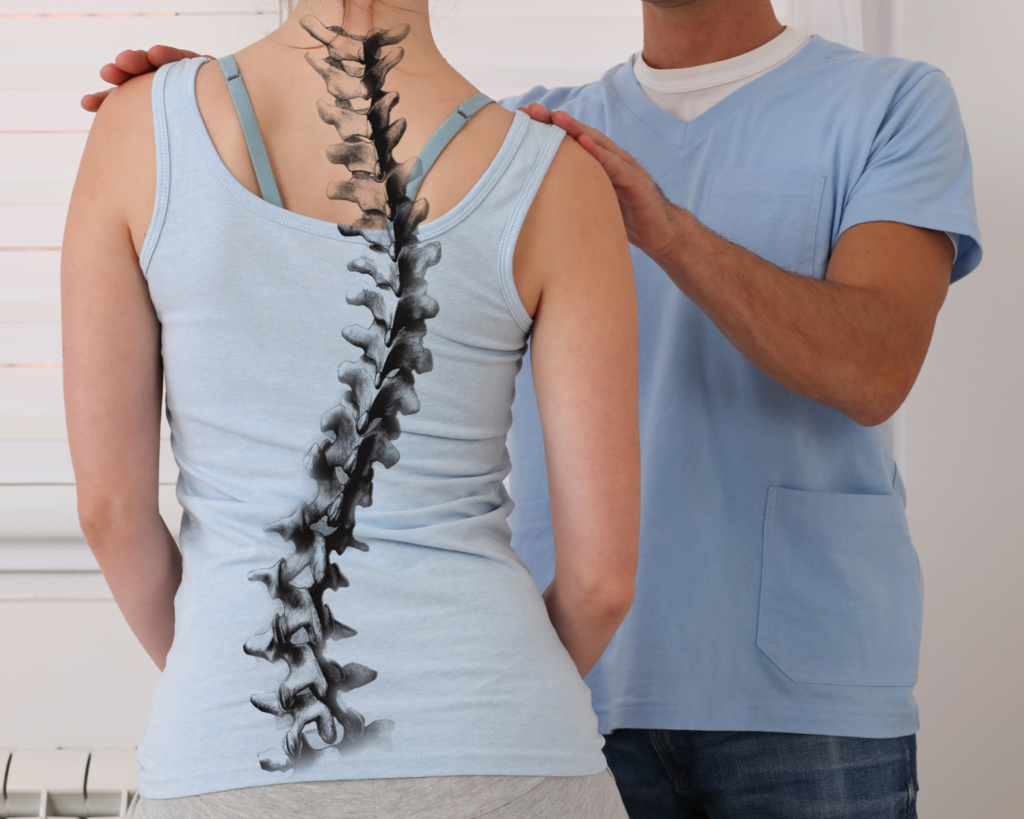
As a local chiropractor, I want to introduce you to the benefits of trigger point therapy, especially if you're struggling with upper back pain. This natural healing approach targets specific muscle knots, known as trigger points, that can cause discomfort and tension in your body.
Addressing these knots is crucial for relieving pain and promoting overall well-being. Here are some techniques you can use, either on your own or in conjunction with professional chiropractic care:
- Locate the Knot: Begin by gently pressing on your upper back until you identify a tender spot. This tender area is likely a trigger point that needs attention.
- Apply Pressure: Use your fingers, a massage ball, or a foam roller to apply consistent pressure to the identified knot. Hold this pressure for about 20-30 seconds to facilitate relief.
- Make Circular Motions: After applying pressure, gently move your fingers or the tool in small circular motions over the area. This technique helps to release built-up tension in the muscle.
- Stretch Afterwards: Once you've treated the trigger point, it's essential to stretch the surrounding muscles. This practice not only enhances flexibility but also helps prevent future discomfort.
Remember, while self-care techniques are beneficial, seeking professional support from a chiropractor can provide you with tailored treatment options and a deeper understanding of your body's needs.
Your health is important, and taking steps to address pain naturally is a great choice!
Myofascial Release Methods
As your local chiropractor, I want to share with you some effective methods for relieving upper back pain that you may not be familiar with, particularly myofascial release techniques. This approach is all about relieving tension in the fascia, which is the connective tissue that surrounds your muscles. By focusing on tight areas, we can improve blood flow and restore mobility, ultimately helping you feel better.
To get started, you can use your hands or a massage tool to apply gentle pressure to the areas where you feel discomfort. As you do this, feel for any tight spots or knots in your fascia. When you find a tense area, hold that pressure for about 30 seconds or until you feel a release. This slow and deliberate approach allows your body to relax and respond effectively.
In addition to applying pressure, I encourage you to incorporate stretching into your myofascial release routine. While you stretch, maintain pressure on those tight areas to enhance the release even further. Pay special attention to your upper back, shoulders, and neck, as these areas often hold a lot of tension.
Another valuable technique you can try is using a foam roller. This tool allows you to perform self-myofascial release on tight areas at your own convenience. Just remember to keep your movements slow and controlled so your body has time to adjust and benefit from the release.
Swedish Massage Techniques
As a local chiropractor, I often see patients struggling with upper back pain, and one effective approach I recommend is incorporating Swedish massage techniques into their wellness routine. This method utilizes gentle, flowing movements designed to promote relaxation and enhance circulation, which can be incredibly beneficial for alleviating discomfort in the upper back.
Here are four key benefits of Swedish massage techniques that I often share with my patients:
- Increased Blood Flow: The rhythmic strokes involved in Swedish massage work to enhance circulation. This improved blood flow delivers vital nutrients to your muscles, aiding in their recovery and reducing pain.
- Muscle Relaxation: The gentle pressure applied during a Swedish massage is particularly effective at releasing tight muscles. By alleviating muscle tension, this technique can enhance flexibility and provide significant relief from pain.
- Stress Reduction: It's important to remember that physical pain often has a mental component. Swedish massage not only addresses the physical discomfort but also promotes mental relaxation, helping to lower stress levels that might contribute to muscle tension.
- Improved Range of Motion: Many of my patients find that regular Swedish massages can improve their mobility and flexibility. This means you can enjoy daily activities more freely and without discomfort.
By integrating Swedish massage into your self-care routine, you can significantly enhance your efforts to relieve upper back pain.
It's an excellent natural healing method that complements chiropractic care, allowing you to feel more relaxed and pain-free.
If you have any questions or would like to learn more about how this can work for you, feel free to reach out!
Ergonomic Adjustments
As a local chiropractor, I often see patients struggling with upper back pain, and I want to share some effective ergonomic adjustments you can make to your workspace to help alleviate discomfort.
First, let's talk about your chair. It's essential that your chair provides proper lumbar support. This means it should support your lower back, encouraging you to sit upright. Make sure to adjust the height so that your feet are flat on the floor—if they don't reach, using a footrest can make a significant difference.
Next, let's examine your desk setup. Your computer monitor should be positioned at eye level and about an arm's length away. This positioning can prevent you from leaning forward or straining your neck, which often contributes to upper back pain. If you're using a laptop, I recommend investing in a separate keyboard and a stand to elevate the screen to the correct height.
Don't forget about the placement of your keyboard and mouse, as they play a crucial role in your posture. They should be close enough that you don't have to overreach, which can lead to strain in your shoulders and upper back. Aim to keep your elbows close to your body, forming an angle between 90 and 120 degrees while you type.
It's also important to be mindful of your posture throughout the day. Make sure to sit back in your chair, allowing your back to rest against the support, and consciously avoid slouching. I recommend taking regular breaks—set a timer if necessary—to stand, stretch, or walk around. This simple practice can significantly reduce tension in your upper back.
Lastly, consider the overall organization of your workspace. Keeping frequently used items within easy reach can minimize unnecessary twisting and turning, which can exacerbate discomfort.
Mindfulness and Relaxation
As a local chiropractor, I often see patients struggling with upper back pain, and I want to share some valuable insights on how incorporating mindfulness and relaxation techniques into your daily routine can significantly alleviate discomfort.
These methods not only help reduce stress and tension—common culprits behind upper back pain—but also enhance your overall mental and physical well-being. By prioritizing your mental health, you create a more balanced and pain-free life.
Here are four effective mindfulness and relaxation techniques I recommend you try:
- Deep Breathing: Dedicate a few moments each day to practice deep breathing. Inhale slowly through your nose, hold for a few seconds, and then exhale gently through your mouth. This simple exercise can calm your mind, relax your muscles, and help you feel more centered.
- Meditation: Setting aside time to meditate can be incredibly beneficial. Find a quiet spot, close your eyes, and focus on your breath or a soothing mantra. Regular meditation enhances your ability to recognize areas of tension in your body and fosters a deeper sense of relaxation.
- Progressive Muscle Relaxation: This technique is great for identifying and releasing muscle tension. Start by tensing the muscles in your feet and gradually work your way up to your shoulders, consciously relaxing each group. It's an effective way to become more aware of your body and alleviate stress.
- Mindful Movement: Activities such as yoga or tai chi are excellent for promoting mindful movement. Not only do they improve flexibility, but they also cultivate a strong connection between your mind and body, helping to reduce overall tension and enhance your physical health.
Incorporating these techniques into your routine can complement chiropractic care, leading to a more holistic approach to healing and well-being.
Over-the-Counter Medications
If you're experiencing upper back pain and seeking immediate relief, over-the-counter medications can be a helpful option. As a chiropractor, I often encourage patients to explore all avenues of pain relief, including these accessible medications that can effectively reduce both pain and inflammation, allowing you to return to your daily activities more comfortably.
Nonsteroidal anti-inflammatory drugs (NSAIDs) such as ibuprofen and naproxen are commonly used for this purpose. They work by inhibiting the production of certain chemicals in your body that lead to pain and swelling. However, it's crucial to use these medications responsibly. Always follow the dosage instructions on the package, as exceeding the recommended amount can lead to unwanted side effects, such as stomach issues or an increased risk of bleeding.
If you have any existing health conditions or are currently taking other medications, I recommend consulting with your healthcare provider before incorporating any new pain relief approach.
Another option is acetaminophen, which can help alleviate pain without the anti-inflammatory effects of NSAIDs. It's typically gentler on the stomach, but keep in mind that it may not be as effective for pain related to inflammation. Again, sticking to the recommended dosage is key for your safety.
In addition to oral medications, there are topical treatments available, such as creams or patches that contain menthol or capsaicin. These can provide targeted relief when applied directly to the painful area.
While these over-the-counter options can be effective for managing pain, I also encourage you to consider the benefits of chiropractic care and natural healing methods. Chiropractic adjustments can address the underlying causes of your discomfort, allowing for long-term relief and improved overall wellness.
If you have any questions or would like to learn more about how chiropractic care can support your healing journey, please don't hesitate to reach out.
Professional Treatments
When upper back pain continues despite trying over-the-counter remedies, it's important to explore professional treatments that can effectively address the root causes of your discomfort. As a chiropractor, I want to introduce you to the benefits of chiropractic care and other natural healing therapies that can help you find relief.
Here are four treatments to consider for managing your upper back pain:
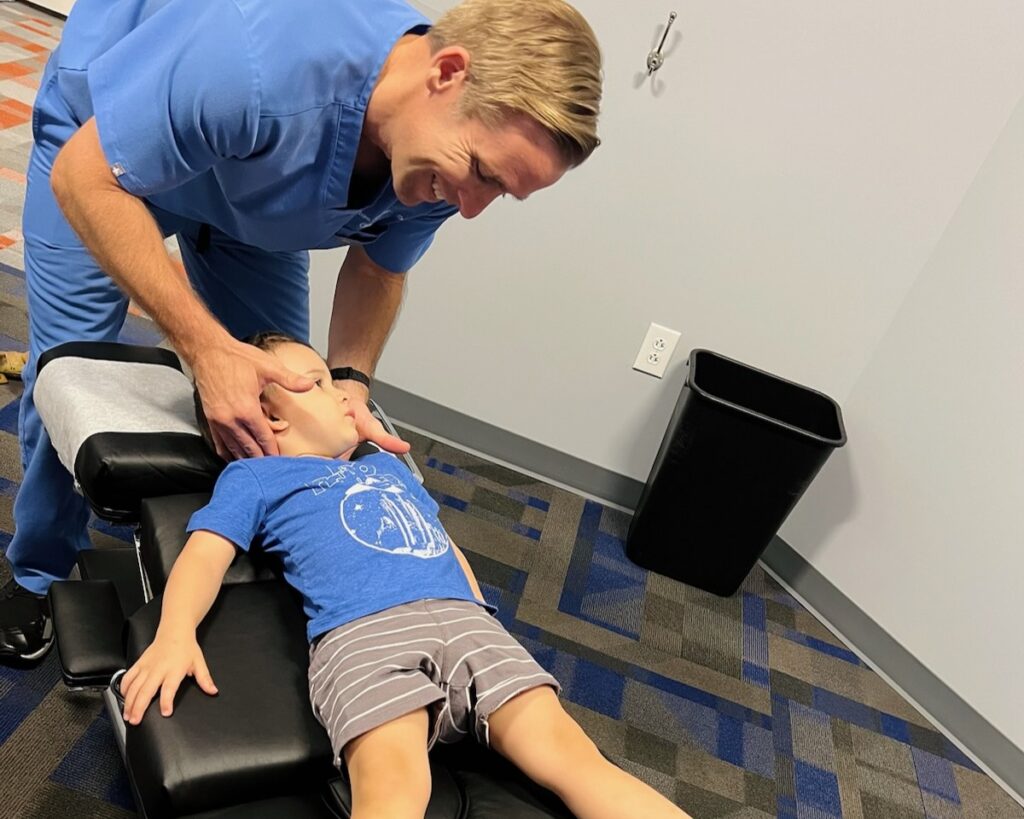
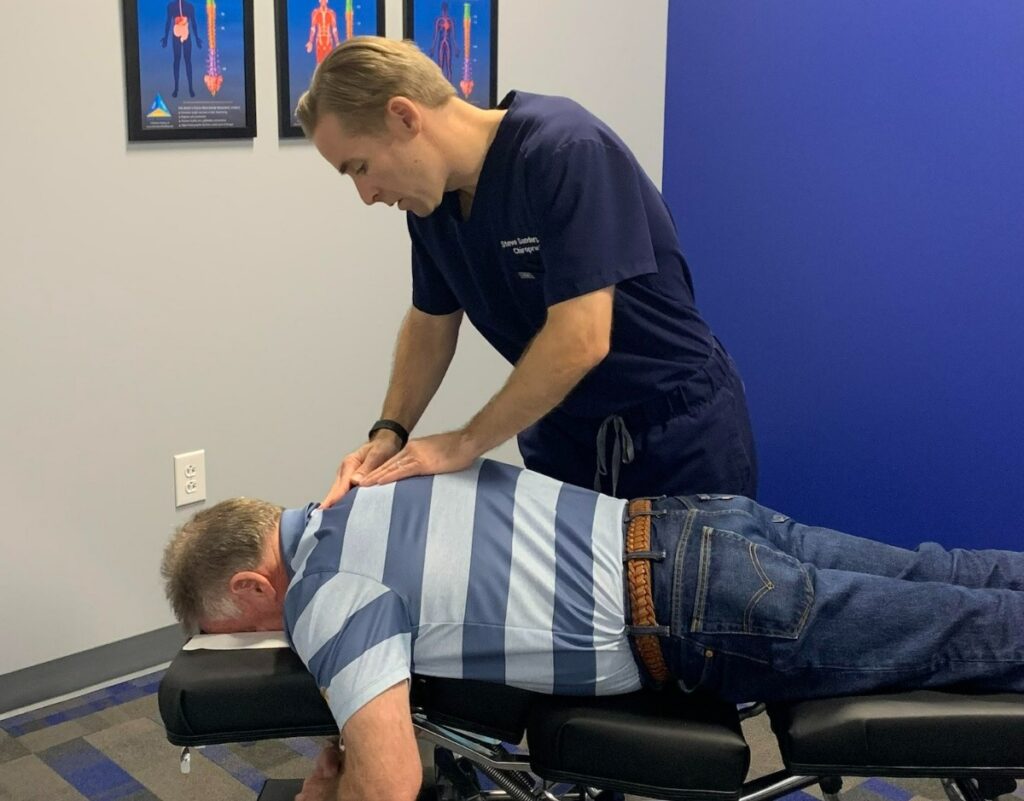
- Chiropractic Care: At our practice, we focus on spinal alignment and overall body health. Through gentle adjustments, we can realign your spine, which often leads to immediate pain relief and improved mobility. Chiropractic care not only addresses existing pain but also helps prevent future issues by promoting a healthy spine.
- Physical Therapy: Collaborating with a physical therapist can enhance your recovery. They'll create a personalized exercise regimen aimed at strengthening your back and improving flexibility. This proactive approach is key to relieving pain and avoiding future discomfort.
- Massage Therapy: Incorporating therapeutic massage into your treatment plan can significantly reduce muscle tension and promote relaxation. Techniques such as deep tissue or trigger point therapy can specifically target areas of pain in your upper back, helping you feel better faster.
- Acupuncture: Although it may sound unfamiliar, acupuncture is an ancient practice that can be quite effective for pain management. By inserting thin needles into specific points on the body, acupuncture can stimulate healing and alleviate chronic pain, contributing to your overall well-being.
By considering these treatments as part of your pain management plan, you can greatly improve your quality of life.
I encourage you to consult with a healthcare professional, including a chiropractor, to discuss which options are best suited for your individual needs. Taking these proactive steps can lead to lasting relief and help you return to your daily activities with ease.
Conclusion
As your local chiropractor, I want to share some valuable techniques that can significantly alleviate your upper back pain. By integrating these methods into your daily life, you can experience lasting relief and improve your overall well-being.
First and foremost, consistency is key. Engaging in regular stretching and strengthening exercises is crucial for maintaining a healthy back. Additionally, I encourage you to focus on proper posture throughout your day, whether you're sitting at a desk or standing. Making ergonomic adjustments to your workspace can also play a significant role in preventing discomfort.
Don't underestimate the power of heat and cold therapy. These simple treatments can soothe sore muscles and reduce inflammation effectively. If you find that your pain persists, consider seeking professional treatments, such as chiropractic adjustments, which can help realign your spine and alleviate tension.
Lastly, I emphasize the importance of mindfulness and movement. By being aware of your body and incorporating gentle movement into your routine, you can enhance your overall health and keep discomfort at bay. Take charge of your health today, and your back will express its gratitude!